What a Flat Coated Cockapoo Costs at the Groomer
It’s a common misconception that a flat-coated Cockapoo, with its sleek and often less curly appearance, will be significantly cheaper to groom than its curlier counterparts. Many owners breathe a sigh of relief, imagining a life free from the daily battle against mats and the hefty grooming bills associated with a plush Poodle coat. However, while a flat coat can simplify some aspects of care, it certainly doesn't eliminate the need for regular, professional grooming, and it definitely comes with its own set of costs. This guide will walk you through what to realistically expect when budgeting for professional grooming for your flat-coated Cockapoo, and how to manage those expenses.
Understanding the Flat Coated Cockapoo's Unique Grooming Needs
When you think "Cockapoo," you probably picture that quintessential fluffy, wavy, non-shedding coat, right? But the truth is, due to the genetics inherited from both the Cocker Spaniel and Poodle, Cockapoo coats can vary wildly. A flat-coated Cockapoo is often closer to its Cocker Spaniel lineage, meaning a smoother, straighter coat that sheds more than the Poodle-dominant types. This coat still needs careful management, even if it doesn't form the tight mats you might dread with a curly dog.
The Illusion of Low Maintenance
Many first-time flat-coated Cockapoo owners assume that because their dog doesn't have the intense curl, they're in for an easy ride. It's an understandable thought! After all, less curl often means less matting, which is a major pain point for many doodle owners. However, a flat coat, especially one with a denser undercoat, can still shed quite a bit, leading to loose hair getting trapped. This trapped hair, if not brushed out regularly, can still form tangles, particularly in areas like behind the ears, under the armpits, and around the tail. What looks like a simple, brush-and-go coat on the surface might hide a secret world of fine, easily snarlable hair underneath. For a deeper dive into the different coat types, check out The Three Cockapoo Coat Types and Their Upkeep.
The genetic makeup that results in a flat coat typically means the dog has fewer "furnishings" – those long facial hairs that give many doodles their signature beard and eyebrows. While this can mean less trimming around the eyes and mouth at home, it doesn't mean no grooming at all. A professional groomer will still need to tidy up the face, trim paw pads, and ensure sanitary areas are kept clean. Don't be fooled by the smooth appearance; proper care is still crucial for skin health and overall hygiene.
Basic Grooming Requirements
Even for a flat-coated Cockapoo, a routine of professional grooming appointments is essential. A typical full-service groom for any dog includes a thorough bath, blow-dry, brush-out, nail trim, ear cleaning, and often a trim of the paw pads and sanitary areas. For a flat-coated Cockapoo, the bathing and brushing components are particularly important. Regular bathing helps to remove loose hair and dander, reducing shedding in your home and keeping your dog's skin healthy.
The brushing isn't just about aesthetics; it's about stimulating the skin, distributing natural oils, and preventing even fine tangles from becoming felted. Think of it less as a luxury and more as preventative maintenance for your dog's comfort and well-being. A flat coat still sheds, and that shedding hair needs a pathway out, which brushing provides. Skipping these basics can lead to skin irritation, dull coats, and even minor mats that become painful if neglected. For more on general coat upkeep, read The Weekly Hours Each Cockapoo Coat Type Takes.
Deconstructing the Cost Factors for Professional Grooming
So, what exactly goes into the price tag when you take your flat-coated Cockapoo to the groomer? It's more nuanced than simply saying "it costs X dollars." Several factors influence the final bill, and understanding these can help you better budget and choose the right services for your dog.
Geographic Location and Groomer Experience
Just like human services, grooming prices vary significantly depending on where you live. A groomer in a bustling city center will likely charge more than one in a rural town, simply due to overhead costs like rent and labor. Within any given area, the individual groomer's experience and reputation also play a huge role. A highly sought-after groomer with decades of experience, who perhaps specializes in certain breeds or has advanced certifications, will command a higher price for their expertise. They might offer a more personalized experience, use premium products, or have a gentler approach that makes a big difference for anxious dogs.
It's not uncommon to see a considerable range in prices even within the same zip code. Always ask for a quote upfront and be prepared for potential variations based on your dog's specific needs. Don't shy away from calling a few places to compare. Remember, the cheapest option isn't always the best, especially if it means a rushed job or a less positive experience for your furry friend.
Size and Temperament of Your Cockapoo
Your Cockapoo's size is a primary determinant of grooming cost. A tiny Teacup or Toy Cockapoo will naturally take less time, product, and physical effort to groom than a larger Miniature or Maxi Cockapoo. Groomers often have a tiered pricing structure based on weight or breed size categories. If your flat-coated Cockapoo falls into the larger size ranges, expect to pay more.
Beyond size, temperament is a huge factor. A calm, cooperative dog that enjoys being groomed allows the groomer to work efficiently and safely. Conversely, a nervous, squirmy, or even aggressive dog requires more time, patience, and sometimes an extra pair of hands, which can lead to an additional charge for "difficult dog" or "handling" fees. Groomers prioritize safety for both themselves and your pet, so don't be surprised if extra effort (and cost) is involved for a dog that struggles through the process. Building a positive association with grooming from a young age can really pay off here, as discussed in Teaching a Cockapoo to Accept the Groomer.
Services Included in a Standard Groom
For a flat-coated Cockapoo, a standard full groom typically includes:
- Bath: Using professional-grade shampoos and conditioners appropriate for their skin and coat type.
- Blow Dry: Thorough drying, often by hand, to ensure no dampness remains that could lead to skin issues.
- Brush Out: A comprehensive brushing to remove loose hair, small tangles, and smooth the coat. This is critical for managing shedding.
- Nail Trim: Clipping or grinding the nails to a healthy length.
- Ear Cleaning: Wiping out the ears and sometimes plucking hair from the ear canal (if recommended and necessary).
- Paw Pad Trim: Trimming hair between the paw pads to prevent slipping and debris accumulation.
- Sanitary Trim: Trimming hair around the private areas for hygiene.
While a flat-coated Cockapoo might not require extensive scissoring or clipping like a curly poodle, these fundamental services are still necessary and constitute the baseline cost. The goal is a clean, healthy, and comfortable dog, not just a styled one. Even if your flat-coated Cockapoo maintains a natural, unclipped coat, these services are invaluable.
Add-On Services and Special Treatments
Beyond the standard package, groomers offer a range of add-on services that can increase your total bill. These are often elective but can be highly beneficial for your flat-coated Cockapoo:
- De-shedding Treatment: This is particularly relevant for flat-coated Cockapoos with their tendency to shed. A deshedding treatment often involves specialized shampoos, conditioners, and tools (like a Furminator or similar deshedding rake) to loosen and remove dead undercoat, significantly reducing the amount of hair shed in your home. This can be a game-changer for owners dealing with excessive shedding.
- De-matting: While less common for flat coats than for curly ones, even flat-coated Cockapoos can get mats, especially if brushing is neglected. If your dog comes in with tangles or mats, the groomer will charge an extra fee for the time and specialized tools required to carefully detangle them. Severe matting might even necessitate a full shave-down, which has its own cost implications and can be a traumatic experience for the dog.
- Specialized Shampoos and Conditioners: If your Cockapoo has sensitive skin, allergies, or a specific dermatological condition, your groomer might offer oatmeal, hypoallergenic, medicated, or anti-itch shampoos. These premium products often come with an extra charge.
- Anal Gland Expression: Often included in a full groom, but sometimes charged separately or requested as a standalone service.
- Teeth Brushing/Dental Spray: A superficial cleaning that can help with breath and plaque buildup, but not a substitute for professional veterinary dental care.
These extras can add a noticeable amount to your bill, so always clarify what's included in the base price and what costs more. Regular at-home care can significantly reduce the need for many of these add-ons, saving you money in the long run.
Comparing Professional Grooming to DIY Options
With the costs of professional grooming adding up, it's natural to consider doing it yourself. Many Cockapoo owners, especially those with flat-coated dogs, wonder if they can manage the grooming at home. While some aspects are certainly doable for the average owner, it's important to weigh the pros and cons honestly.
The True Cost of DIY Grooming
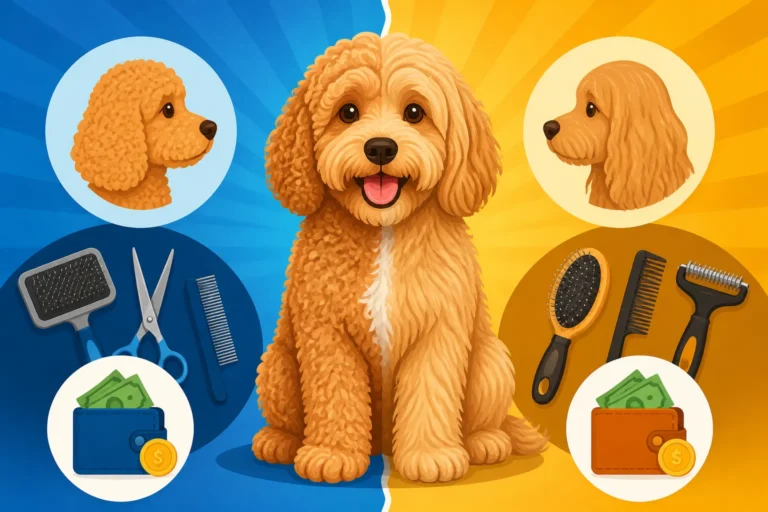
Trying to groom your flat-coated Cockapoo at home might seem like an obvious way to save money, but it comes with its own hidden costs and challenges. First, you'll need to invest in quality equipment. This includes:
- Brushes and Combs: A slicker brush and a metal comb are essential for even a flat coat. You might also need a deshedding tool.
- Shampoo and Conditioner: Dog-specific, high-quality products are a must to avoid skin irritation.
- Nail Clippers or Grinder: Keeping nails trimmed is crucial for your dog's comfort and joint health.
- Ear Cleaner: A gentle, veterinary-approved solution.
- Hair Trimmers/Clippers: Even for a flat coat, you'll want small trimmers for paw pads, sanitary areas, and maybe even a face tidy. The Kit Needed to Groom a Cockapoo at Home outlines many essentials.
Beyond the initial financial outlay for tools, there's the cost of your time. A full bath, brush-out, and trim can take several hours, especially when you're learning. And then there's the learning curve itself. Improper brushing can cause brush burn, poor nail trims can lead to bleeding, and attempting to trim sensitive areas can result in accidental nicks or cuts. These mistakes can be painful for your dog and lead to expensive vet visits. For example, a minor cut that gets infected could cost far more than a professional groom.
Table: DIY Grooming vs. Professional Grooming Considerations
| Feature | DIY Grooming | Professional Grooming |
|---|---|---|
| Initial Cost | High (for tools and supplies) | Low (just the service fee) |
| Ongoing Cost | Low (for consumables like shampoo) | Moderate to High (regular service fees) |
| Time Investment | High (your time for each session) | Low (your time to drop off/pick up) |
| Skill Required | Moderate to High (can learn, but takes practice) | None (rely on groomer's expertise) |
| Equipment Needed | Full set of grooming tools | None (groomer provides) |
| Risk of Injury | Moderate (to self or dog if inexperienced) | Low (professional handling and tools) |
| Quality of Result | Varies (depends on skill and effort) | High (consistent, expert results) |
| Stress Level | Can be high for both owner and dog | Generally lower for owner; varies for dog |
When Professional Grooming is Non-Negotiable
While you might handle basic brushing and occasional baths at home, there are times when professional grooming becomes less of a luxury and more of a necessity.
- Severe Matting: Even flat coats can develop mats, especially if they have a denser undercoat or if regular brushing is neglected. If you encounter a mat that you can't easily brush out, it's safer and more humane to take your dog to a professional. Attempting to cut out mats with scissors can be incredibly dangerous, as skin is often pulled into the mat. A groomer has specialized tools and techniques to remove mats safely, even if it means a short shave.
- Skin Issues: If your Cockapoo develops skin irritation, hot spots, or a persistent greasy or dry coat, a professional groomer can often identify the problem and use appropriate medicated or therapeutic shampoos. They might also notice underlying issues that warrant a vet visit. Sometimes, even regular cleaning of the outer ear can prevent infections, but if you notice discharge or a foul smell, a vet is needed.
- Anal Gland Expression: Many groomers offer this service, which can be uncomfortable for your dog if not done correctly. If your Cockapoo is "scooting" or seems uncomfortable, it might be time for their anal glands to be expressed. This is typically not something a novice owner should attempt.
- Specific Trims or Styles: Even flat-coated Cockapoos can benefit from professional shaping, especially around the face, ears, and tail, to maintain a neat appearance. A groomer can execute a clean "puppy cut" or a simple trim that enhances your dog's natural look without turning them into a shedding nightmare. If you're looking for a specific aesthetic, a pro is your best bet.
For peace of mind regarding more serious health issues that might manifest as skin problems or general discomfort, having pet insurance like Healthy Paws can be incredibly helpful. While it won't cover routine grooming, it can certainly assist with unexpected vet bills if a grooming-related mishap or an underlying health issue is discovered during a groom.
Strategies for Managing Grooming Costs
Managing the cost of grooming your flat-coated Cockapoo doesn't have to feel like a constant uphill battle. With a bit of planning and consistent effort, you can keep your dog looking and feeling great without breaking the bank.
Regular At-Home Maintenance
This is, hands down, the most effective way to keep your professional grooming bills down. The more you do at home, the less work your groomer has to do, and less work usually means less cost. For a flat-coated Cockapoo, this means:
- Daily Brushing: Even a quick 5-10 minute brush-out using a slicker brush and a metal comb can make a huge difference. Focus on areas prone to tangles: behind the ears, under the legs, and around the tail. This removes loose hair and prevents small tangles from escalating into painful mats. Remember, a flat coat can still shed a lot, and brushing helps manage this. Read Whether a Straight Coated Cockapoo Needs a Groomer for more insight.
- Regular Baths: Depending on your dog's activity level and coat type, a bath every 2-4 weeks using a quality dog shampoo can keep their coat clean and healthy. Ensure thorough rinsing and drying to prevent skin irritation.
- Nail Trims: Learn to trim your dog's nails yourself between professional grooms, or use a Dremel tool to keep them short. Long nails can cause discomfort and lead to orthopedic issues over time.
- Ear Cleaning: Check your Cockapoo's ears regularly and clean them with a vet-approved solution to prevent infections, especially since they have those adorable floppy ears that can trap moisture. Whether the Poodle Ear Canal Helps a Cockapoo offers more context on ear care.
By staying on top of these tasks, your groomer can focus on a tidy-up rather than extensive detangling or corrective work, significantly reducing the time (and cost) of each appointment.
Grooming Packages and Schedules
Many professional groomers offer loyalty programs, discounted packages for frequent visitors, or "maintenance" grooms that are cheaper than full styling sessions. Inquire about these options. Scheduling regular appointments, perhaps every 6-8 weeks, can often be more cost-effective than waiting until your dog is in dire need of a full overhaul. A well-maintained coat is quicker and easier for the groomer to work with.
Some groomers also offer "bath and brush" appointments between full grooms. For a flat-coated Cockapoo, this could be perfect: it keeps shedding under control, ensures nails and ears are done, and provides a professional brush-out without the higher cost of a full trim. It's a great way to bridge the gap and prevent issues from accumulating.
Pet Insurance Considerations
While pet insurance like Healthy Paws won't cover routine grooming costs, it becomes incredibly valuable if your Cockapoo develops a skin condition or an injury related to grooming. For instance, if a neglected mat leads to a skin infection requiring veterinary treatment, or if your dog develops an ear infection that needs medication, pet insurance can help cover those unexpected vet bills. This indirectly helps manage your overall pet care budget by mitigating the financial shock of health issues, allowing you to allocate funds to regular preventative care like grooming.
Choosing a good pet insurance plan means you don't have to choose between your dog's health and your wallet when problems arise. It's a smart investment in their long-term well-being and your peace of mind.
Budget-Friendly Supplies and Food
For day-to-day needs, buying your dog's essentials from online retailers like Chewy can often save you money compared to brick-and-mortar pet stores. This includes everything from brushes and combs to shampoos, ear cleaners, and even healthy treats. Buying in bulk for non-perishable items can also offer savings.
When it comes to feeding your Cockapoo, healthy nutrition is vital for a healthy coat and skin, which in turn can reduce grooming complications. Brands like Ollie offer fresh, human-grade dog food that can contribute to a lustrous coat and overall wellness. While the upfront cost might seem higher than traditional kibble, investing in good nutrition can potentially reduce future vet bills related to allergies or skin conditions, again, freeing up funds for necessary grooming. Ultimately, a holistic approach to your Cockapoo's care, combining good nutrition, consistent at-home grooming, and strategic professional visits, will be the most cost-effective and beneficial strategy in the long run.
Disclaimer
This article is for general informational purposes only and does not constitute professional advice. Laws, prices and regulations vary by location and change over time. Consult a qualified professional for guidance on your specific situation.