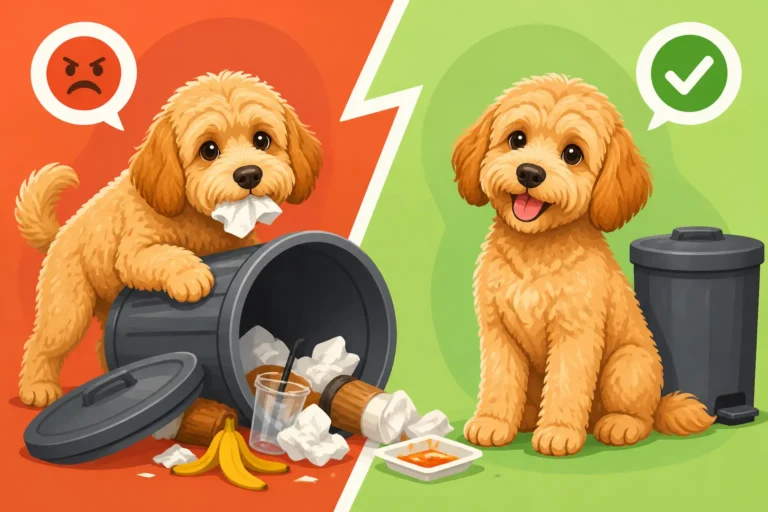
Whether Neutering Dulls a Cockapoo’s Drive
It's a common worry for any dog parent considering neutering: will my beloved Cockapoo change? Specifically, will that wonderful, bouncy, inquisitive drive that makes them so engaging be dulled? It’s a completely valid concern, as we all want our furry companions to remain themselves, just perhaps a little less prone to certain challenging behaviors. This guide will delve deep into what "drive" means for a Cockapoo and how neutering might actually affect it, or, more often, not affect it, in the ways you might expect.
Understanding Your Cockapoo's Natural Drives
Before we can even talk about whether neutering "dulls" a Cockapoo's drive, we need to truly understand what those drives are. Cockapoos are a wonderful blend, inheriting traits from both the Cocker Spaniel and the Poodle, and these ancestral influences shape their unique personalities and energy levels. It’s not just one single drive; it's a complex tapestry of instincts and learned behaviors.
The Cocker Spaniel Influence: Hunting and Flushing Drive
Ah, the Cocker Spaniel side! This is where a lot of that enthusiastic, nose-to-the-ground energy comes from. Cocker Spaniels were originally bred as gundogs, specifically to flush out game birds from dense cover for hunters. What does this mean for your Cockapoo?
First, they often have an incredibly strong scent drive. If you've ever taken your Cockapoo for a walk and watched them become utterly engrossed in a particular patch of grass, nose glued to the ground, you've seen this drive in action. They're not just sniffing; they're reading the newspaper of the neighborhood wildlife! This isn't just a casual sniff; it's a focused, almost meditative act for them, driven by generations of instinct. This natural inclination to explore the world through scent can be a source of joy for them, but also a challenge for owners trying to maintain a steady pace on a walk. You might find your Cockapoo pulling toward every interesting smell, their tail wagging furiously as they investigate. This is The Flushing Drive Still Alive in a Cockapoo, and it's a powerful part of their genetic makeup.
Second, that "flushing" instinct translates into a desire to "quarter" – moving back and forth in a zigzag pattern in front of their handler, systematically searching an area. In a field or park, you'll often see your Cockapoo doing this, weaving through the grass, hoping to discover something exciting. They're active, curious, and love to explore. This drive means they thrive on having a "job" to do, even if that job is simply investigating every rustle in the bushes during your daily stroll. It's a testament to their heritage as busy, working dogs who were always on the move, seeking out activity.
The Poodle Influence: Intelligence and Biddability
Then we have the Poodle side, which adds another fascinating layer to your Cockapoo's drive. Poodles, particularly Standard Poodles, were originally bred as water retrieving dogs, known for their exceptional intelligence, athleticism, and eagerness to please. This lineage contributes significantly to a Cockapoo's trainability and their capacity for complex learning.
Poodles are incredibly smart, and this intelligence translates into a Cockapoo's need for mental stimulation. They don't just need physical exercise; their clever brains need a workout too! They love problem-solving, learning new tricks, and engaging in activities that challenge them mentally. This biddability, or desire to please their human companions, makes them generally wonderful students in training. They often pick up commands quickly and enjoy the interaction and praise that come with learning. This intelligent drive can manifest as a deep connection with you, a desire to be involved in whatever you're doing, and a quick understanding of routines and expectations. When you consider Whether the Cocker or the Poodle Shows Up in Training, you'll often find a lovely balance of both, with the Poodle's biddability making the Cocker's drive more manageable.
Combining these two influences, you get a Cockapoo who is not only driven to explore and hunt with their nose but also intelligent enough to be easily trained and eager to please. They are active, curious, and enjoy being engaged in activities with their people. These are the core drives that define much of their charming personality.
Sexual Hormones and Behavior
Now, let's talk about the biological component: sexual hormones. These powerful chemical messengers play a significant role in many behaviors, especially in un-neutered males and females.
In male Cockapoos, testosterone is the primary driver behind behaviors like marking territory, which involves urinating in numerous small spots to signal their presence to other dogs. It also fuels the instinct to roam, a powerful urge to travel long distances in search of a mate if an intact female is nearby. Inter-male aggression, particularly when competing for a female or perceived status, is also strongly influenced by testosterone. Mounting behavior, whether directed at other dogs, objects, or even people, often has a hormonal component, signaling sexual interest or sometimes simply excitement and overstimulation. These are deeply ingrained biological urges, and they can be incredibly frustrating for owners to manage, as they often override training in the heat of the moment.
For female Cockapoos, estrogen and progesterone regulate their heat cycles. During these periods, they become receptive to males, which can lead to behavioral changes like increased restlessness, seeking out male dogs, or displaying signs of anxiety. They may also exhibit marking behavior, similar to males, or become more easily agitated. While female dogs don't typically roam as widely as males in search of a mate, their scent can attract intact males from a considerable distance, leading to its own set of challenges for owners trying to keep their female safe and calm during her cycle. These hormonal fluctuations can make a female Cockapoo quite different in temperament during certain times of the month, making consistent behavior harder to achieve.
It's crucial to understand that these hormone-driven behaviors are distinct from the inherent "drive" to play, explore, or learn. They are specific actions related to reproduction and territory, which is why neutering can have a noticeable impact on these particular behaviors.
Direct Behavioral Changes Expected from Neutering
When we talk about neutering "dulling" a Cockapoo's drive, it's often these hormone-driven behaviors that owners are thinking about, rather than their overall zest for life. The good news is that for many of these specific issues, neutering can indeed make a positive difference.
Reduction in Sex-Hormone Driven Behaviors
The most significant and predictable changes after neutering are typically seen in behaviors directly influenced by reproductive hormones. For male Cockapoos, this means:
- Decreased Roaming: The overwhelming urge to escape the yard or pull on the leash to find a mate significantly diminishes or disappears entirely. Without the hormonal imperative to seek out females, the drive to wander becomes much less potent. This isn't to say your Cockapoo won't still enjoy an adventurous sniffari, but the intensity of the "must-find-a-mate" drive is usually gone.
- Reduced Urine Marking: Many owners notice a considerable decrease in their male Cockapoo's tendency to constantly mark every vertical surface, both indoors and outdoors. While some dogs might continue to mark out of habit or social signaling, the incessant, hormone-fueled need for it often subsides. If you've been dealing with a Cockapoo who lifts his leg on every single tree, bush, and even fire hydrant, you'll likely see a welcome change. This reduction in territorial marking can make walks much more enjoyable and can prevent issues in multi-dog households. So, if you're wondering Whether a Neutered Male Cockapoo Stops Marking, the answer is often a significant reduction, if not a complete cessation, of the behavior rooted purely in hormones.
- Less Inter-Male Aggression: While aggression is complex and can have many causes, aggression specifically aimed at other intact males due to competition for females or perceived dominance often lessens post-neutering. This can make dog park visits or interactions with unfamiliar dogs much smoother. However, it's important to understand this doesn't guarantee your Cockapoo will be friendly with all other dogs, especially if they have pre-existing fear-based or territorial aggression.
- Decreased Mounting: The frequent mounting of objects, other dogs, or people often reduces. Again, this behavior can also be a sign of over-excitement or a learned habit, so while the hormonal driver is removed, some dogs might need further training to fully extinguish the behavior.
For female Cockapoos, spaying eliminates heat cycles, which means:
- No More Heat Cycles: This removes the messy and sometimes stressful periods of bleeding, restless behavior, and the constant attention from intact male dogs. Owners no longer have to worry about accidental pregnancies or managing their dog through a difficult few weeks every six months or so.
- Reduced Roaming/Seeking Behavior: While not as common as in males, some females in heat can attempt to escape to find a mate. Spaying eliminates this urge.
The timing of neutering can play a role here. Neutering a younger Cockapoo (before they've fully matured and established these behaviors) tends to have a more pronounced effect on preventing them from developing strong habits. If an older Cockapoo has been practicing these behaviors for years, they might be more deeply ingrained and require additional training alongside neutering.
Addressing Aggression and Dominance (and common misconceptions)
This is where things get a bit more nuanced. There's a widespread misconception that neutering is a magic bullet for all types of aggression or "dominance" issues. While it can certainly help with hormone-driven aggression (as mentioned above), it's far from a universal cure.
Aggression in dogs is incredibly complex. It can stem from fear, anxiety, resource guarding (protecting food, toys, or even their human), pain, poor socialization, or learned behaviors. For example, if your Cockapoo growls when someone approaches their food bowl, that's resource guarding, a behavior that is largely independent of sex hormones. Similarly, a Cockapoo who snaps at strangers out of fear is acting on an emotional response, not a hormonal one. Neutering is unlikely to significantly alter these underlying issues. In fact, for some fear-based aggression, especially in males, early neutering might even exacerbate it by removing hormones that can have a calming or confidence-boosting effect.
It's vital to differentiate between these types of aggression. If your Cockapoo is aggressive, a thorough evaluation by a professional dog trainer or veterinary behaviorist is crucial before deciding on neutering as a primary solution. They can help identify the root cause of the aggression and recommend a comprehensive management plan. While neutering might be part of that plan, especially if hormone-driven behaviors are a component, it's rarely the only solution. For more on this, consider resources about Whether Resource Guarding Runs in Cockapoo Lines – many behavioral tendencies are more about genetics and early experiences than hormones.
Ultimately, neutering addresses the biological drivers behind certain behaviors. It doesn't rewrite a dog's entire personality or erase learned behaviors. Training, socialization, and a consistent, predictable environment remain paramount in shaping a well-adjusted Cockapoo, regardless of their neuter status.
The Myth of "Dulling" Overall Drive
Now for the heart of the matter: does neutering actually make your Cockapoo less enthusiastic, less playful, or "dull" their inherent drive for life? In my experience, and based on what most experts say, the answer is generally no. The fear that your dog will become a lazy couch potato, losing their spark, is largely unfounded.
Drive vs. Impulse Control
It's important to distinguish between "drive" and "impulse control." Your Cockapoo's drive to chase a squirrel, engage in a game of fetch, or enthusiastically greet you at the door is largely intrinsic. It's tied to their breed heritage, their individual personality, and their energy levels. Neutering doesn't usually diminish this core enthusiasm.
What neutering can do, however, is improve impulse control, particularly regarding hormone-driven distractions. A Cockapoo male who previously would have dragged you across the park to sniff where a female in heat had been might, after neutering, still be very interested in that scent but be much more responsive to your recall or cues. His brain isn't as overwhelmed by the hormonal imperative, allowing him to focus better on you and the task at hand. This isn't dulling his drive; it's simply removing a powerful distraction that often competes with his drive to please you or engage in other activities. It means that energetic, clever mind can now be directed more effectively.
Think of it this way: a high-drive dog still has high drive, but without the intense hormonal pull, that drive can be channeled more constructively. They can still enjoy Scent Work That Satisfies a Cockapoo with immense enthusiasm, retrieve a ball until your arm aches, or bound through the woods. The motivation to do these things isn't gone; it's just less likely to be hijacked by reproductive urges. Many owners actually find that their neutered Cockapoo becomes more focused on them and therefore more engaged in training and play, rather than less.
Energy Levels and Playfulness
A Cockapoo's energy level and inherent playfulness are largely determined by genetics and their individual temperament, not whether they are neutered. You have a dog bred from two active, intelligent breeds! Poodles are known for their lively nature and athleticism, and Cocker Spaniels are perpetually cheerful and ready for action. This combination means Cockapoos typically have a robust need for both physical and mental activity.
Neutering doesn't typically turn an energetic Cockapoo into a lethargic one. They will still wake up ready for their morning walk, eager for playtime, and excited for new adventures. If your Cockapoo loves to zoom around the yard, play tug, or engage in long hikes, they are very likely to continue enjoying these activities post-neutering. The Miles a Cockapoo Wants Every Day isn't going to suddenly drop off a cliff because of a surgery. Any perceived decrease in energy is often more related to the natural aging process, changes in diet or exercise routine, or an underlying health issue, rather than the absence of sex hormones.
It's true that a neutered dog might be slightly less prone to bursts of hyperactive, hormone-fueled energy (like frantic pacing or incessant whining when a female in heat is nearby), but this isn't the same as losing their general spunk. Their capacity for joy, their playful antics, and their enthusiasm for interaction typically remain very much intact.
Maintaining Mental and Physical Stimulation
Regardless of whether your Cockapoo is neutered or intact, their need for regular mental and physical stimulation remains constant. This is a bright breed that thrives on engagement. Thinking that neutering will somehow make them "less work" in terms of providing enrichment is a misunderstanding. They still require:
- Consistent Exercise: Daily walks, runs, or active play sessions are crucial. A bored Cockapoo can quickly become a mischievous one! Whether it's a game of fetch in the park or a rigorous hike, their physical needs don't vanish.
- Mental Challenges: Engage their clever Poodle brain! Puzzle toys, training sessions, and even learning complex tricks are fantastic. Brands like Amazon offer a wide array of interactive toys and puzzle feeders that can keep their minds sharp and engaged. These are perfect for those rainy days or when you need a moment of quiet. For ongoing guidance and structured activities, online training programs like BAXTER & Bella provide a wealth of resources that can help you continue to challenge and bond with your Cockapoo, making sure their mental drive is always satisfied. They'll love learning new things and solving problems, which helps channel their energy positively.
- Social Interaction: Cockapoos generally love being with people and other friendly dogs. Regular playtime with other well-socialized dogs can be great for their mental and physical well-being.
- Structured Training: Continued training, even beyond basic obedience, keeps their minds active and strengthens your bond. They are often keen learners and enjoy the process. For a Cockapoo, this isn't just about obedience; it's about partnership and communication. They're smart, and they like to use that brain! Consider how much What a Cockapoo Asks of a First Time Owner includes consistent engagement.
In essence, neutering helps manage certain hormone-driven behaviors, potentially making your Cockapoo more receptive to training and direction, thus allowing their natural drives for play, exploration, and learning to shine even brighter without hormonal interference. You might even find it makes it easier to build Building a Recall a Cockapoo Answers since they're less distracted by overwhelming scents.
Nuances and Individual Differences
While there are general expectations regarding how neutering affects a Cockapoo, it's really important to remember that every dog is an individual. There are nuances, and several factors can influence the outcome.
Age at Neutering
The age at which a Cockapoo is neutered can significantly impact the behavioral changes observed.
- Early Neutering (before puberty): If a male Cockapoo is neutered before he reaches sexual maturity (typically around 6-12 months, though it varies by individual), he is less likely to develop strong hormone-driven behaviors like urine marking, roaming, and inter-male aggression. These behaviors might not ever become deeply ingrained. Similarly, for females, early spaying prevents them from ever experiencing a heat cycle. However, some studies suggest that early neutering in certain breeds might have implications for skeletal development or increase the risk of certain cancers, so it's a conversation to have with your veterinarian, weighing the pros and cons for your specific dog.
- Later Neutering (after puberty/maturity): If a Cockapoo is neutered after they have already started exhibiting hormone-driven behaviors (e.g., they're consistently marking territory or attempting to roam every time a door opens), neutering might reduce the intensity of these behaviors, but it might not eliminate them entirely. This is because some behaviors, once practiced repeatedly, can become habitual even after the hormonal trigger is removed. For instance, a male Cockapoo who has spent years meticulously marking every tree on a walk might still feel compelled to do so, though perhaps less frequently or intensely. In these cases, additional behavioral training becomes even more crucial to help reshape these learned habits.
There's a growing discussion about the "optimal" age for neutering, with many veterinarians and behaviorists advocating for later neutering, especially for larger breeds, to allow for full physical and hormonal development. This is a complex topic that varies by individual dog, breed (and mix!), and lifestyle, so a detailed discussion with your vet is paramount.
Temperament and Training History
A Cockapoo's innate temperament and their training history are arguably more influential than neutering status when it comes to their overall behavior and drive.
- Innate Temperament: Some Cockapoos are naturally more laid-back, while others are more energetic, driven, or even anxious. These core personality traits are present from puppyhood and aren't altered by neutering. A naturally shy Cockapoo will likely remain shy, and a naturally bold one will remain bold, regardless of their reproductive status. Similarly, a Cockapoo with a strong hunting drive will still want to chase squirrels and investigate scents, even if the hormonal push to roam for a mate is gone. If your Cockapoo loves to follow scents, they might still Whether a Cockapoo Zigzags on a Walk regardless of whether they are neutered.
- Training and Socialization: A well-socialized Cockapoo who has received consistent, positive reinforcement training from a young age is much more likely to be a well-behaved and manageable companion, whether intact or neutered. Training teaches them appropriate responses, builds impulse control, and strengthens the bond with their owner. A lack of training, on the other hand, can lead to behavioral issues that neutering alone cannot fix. For instance, if a Cockapoo has learned that barking and lunging gets them attention, they'll likely continue this behavior even if neutered, because it's a learned coping mechanism or attention-seeking strategy, not a hormonal one. Remember, Cockapoos are intelligent and generally Whether a Cockapoo Learns Faster Than a Cocker, making them excellent candidates for ongoing training.
Neutering shouldn't be seen as a substitute for good training or addressing underlying behavioral issues. Instead, it can be a valuable tool to support training by removing or reducing specific hormone-driven behaviors that might otherwise make training more challenging.
The Importance of a Holistic Approach
Ultimately, raising a well-adjusted, happy Cockapoo—one whose wonderful drives are channeled positively rather than causing problems—requires a holistic approach. Neutering is just one piece of a much larger puzzle.
- Balanced Diet: Proper nutrition fuels their body and mind. A dog on a poor diet might have low energy or skin issues that affect their mood and behavior.
- Adequate Exercise: As we've discussed, Cockapoos need daily physical activity to burn off energy and stay mentally stimulated.
- Consistent Training: This is non-negotiable. It provides structure, mental engagement, and strengthens the bond between you and your dog.
- Enrichment: Puzzle toys, sniff walks, interactive games, and opportunities for social play are vital for their mental well-being.
- Veterinary Care: Regular check-ups ensure any health issues that might affect behavior are caught and addressed early.
When you bring all these elements together, you're creating an environment where your Cockapoo can thrive, expressing their natural drives in a way that is joyful for them and manageable for you. Neutering can certainly remove some of the hormonal "noise" that can complicate behavior, making it easier for your Cockapoo to listen, learn, and be their best self. But the vibrant, curious, loving Cockapoo you adore will almost certainly remain just as wonderful, perhaps even more focused on you without those distracting hormonal urges.
Here's a quick overview of how neutering typically impacts certain behaviors:
| Behavior Type | Likelihood of Reduction Post-Neutering | Explanation |
|---|---|---|
| Roaming/Escaping | High (especially in males) | Driven by the strong instinct to find a mate; removal of sex hormones significantly reduces this urge. |
| Urine Marking (territorial) | High (especially in males) | Hormonal signals for territory are reduced. Some marking may persist as a learned habit but typically less frequent/intense. |
| Mounting | Moderate to High | Often hormonally influenced, but can also be a sign of over-excitement or learned behavior; reduction is common but not guaranteed. |
| Inter-Male Aggression | Moderate (if hormonally driven) | Aggression specifically related to competition for females or perceived male dominance often decreases. Does not typically impact fear-based or resource-guarding aggression. |
| General Playfulness | Low (no significant change) | A dog's inherent zest for play, fetch, and interaction is not typically tied to sex hormones and usually remains the same. |
| Energy Levels | Low (no significant change) | Cockapoos' high energy is largely genetic. While sudden hormonal bursts may decrease, overall activity and exercise needs remain consistent. |
| Trainability/Focus | Moderate to High (improvement) | With fewer hormonal distractions, a dog may become more focused on their owner and more receptive to training. |
Disclaimer
This article is for general informational purposes only and does not constitute professional advice. Laws, prices and regulations vary by location and change over time. Consult a qualified professional for guidance on your specific situation.