Whether a Cockapoo Hunts With Its Nose Down
It's a common sight for many Cockapoo owners: their adorable, curly-coated companion suddenly locks onto an invisible trail, nose glued to the ground, pulling with an intensity that can surprise you. This behavior often leads to the question, "Is my Cockapoo actually hunting with its nose down, or is it just being a dog?" This comprehensive guide will delve deep into the fascinating world of your Cockapoo's olfactory senses, exploring the inherited instincts that drive this nose-down behavior, what it means for their daily lives, and how you can manage and even channel this powerful drive for a happier, more enriched Cockapoo.
The Cockapoo's Inherited Scenting Instincts
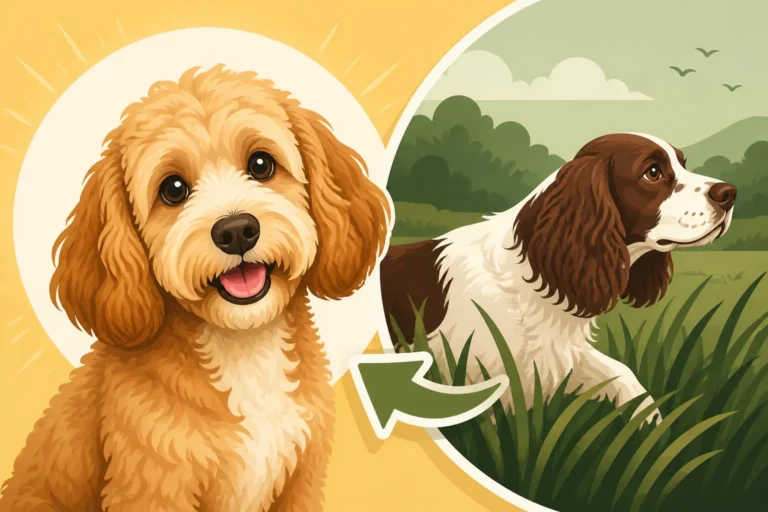
To truly understand why your Cockapoo spends so much time with its nose to the ground, we need to look back at their lineage. The Cockapoo is a hybrid of the Cocker Spaniel and the Poodle, and both breeds contribute significantly to their remarkable scenting abilities. It's not just a cute quirk; it's a deeply ingrained behavioral trait with a history of purpose.
A Legacy from the Cocker Spaniel
The Cocker Spaniel, whether American or English, was originally bred as a gundog. Their primary job was to "flush" game birds from dense cover – pushing them out into the open for hunters. This meant spending hours with their noses down, diligently quartering (zigzagging) through fields, bushes, and thickets to locate the hidden birds. Imagine a tiny, furry vacuum cleaner, meticulously sweeping every inch of ground for the faintest whiff of a pheasant or quail. That's the Cocker Spaniel in action.
This strong flushing drive is deeply embedded in their genetic makeup, and it's something that is very often passed down to their Cockapoo offspring. When you see your Cockapoo intently sniffing every blade of grass in a park, or diving head-first into a rose bush in your garden, they're not just being curious. They are, in essence, reenacting centuries of instinct. They're trying to find something, even if that "something" is just the lingering scent of a squirrel that passed by hours ago. This constant seeking, processing, and following of scent trails is incredibly rewarding for them. It engages their minds and bodies in a way that few other activities can. It’s part of The Flushing Job Behind a Cockapoo's Spaniel Half.
The Poodle's Often Underestimated Nose
While Cocker Spaniels are renowned for their scenting prowess, the Poodle's contribution is often overlooked, overshadowed by their reputation as elegant show dogs or hypoallergenic companions. However, Poodles, particularly the Standard Poodle, were originally bred as water retrievers. Their job involved plunging into cold water to retrieve shot waterfowl, often having to locate the bird in reeds or amongst dense vegetation, relying heavily on their sense of smell.
A Poodle's nose is incredibly sensitive and capable. They were expected to find and bring back game, even in challenging conditions, which required excellent tracking and discernment. This means that your Cockapoo isn't just getting a strong nose from one parent; they're inheriting a double dose of olfactory talent! The Poodle's intelligence also means they can be highly trainable in scent detection, often excelling in canine nose work and detection sports. When combined with the Cocker's inherent drive to quarter and flush, you get a dog that is not only driven to find scents but also possesses the intelligence to follow complex trails and engage in focused scent work. This potent combination makes the Cockapoo a formidable scent hound in miniature, even if their "prey" is just a dropped crumb or a neighbor's cat.
What "Nose Down" Behavior Means for Your Cockapoo
So, when your Cockapoo has its nose to the ground, what exactly are they doing? It's more than just a casual sniff; it's a complex sensory experience that fulfills deep-seated canine needs.
Scent Tracking as a Primary Information Source
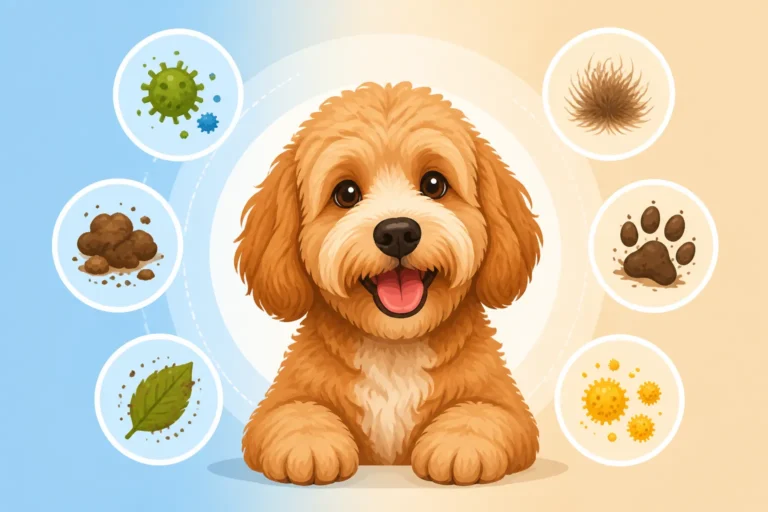
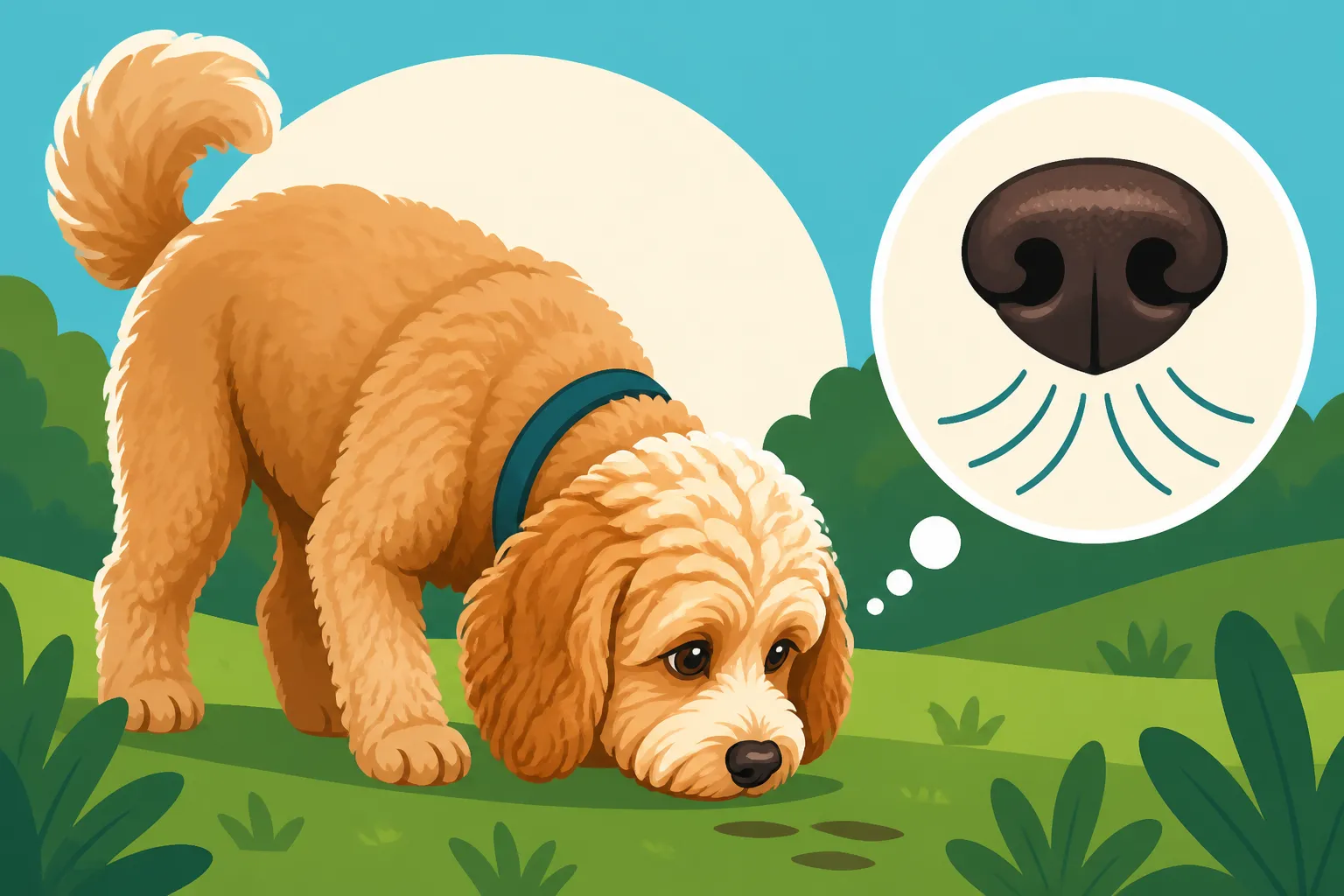
For dogs, smell isn't just one of five senses; it's arguably their most dominant and informative one. Imagine if your primary way of interacting with the world was through reading incredibly detailed olfactory messages. That's what your Cockapoo is doing. Every patch of grass, every tree trunk, every discarded leaf holds a wealth of information.
When your Cockapoo's nose is down, they are essentially "reading" the environment. They can distinguish individual dog scents, determine if a dog was male or female, whether they were in heat, if they were stressed or happy, and even how recently they passed through. It’s their equivalent of checking the local news, seeing who's been around, and what they've been up to. This constant intake of scent information is crucial for their mental well-being and understanding of their surroundings. Depriving them of this sniffing time can be as frustrating for a dog as being forced to walk through a library blindfolded would be for us. It’s how they process their world, and The Age a Cockapoo Starts Following Scent can vary, but the instinct is always there.
The Thrill of the Chase and "Prey Drive"
While much of the nose-down behavior is about gathering information, it can quickly shift into a more intense mode: actively tracking potential prey. Cockapoos, with their dual heritage of hunting dogs, often have a significant "prey drive." This isn't about aggression; it's the natural instinct to detect, stalk, chase, and capture smaller animals.
When your Cockapoo locks onto a specific, interesting scent – say, a rabbit that just darted through the bushes, or a squirrel that climbed a nearby tree – their entire demeanor can change. The casual sniff becomes focused, intense. Their body might stiffen, tail might rise and wag with a different kind of intensity, and their pace could quicken dramatically. This is when the "hunting" really begins for them, even if the "hunt" ends with them simply reaching the spot where the animal was. The satisfaction comes from the chase, the tracking, and the instinctual fulfillment.
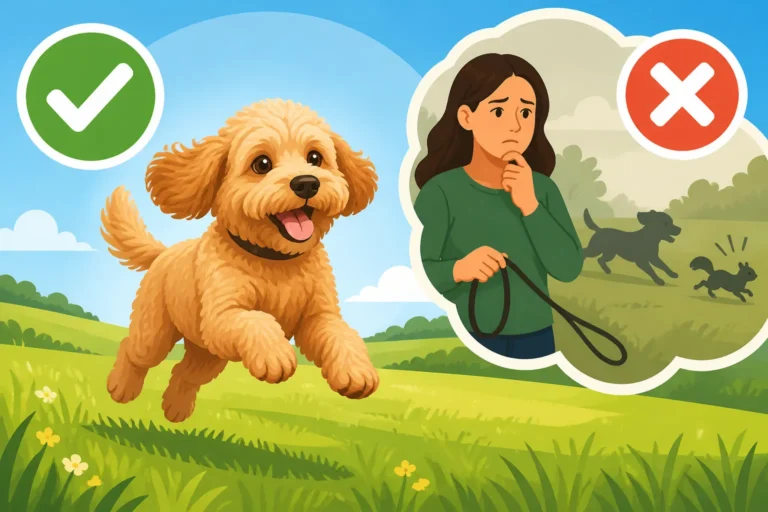
This can, of course, be frustrating and even dangerous for owners. One moment your Cockapoo is calmly walking beside you, the next they've become a furry rocket, pulling towards a scent, seemingly deaf to your calls. This is a classic example of Whether a Cockapoo Ignores You Once It Scents Something. Their natural instincts override their learned commands, making strong recall training absolutely essential for their safety, especially in areas where wildlife or traffic might be present.
Managing and Channeling Your Cockapoo's Scenting Drive
Understanding that your Cockapoo's nose-down behavior is instinctual is the first step. The next is learning how to manage and channel this powerful drive in ways that are safe, enriching, and ultimately strengthen your bond.
Harnessing the Nose for Enrichment and Training
Instead of fighting against your Cockapoo's natural inclination to sniff, embrace it! Their keen sense of smell is a superpower, and you can use it to provide incredible mental stimulation and enrichment. Scent work is one of the most rewarding activities you can do with your Cockapoo, tapping directly into their innate abilities.
Simple "find it" games can be played anywhere. Start by hiding a favorite treat or toy in plain sight, say, under a cushion, and give a "find it!" command. As they get better, make the hiding spots more challenging – under a blanket, behind a door, or even outdoors in the grass. Snuffle mats, readily available on platforms like Amazon, are fantastic tools for encouraging nose work indoors. They are essentially fabric mats with many nooks and crannies where you can hide kibble or small treats, forcing your dog to use their nose to forage. This mental effort is often more tiring and satisfying than a simple walk.
If you want to take it a step further, consider enrolling in a formal nose work or scent detection class. These classes teach dogs to find specific odors, much like detection dogs. It's an incredible way to bond with your Cockapoo, build their confidence, and give them a job that truly satisfies their instincts. Online training programs, like those offered by BAXTER & Bella, often include modules on engaging your dog's sense of smell through fun games and structured activities. This type of mental exercise is incredibly beneficial and directly addresses Scent Work That Satisfies a Cockapoo.
Training for Recall and Environmental Awareness
The biggest challenge with a scent-driven dog is often their recall when they're deep in the "scent zone." It feels like they've gone temporarily deaf, right? This is where consistent, high-value recall training becomes paramount. Your voice needs to compete with the irresistible allure of a fresh scent trail.
Start recall training in a low-distraction environment, using super high-value treats (think cooked chicken, cheese, or hot dogs – not just dry kibble!). Practice frequently, making coming back to you the most wonderful thing in the world. As they improve, gradually introduce more distractions. A long line (a 15 to 30-foot leash) is an invaluable tool for practicing recall in open, safe areas where your dog can explore a bit but you still have control. This allows them to indulge their sniffing without the risk of running off. How Long a Long Line a Cockapoo Needs can depend on your dog's size and the environment.
Teach a "look at me" or "check in" command to help break their focus when they're intensely sniffing. This teaches them that even when their nose is busy, they still need to engage with you periodically. Make it rewarding when they do, even if it's just for a split second before they go back to their "reading." This builds a reliable Building a Recall a Cockapoo Answers that can save their life. Many owners also find a whistle recall incredibly effective, as the sharp, consistent sound can cut through distractions better than a voice. Whether a Whistle Recall Beats a Voice on a Cockapoo is a common discussion among gundog owners, and it’s certainly worth exploring for your Cockapoo.
Recognizing and Respecting Boundaries
It’s important to distinguish between casual sniffing for information and the high-intensity tracking that signals a strong prey drive. Learn your Cockapoo's body language. Does their tail go rigid? Do their ears swivel forward? Do they become completely unresponsive to their name? These are clues that they're no longer just "reading the news" but actively engaging in a hunt.
Understand the environments where your dog is most likely to be overcome by scent. A field known for rabbits, a wooded trail frequented by deer, or a park with lots of bird activity are all places where the prey drive is likely to be heightened. In such areas, keeping your Cockapoo on a leash or a long line is not just a good idea, it's essential for their safety and the well-being of local wildlife. It’s also wise to consider Whether a Cockapoo Should Be Off Leash in Woods due to the prevalence of scents and potential for getting lost. By respecting these natural instincts and providing appropriate boundaries, you can ensure a safe and enjoyable outing for everyone.
Practical Tips for Walks and Outdoor Adventures
Making walks enjoyable for both you and your scent-driven Cockapoo means being prepared and thoughtful about your approach.
Equipment Choices for Scent-Driven Dogs
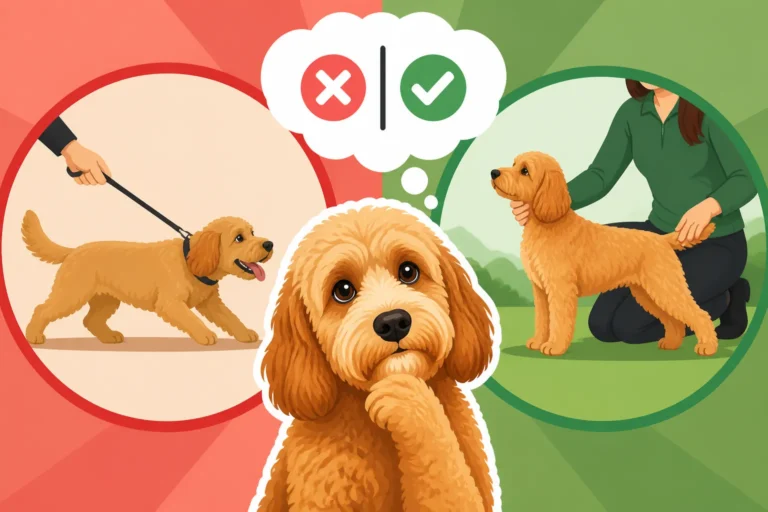
The right equipment can make a world of difference when walking a Cockapoo that loves to pull on a scent. A well-fitting harness, particularly one that clips at the front, can significantly reduce pulling compared to a collar. Front-clip harnesses redirect your dog's momentum back towards you when they pull, making it physically harder for them to drag you along. This means more control for you and less strain on your Cockapoo's neck.
As mentioned, a long line is incredibly useful. It gives your dog the freedom to explore scents at a greater distance while still keeping them safely tethered to you. Always make sure the area is secure and free of hazards before using a long line. Choose a material that’s comfortable to hold and easy to clean. For city walks where space is limited, a standard 6-foot leash is usually sufficient, but still remember that strong pulling can happen in short bursts. For dedicated off-leash areas or very secure parks, ensure your recall is rock-solid.
Varying Walk Routines and Environments
Just like we get bored of the same routine, so do our dogs! Varying your walk locations can provide an incredibly rich and diverse "scent buffet" for your Cockapoo. Different parks, nature trails, quiet residential streets, or even urban environments offer unique olfactory experiences. One day, focus on a "sniffari" where your Cockapoo leads with their nose, allowing them ample time to investigate interesting smells. The next, you might do a more structured, brisk walk, focusing on heel work and responsiveness.
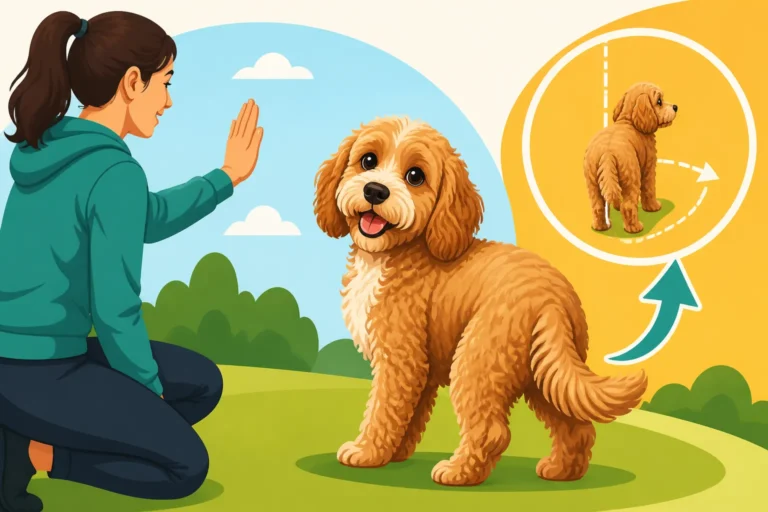
Mixing it up keeps things exciting and provides different types of mental and physical stimulation. A walk where your Cockapoo gets to thoroughly sniff around for twenty minutes can be far more mentally fatiguing than an hour-long, heel-only walk. Observing Whether a Cockapoo Zigzags on a Walk is a great way to understand their natural quartering behavior, and allowing some of this can be very fulfilling for them.
Incorporating Training into Sniffing Time
Don't think of sniffing as a separate activity from training; integrate them! While it’s important to allow your Cockapoo dedicated sniffing time, you can also weave in brief training moments. For example, when they find a particularly interesting patch of grass, ask for a "sit" or "down" before releasing them with a "go sniff!" command. This reinforces that listening to you can lead to even more rewarding scent experiences.
You can also use commands like "find it" to direct their sniffing towards specific areas or objects you want them to investigate, turning their natural drive into a cooperative game. This kind of interaction reinforces your leadership and helps them understand that their powerful nose can be used in partnership with you. Consider exploring Whether a Pet Cockapoo Can Do Bird Dog Training if you're interested in formalizing this instinct, even if you never intend to hunt.
When you're out and about, watch your Cockapoo's body language. If they're fixated on a scent that might lead them into danger, calmly interrupt with a cheerful tone, perhaps offer a high-value treat, and redirect their attention. The goal isn't to stop them from sniffing entirely, but to teach them that your voice is equally (or even more) rewarding, and that following your lead keeps them safe while still allowing for plenty of nose-down exploration.
Here's a quick overview of different types of "nose down" activities and what they mean for you as an owner:
| Activity Type | Description | Owner Implication |
|---|---|---|
| Casual Sniffing | Exploring general environmental scents, low intensity, gathering information. | Healthy mental enrichment, allows dog to "read" the world. Encourage and allow. |
| Scent Tracking | Following a specific, recent trail (e.g., another dog, small animal), moderate intensity. | Can lead to ignoring commands; requires good recall or secure leash control. Stay vigilant. |
| Flushing/Hunting Instinct | Actively searching for and attempting to "flush" hidden prey, high intensity, strong prey drive evident. | Necessitates secure leash/area. Strongest recall needed. May require redirection. |
| Directed Scent Work | Engaging in structured "find it" games or training for specific odors (e.g., in classes). | Excellent mental stimulation, builds bond, highly manageable and rewarding. |
Your Cockapoo's penchant for hunting with its nose down is a beautiful, natural expression of their heritage. It's a testament to the powerful instincts inherited from both the diligent Cocker Spaniel and the intelligent Poodle. By understanding these drives, providing appropriate outlets for their scenting abilities, and reinforcing consistent training, you can foster a happier, more fulfilled Cockapoo who gets to experience the world in all its rich, olfactory glory, safely by your side. Embrace the nose, and enjoy the adventure!
Disclaimer
This article is for general informational purposes only and does not constitute professional advice. Laws, prices and regulations vary by location and change over time. Consult a qualified professional for guidance on your specific situation.