Whether a Cockapoo Is Gentle With Toddlers
Bringing a new baby or a curious toddler into a home with a beloved Cockapoo can spark a lot of questions and sometimes, a little anxiety. Many families worry about how their playful, sometimes boisterous, dog will adjust to the unpredictable movements and loud noises that come with small children. This guide is here to walk you through understanding your Cockapoo's natural inclinations, preparing them for tiny humans, and ensuring a safe, happy environment for everyone involved.
Understanding the Cockapoo Temperament
Your Cockapoo is a wonderful blend of two distinct breeds: the Cocker Spaniel and the Poodle. This mix often results in an intelligent, affectionate, and energetic companion, but it also means they inherit a range of traits that can influence how they interact with the youngest members of your family. Understanding these foundational elements is key to fostering positive relationships.
The Cocker Spaniel Influence: Affectionate, Sometimes Sensitive
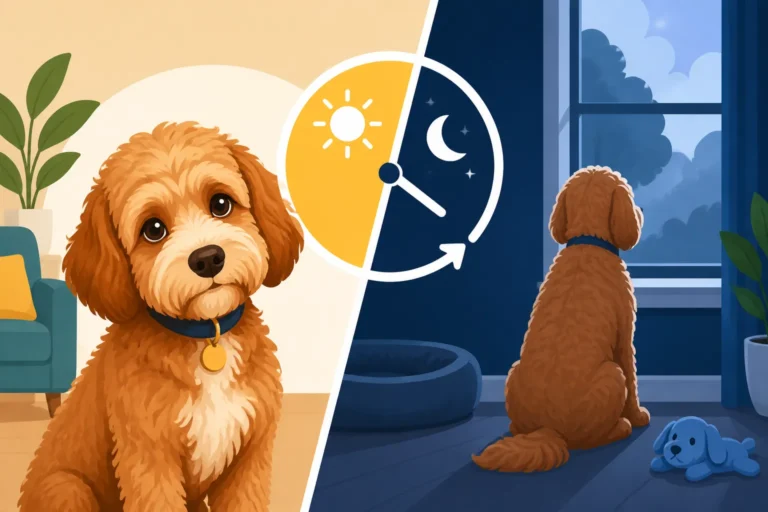
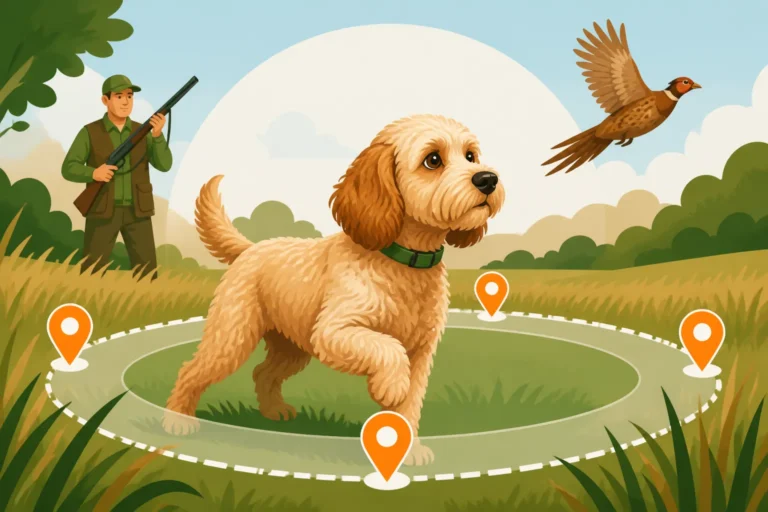
From the Cocker Spaniel side, Cockapoos often inherit a deeply affectionate nature. They love to be part of the family, thriving on companionship and often seeking out cuddles and attention. This can be a huge plus with toddlers, as a naturally loving dog is more likely to tolerate gentle pats and closeness. However, Cocker Spaniels can also be quite sensitive. This means that sudden loud noises, quick movements, or even unexpected rough handling from a toddler can startle or overwhelm them. A Cockapoo with a strong Cocker influence might be more prone to retreating or showing subtle signs of discomfort if they feel cornered or surprised. It’s not aggression, but rather a preference for a calm environment and gentle interactions. This sensitivity means you'll need to be extra vigilant in teaching both your child and your dog appropriate boundaries. You might also notice a strong desire to "flush" or chase small, fast-moving objects, a trait inherited from the hunting spaniel lineage, which can sometimes manifest as chasing a running toddler, not out of malice, but pure instinct. The Flushing Drive Still Alive in a Cockapoo is an excellent resource to understand this instinct better.
The Poodle's Contribution: Intelligence, Active, Sometimes Reserved
The Poodle half of your Cockapoo brings intelligence, a keen desire to please, and often a playful, energetic spirit. Poodles are known for their quick minds and trainability, which can be a huge advantage when teaching your Cockapoo how to behave around toddlers. They can learn commands like "leave it" or "go to your bed" quite readily, making management much easier. However, Poodles can also be prone to being a bit more reserved or particular about their space than the typical outgoing Cocker. They might not appreciate constant touching or being climbed on. Their energy levels can also be quite high; a bored or under-exercised Cockapoo might be more likely to engage in boisterous play that could accidentally knock over a small child. It's vital to channel this intelligence and energy into appropriate activities, ensuring they get plenty of mental and physical stimulation to prevent unwanted behaviors. Whether a Cockapoo Needs a Sport to Be Manageable delves into this need for activity.
Individual Variation: Beyond Breed Stereotypes
It's absolutely crucial to remember that every Cockapoo is an individual. While we can discuss general breed tendencies, your dog's specific personality will be a unique combination of their parents' traits, early socialization, and your training efforts. Some Cockapoos might be incredibly laid-back and patient, while others might be more excitable, sensitive, or prone to resource guarding. For instance, an F1 Cockapoo might show a more even blend of traits, whereas an F1b Cockapoo might lean more towards the Poodle side depending on the backcross. Whether a Cockapoo Litter Can Contain Every Coat Type is a good reminder of how varied a single litter can be, and this applies to temperament too. You need to observe your dog's specific reactions, body language, and preferences when it comes to children. Don't assume anything based purely on their breed mix; rather, evaluate their actual behavior and work from there. This individual assessment is the foundation of a successful dog-toddler relationship.
Key Traits Influencing Toddler Interactions
Understanding your Cockapoo's general temperament is the first step. Next, let's zero in on specific traits that commonly come into play when they interact with curious, often clumsy, toddlers. These traits, if not managed proactively, can lead to misunderstandings or undesirable situations.
Energy Levels and Play Drive: Managing Exuberance
Cockapoos are generally energetic dogs, and their zest for life is one of their most endearing qualities. However, this high energy and strong play drive can be a challenge when dealing with a wobbly toddler. A Cockapoo who loves to zoom around, leap, and pounce might accidentally bowl over a small child in their excitement. They might interpret a toddler's running and squealing as an invitation to a game of chase, which, while fun for the dog, can be terrifying or even dangerous for the child. It's essential to provide ample opportunities for your Cockapoo to burn off this energy in appropriate ways, such as long walks, fetch in the yard, or structured play sessions. The Miles a Cockapoo Wants Every Day highlights their need for exercise. A tired dog is generally a calm dog, less likely to get overly excited by the chaos a toddler can bring. Think about mental stimulation too; interactive toys or puzzle feeders can help satisfy their intelligent minds without requiring frantic physical exertion indoors.
Cockapoo Sensitivity: Reacting to Sudden Movements or Loud Noises
As mentioned, many Cockapoos inherit a degree of sensitivity, particularly from their Cocker Spaniel heritage. This means they can be easily startled by sudden, unpredictable toddler movements—like a child suddenly running towards them, flapping their arms, or dropping a toy with a loud clatter. High-pitched squeals or crying can also be distressing for some dogs. A sensitive Cockapoo might react by flinching, cowering, barking, or even nipping if they feel genuinely threatened and cannot escape. It's not about aggression in the typical sense, but rather a defensive reaction to feeling overwhelmed or scared. Teaching your toddler to be gentle and calm around the dog, and teaching your dog to tolerate these common toddler behaviors through desensitization exercises, is crucial. For instance, playing recordings of toddler noises softly at first, while giving your dog treats, can help them associate these sounds with positive experiences.
Mouthiness and Nipping Tendencies: Puppy Behaviors to Address Early
Puppies, regardless of breed, explore the world with their mouths. Nipping and mouthing are normal puppy behaviors, but they must be addressed early and consistently, especially if toddlers are or will be in the home. A Cockapoo puppy's playful nips, even if not meant to harm, can easily break a toddler's delicate skin or cause a fright. This behavior often stems from their Poodle intelligence combined with their spaniel playfulness, where their mouths are part of their interaction. If your Cockapoo displays significant mouthiness as a puppy, enroll in a positive reinforcement training class immediately. Programs like BAXTER & Bella offer excellent online resources for puppy training that emphasize gentle methods. Teaching a "soft mouth" and redirecting all nipping to appropriate chew toys is paramount. Even an older Cockapoo might mouth playfully when excited, so consistent boundaries are necessary throughout their lives, especially around young children.
Preparing Your Cockapoo for a Toddler's Arrival
Whether you're bringing home a newborn or adopting a Cockapoo into a home with existing toddlers, proactive preparation is vital. It’s not fair to expect your dog to simply adjust overnight; thoughtful steps can make the transition much smoother for everyone.
Early Socialization and Exposure: Gentle Introductions
The key to a well-adjusted Cockapoo around children is early, positive socialization. This means carefully exposing your puppy (or even an adult rescue) to a variety of sights, sounds, and experiences, including children of different ages, from a young age. However, quality of exposure trumps quantity. Don't just throw your dog into a loud, chaotic playdate. Instead, arrange controlled, supervised interactions where both the child and the dog are calm and respectful. For a puppy, this might mean allowing a calm, older child to gently pet them while you supervise closely, rewarding positive interactions with treats. For an adult Cockapoo, observe their reactions to children from a distance first, using treats to create positive associations. What a Cockapoo Puppy Should Learn First includes foundational socialization that will greatly benefit these interactions. Always ensure these interactions are positive and brief, never forcing the dog or the child into uncomfortable situations.
Obedience Training Reinforcement: Foundation Commands
A well-trained Cockapoo is a safer Cockapoo, especially when small children are present. Strong obedience commands provide you with crucial control in potentially challenging situations. Commands like "sit," "stay," "down," "leave it," and "go to your place" are invaluable. Imagine your toddler approaching a favorite toy your Cockapoo is guarding; a solid "leave it" or "go to your bed" command can prevent a negative interaction. Practicing these commands consistently, even when there isn't a child around, builds reliability. Consider enrolling in an online training program, like those offered by BAXTER & Bella, which provides structured lessons you can do at your own pace, focusing on real-world scenarios. The more reliable your Cockapoo's obedience, the more confidently you can manage their interactions with your toddler, creating a predictable and safe environment.
Desensitization to Toddler Sounds and Sights: Prepping for the Chaos
Toddlers are inherently unpredictable. They drop things, they make sudden loud noises, they run, they cry, and they grab. These are all things that can potentially startle or overwhelm a sensitive dog. Desensitizing your Cockapoo to these common toddler-isms before they become an issue is a smart move. Start by playing recordings of baby cries, toddler giggles, or the sounds of toys dropping at a low volume, gradually increasing it over time. Pair these sounds with high-value treats or favorite toys. You can also practice "controlled chaos" by having another adult mimic toddler movements (walking wobbly, flapping hands) from a distance, again rewarding your Cockapoo for remaining calm. Introduce baby gear, like strollers or playpens, into your home well in advance so your dog can get used to their presence. The goal is to make these typical toddler behaviors seem normal and non-threatening to your Cockapoo, rather than startling surprises.
Teaching Toddlers How to Interact with Dogs
It's not just about training your dog; it's equally important, if not more so, to teach your children how to behave appropriately around dogs. Toddlers, by nature, are explorers, and they don't always understand boundaries or consequences. Education and consistent guidance are key to their safety and your dog's comfort.
Gentle Hands and Soft Voices: Modeling Respectful Behavior
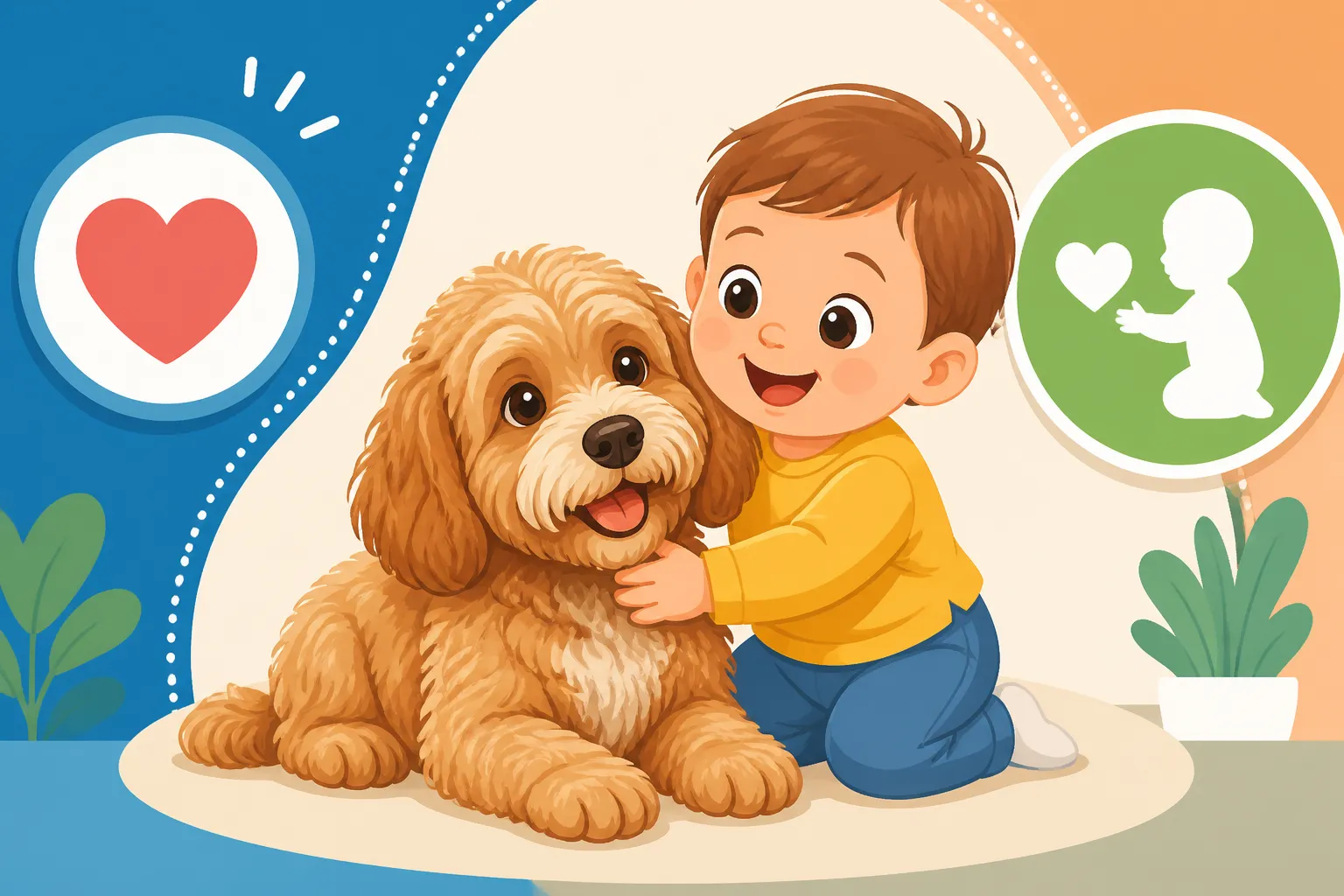
One of the most important lessons for a toddler is to use "gentle hands" and "soft voices" around the dog. From a very young age, demonstrate how to gently stroke the dog's back or side, avoiding sensitive areas like the face, tail, or ears. Use a calm, quiet tone when talking about and to the dog. Always supervise their interactions closely, guiding their hands and praising them when they are gentle. If a toddler gets too rough or loud, gently remove their hand or redirect their attention, explaining in simple terms, "Gentle hands for Fido. Fido likes soft pets." Repetition and consistency are paramount. Even if your Cockapoo is incredibly patient, it's about fostering respect and teaching your child safe habits that will serve them with all dogs they encounter in life. Teaching Children to Handle a Cockapoo offers more specific tips on this.
Recognizing Dog Body Language: Understanding Canine Signals
While toddlers are too young for complex lessons, you can start laying the groundwork for understanding dog body language. Point out when your Cockapoo looks happy and relaxed (wiggly tail, relaxed ears, open mouth pant). More importantly, teach them to recognize when the dog might be uncomfortable or needs space. This includes a dog turning their head away, licking their lips, yawning, showing the whites of their eyes (whale eye), or walking away. You can simplify it for a toddler: "Fido is telling us he needs a break. Let's give him some space." Never force a child to interact with a dog, and never force a dog to tolerate interaction if they are showing signs of discomfort. Tools like illustrated books for children about dog safety can be really helpful, making learning fun and engaging.
Establishing Boundaries: No Pulling, Poking, or Riding
Clear, consistent boundaries are non-negotiable for the safety of both child and dog. Toddlers, in their innocence, might try to pull a dog's tail, poke their eyes, or even try to "ride" the dog. These actions, even if unintended, can cause pain or fear, leading to a defensive reaction from the dog. Teach your child specific rules:
- "We don't pull Fido's tail."
- "We don't poke Fido's eyes."
- "We don't climb on Fido."
- "Always ask permission before petting Fido."
- "Let sleeping dogs lie."
Reinforce these rules every single time. Consistency is the only way these messages will sink in. Gates and playpens can be invaluable tools to physically enforce these boundaries when direct supervision isn't possible for a moment. Remind your child that the dog is a living creature with feelings, not a toy.
Supervision and Safe Spaces
Even with the best training and preparation, children and dogs should never be left unsupervised. This is a golden rule in any household with both. Accidents can happen in an instant, and it's our responsibility as adults to prevent them.
The Importance of Constant Adult Supervision: Never Leave Them Alone
I cannot stress this enough: never leave a Cockapoo and a toddler alone together, even for a second. This includes quick trips to the bathroom, answering the door, or stepping into another room. An innocent interaction can escalate rapidly if a child pulls an ear or steps on a paw, and the dog reacts instinctively. Even the most tolerant dog has a limit, and toddlers are notorious for being unpredictable and clumsy. Constant, active supervision means you are actively watching, listening, and ready to intervene at any moment. You should be close enough to physically separate them if necessary. Think of it like watching a child near a swimming pool – you wouldn't just glance over occasionally. Your full attention is required. This rule protects both your child and your beloved Cockapoo from potential harm or behavioral setbacks.
Creating a Doggy Retreat: A Sanctuary for Your Cockapoo
Every dog needs a safe, quiet space where they can retreat and be undisturbed. This "doggy retreat" is particularly vital in a home with toddlers. It could be a crate, a designated bed in a quiet room, or even a section of a room blocked off by a baby gate. The rule for this space is simple: when the dog is in their retreat, they are not to be bothered. Teach your toddler that this is the dog's private area, and they must respect it. This gives your Cockapoo an escape valve when they feel overwhelmed, tired, or just need a break from the constant attention of a small child. Ensure the retreat is comfortable, with a favorite bed, water, and perhaps a long-lasting chew toy sourced from somewhere like Amazon to keep them occupied and relaxed. Respecting this space reduces stress for your dog and, in turn, reduces the likelihood of them reacting negatively out of frustration.
Utilizing Physical Barriers: Gates and Playpens
Physical barriers are your best friends in a multi-species, multi-age household. Baby gates are incredibly effective for managing the environment and providing structure. You can use them to:
- Block off rooms where your Cockapoo can relax without toddler interruption.
- Create a separate play area for your toddler where the dog cannot access them.
- Separate the dog during meal times or when the toddler is particularly boisterous.
- Introduce them gradually by allowing them to see and smell each other through a gate before direct interaction.
A playpen can serve a similar purpose, creating a safe zone for the toddler or, if inverted, for the dog. These barriers aren't just for safety; they reduce stress for everyone by clearly defining boundaries and managing access. They allow you to safely manage the situation even when your attention is momentarily diverted, which, let's face it, happens often when you're a busy parent.
Addressing Common Challenges
Even with the best intentions and preparations, living with a Cockapoo and a toddler will inevitably present some challenges. Knowing how to identify and address these common issues calmly and consistently is key to a harmonious home.
Managing Over-Excitement and Jumping: Training Polite Greetings
Cockapoos are often incredibly enthusiastic, and their greetings can be rather bouncy. A Cockapoo jumping up to greet an adult might be annoying, but doing so to a toddler can be dangerous, potentially knocking them over and causing injury. This is a common challenge that requires consistent training. Teach your Cockapoo that all four paws must stay on the floor for them to receive attention. When they jump, immediately turn your back and ignore them. When they settle, even for a second, reward them profusely with praise and a small treat. Practice this with everyone who enters your home. You can also teach a "sit" or "down" stay for greetings. If your Cockapoo gets overly excited when your toddler runs by, immediately redirect their attention with a toy or a quick training exercise. Consistency is the magic word here.
Nipping, Mouthing, and Resource Guarding: Addressing Problematic Behaviors
Nipping and mouthing, as discussed earlier, are puppy behaviors that need to be extinguished. If your Cockapoo nips a toddler, even playfully, a firm "no," withdrawing attention immediately, and redirecting them to an appropriate chew toy is necessary. If the nipping is more persistent or aggressive, it needs immediate professional intervention.
Resource guarding is another significant concern. This is when a dog becomes defensive over their food, toys, sleeping area, or even a favorite person. A Cockapoo might growl, snap, or even bite if a toddler approaches something they deem "theirs." To prevent this, never allow a toddler to approach your Cockapoo's food bowl or toys, especially high-value ones. Teach your Cockapoo a strong "leave it" command and trade high-value items for even higher-value treats if you need to take something away. Always feed your Cockapoo in a quiet, undisturbed area. If you suspect your Cockapoo is resource guarding, seek advice from a certified professional dog trainer immediately. Whether Resource Guarding Runs in Cockapoo Lines discusses this behavior in more depth.
When to Seek Professional Help: Recognizing the Need for Expert Guidance
Sometimes, despite your best efforts, you might encounter behaviors that feel beyond your control or expertise. This is absolutely nothing to be ashamed of; in fact, recognizing when you need help is a sign of a responsible pet owner. If your Cockapoo exhibits any concerning behaviors towards your toddler—such as consistent growling, snapping, baring teeth, excessive fear, or actual biting—it is imperative to seek professional help from a certified professional dog trainer or a veterinary behaviorist. These experts can assess the situation, identify the root cause of the behavior, and develop a safe, effective plan for management and modification. They can also help differentiate between normal canine communication and potentially dangerous behaviors. Never try to "fix" aggression or deep-seated fear on your own, especially when children are involved. Your family's safety is paramount.
Cockapoo and Toddler Compatibility At a Glance
Here's a quick overview of potential interactions and how to guide them for a safer, happier home.
| Cockapoo Trait | Potential Toddler Interaction | Management Strategy |
|---|---|---|
| High Energy | Accidental knocking over, initiating rough play | Ensure ample daily exercise. The Miles a Cockapoo Wants Every Day. Use gates to separate during high-energy toddler play. Teach "settle" commands. |
| Sensitivity | Startled by sudden movements/noises, fear reaction | Desensitize to toddler sounds. Teach toddlers "gentle hands" and "soft voices." Create a designated safe retreat for the dog. |
| Affectionate Nature | Seeking cuddles, enjoying gentle attention | Encourage calm, supervised interactions. Reward gentle pets. Teach children to respect dog's boundaries (no forced hugs). |
| Playful Mouthiness | Nipping, mouthing hands/clothing | Consistent redirection to chew toys. Immediate "no" and withdraw attention if nipping occurs. Train "leave it" command. |
| Resource Guarding | Defensiveness over food/toys/space | Feed in a quiet, separate area. Never allow toddlers near dog's food or high-value items. Teach "trade" command. Seek professional help if severe. |
| Desire to Chase | Chasing running toddlers, instinctive flushing | Strong recall training Building a Recall a Cockapoo Answers. Redirect attention to appropriate toys/games. Use long lines in open areas. Teach "leave it" for fast-moving objects. |
| Intelligence | Quick to learn, can be manipulative | Consistent, positive reinforcement training. Ensure mental stimulation. Set clear rules and boundaries for both dog and child. Consider online training programs like BAXTER & Bella. |
Navigating the world of Cockapoos and toddlers doesn't have to be overwhelming. With patience, consistent training, clear boundaries, and unwavering supervision, you can absolutely create a loving and safe environment where your Cockapoo and your tiny human can coexist happily, growing up to be the best of friends. Remember, it's a journey, and every small step you take to educate both dog and child builds a stronger, safer bond.
Disclaimer
This article is for general informational purposes only and does not constitute professional advice. Laws, prices and regulations vary by location and change over time. Consult a qualified professional for guidance on your specific situation.