Whether a Cockapoo Can Earn a Scent Work Title
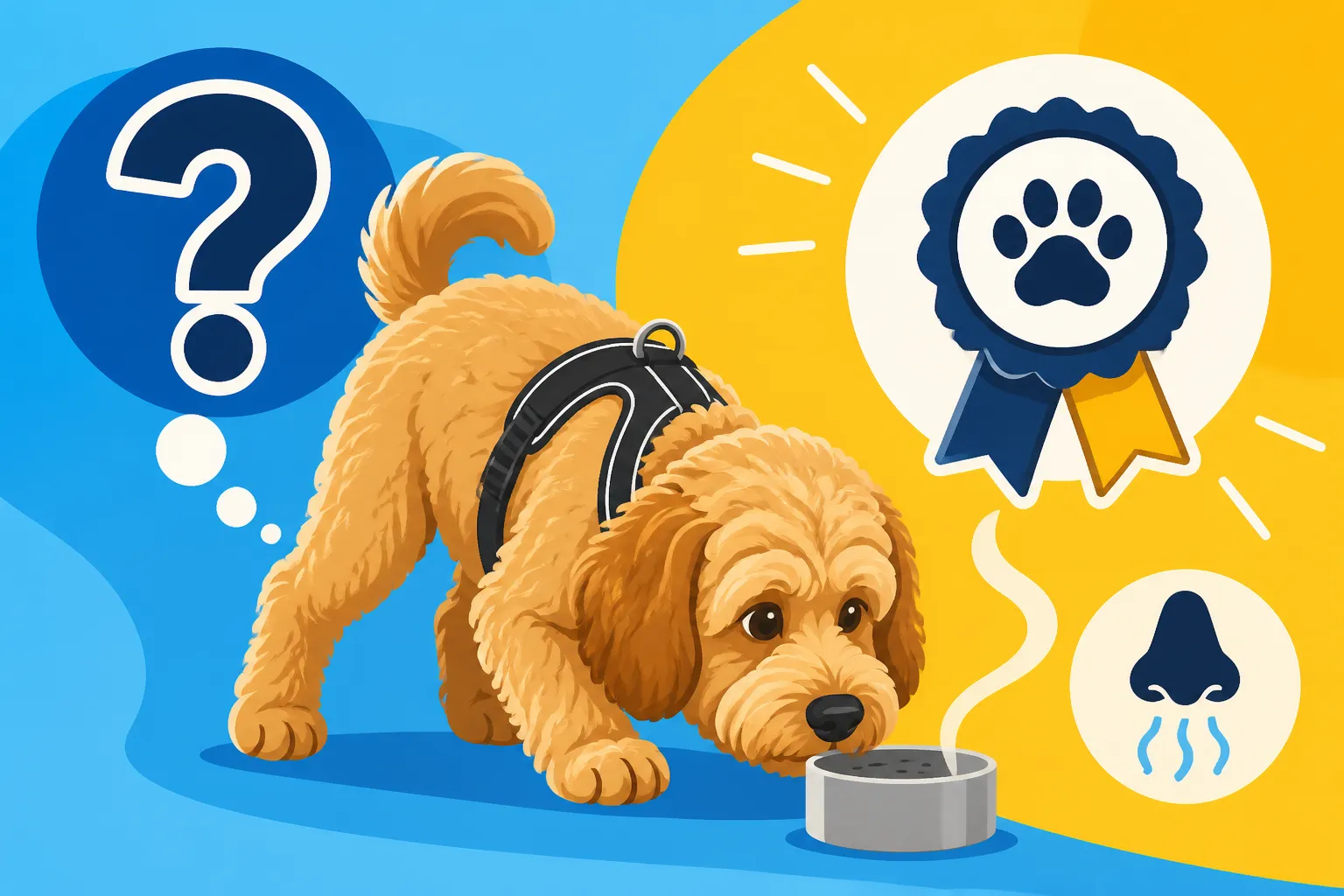
It’s completely understandable if you’ve found yourself looking at your playful, sometimes distracted Cockapoo and wondering if they have the focused drive it takes to not just enjoy, but actually excel in a structured activity like scent work. Many owners assume that because their pup loves chasing squirrels or greeting every person they meet, their nose isn’t fine-tuned enough for serious detection. But the truth is, the Cockapoo, with its unique blend of heritage, often possesses an incredible natural talent for scent detection, and with the right guidance, they absolutely can earn impressive scent work titles. This guide will help you understand your Cockapoo's innate abilities and how to harness them for success in nose work.
Understanding the Cockapoo's Scenting Potential
When we talk about scent work, we're really tapping into a dog's most powerful sense – their nose. For a Cockapoo, that nose is a wonderful blend of two highly capable hunting and working breeds, each contributing distinct traits that make them surprisingly adept at sniffing out specific odors. It’s not just about sniffing around the backyard; it's about focused, deliberate detection, and your Cockapoo probably has more of that potential than you realize.
The Cocker Spaniel's Nose for the Job
Let's start with the Cocker Spaniel side of your Cockapoo. Both American and English Cocker Spaniels were originally bred for hunting, specifically to "flush" game birds from dense cover. This job isn't just about running around; it requires an incredible amount of focused scenting. A Cocker Spaniel needs to follow faint trails, distinguish between different animal scents, and work diligently through various terrains, ignoring distractions, to find their quarry. This ingrained drive to track and locate scents is a massive asset in scent work. They are built for persistence, and that includes persistence with their nose to the ground.
Think about watching your Cockapoo on a walk. Do they often stick their nose into every bush, sniffing vigorously, sometimes pulling you along on an invisible trail? That’s their Cocker heritage shining through. This is not just random sniffing; it's an information-gathering mission. They're reading the "newspaper" of the world, and that deep engagement with scent is the foundation for formal nose work. They have a natural inclination to use their nose to solve problems and locate things, which is precisely what scent work demands.
The Poodle's Intelligence and Drive
Now, let's consider the Poodle influence. Poodles, especially Standard Poodles, were originally water retrievers, trained to fetch downed fowl for hunters. This role required not only intelligence and trainability but also a strong desire to work collaboratively with a human. They needed to be focused on a task, even in distracting environments, and eager to please their handler. Miniature and Toy Poodles retain much of this working drive, scaled down for different purposes, but the core intelligence and desire to learn remain.
The Poodle brings a layer of sophisticated problem-solving to the Cockapoo's scenting game. They are quick learners and highly adaptable, which means they can grasp complex scent patterns, understand new search parameters quickly, and generalize their learning to different environments. This cognitive ability allows them to move beyond simple "find the treat" games to more nuanced detection tasks, like distinguishing a specific target odor from many other distracting smells. Their biddability and eagerness to engage with you in a structured activity, a trait often prominent in Poodles, makes training a joy and accelerates their progress toward earning titles.
How the Mix Influences Scenting Ability
The beautiful thing about the Cockapoo is how these two powerful genetic streams merge. You get the keen, persistent nose and inherent searching drive of the Cocker Spaniel, combined with the sharp intelligence, focus, and trainability of the Poodle. This often results in a dog that is not only naturally inclined to use its nose but is also highly receptive to learning the rules and structures of formal scent work. Many Cockapoos also inherit the Poodle's energy and desire for mental engagement, which scent work provides in spades. What a Cockapoo Inherits From Each Parent truly gives them a fantastic head start in this discipline.
What you might find is a Cockapoo who, while perhaps a bit more "chatty" or enthusiastic than a purebred working detection dog, channels that energy into intense focus once they understand the game. They might start a search with a playful bounce, but once their nose locks onto the scent, their demeanor often shifts to one of deep concentration. This blend makes them wonderfully versatile scent work partners, capable of high drive and impressive accuracy, proving that they are certainly not just "pretty faces" when it comes to serious nose work.
The Benefits of Scent Work for Your Cockapoo
Beyond the thrill of potentially earning a title, engaging your Cockapoo in scent work offers a wealth of benefits for their overall well-being. It’s more than just a fun hobby; it’s a powerful tool for enrichment, confidence building, and strengthening that special bond you share. Many Cockapoo owners find that these activities help channel their dog's boundless energy and intelligence in incredibly positive ways, preventing boredom and its often-unwanted side effects.
Mental Stimulation and Enrichment
Cockapoos are smart cookies, and like all intelligent dogs, they thrive on mental challenges. A bored Cockapoo can quickly become a destructive Cockapoo, or one that develops nuisance behaviors like excessive barking or digging. Scent work provides unparalleled mental stimulation. It forces them to think, problem-solve, and use their brain in conjunction with their most powerful sense. Rather than just physically exhausting them, it offers a deep mental workout that can leave them happily tired and content.
Imagine a rainy day when a long walk isn't possible, or your Cockapoo is recovering from a minor injury and needs less physical exertion. Scent work can be done almost anywhere – indoors, in a small yard, or even in a single room. It's a fantastic way to provide rich, engaging activity without requiring a huge amount of space or high-impact exercise. This mental enrichment helps satisfy their natural instincts, making them calmer and more fulfilled companions overall. It’s truly a way to engage The Flushing Drive Still Alive in a Cockapoo in a constructive, cooperative manner.
Building Confidence and Focus
For some Cockapoos, especially those who might be a little shy or uncertain in new environments, scent work can be a remarkable confidence builder. When a dog discovers an odor and makes a successful "alert," they experience a huge sense of accomplishment. This positive reinforcement, repeatedly, helps them feel competent and capable. They learn to trust their own instincts and abilities, which can translate into greater confidence in other aspects of their lives. A dog that feels good about its successes is often a happier, more well-adjusted dog.
Furthermore, scent work demands incredible focus. In a world full of visual and auditory distractions, teaching a Cockapoo to tune into a specific scent and ignore everything else is a monumental achievement. This heightened focus isn't just for the search itself; it often generalizes, improving their attention and responsiveness in other training contexts. You might find your Cockapoo becomes more attentive to you during walks or more settled when guests arrive, simply because their brain has been trained to concentrate on a task. Whether a Cockapoo Needs a Sport to Be Manageable often finds its answer in activities like scent work.
Strengthening Your Bond
Perhaps one of the most rewarding aspects of scent work is the profound way it deepens the bond between you and your Cockapoo. Scent work is a team sport. Your dog relies on you to set up the search, offer encouragement, and provide that valuable reward when they succeed. You learn to "read" your dog, understanding their subtle body language cues as they work a scent, like a slight head turn, a change in breathing, or a tail wagging faster near the source. This silent communication creates an incredible partnership.
You become more attuned to their natural abilities, and they learn to trust your guidance and celebrate successes with you. There's a unique joy in watching your Cockapoo independently work a puzzle and then turn to you, brimming with pride, for their reward. This shared activity, where you are both fully engaged in a common goal, fosters a deep sense of connection and mutual respect. It’s a fantastic way to spend quality time together, building memories and strengthening the foundation of your relationship.
Getting Started with Scent Work Training
Embarking on the scent work journey with your Cockapoo is an exciting adventure! It doesn't require a lot of fancy equipment or a special training facility to begin. The beauty of scent work is its accessibility, and you can start right in your own home with everyday items. The key is to make it fun, positive, and build success from the very first session.
Essential Gear and Setting Up Your Space
You might be surprised at how little you actually need to get started. For the absolute beginner, here’s a basic list:
- High-Value Treats: Small, soft, smelly treats are perfect. Think tiny pieces of cheese, hot dogs, cooked chicken, or store-bought soft training treats. These are the rewards that motivate your Cockapoo.
- Containers for Hides: Empty plastic containers with lids (like Tupperware, small food storage containers), clean medicine bottles, or even small cardboard boxes work wonderfully. The idea is to have something to hide the target scent in.
- Target Odor: While you can start with just treats, for formal scent work, you’ll eventually need a specific "target odor." Birch, Anise, and Clove are common essential oils used in trials. You can purchase starter kits online, often on platforms like Amazon, which include a small amount of the essential oil and cotton swabs. Just make sure it’s pure essential oil, not a diluted fragrance.
- Leash (Optional): A regular leash might be useful for managing your Cockapoo in a new search area, especially if they are easily distracted, but often scent work is done off-leash in safe, enclosed spaces.
- Designated Training Area: Start in a quiet, familiar room in your home, free from distractions. As your Cockapoo progresses, you can move to different rooms, then outdoors.
Setting up your space is simple. For initial training, just clear a small area, maybe a corner of your living room. You'll be placing your scent "hides" in this area. Make sure there are no other strong smells or appealing items that could distract your dog. The focus should be entirely on the target odor and the reward. For more detailed instructions on creating a learning environment, you might find Setting Up Scent Boxes for a Cockapoo at Home helpful.
Introducing the Target Odor
The first step is to teach your Cockapoo what the "target odor" is and that finding it leads to a fantastic reward. Don't worry about official essential oils just yet; start with food! This is often called a "food paired" approach.
- Scent Containers: Take several identical containers (e.g., small plastic boxes). Place a high-value treat in one container. Leave the others empty.
- The "Game": Line up 3-4 containers on the floor in your quiet training space. Let your Cockapoo watch you place the treat in one. Then, give them a cue like "Find it!" or "Search!" and encourage them to sniff the containers.
- The Reward: The moment your Cockapoo sniffs, paws at, or shows any interest in the container with the treat, immediately praise them excitedly and let them eat the treat directly from the container. Repeat this several times, moving the treat to different containers each time.
- Introducing the Odor (later stage): Once your Cockapoo reliably understands "find the treat," you'll introduce the essential oil. Take a cotton swab, put a drop of the target essential oil (like birch) on it, and place it in the container with the treat. Over time, you'll gradually phase out the treat, so the dog is searching only for the odor, knowing the treat will come from you afterward.
It's crucial to ensure every find is a success in the beginning. Don't make it too hard. Build their enthusiasm!
Making Training Fun and Rewarding
For your Cockapoo to really embrace scent work and want to earn those titles, it has to be incredibly fun and rewarding. Here are some tips to keep their motivation high:
- Keep Sessions Short and Sweet: Especially in the beginning, limit training sessions to 3-5 minutes, twice a day perhaps. End on a high note, leaving your Cockapoo wanting more.
- High-Value Rewards: Use only the most delicious, irresistible treats for scent work. This isn't the time for dry kibble! The better the reward, the higher their motivation. Whether a Cockapoo Works Harder for Scent Than Food highlights the importance of this.
- Enthusiastic Praise: When your Cockapoo finds the odor, celebrate like they've just won the lottery! Your excitement is contagious and reinforces their success.
- Vary the Difficulty: Start easy, then gradually make searches a little more challenging. Hide the odor in different locations, slightly higher up, or under light cover. Don't make it so hard they get frustrated.
- Be a Team Player: Remember, you're observing and supporting, not directing every sniff. Let your Cockapoo work independently, trusting their nose. Learn to read their cues – a subtle pause, a deeper inhale, a focused stare – these are their ways of telling you they’ve found it.
- No Corrections: Scent work is a "yes" game. There are no corrections for being wrong, only rewards for being right. If they miss a hide, simply guide them back to the search area or make the next hide easier. This positive approach keeps the game enjoyable and prevents stress.
By focusing on positivity and making the experience intrinsically rewarding, your Cockapoo will associate scent work with immense fun, paving the way for consistent progress and ultimately, those coveted titles.
Types of Scent Work and Trial Organizations
Once your Cockapoo is happily finding target odors in various environments, you might start thinking about the bigger world of formal scent work and titles. There are several popular disciplines, each with its own style and structure, typically offered by different organizations.
Exploring Different Scent Work Disciplines
While the core concept is always about dogs finding a specific scent, the "game" can vary.
- Container Searches: This is often where dogs start, and it’s a great foundation. The target odor is hidden within one of several identical containers (like boxes or luggage) arranged in a search area. The dog must identify the correct container.
- Interior Searches: Here, the dog searches a designated indoor space (like a room or office) for the hidden target odor. Hides can be anywhere within the human-accessible area – on furniture, under objects, or on walls. This tests a dog's ability to discriminate odors in a complex environment.
- Exterior Searches: This takes the search outdoors, in an open or semi-open area. Hides might be on benches, bushes, fences, or other outdoor structures. Environmental factors like wind, temperature, and ground cover become significant challenges.
- Vehicle Searches: As the name suggests, the dog searches the exterior of vehicles (cars, trucks, trailers) for the hidden odor. This can be particularly challenging due to temperature variations on metal surfaces and vehicle movement.
- Buried Searches: In some disciplines, the odor might be buried a few inches under the ground, often in a designated sandbox or specific area. This adds another layer of difficulty, requiring the dog to indicate accurately at the specific spot.
Each discipline requires your Cockapoo to adapt their searching strategy and your observation skills to read their indications. What a Scent Games a Cockapoo Never Tires Of!
Major Organizations Offering Scent Work Titles
Several prominent organizations offer formal scent work trials and titles. The rules and specific odors used might vary slightly, but the underlying goal is consistent: for dogs to accurately locate a target odor.
| Organization | Primary Target Odors | Search Disciplines | Trial Structure | Notes |
|---|---|---|---|---|
| National Association of Canine Scent Work (NACSW) | Birch, Anise, Clove, Cypress (advanced) | Container, Interior, Exterior, Vehicle, Buried | Odor Recognition Test (ORT) required to start; successive levels of titles. | Pioneering organization, emphasizes dog's natural abilities, very supportive community. |
| American Kennel Club (AKC) Scent Work | Birch, Anise, Clove, Cypress (advanced) | Container, Interior, Exterior, Vehicle | No ORT required; titles in Novice, Advanced, Excellent, Master levels. | Accessible, popular, allows mixed breeds to compete. |
| United Kennel Club (UKC) Nosework | Birch, Anise, Clove (usually) | Container, Interior, Exterior, Vehicle | Similar levels; may include different search styles or elements. | Often more focused on "real-world" scenarios, welcoming to all breeds. |
| Performance Scent Dogs (PSD) | Birch, Anise, Clove | Container, Interior, Exterior, Vehicle | Different titling paths; some focus on specific handler/dog partnerships. | Emphasizes the dog-handler team, unique "elements" in searches. |
Each organization has its own website with detailed rules, eligible breeds (yes, mixed breeds like Cockapoos are usually welcome!), and a calendar of upcoming trials. It's worth exploring their sites to see which philosophy and trial structure best align with your goals and your Cockapoo's personality.
Understanding Trial Levels and Requirements
Regardless of the organization, scent work trials are typically structured in progressive levels, starting with novice or beginner and moving up to advanced or master levels. Each level increases in difficulty by:
- Number of Hides: A novice search might have one hidden odor, while a master search could have multiple.
- Complexity of Hides: Hides become more challenging to find – placed higher, in less accessible spots, or in more complex environments.
- Size of Search Area: Search areas get larger and more diverse.
- Number of Distractions: More distracting odors or objects might be present.
- Time Limits: While often generous, higher levels might have tighter time limits.
To earn a title at a particular level (e.g., Novice Container), your Cockapoo usually needs to successfully find all designated hides within the time limit in a certain number of trials (often three) under different judges. You'll register for trials, present your Cockapoo for their search, and demonstrate their ability to locate the odor. The judge observes your dog's "indication" – how they show they've found the scent (e.g., freezing, pawing, staring) – and confirms the find.
It's a journey, not a sprint! Many Cockapoo owners find the process of learning and progressing through the levels incredibly rewarding, even before they start collecting ribbons and titles. The focus is always on the dog's success and enjoyment, making it a positive experience for both of you.
Overcoming Common Challenges in Scent Work
While Cockapoos have incredible potential for scent work, every dog-handler team will inevitably encounter a few bumps in the road. It's completely normal to face challenges, whether it's managing your Cockapoo's boundless enthusiasm or dealing with tricky distractions. The key is to understand these potential hurdles and have strategies in place to navigate them.
Managing Excitement and Frustration
Cockapoos are generally enthusiastic dogs, which is fantastic for motivation, but can sometimes lead to over-excitement or frustration if things don't go their way immediately.
- Over-excitement: A Cockapoo who is too excited might miss subtle scent changes, barge past hides, or become less focused. They might start barking excessively or spinning.
- Solution: Practice calming rituals before searches. Take a short walk, do a few basic obedience cues to settle them, and only then introduce the scent work. Keep the early hides very easy and the search areas small so they build confidence in finding the scent quickly. End sessions while they're still eager, not when they're ramped up. A quick game of tug or a release word can signal the end of the work phase and allow them to blow off a little steam.
- Frustration: If a search is too difficult, or if your Cockapoo is having an "off day," they might get frustrated. This could manifest as quitting the search, sniffing distractedly, or even whining.
- Solution: Remember, scent work should always be a "win" for your dog. If they're struggling, make the next hide ridiculously easy. Let them see you place it if you need to. Break down complex searches into smaller, achievable steps. If frustration sets in, end the session on an easy success and try again later. Sometimes, a short break or a change of scenery is all that's needed. Patience and positive reinforcement are your best tools here.
Distractions and Environmental Factors
The world is full of interesting sights, sounds, and, most importantly for a Cockapoo, smells! These can pose significant challenges, especially in exterior or public search areas.
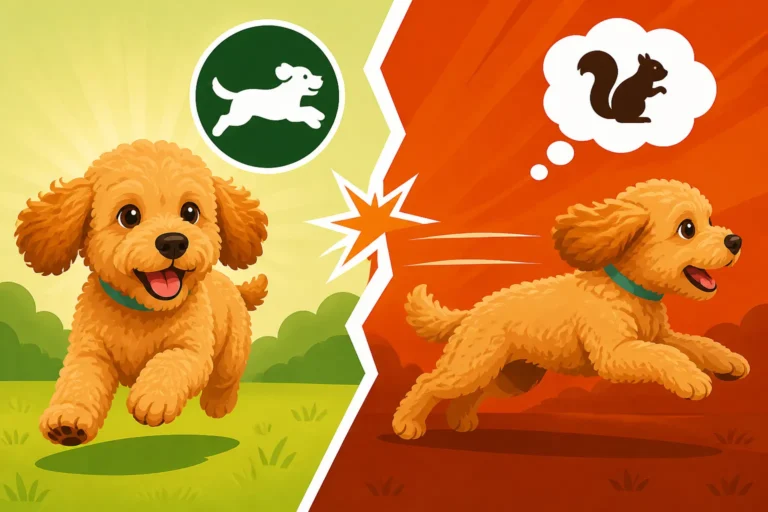
- Environmental Distractions: Other dogs, people, wildlife (squirrels!), sounds, and novel objects can pull your Cockapoo's attention away from the target odor.
- Solution: Gradually introduce distractions. Start training in a quiet room, then move to a slightly busier room, then a fenced yard, and finally public parks. Practice "proofing" your dog to distractions by setting up easy hides near mild distractions first, rewarding heavily for success. When training outdoors, consider using a long line for safety and control while they build their focus. Whether a Cockapoo Ignores You Once It Scents Something is a real concern that you’ll learn to manage.
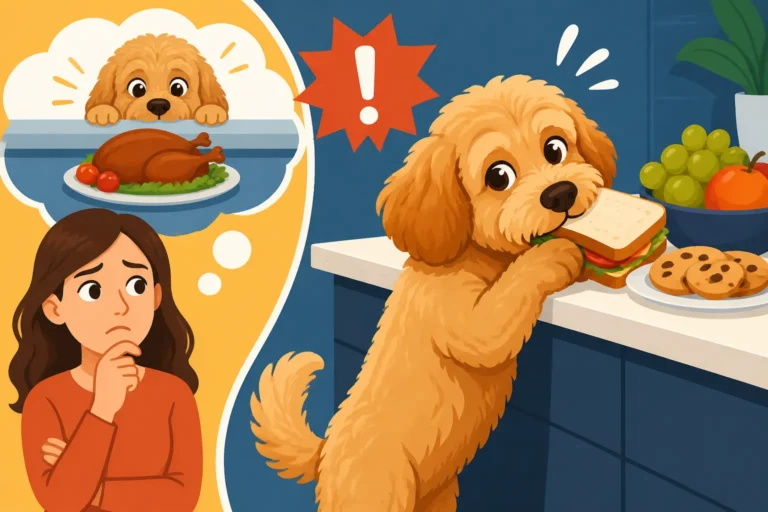
- Odorous Distractions: Other dog scents, spilled food, or general environmental odors can be much more appealing than your target odor, especially for a scavenging Cockapoo.
- Solution: This is where the magic of "value" comes in. Ensure your target odor is always associated with the absolute best rewards your Cockapoo can imagine. If they consistently get a jackpot for finding birch, but only a "meh" for sniffing another dog's pee, they'll learn which scent pays off. Additionally, practice "discrimination" – setting up searches where you have multiple scents, but only one is the target odor, and only that one gets rewarded. This teaches them to ignore irrelevant smells.
Maintaining Motivation
Even the most enthusiastic Cockapoo can experience dips in motivation, especially if training becomes monotonous or if they hit a plateau.
- Monotony: Doing the exact same type of search, in the same place, with the same hides, can get boring.
- Solution: Keep it fresh! Vary your search areas (different rooms, different parts of the yard, public parks if safe), vary the type of hide (containers, interiors, exteriors), and vary the search pattern. Introduce new target odors (after they're proficient with the first). Even changing the reward (sometimes a toy, sometimes a different treat) can rekindle interest.
- Plateau: When progress seems to slow, or your Cockapoo isn't advancing to the next level as quickly as you'd like, it can be demotivating for both of you.
- Solution: Revisit the basics. Sometimes going back to super easy searches can rebuild confidence and enthusiasm. Attend a workshop or seek guidance from an experienced scent work instructor. They can offer fresh perspectives, identify subtle issues, and provide new training techniques. Remember, progress isn't always linear. Celebrate small victories and focus on the joy of working together.
By anticipating these challenges and having a proactive approach, you can help your Cockapoo develop into a confident, focused, and titled scent work champion.
Progressing Towards a Scent Work Title
Earning a scent work title with your Cockapoo is a fantastic goal, marking a significant achievement for both of you. It's a journey that builds on consistent practice, expert guidance, and a clear understanding of what a trial entails.
Consistent Practice and Advanced Training
Just like any skill, proficiency in scent work comes from consistent, deliberate practice. Short, regular sessions are far more effective than long, infrequent ones. Aim for a few 5-10 minute sessions throughout the week, rather than one intense hour-long session. This keeps the game fresh and prevents burnout for your Cockapoo.
As your Cockapoo masters the basics, you'll want to introduce more advanced training concepts:
- Increasing Difficulty of Hides: Gradually place hides in more challenging locations: higher up, under objects, in crevices, or in less obvious spots. The goal is to make your Cockapoo work harder and think more to locate the odor.
- Expanding Search Areas: Move from a single room to multiple rooms, then to a garage, a backyard, or even a local park (ensuring it's safe and allowed). This helps your Cockapoo generalize their scent detection skills to various environments.
- Varying Environments and Distractions: Introduce training in areas with more ambient noise, different textures underfoot, or visual distractions. Practice "proofing" their search skills against these distractions, always rewarding heavily for maintaining focus on the target odor.
- Blind Searches: This is crucial for trials. Conduct "blind" searches where you, the handler, do not know where the hide is placed. Only your Cockapoo's indication will tell you. This builds your trust in your dog and teaches you to read their subtle cues.
- Handling Skills: As you progress, your role as the handler becomes more refined. You'll learn to manage your leash effectively, provide minimal but clear cues, and position yourself to observe your dog without interfering. This partnership is vital, especially when your Cockapoo is working independently. Whether a Cockapoo Can Do Detection Work relies heavily on both innate talent and refined handler skills.
Finding a Good Instructor or Club
While you can certainly start scent work at home, reaching out to an experienced instructor or joining a local scent work club is invaluable when you're aiming for titles.
- Expert Guidance: An instructor can provide personalized feedback, help you troubleshoot specific challenges, and guide you through the progressive steps of training. They'll spot things you might miss and suggest tailored exercises for your Cockapoo's individual needs. They can help you understand Whether a Cockapoo Concentrates in a Class and how to optimize their learning environment.
- Structured Classes: Classes offer a structured curriculum, expose your Cockapoo to different search environments, and provide opportunities to work around other dogs (a controlled distraction!). Many instructors use methodologies from organizations like NACSW or AKC Scent Work, directly preparing you for trials.
- Club Community: Joining a club connects you with a community of like-minded individuals. You can share experiences, get advice, and practice with others. This supportive network can be incredibly motivating and helpful on your titling journey. Many clubs also host mock trials, which are excellent for gaining experience without the pressure of a real competition.
- Trial Preparation: Instructors and clubs often offer specific workshops or seminars focused on trial preparation, covering rules, etiquette, and strategies for success. They can guide you through the process of registering for your first trial, helping to demystify the experience. A great resource like BAXTER & Bella might offer online courses that touch on scent work, providing a flexible option for learning the ropes from home.
Preparing for Your First Trial
The thought of your first scent work trial can be nerve-wracking, but with good preparation, it can be an incredibly exciting and rewarding experience.
- Understand the Rules: Thoroughly review the rules and regulations of the organization whose trial you plan to enter. Know the specific odors, search parameters, time limits, and allowable handler interventions for the level you're competing in.
- Practice Trial Conditions: Replicate trial conditions as closely as possible during your practice sessions. Set up blind searches, use containers and environments similar to what you'll encounter, and practice working within time limits.
- Manage Your Nerves: Dogs are incredibly adept at picking up on our emotions. If you're stressed, your Cockapoo might feel it too. Practice relaxation techniques for yourself. Remember, your first trial is about gaining experience and having fun, not necessarily winning.
- Trial Day Essentials: Pack everything you need: plenty of high-value treats, water for your Cockapoo, a comfortable crate or ex-pen for waiting between searches, a leash, and any paperwork. Arrive early to allow your Cockapoo to acclimate to the new environment.
- Focus on Your Dog: Once you're in the search area, focus entirely on your Cockapoo. Trust their nose, observe their indications, and be ready to reward them immediately when they find the odor. Celebrate their efforts, regardless of the outcome.
Earning a scent work title is a testament to your Cockapoo's natural abilities and your dedication as a team. It's a fantastic journey that deepens your bond and provides immense satisfaction, proving that your Cockapoo is not just a beloved family member, but also a skilled and talented working dog.
Disclaimer
This article is for general informational purposes only and does not constitute professional advice. Laws, prices and regulations vary by location and change over time. Consult a qualified professional for guidance on your specific situation.