The Flushing Job Behind a Cockapoo’s Spaniel Half
It’s a scenario many Cockapoo owners know all too well: you’re enjoying a lovely walk, your furry friend is trotting happily by your side, and then, poof – a squirrel dashes across the path, a bird takes flight from a bush, or an intriguing scent wafts by. Suddenly, your attentive companion transforms into a creature possessed by an ancient, undeniable urge, pulling like a freight train or, worse, disappearing into the undergrowth with a singular focus that seems to render them deaf to your frantic calls. This isn't naughtiness; it's the powerful, instinctual "flushing job" embedded deep within their spaniel heritage, and understanding it is the first step to a more harmonious life together. This guide will explore these innate drives, help you recognize them in your Cockapoo, and provide practical strategies for managing and channeling them safely and constructively.
Understanding the Spaniel's Ancestral Role
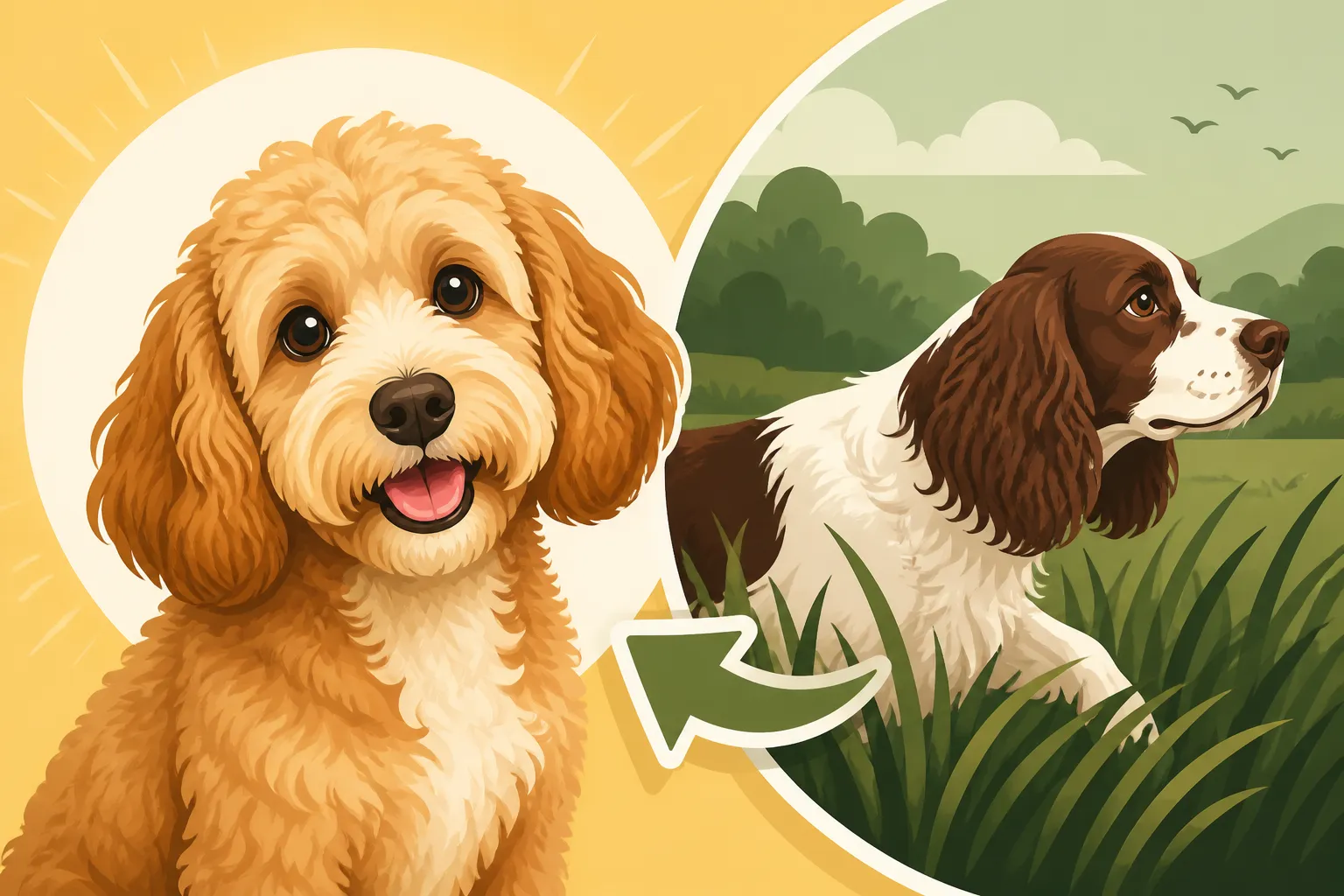
The Cockapoo, with its delightful blend of Poodle intelligence and Cocker Spaniel charm, often surprises owners with just how strong some of those ancestral traits can be. The spaniel side, in particular, contributes a profound and enduring drive that goes back centuries: the job of flushing game. It’s not just a cute quirk; it’s a deeply ingrained purpose.
The Original Job of a Flushing Spaniel
To truly appreciate why your Cockapoo acts the way it does, we need to take a quick trip back in time to the rolling fields and dense undergrowth where spaniels earned their keep. A "flushing" dog wasn't bred to retrieve or point from a distance, but to actively work cover – that is, to plunge into thickets, tall grass, and dense bushes to find hidden game birds like pheasants, quail, or woodcock. Their job was to "flush" these birds out, sending them flying into the air so a hunter could take a shot.
This wasn't a job for the faint of heart or the slow-witted. It required immense courage, a boundless work ethic, and an incredibly keen nose. A flushing spaniel had to be bold enough to push through thorny brambles, relentless in its search, and quick enough to react the moment a bird broke cover. They worked in close proximity to the hunter, never ranging too far, always within a gun's shot, a trait often called "being biddable" or "working to the gun." But the primary function was always to locate and disturb, not to catch or kill the prey themselves. This distinction is crucial, as it explains why your Cockapoo might chase with such vigor but then often looks bewildered if they actually catch something.
Why This Instinct Persists in Your Cockapoo
Even though most Cockapoos today live far removed from hunting fields, the genetic blueprint for this flushing drive remains incredibly strong. It’s hardwired into their DNA, a legacy passed down through countless generations of dedicated working spaniels. Think of it like a human's innate desire for comfort or a natural startle reflex – it’s just there, a part of who they are, regardless of their modern environment.
Your Cockapoo, whether an F1 or a multigen, carries these strong instincts from its Cocker Spaniel lineage. It doesn't matter if their parents were show dogs, pets, or working lines; the underlying inclination to quarter, sniff, and chase is often present. When you see your Cockapoo plunge its nose into a patch of leaves, or suddenly sprint after a rustling sound in the bushes, it's not simply playing; it's performing an echo of its ancestors' life's work. They aren't trying to be disobedient; they are quite literally following their instincts. This profound drive is why you might wonder Whether a Cockapoo Still Hunts Cover even when living in a suburban backyard. Understanding that this behavior is natural, rather than a behavioral flaw, is key to developing patience and effective management strategies.
Recognizing Flushing Behaviors in Your Cockapoo
So, what does this ancient flushing instinct actually look like in your modern-day Cockapoo? It’s rarely as obvious as a spaniel working a field, but once you know what to look for, you’ll start seeing it everywhere – from your backyard to your local park.
The Zig-Zag Pattern and Nose-to-Ground Exploration
One of the most characteristic behaviors of a flushing spaniel is their methodical "quartering" pattern. Instead of running randomly, they move in a systematic zig-zag across a field, nose to the ground, meticulously covering every inch of territory to pick up any scent of game. This ensures no potential hiding spot is missed.
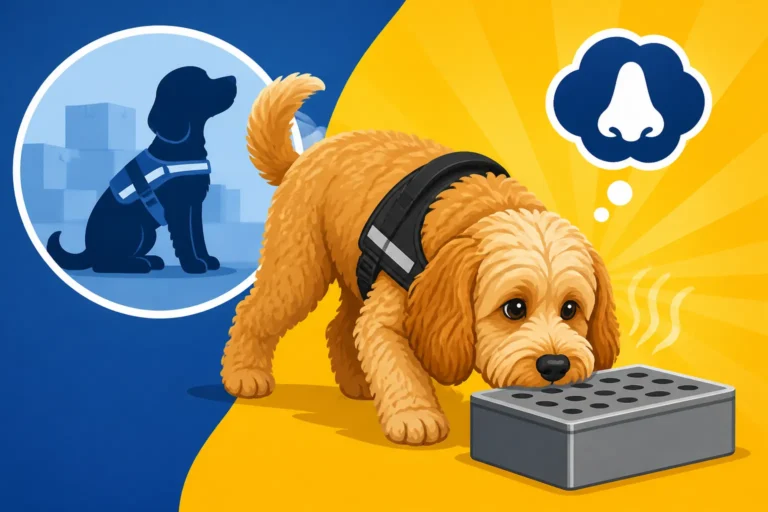
In your Cockapoo, this translates to those intense sniffing sessions that can feel never-ending on a walk. You might observe your dog moving back and forth, head down, tail often wagging in a focused rhythm, thoroughly investigating every blade of grass, every patch of soil, and every crack in the pavement. They are following scent trails that we, with our comparatively dull noses, can't even perceive. This isn't just a casual sniff; it's a deep, investigative dive into a world of information. They are quite literally mapping their environment through scent, driven by that inherited need to locate something. You might recognize this as Why a Cockapoo Quarters the Yard or the way they systematically investigate new areas on walks. This focused nose-work provides immense mental stimulation for your Cockapoo, even if it sometimes means your walk takes twice as long!
The Sudden Bolt and Selective Deafness
Perhaps the most frustrating manifestation of the flushing instinct for many owners is the sudden, explosive chase. One moment your Cockapoo is calmly walking, the next they've spotted a squirrel, a bird, or even a blowing leaf, and they're off like a shot. This is their prey drive, intricately linked to the flushing job, kicking in. The goal isn't necessarily to catch, but to pursue and flush.
During these moments, it can feel like your Cockapoo has gone completely deaf. Your calls, no matter how urgent or high-pitched, seem to simply not register. This isn't defiance; it's a state of hyper-focus. Their brain has become so fixated on the perceived "game" that all other input, including your voice, is temporarily overridden. They're operating on pure, primal instinct, and the reward of the chase (even if unsuccessful) is incredibly powerful. This "selective deafness" can be incredibly alarming, particularly if you're in an unfenced area or near a road. It’s why topics like Recall on a Cockapoo That Has Found a Scent are so vital for Cockapoo owners. This complete absorption in the chase is a hallmark of the flushing drive, a testament to how deeply ingrained this instinct is, and it demands careful management and consistent training.
Managing the Flushing Drive on Walks
Navigating walks with a Cockapoo driven by strong flushing instincts requires a proactive approach. It's not about eradicating the instinct, which is impossible, but about managing it safely and channeling it appropriately.
Equipment for Safe Exploration
The right gear can make all the difference between a stressful walk and an enjoyable adventure. For Cockapoos with a strong flushing drive, safety is paramount, especially when those instincts might lead them to bolt.
First and foremost, a well-fitting harness is often a better choice than a collar, especially for those sudden lunges. A harness distributes pressure across their chest and shoulders, reducing strain on their neck and throat, and makes it harder for them to slip out if they back up in fright or excitement. Look for harnesses with front clips that can help reduce pulling, giving you better control without causing discomfort. Many reputable brands offer excellent options; you can find a wide variety of durable and comfortable harnesses on platforms like Amazon.
For giving your Cockapoo a sense of freedom in open, safe areas while maintaining control, a long line is an absolute game-changer. These are leashes that can range from 15 to 50 feet or more, allowing your dog to explore scents, quarter the ground, and practice recall from a distance, all while remaining physically attached to you. This means they can indulge their natural desires without the risk of disappearing entirely. Just be sure to use a long line with a harness, never a collar, to prevent neck injuries if they hit the end of the line at speed. On a walk in a field, using a long line allows your Cockapoo to really indulge in Working a Cockapoo on a Long Line safely, satisfying their urge to explore.
Finally, for true peace of mind, especially if you venture into very open or densely wooded areas, consider a GPS tracker. These small devices attach to your dog's collar or harness and allow you to track their location via an app on your phone. While they don't prevent your dog from running off, they can be invaluable in quickly locating a Cockapoo whose flushing drive has led them further afield than intended. Always check reviews and battery life when considering these devices.
Training a Reliable Recall in High-Distraction Environments
A reliable recall is, without exaggeration, the single most important command for any dog, but especially for a Cockapoo with a flushing drive. It's their lifeline, and your peace of mind. Building this recall needs to start early, be consistent, and progress through increasingly distracting environments.
Begin in a quiet, distraction-free area, like your living room or a securely fenced backyard. Use a special, high-value reward – something your Cockapoo only gets for recall, like a piece of cooked chicken, cheese, or a favorite squeaky toy. Call their name enthusiastically, say "Come!" or "Here!", and when they arrive, reward them instantly and lavishly. Make coming to you the most exciting, rewarding thing in their world. You want them to think, "Oh wow, coming to Mom/Dad is like hitting the jackpot!"
Once they're solid in low-distraction environments, gradually introduce more challenges. Try in a park with fewer people, then a busier park, then near other dogs, and finally in areas where wildlife might be present. Always set them up for success by starting on a long line. If they ignore you, gently reel them in, rather than repeating the command or getting frustrated. Practice, practice, practice! Make it a game, not a chore. The goal is to build a recall so strong that even a dashing squirrel makes them pause, consider, and then choose you. For more in-depth techniques, you might want to read Building a Recall a Cockapoo Answers.
Teaching "Leave It" and "Watch Me" for Focus
Beyond recall, "Leave It" and "Watch Me" are incredibly powerful tools for managing a Cockapoo's flushing drive. These commands help you redirect their attention before they become overstimulated and disappear into a chase.
"Leave It" teaches your dog to disengage from something tempting. Start with low-value items (like a dry piece of kibble on the floor), telling them "Leave It" and covering it with your hand if they try to go for it. Reward them when they look away from the item and make eye contact with you. Gradually, you can introduce higher-value temptations and practice in more distracting environments. The goal is that when you say "Leave It," your Cockapoo understands that ignoring the squirrel/bird/scent will result in an even better reward from you.
"Watch Me" is all about gaining your dog's focus. Hold a treat near your nose and say "Watch Me." When your dog makes eye contact, even for a second, say "Yes!" and reward them. Slowly increase the duration of eye contact. This command is invaluable when you anticipate a distraction. If you see a rabbit in the distance, you can say "Watch Me" to draw their attention to you before their instinct takes over. These commands don't eliminate the instinct, but they give your Cockapoo a highly rewarding alternative behavior, empowering them to make the right choice even when their inner spaniel is screaming "CHASE!"
Enrichment Activities to Satisfy the Instinct
Since the flushing drive is deeply ingrained, simply trying to suppress it entirely can lead to frustration and unwanted behaviors. A much more effective and humane approach is to provide outlets where your Cockapoo can safely and constructively express these natural instincts.
Scent Work and Nose Games
Scent work is a tailor-made activity for a Cockapoo, tapping directly into their keen sense of smell and their inherent desire to hunt for something. It’s mentally exhausting in the best possible way, far more tiring than a simple walk, and it offers a fantastic channel for their inherited flushing and searching skills.
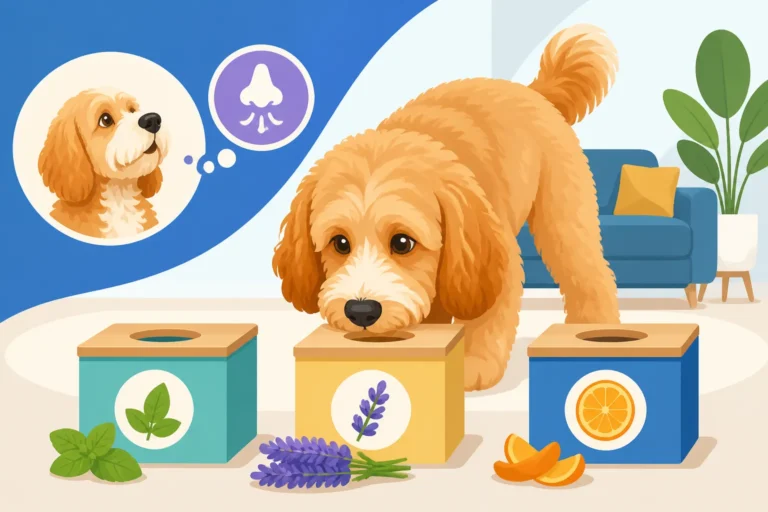
You can start with simple games at home. Hide treats around the house, encouraging your dog to "find it!" under a blanket, behind a curtain, or in a crinkly paper bag. Progress to hiding toys or treats in a series of cardboard boxes, creating a "snuffle box" challenge. There are many interactive puzzle toys available on Amazon that are excellent for engaging their nose and brain. These games build confidence, focus, and a strong bond between you, as you become their partner in the "hunt."
For those who want to take it a step further, look into formal scent work classes or "nose work" trials. These structured activities teach dogs to identify specific odors (like birch or anise) and find them in various environments. Your Cockapoo's natural inclination to quarter and methodically search will shine here, making them surprisingly adept students. Online training platforms, such as those offered by BAXTER & Bella, often have introductory scent work courses that you can do from the comfort of your home, guiding you through the steps to get started. It’s an incredibly rewarding activity that truly honors their spaniel heritage. More ideas can be found in Scent Games a Cockapoo Never Tires Of.
Structured Fetch and Retrieve Games
While flushing is about finding and sending game, spaniels also often have a strong retrieve drive, particularly for fallen birds. You can harness this desire in your Cockapoo with structured fetch and retrieve games. This isn’t just mindlessly throwing a ball; it’s about making it a cooperative activity that reinforces your bond and control.
Start by teaching a reliable "drop it" or "give" command, so your Cockapoo brings the item all the way back to you, rather than playing keep-away. Use a variety of toys – soft frisbees, rubber balls, fabric dummies – to keep it interesting. Practice in different locations, gradually increasing distractions. You can even hide the toy and tell your Cockapoo to "find it," combining scent work with retrieving.
Introduce elements of the "quartering" pattern by throwing the toy in different directions, encouraging them to cover ground in a systematic way. This helps satisfy their innate need to search. Reward them enthusiastically when they return the item to hand. This kind of structured play is not only great exercise but also a powerful mental workout, channeling their natural drives into a game you both enjoy. For tips on how to perfect this, consider reading Teaching a Cockapoo to Bring the Ball Back.
Exploring New Environments Safely
While training and games are important, sometimes your Cockapoo just needs to be a dog and sniff. Providing opportunities for safe, controlled exploration in novel environments can be incredibly enriching.
A "sniffari" walk is a perfect example. Instead of focusing on covering distance or sticking to a brisk pace, a sniffari allows your Cockapoo to dictate the route and pace through their nose. Let them spend as long as they want investigating a particularly interesting patch of grass, a tree trunk, or a fire hydrant. This isn't unproductive dawdling; it's vital mental stimulation. Just be sure to do this in safe, appropriate areas, perhaps on a long line if it's not fully fenced.
Seek out new trails, parks, or even friends' backyards. The novelty of fresh scents and new textures underfoot provides a rich sensory experience that can deeply satisfy their exploratory instincts. Always ensure these areas are free from hazards and, if off-leash, securely enclosed. Allowing them this freedom within safe boundaries helps prevent them from feeling the need to "hunt" quite so intensely when you're on a more structured walk, as their scenting needs are being met in other ways.
Training Techniques for a Stronger Bond and Control
Working with a Cockapoo's flushing drive isn't about crushing their spirit; it's about building a partnership where they choose to engage with you, even when their instincts are screaming otherwise. This relies heavily on positive reinforcement and clear communication.
Positive Reinforcement and High-Value Rewards
Cockapoos, like most spaniel mixes, are often sensitive souls who respond best to positive reinforcement. Harsh corrections, shouting, or physical punishment can easily shut them down, making them fearful or less willing to engage. Instead, focus on rewarding the behaviors you want to see.
This means using rewards that are truly motivating for your individual Cockapoo. For some, it might be a tasty treat like small pieces of chicken or cheese. For others, it could be a favorite squeaky toy, a quick game of tug, or enthusiastic praise and petting. The key is to make yourself the most interesting and rewarding thing in their environment. If you can offer something better than the thrill of chasing a squirrel, your Cockapoo will be much more likely to choose you.
Always carry a pouch full of high-value treats on walks. When your Cockapoo checks in with you voluntarily, even for a second, reward them! If they glance at a bird but choose not to chase, reward them! You're essentially teaching them that paying attention to you and making good choices is more rewarding than giving in to their wild impulses. This consistent positive feedback strengthens your bond and makes them eager to work with you. You'll find that for many Cockapoos, Whether a Cockapoo Would Rather Have Cheese or a Word is a clear choice, especially in distracting environments!
Harnessing Their Drive for Cooperative Engagement
Instead of viewing the flushing drive as a problem, think of it as a powerful engine you can redirect. Your Cockapoo wants to hunt, to search, to find things. You can turn this into a game that you play together.
Introduce games like "find the toy" or "find the treat" on command. Hide a favored toy in the grass or behind a tree and release your Cockapoo with an excited "Go find it!" This allows them to use their nose and search instincts, but within a controlled game where you initiated the hunt. When they find it and bring it back, celebrate! This reinforces that searching with you is fun and rewarding.
You can also incorporate elements of their quartering pattern into walks by scattering treats in the grass and encouraging them to methodically sniff them out. Or, if you're in a safe, fenced area, hide yourself briefly and call them to "find you!" Their drive to locate can be powerfully channeled into these cooperative games, making you their most exciting partner in adventure. By making yourself central to their "hunting" experience, you elevate your status as a leader and companion, strengthening their desire to check in with you rather than bolting off alone.
Consistency and Patience Are Key
Managing a Cockapoo with a strong flushing drive is not a sprint; it's a marathon. It requires immense consistency and endless patience. There will be days when they seem to "forget" everything you've taught them, and a particularly tempting scent or a fast-moving critter will win out. Don't get discouraged.
Every walk, every training session, every interaction is an opportunity to reinforce the behaviors you want. Consistency means everyone in the household uses the same commands and rewards. It means practicing recall even when you don't think you need to, and always having those high-value treats ready.
Patience is crucial because you're working against deeply ingrained instincts that have been perfected over centuries. It takes time, repetition, and a positive attitude to re-wire those responses, even partially. Celebrate the small victories: the moment they hesitate before chasing, the second they make eye contact when you say "Watch Me," the time they return quickly on recall. These small successes build up over time, gradually creating a Cockapoo who is not only safe and responsive but also deeply fulfilled because their natural drives are being honored and channeled in appropriate ways. Remember that topics like The Flushing Drive Still Alive in a Cockapoo highlight that this is a fundamental part of who they are, and with understanding and consistent effort, you can turn this powerful instinct into a source of joy and engagement for both of you.
| Common Cockapoo Behavior | Root in Flushing Instinct | Management Tip |
|---|---|---|
| Zig-zagging on walks | Quartering to locate game | Allow sniffaris on long line, engage with "find it" games |
| Suddenly ignoring recall | Intense focus on scent/prey | Practice strong recall with high-value rewards, use a whistle |
| Digging at bushes | Searching for hidden game | Redirect to designated digging areas or scent games |
| Chasing birds/squirrels | Pursuit of flushed prey | Teach "leave it" command, keep on leash/long line in high-prey areas |
| "Selective deafness" | Hyper-focused on environment | Make yourself more exciting, vary rewards, consistent training |
Disclaimer
This article is for general informational purposes only and does not constitute professional advice. Laws, prices and regulations vary by location and change over time. Consult a qualified professional for guidance on your specific situation.