Why Cockapoos Reach Rescue in Such Numbers
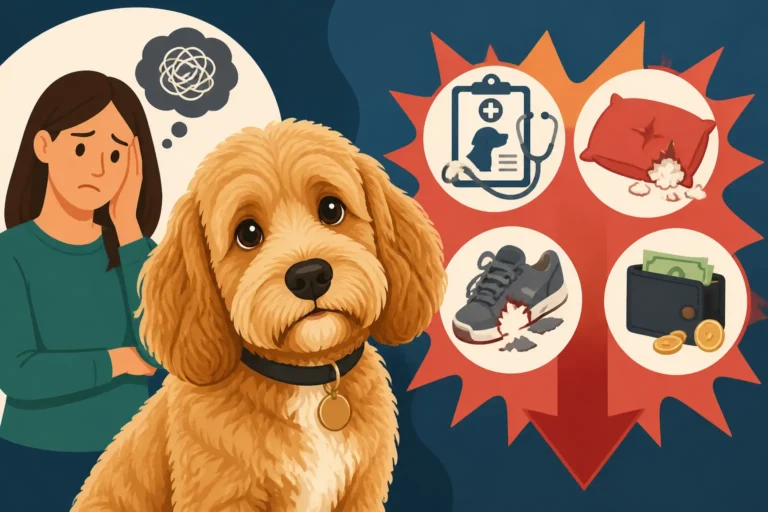
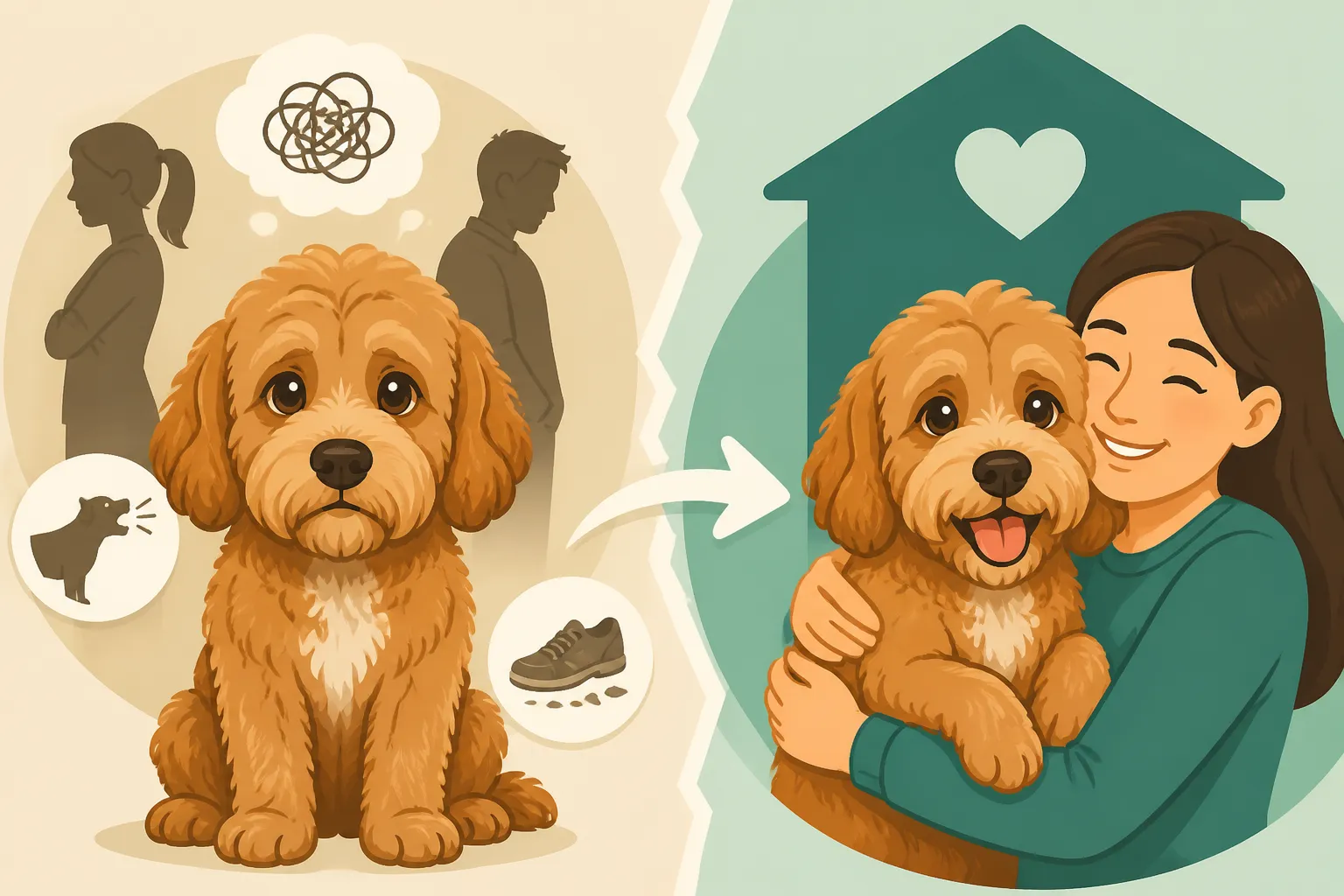
It's a heartbreaking reality to see so many Cockapoos turning up in shelters and rescues, especially given their charming reputation as a friendly, intelligent, and often low-shedding companion. People bring these adorable puppies home with such high hopes, envisioning years of cuddles and playful antics, only to find themselves overwhelmed by unexpected challenges that, sadly, lead to a heartbreaking surrender. This guide aims to shed light on the common reasons why these wonderful dogs often end up needing a second chance, helping prospective owners understand the true commitment involved and what they can do to avoid becoming another statistic.
The Allure Versus the Reality: Unrealistic Expectations
So many families are drawn to the Cockapoo because of the common perception that they're the "perfect" dog. They're often marketed as hypoallergenic, endlessly cheerful, and suitable for just about any household. While many Cockapoos are fantastic dogs, this idealized image can unfortunately create a significant disconnect with the reality of owning one, setting both the dog and the owner up for failure. When the fluffy, cuddly puppy grows into an energetic, demanding adolescent, the dream can quickly turn into a nightmare if expectations aren't managed.
The "Hypoallergenic" Misconception and Shedding Surprises
One of the biggest draws for many families is the promise of a low-shedding or "hypoallergenic" dog. This idea is largely rooted in the Poodle side of the Cockapoo's heritage. However, the Cocker Spaniel parent often contributes a shedding coat, and the genetics of coat type in mixed breeds can be incredibly unpredictable. What many owners discover too late is that not all Cockapoos inherit the Poodle's non-shedding coat.
Some Cockapoos end up with a coat that leans more towards the Cocker Spaniel, leading to shedding that can be a real issue for allergy sufferers. Even those with the desired "furnishings" (the beard and eyebrows that define the typical doodle look) can still shed, just not in handfuls like some double-coated breeds. For a family specifically seeking a non-shedding companion due to allergies, this unexpected reality can mean the dog simply cannot stay in the home. It’s a devastating situation for everyone involved, often making rescue the only option. The Furnishings Gene That Decides a Cockapoo's Face explores this in more detail.
Underestimating Energy Levels and the Need for Mental Stimulation
Cockapoos are a cross between a Cocker Spaniel and a Poodle – two breeds known for their intelligence, athleticism, and active natures. Yet, their small to medium size and cute, teddy-bear appearance often lead people to believe they are content with minimal exercise, perhaps just a quick stroll around the block. This couldn't be further from the truth for many Cockapoos. They often inherit a surprising amount of energy and a keen mind that needs constant engagement.
A bored Cockapoo is a destructive Cockapoo. If they don't get enough physical activity and mental challenges, they'll find their own ways to entertain themselves, which often involves chewing furniture, digging up the yard, or incessant barking. Owners who aren't prepared for daily walks, playtime, and engaging training sessions can quickly become frustrated by a dog that seems "hyper" or "naughty," when in reality, it's just unmet needs manifesting as problematic behavior. This is particularly true for those with a strong hunting or retrieving drive from their Cocker lineage. The Flushing Drive Still Alive in a Cockapoo is a great resource if you're curious about this aspect of their personality.
The Hidden Costs: Grooming, Health, and Financial Strain
Beyond the initial purchase price, owning a dog is a significant financial commitment, and Cockapoos, in particular, come with some specific ongoing costs that often catch new owners by surprise. These expenses, especially when coupled with unforeseen health issues, can accumulate rapidly and become an unbearable burden for families on a tight budget, forcing them to consider rehoming their beloved pet.
The Realities of Grooming: Time and Money
That adorable, fluffy Cockapoo coat is undeniably charming, but it's far from maintenance-free. In fact, it's one of the primary reasons Cockapoos end up in rescue. Their Poodle-like hair continues to grow, and without diligent daily or every-other-day brushing, it mats quickly and severely. These mats aren't just cosmetic; they can pull on the skin, cause pain, hide skin infections, and make the dog incredibly uncomfortable. Many owners simply aren't prepared for the time commitment involved in keeping their Cockapoo's coat healthy.
When home grooming falls by the wayside, professional grooming becomes essential, and this isn't cheap. Depending on the size of your Cockapoo and the complexity of their coat, you could be looking at a significant bill every 6-8 weeks. If the coat is severely matted, groomers may have no choice but to shave the dog down, which can be upsetting for owners and uncomfortable for the dog. What a Cockapoo Groom Costs by Coat Type and The Yearly Grooming Total on a Cockapoo detail these costs, but it's not just the money; it's the consistent effort required that proves overwhelming for many.
Unexpected Vet Bills: Health Challenges Beyond "Hybrid Vigor"
While Cockapoos are often touted for "hybrid vigor" – the idea that crossbred dogs are healthier than purebreds – they are still susceptible to a range of genetic health issues inherited from both parent breeds. This can lead to unexpected and often very expensive veterinary care. Conditions like hip dysplasia, patellar luxation (slipping kneecaps), progressive retinal atrophy (PRA), and even familial nephropathy (a kidney disease) are unfortunately not uncommon.
Imagine bringing home your sweet Cockapoo puppy, only to find out a year or two later that they need costly surgery for a luxating patella or are slowly losing their eyesight due to PRA. These medical emergencies or ongoing treatments can drain bank accounts quickly, especially for procedures like cataract surgery on a Cockapoo, which can be very expensive. Familial Nephropathy and the Kidneys a Cockapoo Can Inherit and Progressive Retinal Atrophy in a Cockapoo highlight just some of the potential inherited conditions. While pet insurance from providers like Healthy Paws can certainly help mitigate these costs, many owners don't purchase it, or their policy might not cover pre-existing conditions if the issues arise unexpectedly. Faced with bills totaling thousands of dollars, some families simply cannot afford the care their beloved pet needs, and rescue becomes the last resort for the dog to receive treatment.
Behavioral Challenges: When Instincts Clash with Modern Living
Cockapoos are generally intelligent and eager to please, but they are still dogs with specific breed instincts. Without proper training, socialization, and an understanding of their inherent drives, certain behaviors can become unmanageable for owners, leading to friction and eventual surrender. It's not that these dogs are "bad," but rather that their needs aren't being met or their natural tendencies are misunderstood.
Separation Anxiety and Destructive Behavior
Cockapoos are companion dogs through and through. They thrive on human interaction and often bond very closely with their families. This wonderful trait, however, can quickly turn into a problem if they are regularly left alone for long periods. Many Cockapoos struggle with separation anxiety, which manifests as excessive barking, destructive chewing, house soiling, or frantic attempts to escape when their owners are away. A dog tearing up furniture, chewing through doorframes, or continuously barking for hours can lead to significant stress for owners, damage to property, and complaints from neighbors.
The emotional toll on both the dog and the owner is immense. Owners might feel guilty, frustrated, and overwhelmed, especially if they work full-time and cannot provide the constant companionship their Cockapoo craves. They might try various solutions, but without professional help or a fundamental change in lifestyle, the situation can feel hopeless, leading them to believe the dog would be better off in a home where someone is always around. The Hours a Cockapoo Tolerates Alone offers more insight into this common issue.
The Unpredictable Prey Drive and Poor Recall
Both Cocker Spaniels and Poodles have a history as working dogs, and many Cockapoos inherit a strong prey drive and a desire to explore with their noses. While this makes them excellent candidates for scent work and interactive games, it can also lead to serious issues with recall, especially outdoors. A Cockapoo that catches a scent of a squirrel, rabbit, or bird can become "deaf" to their owner's calls, bolting off in pursuit.
This behavior is incredibly frustrating and frightening for owners, who constantly worry about their dog getting lost, hit by a car, or bothering wildlife. Despite training efforts, some Cockapoos' instinct to chase is so strong that off-leash adventures become impossible, limiting the dog's exercise opportunities and the owner's peace of mind. For those living near busy roads or with unfenced yards, a Cockapoo with a high prey drive can become a constant source of anxiety, leading to tough decisions about their future. Recall on a Cockapoo That Has Found a Scent is a critical read for understanding and managing this trait.
The Role of Unethical Breeding Practices
The popularity of the Cockapoo, like many "designer dog" breeds, has unfortunately attracted unscrupulous breeders who prioritize profit over the health and welfare of their animals. These unethical practices contribute significantly to the number of Cockapoos that eventually end up in rescue, often due to preventable issues.
Puppy Mills and Backyard Breeders
The demand for Cockapoos has fueled the proliferation of puppy mills and irresponsible backyard breeders. These operations often keep dogs in overcrowded, unsanitary conditions, with little to no focus on proper health testing, genetics, or early socialization. Puppies from these environments are more likely to have underlying health problems, genetic predispositions to disease, and significant behavioral issues stemming from a lack of early human interaction and stimulation.
When a family unknowingly buys a puppy from a mill or a casual breeder who hasn't invested in health screening, they might soon find themselves dealing with an extremely shy, fearful, or aggressive dog that requires extensive rehabilitation, or a puppy with expensive medical conditions. The emotional and financial toll of these issues can be overwhelming, causing owners to realize they are in over their heads. Why Cockapoos Fill Puppy Mills details how these operations thrive and the consequences.
Lack of Health Testing and Guarantees
Reputable Cockapoo breeders will thoroughly health test their breeding stock for common genetic conditions known to affect Cocker Spaniels and Poodles, such as those related to eyes, hips, and kidneys. They also provide health guarantees and support for new owners. However, many casual breeders skip these crucial (and expensive) steps, selling puppies without any real assurance of their long-term health.
A family might fall in love with a puppy from an untested litter, only to face devastating diagnoses and immense veterinary bills down the line. Without the support of an ethical breeder or adequate pet insurance, these unforeseen costs can push families to their breaking point. The financial burden combined with the emotional stress of a sick dog often leads to the heartbreaking decision to surrender the Cockapoo to a rescue organization, hoping they can provide the necessary medical care. The Five Certificates a Cockapoo Breeder Should Show is essential reading for anyone considering a Cockapoo.
Common Expectations Versus Cockapoo Realities
To summarize some of the most common reasons Cockapoos enter rescue, let's look at the contrast between what many prospective owners expect and the realities of living with this wonderful, but often misunderstood, hybrid.
| Expectation | Reality | Impact on Ownership |
|---|---|---|
| "Hypoallergenic" / Non-shedding | Many Cockapoos shed to varying degrees, especially if their coat genetics lean towards the Cocker Spaniel. | Allergy flare-ups for family members. Constant cleaning. Frustration over a core reason for choosing the breed. |
| Low energy / "Lap dog" | Cockapoos are a mix of two active, intelligent breeds, requiring significant daily exercise and mental stimulation. | Destructive chewing, excessive barking, digging, hyperactive behavior indoors if needs aren't met. Owners feel overwhelmed by an "unruly" dog. |
| Easy maintenance coat | Their Poodle-derived coat type requires diligent daily brushing to prevent painful matting and regular professional grooming. | High financial cost for professional grooming appointments (every 6-8 weeks). Significant time commitment for home care. Neglect leads to discomfort for the dog and expensive "shave downs." |
| Inherently healthy | While generally robust, they are susceptible to genetic conditions from both parent breeds (e.g., PRA, hip/knee issues, kidney disease). | Unforeseen, expensive veterinary bills for diagnostics, surgeries, and long-term medication. Financial strain can be immense without pet insurance. Many Cockapoos end up needing expensive treatments that can be hard to budget for, even with a provider like Healthy Paws. |
| Naturally well-behaved | Intelligent but can be stubborn; requires consistent positive reinforcement training and early socialization to manage instincts. | Challenges with recall (especially with strong prey drive). Separation anxiety causing destruction. Jumping, leash pulling, and other "naughty" behaviors that haven't been adequately addressed. Finding suitable food from a brand like Chewy or Ollie that supports training can be important. |
| Fine being left alone | Highly social dogs prone to separation anxiety if left for long periods, thriving on companionship. | Destructive behavior, incessant barking, house soiling when owners are away. Stress for the dog and frustration for owners; impacts daily life and social relationships (neighbors). |
The unfortunate truth is that many Cockapoos end up in rescue not because of any fault of their own, but because their previous owners were simply not prepared for the realities of their energy levels, grooming needs, potential health issues, or behavioral tendencies. The initial appeal of their adorable looks often overshadows the practical commitment required to provide a fulfilling life for these intelligent and active dogs.
If you're considering bringing a Cockapoo into your home, please do your homework, not just on the breed's cute aesthetics, but on their health, grooming, and training requirements. Seek out responsible breeders who perform thorough health testing and offer ongoing support, or consider adopting an older Cockapoo from a reputable rescue group who can tell you all about the dog's personality and needs. Understanding these dogs before you commit is the best way to ensure a happy, lifelong home for your Cockapoo.
Disclaimer
This article is for general informational purposes only and does not constitute professional advice. Laws, prices and regulations vary by location and change over time. Consult a qualified professional for guidance on your specific situation.