Whether a Cockapoo’s Addison’s Comes From the Poodle
It’s truly disheartening when your beloved Cockapoo isn't quite themselves, displaying a range of vague symptoms that are hard to pin down. You might find yourself going in circles, wondering if it's just a "bad day" or something more serious. If you've ever worried about conditions like Addison's disease, especially given the Poodle heritage in Cockapoos, you're not alone. This guide aims to clear up those concerns, delving deep into Addison's disease, its connection to the Poodle side of your Cockapoo, and what you can do to ensure your furry friend lives a long, happy, and healthy life.
Understanding Addison's Disease in Cockapoos
Addison's disease, also known as hypoadrenocorticism, is one of those conditions that can sneak up on you because its symptoms are often so subtle and easily mistaken for other, less serious ailments. It's not as commonly discussed as some other genetic issues, but it's crucial for Cockapoo owners to understand.
What Exactly is Addison's Disease?
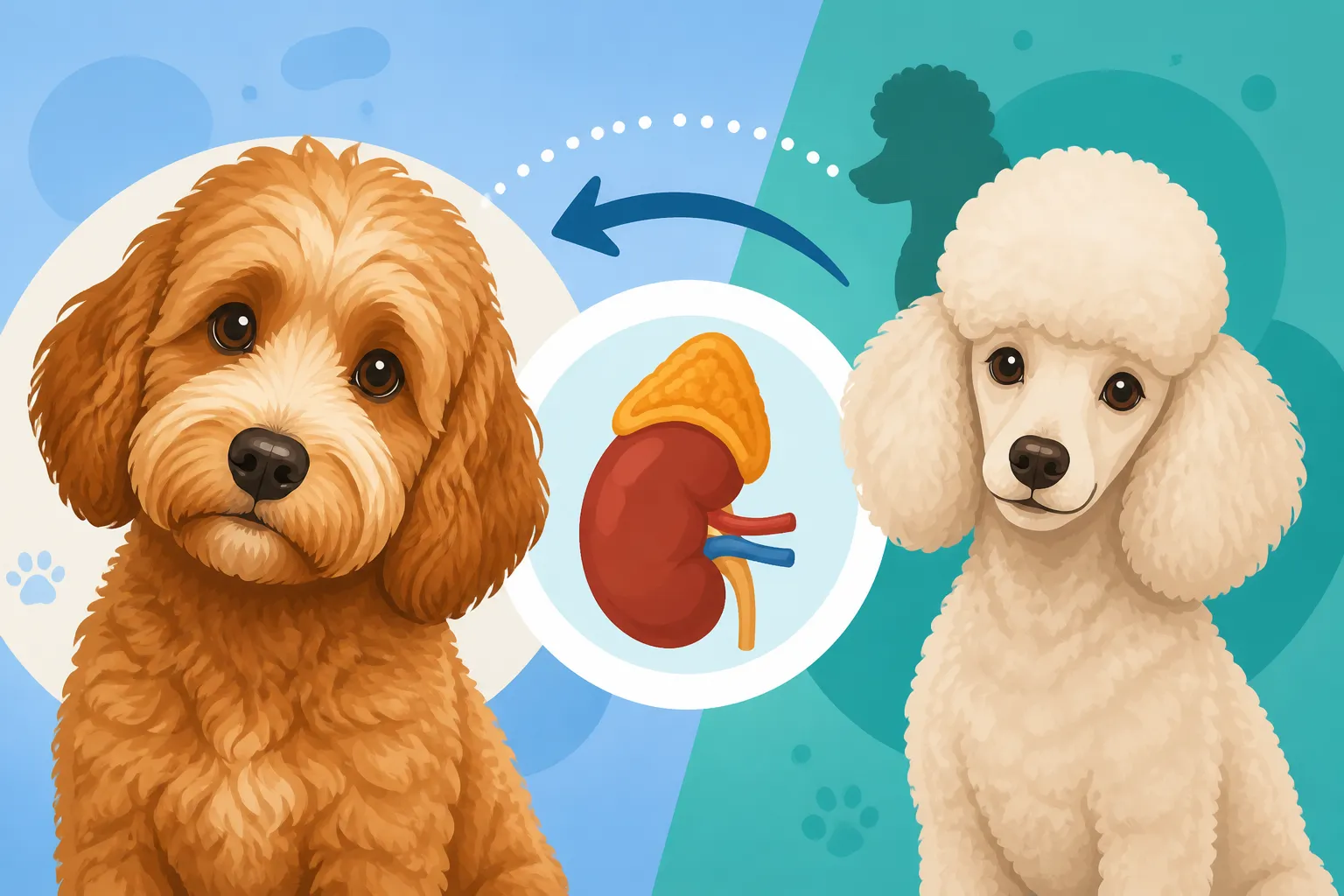
At its core, Addison's disease is a hormonal disorder where your dog's adrenal glands, which are tiny glands located near the kidneys, simply don't produce enough of certain vital hormones. Think of them as the body's internal thermostat and stress managers. Specifically, we're talking about glucocorticoids (like cortisol) and mineralocorticoids (like aldosterone). Cortisol helps manage stress, inflammation, and metabolism, while aldosterone regulates electrolytes like sodium and potassium, which are critical for heart and kidney function.
When these hormones are in short supply, a dog's body can't properly respond to stress or maintain its internal balance. It's like trying to run a complex machine with half the necessary fuel and no proper control panel. Over time, this deficiency can lead to a cascade of problems affecting multiple body systems. The severity can vary, from chronic, mild discomfort to an acute, life-threatening crisis.
Recognising the Subtle Symptoms of Addison's
This is where Addison's gets tricky for many owners. The early signs are often vague, mimicking everything from a stomach upset to just being "off." You might notice your Cockapoo seems lethargic, isn't eating with their usual gusto, or has intermittent vomiting or diarrhea. They might seem generally weak, perhaps even shivering. These symptoms can wax and wane, making you think your dog is getting better, only for them to reappear days or weeks later. It's frustrating because there's no clear pattern.
One moment, they might seem fine, chasing squirrels with their usual enthusiasm, and the next, they're curled up, looking miserable. This on-again, off-again nature is a hallmark of chronic Addison's. As the disease progresses, or during times of stress, these symptoms can escalate into an "Addisonian crisis," which is a severe medical emergency. During a crisis, a dog might experience sudden, profound weakness, collapse, severe vomiting and diarrhea, and even shock. If you see signs like sudden collapse, it's a medical emergency that requires immediate veterinary attention. These kinds of sudden, dramatic changes can also be seen in other severe conditions, such as immune anemia, as discussed in The Sudden Collapse That Means a Cockapoo Is Anemic.
Here’s a quick overview of some symptoms:
| Symptom Category | Common Addison's Indicators | What it Might Be Confused With |
|---|---|---|
| Gastrointestinal | Intermittent vomiting, diarrhea, loss of appetite | Upset stomach, dietary indiscretion, parasites |
| Energy & Mood | Lethargy, depression, weakness, reluctance to play | Aging, boredom, other illnesses, mild lameness |
| Thirst & Urination | Increased thirst and urination (less common, but possible) | Kidney issues, diabetes |
| Weight & Coat | Weight loss, poor coat condition | Poor diet, stress, other chronic illnesses |
| Shocks & Collapse | Shaking, shivering, sudden collapse, slow heart rate (crisis) | Poisoning, cardiac event, severe pain, other emergencies |
The Poodle Connection to Addison's Disease
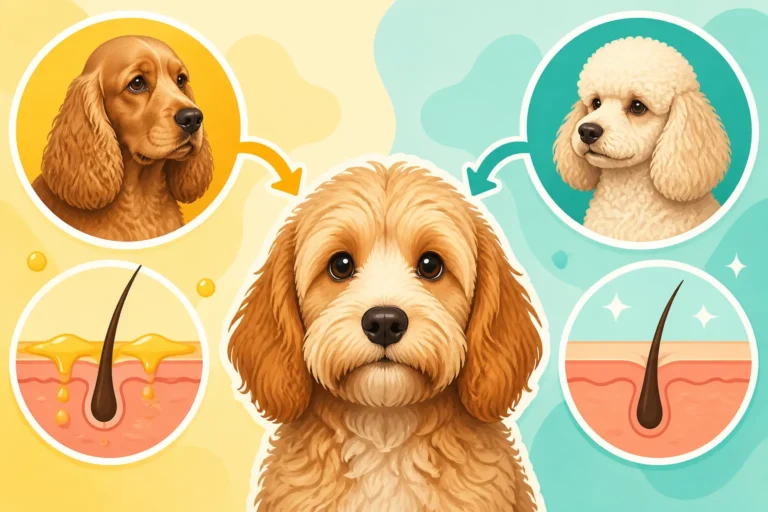
Now, let's get to the heart of why Cockapoo owners often inquire about Addison's: its known prevalence in Poodles. Given that the Cockapoo is a cross between a Cocker Spaniel and a Poodle, understanding the genetic predispositions from both parent breeds is vital. This is precisely why articles like The Autoimmune Diseases a Cockapoo Can Inherit exist, as hybrid vigor isn't a magical shield against all genetic conditions.
Why Poodles Are Predisposed
Miniature Poodles, Standard Poodles, and even Toy Poodles have a well-documented genetic predisposition to Addison's disease. This isn't to say every Poodle will get it, but the breed, as a whole, has a higher incidence compared to the general dog population. Researchers believe there are complex genetic factors at play, likely involving multiple genes, that increase their risk. It's not a simple recessive or dominant gene we can easily test for with a single DNA swab. This makes identifying carriers and affected dogs more challenging for breeders.
This genetic vulnerability means that Poodles can pass on these genetic markers to their offspring, even if the Poodle parent themselves never shows clinical signs of the disease. It's a silent threat that careful breeders are always mindful of.
How This Affects Cockapoos
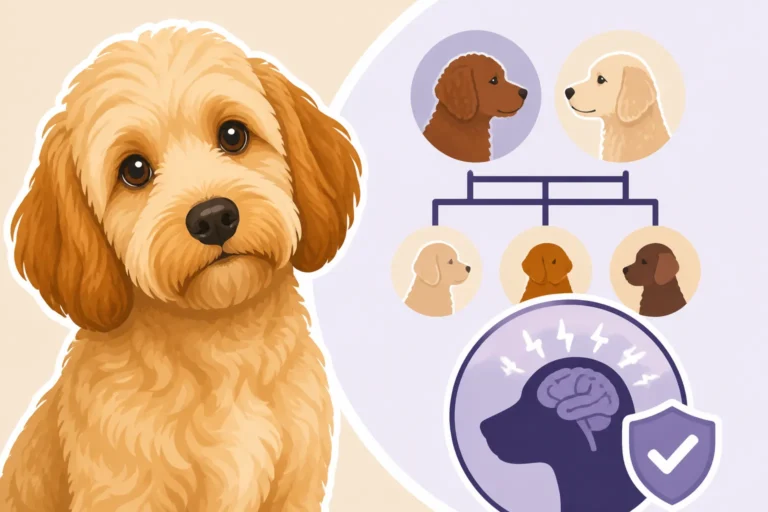
Because a Cockapoo has one Poodle parent, they inherently carry a potential risk for inheriting this predisposition. The exact mode of inheritance is still being studied, but it’s understood that dogs inheriting certain genetic combinations from their Poodle lineage are more susceptible. This is a primary concern for many Cockapoo owners, and specifically, whether A Cockapoo's Addison's and the Poodle Line is the main route of inheritance.
It's not as straightforward as saying "Poodle genes = Addison's." Instead, it's about a higher likelihood due to the genetic makeup of the Poodle parent. If a Poodle parent carries the genetic predisposition, even if they never develop the disease themselves, they can pass those genes on to their Cockapoo puppies. The Cocker Spaniel side of the Cockapoo generally does not have the same strong predisposition to Addison's, but the Poodle contribution makes it a relevant health concern for the hybrid breed.
This means that while your Cockapoo might benefit from the overall genetic diversity of a mixed breed, they are not entirely immune to breed-specific issues that run in either parent line. Responsible breeders are crucial here, as they should be aware of health concerns in their Poodle lines and ideally screen for any history of Addison's in the breeding stock.
Diagnosing and Managing Addison's in Your Cockapoo
The journey to an Addison's diagnosis can be frustrating due to the ambiguous nature of the symptoms. However, once diagnosed, Addison's is highly manageable, allowing most dogs to lead full, happy lives.
The Diagnostic Journey for Addison's
If you suspect your Cockapoo might have Addison's, your vet will start with a thorough physical examination and a detailed history of your dog's symptoms. This is where noting down every little change, even the intermittent ones, becomes incredibly important.
The initial steps usually involve routine blood work and urinalysis. While these tests won't diagnose Addison's outright, they can provide clues. For example, blood tests might show electrolyte imbalances (high potassium, low sodium) that are highly suggestive of Addison's, though not always present in every case. They might also show anemia or changes in kidney values, which could lead your vet down a different path initially, such as exploring Whether Kidney Disease Is How Young Cockapoos Die.
The definitive test for Addison's disease is the ACTH (Adrenocorticotropic Hormone) stimulation test. This test measures how well your dog's adrenal glands respond to a synthetic form of ACTH, a hormone that normally stimulates cortisol production. If the adrenal glands don't respond adequately, it confirms Addison's. This test, often referred to as The Test That Confirms Addison's in a Cockapoo, is critical because it directly assesses adrenal function. It involves two blood samples taken before and after the injection of synthetic ACTH, typically an hour or two apart.
Living with an Addisonian Cockapoo
Receiving an Addison's diagnosis can feel overwhelming, but the good news is that it’s usually very manageable with appropriate treatment. The cornerstone of treatment involves lifelong medication to replace the hormones that your dog’s adrenal glands aren’t producing enough of.
Most dogs will need daily oral medication, typically a corticosteroid (like prednisone) to replace glucocorticoids and a mineralocorticoid (like fludrocortisone) or regular injections (like desoxycorticosterone pivalate, or DOCP) to replace mineralocorticoids. Your vet will determine the precise dosage, which might need adjustment over time based on your dog's response and regular blood tests.
What does this mean for What Daily Life Looks Like for an Addisonian Cockapoo? It means vigilance, adherence to medication schedules, and regular vet check-ups. You'll need to be attentive to any changes in your dog's health and communicate promptly with your vet. Many owners find it helpful to set daily reminders for medication. With consistent treatment, most Addisonian dogs return to a normal, active life, experiencing a dramatic improvement in their symptoms. During stressful situations (like boarding, surgery, or even travel), your vet might recommend a temporary increase in medication dosage to help your dog cope.
It’s also crucial to consider the financial aspect of managing a chronic condition. Costs for medication and regular monitoring can add up. This is where pet insurance can be a real lifesaver. Companies like Healthy Paws can help alleviate the financial burden of ongoing treatments, allowing you to focus on your Cockapoo's health without constantly worrying about the vet bill. Discussing options like What Lifelong Addison's Medication Costs a Cockapoo Owner with your vet and insurer early on can provide peace of mind.
Proactive Steps for Cockapoo Owners
Being proactive is the best way to safeguard your Cockapoo's health, especially when it comes to conditions with genetic links.
Choosing a Responsible Breeder
This cannot be stressed enough: the single most important step you can take to prevent inherited health issues in your Cockapoo is to choose a responsible breeder. A reputable breeder will be transparent about the health history of their breeding dogs, particularly the Poodle parent, and their lines.
When speaking with potential breeders, don't be shy about asking specific questions:
- Ask about Addison's history: Inquire if Addison's disease has ever occurred in their Poodle breeding lines or any of the Poodle's close relatives. While there isn't a simple DNA test for Addison's like there is for, say, Progressive Retinal Atrophy (PRA), a good breeder will know the health history of their dogs and their ancestors.
- Request health clearances: While not directly for Addison's, health clearances for the parent breeds (like OFA for hips, CERF for eyes, and genetic tests for conditions like von Willebrand's disease or PFK deficiency) demonstrate a breeder's commitment to genetic health. For Poodles, specifically, understanding their health testing protocols is paramount. You might also want to look into topics like Whether Both Cockapoo Parents Must Be prcd-PRA Clear to ensure comprehensive eye health screening.
- Observe the parents: If possible, meet the parent dogs. Healthy, well-adjusted parents are a good indicator of healthy puppies.
- Ask about their screening process: How do they select their breeding dogs? What steps do they take to minimize the risk of known breed-specific health issues?
- Look for transparency: A breeder who is open, answers all your questions, and offers a health guarantee is usually a good sign. Be wary of breeders who offer puppies at unusually low prices or are unwilling to discuss health histories. These breeders might be cutting corners, and an Whether an Untested Cockapoo Litter Is a Gamble is not one you want to take with your pet's future health.
The Role of Veterinary Check-ups and Insurance
Once you bring your Cockapoo home, regular veterinary check-ups are your next line of defense. Even if your Cockapoo seems perfectly healthy, annual wellness visits are essential. Your vet can catch subtle changes that you might miss and can perform routine blood work that might flag early indicators of potential issues. They can also advise you on preventative care and diet tailored to your Cockapoo's specific needs. Topics like The Kidney and Eye Checks a Cockapoo Needs Yearly highlight the importance of consistent monitoring.
Moreover, investing in pet insurance is a wise decision for any Cockapoo owner. As we discussed, managing chronic conditions like Addison's involves ongoing medication and vet visits, which can become costly over your dog's lifespan. A comprehensive pet insurance policy can cover a significant portion of these expenses, providing crucial financial support. Companies like Healthy Paws, for example, offer plans that can help with unexpected illnesses and accidents, making long-term care more affordable. When choosing a policy, be sure to understand what is covered regarding hereditary or chronic conditions and what the waiting periods are. Think about Whether a Lifetime Policy Suits a Cockapoo for chronic conditions.
Setting aside money for a "rainy day" fund for vet bills is always a good idea, but insurance provides an added layer of security against those truly substantial costs. It means you can make decisions based on your pet's health needs, rather than solely on your wallet.
Disclaimer
This article is for general informational purposes only and does not constitute professional advice. Laws, prices and regulations vary by location and change over time. Consult a qualified professional for guidance on your specific situation.