The Sudden Collapse That Means a Cockapoo Is Anemic
It's terrifying to witness your beloved Cockapoo suddenly collapse. One moment they might be trotting along, seemingly fine, and the next they're down, weak, perhaps even unresponsive. This kind of sudden, profound weakness, often accompanied by pale gums and rapid breathing, can be a stark indicator of severe anemia, a condition where your dog's body isn't getting enough oxygen-rich red blood cells. This guide will walk you through understanding what anemia means for your Cockapoo, how to recognize its various signs, and, critically, what immediate steps you need to take.
Understanding Anemia in Cockapoos
Anemia isn't a disease in itself; rather, it's a symptom, a red flag waving that something else is going on beneath the surface in your Cockapoo's body. It essentially means that your dog’s blood lacks enough healthy red blood cells or hemoglobin. These tiny, vital components are responsible for carrying oxygen from the lungs to every tissue and organ, powering everything from a playful romp in the park to the quiet beating of their heart.
What Exactly is Anemia in Dogs?
Think of your Cockapoo's red blood cells as miniature delivery trucks, constantly moving oxygen around their body. Hemoglobin, a protein rich in iron, is the cargo those trucks carry. When a dog becomes anemic, either they don't have enough of these "trucks" (red blood cells) or the "cargo" (hemoglobin) they carry is insufficient. This oxygen deprivation can be mild and go unnoticed for a while, causing subtle lethargy, or it can be severe and acute, leading to a dramatic event like a sudden collapse. The body is struggling to meet its basic oxygen demands, and this can be incredibly dangerous for your furry friend.
For a Cockapoo, with their lively spirit and often boundless energy, a lack of oxygen can quickly manifest as a significant drop in activity. They might be less enthusiastic about their morning walk, or simply not want to engage in playtime like they usually do. It’s not just about energy levels, though; every cell in their body depends on that oxygen. When supply dwindles, organ function can be compromised, leading to a cascade of problems that range from mild weakness to life-threatening organ failure.
Common Types and Underlying Causes
Anemia in Cockapoos can stem from a variety of sources, and understanding the potential culprits is the first step toward effective treatment. One of the most common and often devastating forms is Immune-Mediated Hemolytic Anemia (IMHA). In IMHA, your Cockapoo’s own immune system mistakenly identifies its red blood cells as foreign invaders and starts to destroy them. It’s a tragic betrayal by the body's own defense system, and it can happen very quickly, causing a rapid decline in red blood cell count. This condition is particularly relevant for Cockapoos because autoimmune diseases can be inherited from their parent breeds, with Cocker Spaniels being notably predisposed. You might want to learn more about A Cockapoo's Autoimmune Anemia and the Cocker Line to understand this connection better.
Beyond immune system malfunctions, blood loss is another significant cause. This could be due to an obvious external injury, but often, it's more insidious. Internal bleeding from ulcers, tumors (especially in older Cockapoos), or even severe flea or tick infestations can silently drain your dog's red blood cell count over time. Parasites, both internal and external, can be surprisingly potent bloodsuckers. Gastrointestinal bleeding, perhaps from a swallowed foreign object or certain medications, can also lead to chronic blood loss that might not be immediately apparent until your Cockapoo shows advanced signs of anemia.
Then there are conditions that affect the production of red blood cells in the bone marrow. Chronic kidney disease is a prime example; the kidneys produce erythropoietin, a hormone essential for red blood cell production. If the kidneys aren't functioning correctly, this hormone production drops, leading to anemia. This is a common concern as your Cockapoo ages, and it highlights the importance of regular veterinary check-ups that include bloodwork. Nutritional deficiencies, though less common with quality commercial dog foods, can also play a role, particularly iron deficiency, which is crucial for hemoglobin formation. Finally, certain toxins, infections, or even some medications can suppress bone marrow function, impeding the body's ability to create new red blood cells.
How It Manifests in a Cockapoo
The way anemia manifests in your Cockapoo can vary greatly depending on the underlying cause, the severity, and how quickly it develops. In milder, chronic cases, you might first notice your Cockapoo is just a bit "off." They might seem unusually tired after their regular walk, or perhaps they're not as enthusiastic about playing fetch as they once were. Their appetite might decrease, and you could notice some weight loss. These subtle changes can be easy to attribute to age or just an off day, but they are crucial indicators that warrant attention.
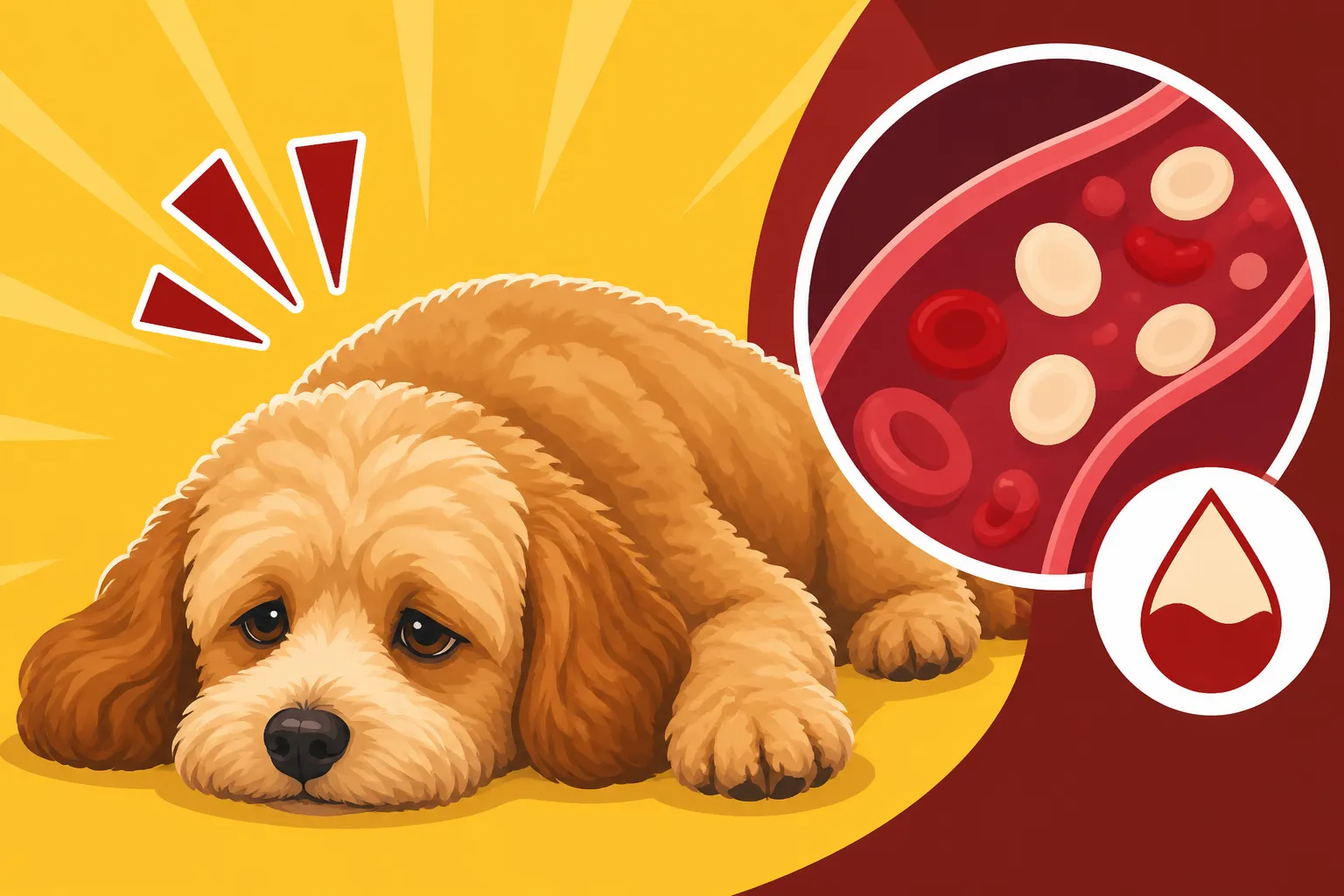
When anemia becomes more severe, particularly in acute situations like a sudden IMHA flare-up or rapid blood loss, the signs become much more alarming. That sudden collapse we talked about is one of them. Your Cockapoo might simply drop, unable to stand, disoriented, or even lose consciousness. Their gums, usually a healthy bubblegum pink, will appear extremely pale, almost white. Their breathing might become rapid and shallow as their body desperately tries to get more oxygen to its tissues. Their heart rate may also increase, pumping faster to compensate for the lack of oxygen-carrying capacity.
Given the Cockapoo's often energetic nature, any significant deviation from their usual exuberance should be a red flag. A normally bouncy, curious dog suddenly becoming lethargic and disinterested in their environment is a clear sign that something serious is happening. Their size can also play a role; a smaller Toy Cockapoo might show signs of distress more rapidly and severely than a larger Maxi Cockapoo, simply because their smaller bodies have less physiological reserve to cope with blood loss or reduced oxygen delivery.
Recognizing the Signs of Anemia Beyond Collapse
While a sudden collapse is undeniably terrifying and an immediate emergency, anemia often gives us subtler clues long before it reaches that critical stage. Learning to spot these early indicators can be life-saving for your Cockapoo, allowing for intervention before the situation becomes dire.
The Shock of Sudden Collapse
Picture this: You’re enjoying a lovely afternoon walk with your Cockapoo, perhaps Fido is chasing a squirrel with his usual vigor, and then, without warning, he stumbles, falls, and can’t get back up. His eyes might look glazed, his body limp, and his breathing shallow and quick. This isn't just a fright; it's a medical emergency that requires immediate veterinary attention. When a Cockapoo collapses due to anemia, it means their red blood cell count has plummeted so low that their vital organs, particularly the brain, are starved of oxygen.
In these moments, panic is a natural reaction. But it's crucial to stay as calm as possible to assess the situation and act quickly. Check their gums immediately – are they white or extremely pale pink? Is their breathing labored or unusually rapid? Do they seem responsive to your voice or touch, or are they completely lethargic? The suddenness can be shocking because often, earlier, less obvious signs might have been missed or attributed to other causes. It’s a stark reminder that even the most seemingly healthy Cockapoo can hide serious underlying health issues until they become critical. Remember, time is of the essence in such situations.
Subtler Clues You Might Miss
Before the dramatic event of a collapse, many Cockapoos will exhibit more understated symptoms of anemia. These are the signs that, if noticed, can prompt an earlier visit to the vet and potentially prevent a crisis. One of the most reliable indicators is the color of their gums. Gently lift your Cockapoo's lip and press your finger on their gum. A healthy Cockapoo will have gums that are a vibrant pink, and when you press, the color should return almost instantly (within 1-2 seconds). If their gums are pale pink, white, or even bluish, and the capillary refill time is slow, it’s a strong sign of anemia. This can be easier to spot if you routinely check your dog's gums so you know what their normal color looks like.
Beyond gum color, changes in energy levels are often an early flag. Your Cockapoo might become unusually tired, less interested in walks or playtime, and spend more time napping. They might lag behind on walks or refuse to go up stairs that they normally navigate with ease. Increased respiratory rate, even when resting, can also be a subtle sign; pay attention if your dog seems to be breathing faster or panting more than usual without recent exertion. Other potential clues include a decreased appetite, unexplained weight loss, or even drinking more water if kidney disease is an underlying factor. Some dogs with chronic anemia might develop a slight yellowish tinge to their skin or whites of their eyes if red blood cells are being destroyed faster than the liver can process the byproducts, indicating conditions like IMHA.
Distinguishing Anemia from Other Emergencies
It's important to understand that while sudden collapse and extreme lethargy point strongly to anemia, other serious conditions can present with similar symptoms. This is why a prompt veterinary diagnosis is so critical. For instance, a Cockapoo experiencing a seizure might also collapse and appear unresponsive. However, seizures usually involve uncontrolled muscle twitching or rigidity, followed by a period of disorientation (the post-ictal phase). Anemia-related collapse is typically characterized by profound weakness without the convulsive activity. Knowing the difference can help you relay crucial information to your vet. You can also research Whether Seizures Are Recorded in Cockapoo Pedigrees if you have concerns about your dog's lineage.
Another condition that can cause sudden weakness is hypoglycemia, or low blood sugar, which can be particularly dangerous for small or very young Cockapoos. Dogs with hypoglycemia might appear weak, disoriented, or even collapse, but their gums might still be pink if anemia isn't present. They might also shiver or seem disoriented. A cardiac event, like a sudden heart arrhythmia, can also cause collapse, often without the pale gums characteristic of anemia. The key takeaway here is that any sudden collapse or severe weakness is an emergency, and while anemia is a common cause, your veterinarian will need to conduct diagnostic tests to pinpoint the exact problem. Don't try to self-diagnose; get to the emergency vet as quickly as possible.
Immediate Actions and Veterinary Care
When your Cockapoo suddenly collapses or shows severe signs of anemia, your immediate actions can make a significant difference in their outcome. This is not a wait-and-see situation; it’s a race against time.
First Steps When Your Cockapoo Collapses
Witnessing your Cockapoo collapse is terrifying, but staying calm is the most important thing you can do for them. First, ensure their safety. If they’ve collapsed in a dangerous spot, like near a road or on stairs, gently move them to a safe, quiet area. Try to keep them as still as possible to minimize any further distress or internal damage. Check their breathing and heart rate. Place your hand on their chest behind their elbow to feel for a heartbeat. Look at their gums – are they pale or white? This quick assessment will give you vital information to relay to your emergency vet.
Once you’ve made them safe and gathered some basic observations, call your veterinary emergency clinic immediately. Do not hesitate. Explain what happened clearly and concisely. They will likely advise you to bring your Cockapoo in right away. While you prepare for transport, try to keep your dog warm if they seem cold, perhaps with a light blanket, but avoid overheating. Handle them gently to avoid any additional stress or pain. If your Cockapoo is small enough, carry them in your arms or a pet carrier. For larger Cockapoos, a blanket or towel used as a sling can help support them during transport. Every second counts, so knowing the location and contact information of your nearest 24-hour veterinary emergency clinic is crucial for every pet owner.
Diagnostic Journey at the Vet
Once you arrive at the emergency clinic, the veterinary team will jump into action. Their first priority will be to stabilize your Cockapoo, which might involve administering oxygen, intravenous fluids, or even emergency blood transfusions if the anemia is severe enough to be life-threatening. Simultaneously, they’ll begin a thorough diagnostic workup to determine the cause of the anemia. This typically starts with a complete blood count (CBC), which is a vital test that measures the number of red blood cells, white blood cells, and platelets. The hematocrit or PCV (Packed Cell Volume) will tell them the percentage of red blood cells in your Cockapoo’s blood, directly indicating the severity of the anemia.
Depending on the initial CBC results, further tests will be recommended. A reticulocyte count, for example, helps determine if the bone marrow is trying to respond to the anemia by producing new red blood cells. A Coombs test might be run if immune-mediated hemolytic anemia (IMHA) is suspected. Diagnostic imaging, such as X-rays or ultrasound, may be necessary to look for internal bleeding, tumors, or organ abnormalities that could be causing the anemia. This could include checking for issues like The Bloodwork That Catches a Cockapoo's Kidney Disease, as kidney problems can lead to anemia. In some cases, a bone marrow biopsy might be needed if there’s suspicion of a primary bone marrow disorder. This systematic approach allows the veterinary team to piece together the puzzle and arrive at an accurate diagnosis, which is essential for effective treatment.
Treatment Options and Prognosis
The treatment for anemia in your Cockapoo will entirely depend on the underlying cause. If it's IMHA, the primary treatment often involves immunosuppressive drugs like corticosteroids to stop the immune system from destroying red blood cells. In severe cases, a blood transfusion might be immediately necessary to save your Cockapoo's life while the medications take effect. Transfusions provide instant, temporary relief by boosting oxygen-carrying capacity. Managing these costs can be substantial, and this is where pet insurance, like a comprehensive policy from Healthy Paws, can be an absolute lifesaver, covering a significant portion of these emergency and ongoing treatments.
For anemia due to blood loss, the focus will be on stopping the bleeding, whether that means surgery for a ruptured tumor or ulcers, or treating parasitic infestations. If chronic kidney disease is the culprit, treatment will involve managing the kidney condition, often with special diets, medications, and sometimes erythropoietin injections to stimulate red blood cell production. The prognosis varies widely. Acute, severe anemia from IMHA can be very challenging, and some dogs may not survive despite aggressive treatment. However, many Cockapoos, especially those diagnosed and treated early for conditions like IMHA or treatable causes of blood loss, can go on to live long, happy lives with appropriate management. Early diagnosis and consistent follow-up care are critical for a positive outcome. You can learn more about How Long Immune Anemia Treatment Runs in a Cockapoo to set your expectations for ongoing care.
| Anemia Type | Common Causes | Key Symptoms (beyond collapse) | Primary Treatment Focus | Potential Prognosis |
|---|---|---|---|---|
| Immune-Mediated | Immune system attacks red blood cells | Pale gums, lethargy, jaundice, weakness | Immunosuppressants, blood transfusions (emergency) | Guarded to good with treatment |
| Blood Loss | Internal/external injury, parasites, tumors, ulcers | Pale gums, weakness, dark stools, rapid heart rate | Stop bleeding (surgery, deworming), transfusions | Varies greatly by cause |
| Reduced Production | Chronic kidney disease, bone marrow issues, nutritional deficiency | Lethargy, poor appetite, pale gums, weight loss | Treat underlying condition, supplements, erythropoietin | Varies greatly by cause |
Managing and Preventing Anemia
Living with a Cockapoo that has experienced anemia, especially a severe episode, means committing to ongoing management and vigilance. While not all causes are preventable, there are definite steps you can take to support your dog’s health and potentially minimize risks.
Lifelong Management for Chronic Anemia
If your Cockapoo has been diagnosed with a chronic form of anemia, such as that stemming from kidney disease or well-managed IMHA, lifelong management will be key. This often involves a strict medication regimen, which could include immunosuppressants, iron supplements, or medications to support kidney function. Regular veterinary check-ups and blood tests are absolutely non-negotiable to monitor their red blood cell count, assess medication effectiveness, and watch for any signs of recurrence or side effects. These follow-up appointments can be frequent initially, perhaps weekly or bi-weekly, then stretching out to monthly or quarterly as your dog stabilizes.
You’ll become an expert in observing your Cockapoo’s subtle cues. Daily monitoring of their energy levels, appetite, and the color of their gums will become second nature. Keeping a detailed log of these observations, along with medication administration, can be incredibly helpful for your vet. Adjustments to diet may also be necessary, especially for kidney-related anemia, to reduce the workload on compromised organs. Finding a routine that works for both you and your Cockapoo, making medication time positive, and ensuring they have a comfortable, low-stress environment are all crucial components of successful long-term management. While it might sound daunting, with dedication, many Cockapoos with chronic anemia can maintain a good quality of life. Be sure to discuss What Treating Immune Anemia Costs in a Cockapoo with your vet, and check with your insurance provider like Healthy Paws about coverage for ongoing care.
The Role of a Healthy Diet and Supplements
A balanced, high-quality diet is fundamental for overall health and plays a supportive role in preventing certain types of anemia. Ensure your Cockapoo is eating a nutritionally complete and balanced dog food appropriate for their life stage and size. Reputable commercial dog foods are generally fortified with all the necessary vitamins and minerals, including iron, which is essential for red blood cell production. Avoiding cheap, low-quality foods that might lack essential nutrients can prevent deficiencies.
For Cockapoos with specific anemia concerns, your vet might recommend dietary changes or specific supplements. For instance, dogs recovering from iron-deficiency anemia might benefit from iron supplements, though these should only be given under veterinary guidance, as too much iron can be toxic. Omega-3 fatty acids can support overall cellular health and reduce inflammation, which might be beneficial for dogs with immune-mediated conditions. Vitamin B complex, particularly B12 and folate, also plays a role in red blood cell formation. Always consult your veterinarian before adding any supplements to your Cockapoo’s diet, as incorrect dosages or unnecessary supplements can do more harm than good. They can help you tailor a nutritional plan that addresses your Cockapoo’s specific needs without compromising their existing medical conditions.
Breeder Responsibility and Health Testing
When bringing a Cockapoo into your home, whether as a puppy or an adult, understanding their lineage and the health practices of the breeder is paramount. Certain types of anemia, particularly autoimmune conditions like IMHA, can have a genetic component. Reputable breeders will actively screen their breeding stock for known hereditary health issues in both Cocker Spaniels and Poodles, which combine to make the Cockapoo. While there isn't a single "anemia test" for breeders, comprehensive health testing for the parent breeds helps reduce the risk of passing on predispositions to various diseases, including some that can lead to anemia.
Always ask to see the health clearances for the parent dogs, including those for eyes, hips, and patellas, but also inquire about the incidence of autoimmune diseases or other chronic conditions in their lines. A breeder who is transparent about their dogs' health history and openly discusses potential breed-specific concerns is usually a good sign. They should be able to provide documentation, not just verbal assurances. Asking about the health of past litters can also offer valuable insights. This diligent approach to selecting a breeder helps ensure you are starting with the healthiest possible foundation for your Cockapoo and can potentially help you avoid some of the heartbreaking and costly health challenges down the road. Sadly, Whether an Untested Cockapoo Litter Is a Gamble is a question many owners face, and it highlights the importance of choosing a responsible breeder who prioritizes health.
Disclaimer
The information provided in this article is for educational purposes only and is not intended to be a substitute for professional veterinary advice, diagnosis, or treatment. Always seek the advice of your veterinarian or other qualified health provider with any questions you may have regarding a medical condition. Never disregard professional veterinary advice or delay in seeking it because of something you have read here.