Whether a Cockapoo Gets Immune Mediated Platelet Loss
It’s truly unsettling to imagine your happy-go-lucky Cockapoo suddenly developing a mysterious illness, especially one that sounds as serious as immune-mediated platelet loss. Many Cockapoo owners worry about the various genetic predispositions their beloved dogs might inherit from their Poodle and Cocker Spaniel lineage. This guide will delve into whether Cockapoos are indeed susceptible to immune-mediated thrombocytopenia (IMT), what signs to watch for, and how this challenging condition is managed.
Understanding Immune-Mediated Thrombocytopenia (IMT)
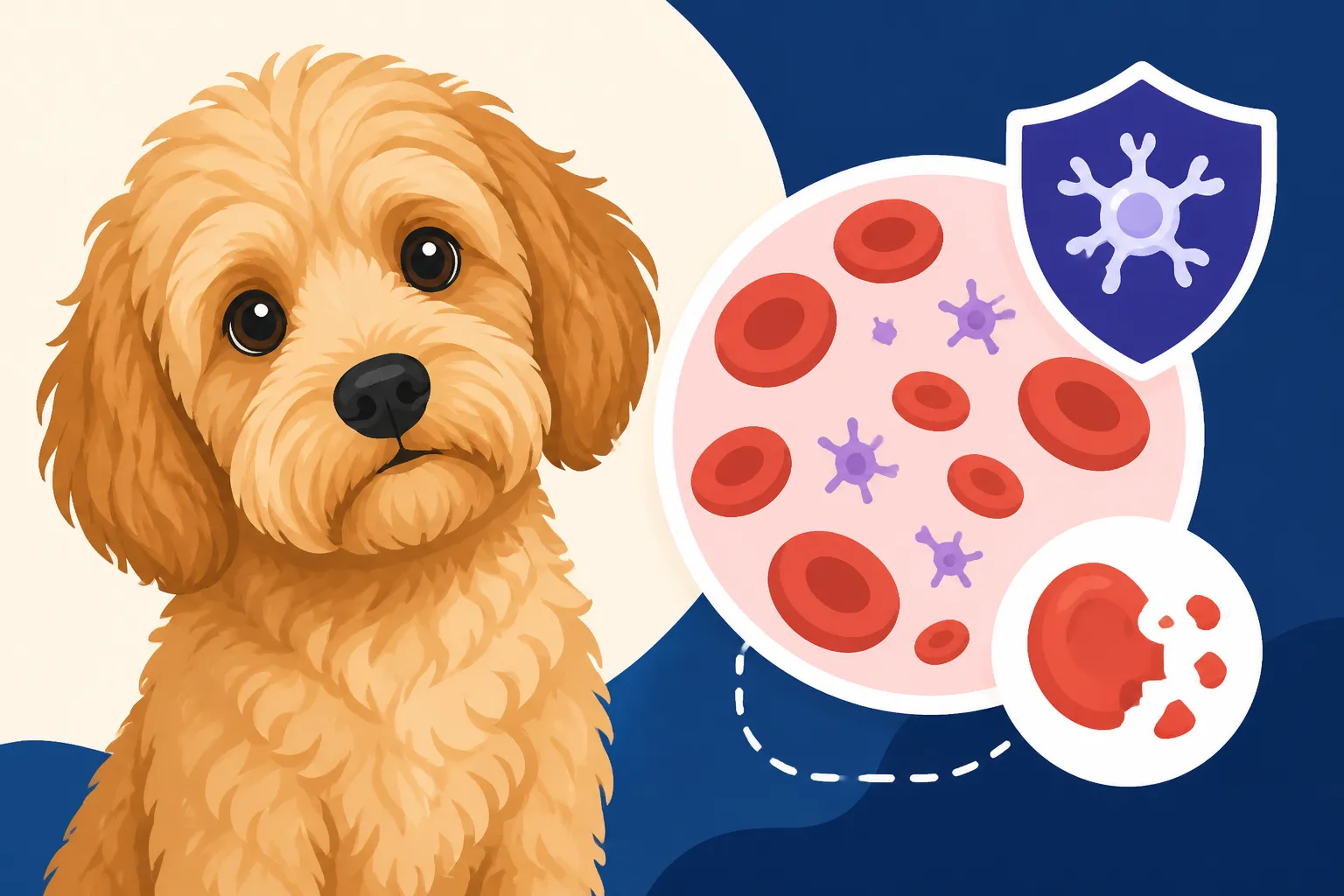
Immune-Mediated Thrombocytopenia, or IMT, is a perplexing autoimmune disease where a dog's own immune system mistakenly attacks and destroys its platelets, which are tiny cells vital for blood clotting. Imagine your body suddenly turning against a crucial part of itself, like a self-sabotage mechanism. Platelets are like the little construction workers of the bloodstream; they rush to any injury site, sticking together to form a plug and stop bleeding. When their numbers drop drastically due to IMT, even a minor bump can lead to significant bleeding, and sometimes, bleeding can occur spontaneously without any visible injury.
What Exactly Are Platelets and Why Are They Important?
Platelets, also known as thrombocytes, are small, irregularly shaped clear cell fragments in the blood that don't have a nucleus. Their primary role is in hemostasis, the process of stopping bleeding. When a blood vessel is damaged, platelets are activated, changing shape and becoming sticky, allowing them to clump together at the site of injury. They also release chemical signals that attract more platelets and other clotting factors, forming a stable blood clot. This intricate dance is what prevents excessive blood loss from cuts, scrapes, or even internal ruptures. Without enough platelets, this vital process can't happen effectively, leaving a dog vulnerable to uncontrolled bleeding.
This is why a severe drop in platelet count is so dangerous. It's not just about a few extra bruises; it can lead to life-threatening internal hemorrhages, particularly in organs like the brain or gastrointestinal tract. The normal platelet count in dogs typically ranges from 175,000 to 500,000 per microliter of blood. In dogs with IMT, this count can plummet to below 50,000, or even dramatically lower, sometimes almost zero. It's a truly frightening situation for any pet owner, watching their vibrant companion become so fragile.
Genetic Predispositions in Parent Breeds
When we talk about whether a Cockapoo gets IMT, we first have to look at its parent breeds: the Poodle and the Cocker Spaniel. Both of these breeds have a documented predisposition to various autoimmune diseases, including IMT. Cocker Spaniels, in particular, are notorious for a higher incidence of immune-mediated conditions. Their genetic makeup seems to make them more prone to their immune systems going haywire. This means that a Cockapoo, inheriting genes from both sides, can absolutely carry a heightened risk for developing IMT. It's not a guaranteed inheritance, of course, but the potential is certainly there.
Poodles, especially Miniature and Standard Poodles, also show an increased risk for autoimmune disorders, including not just IMT but also other immune-mediated conditions like Addison's disease or autoimmune hemolytic anemia (AIHA). The combination of these two predisposed breeds in the Cockapoo mix means that while you might think a hybrid dog is inherently healthier, they can still inherit the unfortunate genetic lottery tickets from both sides. It's crucial for prospective Cockapoo owners to understand this, as it underscores the importance of choosing a reputable breeder who prioritizes health testing and has a clear understanding of the genetic health of their breeding lines. While IMT itself doesn't have a direct DNA test for carriers like some other conditions, knowing the prevalence in the parent breeds is key. You can also learn more about The Autoimmune Diseases a Cockapoo Can Inherit to prepare for other possibilities.
Recognizing the Warning Signs of Platelet Loss
Recognizing the early warning signs of immune-mediated platelet loss in your Cockapoo is absolutely critical, as prompt veterinary intervention can significantly improve the outcome. Because platelets are essential for clotting, many of the symptoms revolve around unusual bleeding or bruising. These signs can sometimes be subtle at first, making them easy to miss or dismiss as minor injuries, but they can escalate quickly.
Visible Bleeding and Bruising
One of the most common and alarming signs of IMT is spontaneous bleeding or bruising. You might notice small, pinpoint red or purple spots on your dog’s skin, particularly on lighter-skinned areas like the belly, groin, or inside the ears. These are called petechiae and are essentially tiny hemorrhages under the skin. Larger bruised areas, known as ecchymoses, can also appear without any trauma. Imagine waking up to find patches on your dog that look like they've been bumped hard, but you know they haven't been. That’s a huge red flag.
Beyond the skin, other visible signs of bleeding include nosebleeds (epistaxis), bleeding gums (especially during chewing or if gently brushed), or blood in the urine (hematuria) or stool (melena, which appears as black, tarry stools due to digested blood, or fresh red blood, hematochezia). Don't ignore these symptoms, even if they seem intermittent. Sometimes, dogs might lick their paws excessively, and upon closer inspection, you might find blood on their paws from tiny cuts that aren't clotting properly. This can be particularly concerning because these bleeding episodes can rapidly lead to significant blood loss, causing weakness and other systemic issues.
Subtle Behavioral and Energy Changes
While bleeding signs are often stark, many dogs with IMT also exhibit more subtle behavioral and energy changes that can be easy to overlook or misattribute to other causes. Lethargy, a noticeable decrease in energy, is a very common symptom. Your usually playful Cockapoo might suddenly seem uninterested in walks, games, or even their favorite toys. They might sleep more than usual or appear generally listless and tired. This can be due to the underlying illness itself, or it could be a direct result of anemia caused by ongoing blood loss, even if it’s internal and not immediately visible.
Another sign to watch for is a reduced appetite or a complete refusal to eat. Your Cockapoo might also show signs of discomfort or pain, such as being withdrawn, panting excessively, or being reluctant to move. They might seem generally unwell or "off." Pay close attention to changes in their breathing pattern; rapid or labored breathing could indicate internal bleeding affecting the lungs or severe anemia. Any unexplained weakness or sudden collapse is an emergency. It’s always best to err on the side of caution and consult your veterinarian if your Cockapoo displays a combination of these symptoms, even if you can't immediately pinpoint visible bleeding. Sometimes these subtle changes are the first clue before more dramatic signs appear. If you suspect any blood clotting issue, it’s worth asking your vet if Whether a Cockapoo Carries a Bleeding Disorder is a possibility, even if it’s not IMT.
Here’s a quick overview of potential signs and their urgency:
| Symptom | Description | Urgency Level |
|---|---|---|
| Petechiae / Ecchymoses | Pinpoint red spots or larger bruises on skin/gums | High |
| Nosebleeds (Epistaxis) | Bleeding from the nostrils, often spontaneous | High |
| Blood in Urine/Stool | Red urine, black/tarry stools, or fresh blood in feces | High |
| Bleeding Gums | Gums bleeding easily, especially during eating or brushing | High |
| Lethargy/Weakness | Unexplained tiredness, lack of energy, reluctance to move | Moderate |
| Pale Gums | Gums appear lighter than normal, indicating anemia | Moderate |
| Reduced Appetite | Eating less or refusing food | Moderate |
| Rapid/Labored Breathing | Panting excessively or difficulty breathing without exertion | High |
| Sudden Collapse | Loss of consciousness or inability to stand | Emergency |
Diagnosing and Treating Immune-Mediated Thrombocytopenia
When you bring your Cockapoo to the vet with suspected IMT, a thorough diagnostic process is essential to confirm the condition and rule out other causes of low platelet count. Diagnosing IMT can sometimes be a bit like detective work, as many things can cause platelets to drop, and getting to the root cause is crucial for effective treatment. Once diagnosed, the treatment aims to stop the immune system's attack and support the dog while their platelet count recovers.
The Diagnostic Process
The first step in diagnosing IMT almost always involves a complete blood count (CBC). This routine blood test will reveal your Cockapoo's platelet count. A significantly low platelet count is the primary indicator. However, a low platelet count alone isn't enough for an IMT diagnosis, as other conditions like certain infections (tick-borne diseases, for example), some cancers, severe blood loss, or even certain medications can cause thrombocytopenia. To rule these out, your vet might recommend additional tests. These could include blood smears to visually inspect platelets and other blood cells, infectious disease panels (especially for common tick-borne illnesses like Ehrlichia or Anaplasma), and a biochemistry profile to assess organ function.
Sometimes, a bone marrow biopsy might be necessary. This procedure helps the vet examine the cells that produce platelets (megakaryocytes) in the bone marrow. In IMT, these precursor cells are often present in normal or even increased numbers, indicating that the body is trying to make platelets, but they are being destroyed too quickly. This helps differentiate IMT from conditions where the bone marrow isn't producing enough platelets to begin with. Your vet will piece together all these clues, alongside a detailed history of your dog's symptoms and any medications they've been on, to arrive at a definitive diagnosis of primary IMT, where there's no identifiable underlying cause, or secondary IMT, where it's triggered by another condition. This comprehensive approach ensures that your Cockapoo receives the most accurate diagnosis and, subsequently, the most effective treatment plan.
Treatment Strategies and Prognosis
Once IMT is diagnosed, the cornerstone of treatment is usually immunosuppressive therapy. Corticosteroids, like prednisone, are often the first line of defense. These powerful drugs work by dampening the immune system's overreaction, preventing it from destroying platelets. The dosage is typically high initially and then gradually tapered down as the platelet count stabilizes. However, steroids can have side effects, including increased thirst, urination, appetite, and sometimes panting, so your vet will monitor your dog closely. In more severe or unresponsive cases, other immunosuppressants like azathioprine, cyclosporine, or mycophenolate might be added to the regimen. These additional medications help to further suppress the immune system and allow for a lower dose of steroids, thereby reducing steroid side effects.
Supportive care is equally vital, especially in the initial stages. If your Cockapoo is severely anemic due to significant blood loss, a blood transfusion (platelet-rich plasma or whole blood) might be necessary to stabilize them and buy time for the medications to start working. Hospitalization is often required for close monitoring during the acute phase. The prognosis for IMT can vary. Many dogs respond well to treatment, especially if caught early, and can go into remission, living long, healthy lives. However, IMT can be chronic or recurrent, requiring lifelong medication or repeated treatment courses. Relapses are not uncommon, so vigilance is key for owners. It's a journey, not a sprint, and managing this condition often means ongoing communication with your vet. When facing such unexpected and potentially expensive treatments, it’s worth noting that a good pet insurance plan, like those offered by Healthy Paws, can significantly ease the financial burden. They often cover conditions like IMT, helping you focus on your dog's recovery without the added stress of crushing vet bills. You can explore What Treating Immune Anemia Costs in a Cockapoo to get an idea of potential expenses for similar immune issues.
Living with a Cockapoo Affected by IMT
Discovering your Cockapoo has Immune-Mediated Thrombocytopenia can feel overwhelming, but with careful management and a proactive approach, many dogs can live full and happy lives. It requires a commitment to ongoing care, close observation, and a strong partnership with your veterinary team.
Ongoing Management and Monitoring
Living with a Cockapoo affected by IMT means becoming an expert observer of your dog’s health. Regular veterinary check-ups are paramount, often including frequent blood tests to monitor platelet counts and adjust medication dosages. Initially, these checks might be weekly or bi-weekly, gradually spacing out as your dog stabilizes. You'll need to administer medications precisely as prescribed, understanding their purpose and potential side effects. For example, if your Cockapoo is on prednisone, you'll need to be aware of increased thirst and urination, and ensure they have constant access to water and frequent potty breaks.
Beyond medication, minimizing trauma is crucial. For a dog with low platelets, even a minor bump can cause significant bleeding. This might mean avoiding rough play, limiting off-leash activities in dense brush, and being extra cautious during walks. Consider dog-proofing your home to remove sharp objects or potential hazards. Keep a watchful eye for any new petechiae, bruising, nosebleeds, or changes in energy levels. Maintaining a detailed log of your dog's symptoms, medications, and any observations can be incredibly helpful for your vet. This consistent vigilance and proactive management are key to preventing relapses and ensuring your Cockapoo maintains a stable quality of life. Owners who have prepared by Setting Money Aside for a Cockapoo's Vet Bills find themselves in a better position to handle these ongoing costs.
Lifestyle Adjustments and Quality of Life
While IMT presents challenges, it doesn't mean your Cockapoo can't enjoy a good quality of life. Lifestyle adjustments are about balancing safety with happiness. Gentle exercise, such as leash walks on soft ground, can still be encouraged, but high-impact activities or anything that could lead to injury should be avoided, especially during periods of low platelet count. Mental stimulation, through puzzle toys, scent games, or gentle training sessions, becomes even more important to keep your Cockapoo engaged and happy without physical exertion. Consider Scent Work That Satisfies a Cockapoo as a great low-impact activity.
Diet plays a role too; your vet might recommend a specific diet to support overall health and immune function. For instance, some holistic vets suggest diets rich in anti-inflammatory foods. Always discuss any dietary changes or supplements with your veterinarian. Emotionally, it can be tough to see your energetic Cockapoo restrained, but understanding that these measures are for their long-term well-being is key. Many owners find immense comfort in knowing they're doing everything possible to manage the condition. A robust pet insurance policy, like those available from Healthy Paws, can be an invaluable resource, covering the costs of continued medication, veterinary visits, and potential emergency care, helping you focus on your dog's comfort and happiness throughout their The Fourteen to Eighteen Years a Cockapoo Lives. When you are considering Insuring a Cockapoo Against Two Parent Breeds, make sure to inquire about coverage for chronic conditions. Knowing What Insuring a Cockapoo Runs Monthly can help budget for this essential safety net.
Disclaimer
This article is intended for informational purposes only and does not constitute veterinary advice. Always consult with a qualified veterinarian for any health concerns or before making any decisions about your pet's medical care. Individual cases may vary, and a professional diagnosis and treatment plan are essential.