Asking for a Cockapoo’s Eye Certificates
Bringing a Cockapoo into your life is an incredibly exciting time, filled with dreams of cuddles, playful romps, and unwavering companionship. But, let's be real, navigating the world of breeders and health clearances can feel like trying to solve a puzzle while blindfolded. One of the most critical, yet often overlooked, aspects is understanding and asking for your potential Cockapoo puppy's eye health certificates. This guide will walk you through exactly why these documents are so important and how to confidently discuss them with breeders, ensuring you bring home the healthiest possible furry family member.
The Importance of Eye Health in Cockapoos
When you're looking at those adorable Cockapoo puppies, it’s hard to imagine anything but perfection. Yet, like all breeds, Cockapoos can be predisposed to certain genetic health issues, and their eyes are no exception. Because they are a cross between Cocker Spaniels and Poodles, they can inherit conditions from either side of their family tree. Ignoring these potential issues isn't just risky; it can lead to heartache and significant veterinary bills down the line. We want our pups to see the world clearly and happily for their entire The Fourteen to Eighteen Years a Cockapoo Lives, right?
Why Cockapoos Are Prone to Certain Eye Conditions
The genetic lottery plays a huge role in a Cockapoo's health. Both parent breeds, the Cocker Spaniel and the Poodle, have documented predispositions to various ocular conditions. This means that a Cockapoo can inherit a susceptibility to eye problems from both its Cocker side and its Poodle side, or even a combination of genes that makes them more vulnerable. It’s not about finding a perfect dog, because no such thing exists, but about making an informed choice to mitigate known risks. A responsible breeder will understand this and be proactive in testing their breeding stock.
Think about it this way: if a Cocker Spaniel parent carries a gene for one type of eye disease and a Poodle parent carries a gene for another, the Cockapoo puppy could potentially inherit both. This genetic blend, while wonderful for temperament and coat, also necessitates careful health screening. For instance, the Cocker Spaniel is known for certain types of glaucoma and cataracts, while Poodles can pass on progressive retinal atrophy (PRA). Knowing these potentials helps you understand why those certificates are so crucial.
It’s not just about inherited diseases manifesting immediately. Some conditions might not show up until your Cockapoo is older, perhaps even past ten years old. This is why it’s not enough for a breeder to simply say the parents ‘look healthy.’ Genetic testing and regular veterinary ophthalmologist examinations are key to identifying carriers or affected dogs before they are bred, protecting future generations.
Common Eye Conditions to Be Aware Of
There’s a whole alphabet soup of eye conditions that can affect Cockapoos, and it’s overwhelming to learn them all at once. However, familiarizing yourself with the most common ones will empower you when you’re talking to breeders and later, to your vet. These aren't just scary words; they represent real challenges that can impact your dog's quality of life.
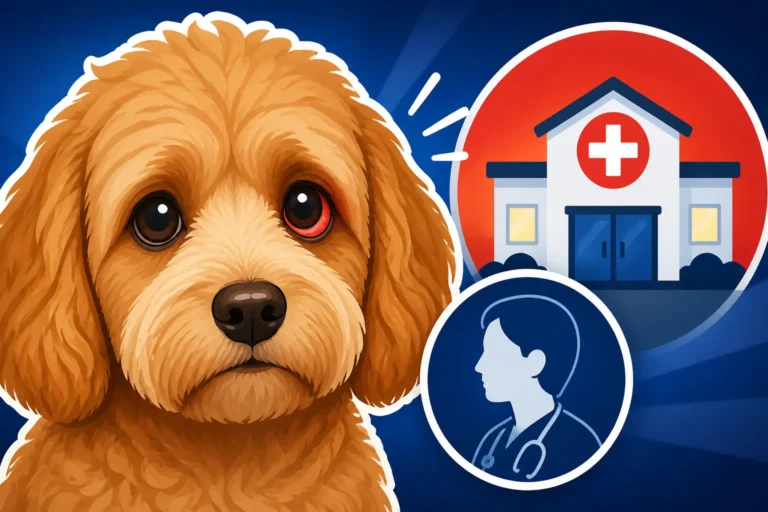
One of the most talked-about conditions is Progressive Retinal Atrophy (PRA), particularly the prcd-PRA variant. This is a degenerative disease that affects the retina, leading to blindness. It's often passed down from the Poodle side. Many Cockapoo owners worry about The Age prcd-PRA Takes a Cockapoo's Sight, which can vary but often progresses in middle age. There's a DNA test for prcd-PRA, which is why you'll hear breeders talk about "clear" parents. Similarly, Glaucoma, where pressure builds up in the eye, can be inherited from the Cocker Spaniel side. It's incredibly painful and can lead to rapid blindness if not treated promptly. Owners often fear The Red Eye That Means a Cockapoo Needs a Vet Tonight because it could be a sign of acute glaucoma.
Then there are cataracts, which are clouding of the eye's lens. While some cataracts are age-related, others can be inherited and appear much earlier in life. Whether a Cockapoo's Cataracts Are Worth Operating On is a question many owners face, depending on the severity and impact on vision. Other conditions to be aware of include Distichiasis (extra eyelashes rubbing the eye), Entropion (eyelids rolling inward), Ectropion (eyelids rolling outward), and "Cherry Eye," which is when the third eyelid gland prolapses. While some of these are less severe than PRA or glaucoma, they can still cause discomfort and require veterinary intervention.
Here's a quick look at some key inherited eye conditions relevant to Cockapoos:
| Condition | Primary Parent Breed Association (Commonly) | Impact on Vision | Severity | Test Type |
|---|---|---|---|---|
| Progressive Retinal Atrophy (PRA) | Poodle (prcd-PRA) | Progressive Blindness | High | DNA Test |
| Glaucoma | Cocker Spaniel | Acute Blindness | High | Ocular Exam |
| Cataracts (Hereditary) | Both Cocker Spaniel & Poodle | Variable Impairment | Moderate-High | Ocular Exam |
| Distichiasis | Cocker Spaniel | Irritation, Corneal Damage | Low-Moderate | Ocular Exam |
| Entropion/Ectropion | Both | Irritation, Corneal Damage | Low-Moderate | Ocular Exam |
| Cherry Eye | Cocker Spaniel | Irritation, Visible Mass | Low-Moderate | Ocular Exam |
Understanding Eye Health Certificates and Screenings
Okay, so we know what to look out for, but how do we actually verify that a breeder is doing their due diligence? This is where understanding eye health certificates and screenings comes in. It’s not just about asking for a piece of paper; it’s about understanding what that paper represents and the rigorous process behind it.
What is a CAER Exam and Why is it Essential?
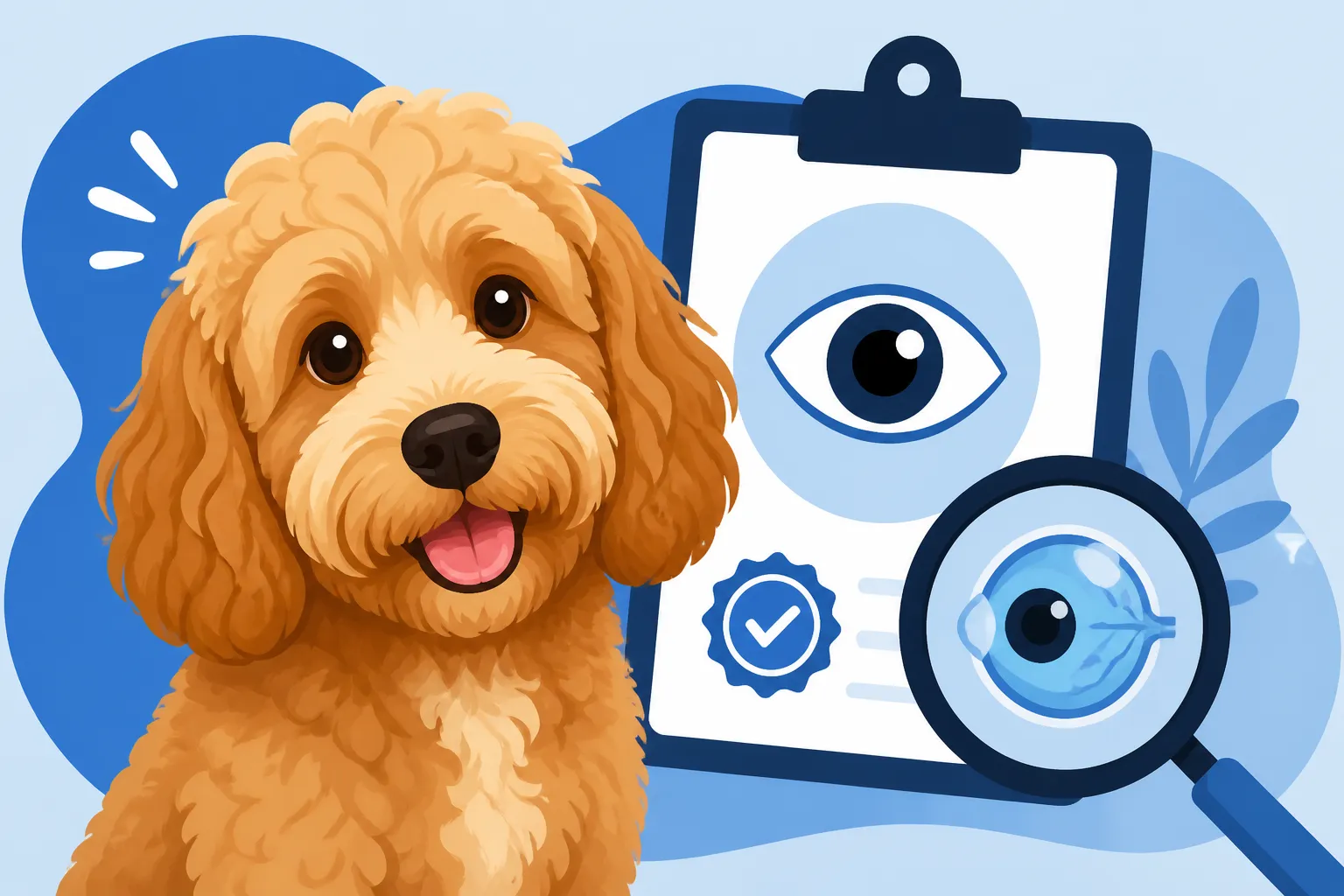
The Canine Eye Registration Foundation (CERF) used to be the main organization for certifying eye health. These days, it's largely been integrated into the Orthopedic Foundation for Animals (OFA) Companion Animal Eye Registry, or CAER. A CAER exam is a specialized eye examination performed by a board-certified veterinary ophthalmologist. This isn't your regular vet check-up; it's a thorough inspection of the entire eye structure.
During a CAER exam, the ophthalmologist will dilate the dog's pupils to get a clear view of the retina and other internal structures. They'll check for a whole host of conditions, both hereditary and acquired, including those we mentioned earlier like cataracts, glaucoma, PRA, and eyelid abnormalities. The results are then submitted to the OFA, and if the dog is found to be free of detectable inherited eye disease at the time of the exam, they receive a CAER certification. This certification is valid for one year, meaning breeding dogs should be re-examined annually to maintain their clear status. This annual re-certification is incredibly important because some conditions can develop later in life. This also connects to the importance of Whether a Cockapoo Needs a Yearly CAER Exam.
Why is this so essential for Cockapoos? Because it provides a snapshot of the parent dogs' eye health at the time of breeding. It’s a physical examination that catches conditions that might not be detectable by DNA tests alone, or conditions that aren't yet genetic markers. A responsible breeder will have recent, clear CAER certificates for both parent dogs, demonstrating their commitment to breeding healthy puppies.
Decoding Eye Health Certificates
So you've asked the breeder, and they've provided you with certificates. Fantastic! But what exactly are you looking at? These aren't always straightforward documents, and understanding the jargon can be daunting. It's like reading a medical chart for the first time – confusing, right? But with a little guidance, you can feel confident in what you're seeing.
First, look for the official letterhead from the OFA (Orthopedic Foundation for Animals) or a similar recognized registry. The certificate should clearly state the dog's registered name, breed (American Cocker Spaniel, English Cocker Spaniel, or Poodle), date of birth, and microchip or tattoo number. This helps verify you're looking at the right dog's results. Then, find the date of the examination. Remember, CAER certifications are annual, so it's best if the exam was conducted within the last 12 months, especially if the dog has been used for breeding recently.
The most important part is the "Findings" or "Evaluation" section. This is where the ophthalmologist lists any observed conditions. Ideally, you want to see "Normal" or "Clear" for all conditions, indicating no observable signs of inherited eye disease. If there are any findings, even mild ones, ask the breeder to explain them. Sometimes a minor, non-hereditary condition might be noted, but anything hereditary or potentially serious should be a red flag that warrants further discussion or consideration. Don’t be shy about asking for clarification – this is your future furry family member’s health at stake. For specific genetic conditions like prcd-PRA, a separate DNA test certificate might also be provided, showing a result of "Clear," "Carrier," or "Affected." For breeding, "Clear" parents are ideal to ensure puppies won't be affected.
How to Approach a Breeder About Eye Certificates
Now that you understand why these certificates matter, the next step is actually having that conversation with a potential breeder. This can feel a bit intimidating, like you're putting them on the spot, but a truly reputable and transparent breeder will welcome your questions and appreciate your diligence. They want their puppies to go to informed homes.
When and How to Ask for Proof
The best time to ask about health certificates, including eye clearances, is early in your communication with a breeder. Don't wait until you're already emotionally invested in a specific puppy. When you first inquire about a litter or their breeding program, make it clear that health testing is a top priority for you. A good starting point is to ask, "Could you please tell me about the health testing you do for your breeding dogs, especially regarding eye conditions? Do you conduct OFA CAER exams and DNA tests for conditions like prcd-PRA?"
Most breeders will be happy to share this information. Request copies of the actual certificates, not just a verbal assurance. You can ask for digital copies (photos or PDFs) via email before you even visit the puppies. When you do visit, ask to see the original documents. This allows you to scrutinize the details, match them to the parent dogs you meet, and verify the dates. If a breeder is evasive, gives vague answers, or refuses to provide documentation, consider it a significant red flag. They should have nothing to hide if they're committed to ethical breeding practices. Remember, asking for Asking a Cockapoo Breeder for the FN Certificate (for Familial Nephropathy) or eye certificates is not being pushy; it's being responsible.
What to Do if a Breeder Hesitates or Refuses
Let's face it, not all breeders operate with the same level of transparency or integrity. If you encounter a breeder who hesitates or outright refuses to provide eye certificates or other health clearances, take a step back. This is not a situation where you should feel pressured or guilty. It's a huge red flag that their breeding practices might not be up to par, and it could mean you're taking on a significant risk.
A breeder might offer excuses like, "The parents are perfectly healthy, you can see for yourself," or "We don't believe in all that fancy testing." While a dog might look healthy, many serious inherited conditions, particularly eye diseases, are silent until they're advanced. And if a breeder is dismissing recognized health protocols, it suggests a lack of understanding or concern for the well-being of the puppies they produce. If they claim their vet does a basic check, politely explain that only a board-certified veterinary ophthalmologist can perform a CAER exam, and DNA tests are specific for certain genetic markers like prcd-PRA.
If a breeder seems reputable in other ways but lacks some documentation, you might ask why. Perhaps a certificate recently expired, and they are awaiting a new appointment. However, if there's a consistent pattern of missing or outdated tests, or if they refuse to even discuss it, it's time to walk away. There are many responsible Cockapoo breeders out there who prioritize health and transparency. Don't settle for less, because Whether an Untested Cockapoo Litter Is a Gamble is a question that, unfortunately, often leads to heartbreak and unforeseen expenses down the line. Remember, organizations like the Cockapoo Club of America and the American Cockapoo Club often encourage or require their members to perform these health tests.
Beyond the Certificate: Ongoing Eye Care for Your Cockapoo
Getting a puppy from health-tested parents is a fantastic start, but your role in maintaining your Cockapoo’s eye health doesn’t end there. Just like us, dogs need ongoing care, and their eyes are a delicate part of their anatomy. Being proactive can help you spot potential problems early and ensure your Cockapoo enjoys good vision throughout their life.
Recognizing Signs of Eye Trouble
Even with the best breeding, issues can arise, or sometimes environmental factors can cause problems. As a diligent Cockapoo owner, you should know the common signs that indicate something might be amiss with your dog's eyes. Early detection is key to successful treatment and preventing more severe issues.
Keep an eye out for any changes in appearance or behavior related to your Cockapoo's eyes. Redness in the white of the eye or around the eyelids is a common sign of irritation or infection. Excessive tearing, squinting, or holding an eye partially or fully closed are also indicators of discomfort. Discharge from the eyes – whether clear, yellowish, or thick – is another red flag, potentially pointing to allergies, infection, or tear duct issues. Pay attention to how your dog acts around light; sensitivity to light could mean pain or inflammation. If you notice any cloudiness in the eye, changes in pupil size, or a visible protrusion, don't delay in seeking veterinary advice. Don’t forget that Cockapoos often have long hair around their eyes, so Whether Hair in a Cockapoo's Eyes Scratches the Cornea is a real concern and requires regular trimming. Similarly, Whether a Cockapoo Gets Dry Eye is another condition that can cause discomfort and lead to more serious issues if left untreated, often manifesting as thick, sticky discharge.
Any sudden changes in your dog's vision, such as bumping into furniture, reluctance to navigate stairs, or difficulty finding toys, warrant immediate veterinary attention. These could be signs of serious conditions like sudden onset glaucoma or rapidly progressing PRA. When in doubt, it's always better to err on the side of caution and consult your vet.
Regular Vet Checks and Preventative Measures
Beyond daily observation, regular professional check-ups are paramount for your Cockapoo’s overall health, including their eyes. Your general veterinarian will perform an eye exam during your dog's annual wellness visits. They can spot many common problems, but for suspected genetic conditions or more complex issues, they may recommend a referral to a veterinary ophthalmologist.
Consider what you can do at home for prevention. Regular grooming is essential for Cockapoos, particularly around their eyes. Their characteristic "furnishings" (the longer hair on their face) can grow into their eyes, causing irritation or even corneal ulcers. Gently trim the hair around their eyes or have your groomer do it. Be careful when bathing your Cockapoo to prevent shampoo from getting into their eyes. Use dog-specific tear stain removers if needed, but always consult your vet about the cause of tear staining first, as it can sometimes indicate an underlying issue rather than just a cosmetic one. Remember, proper care of their characteristic curly coats also extends to keeping their eye area clean and clear, preventing problems like Whether a Cockapoo's Eyes Run All Year.
Finally, good nutrition plays a role in overall health, including eye health. A balanced diet rich in antioxidants and omega-3 fatty acids can support eye health, just as it supports skin, coat, and joint health. Brands like Healthy Paws, which offer pet insurance, can be incredibly beneficial for covering unexpected veterinary costs if an eye condition does develop, helping you access the best care without financial stress. Always discuss specific dietary supplements or changes with your vet to ensure they are appropriate for your Cockapoo's individual needs.
Disclaimer
This article is for general informational purposes only and does not constitute professional advice. Laws, prices and regulations vary by location and change over time. Consult a qualified professional for guidance on your specific situation.