The Kidney and Eye Checks a Cockapoo Needs Yearly
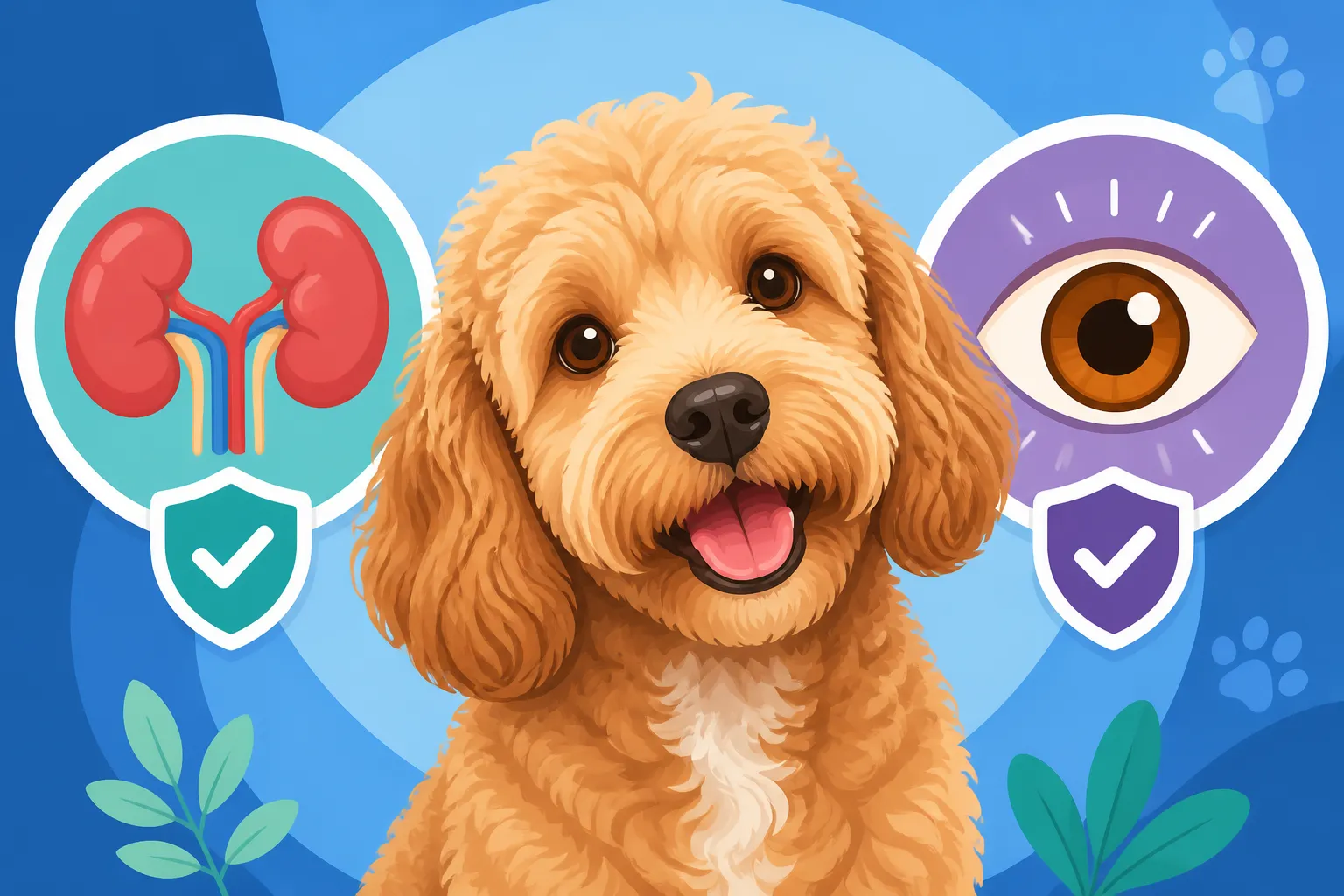
As Cockapoo parents, we often find ourselves caught between the joyful exuberance of our furry family members and the quiet anxiety that hums beneath the surface: are we doing enough to keep them healthy? It’s a very real concern, especially when you know about the specific health predispositions that can crop up in our beloved crossbreeds. This guide is here to walk you through the essential yearly kidney and eye checks your Cockapoo needs, delving deep into why they matter so much and what you can expect during these crucial veterinary visits.
Understanding the "Why" Behind Yearly Kidney Checks
It’s easy to think of a yearly check-up as just a routine vaccination appointment, but for a Cockapoo, those annual visits are vital opportunities to peek under the hood, especially when it comes to their kidneys. Kidneys are incredible organs, working tirelessly to filter waste from the blood, regulate blood pressure, produce hormones, and maintain a delicate balance of fluids and electrolytes. When they start to falter, the signs can be subtle, slow to develop, and, unfortunately, often quite advanced by the time they become obvious. This is why proactive screening is paramount.
Familial Nephropathy: The Cocker Spaniel Connection
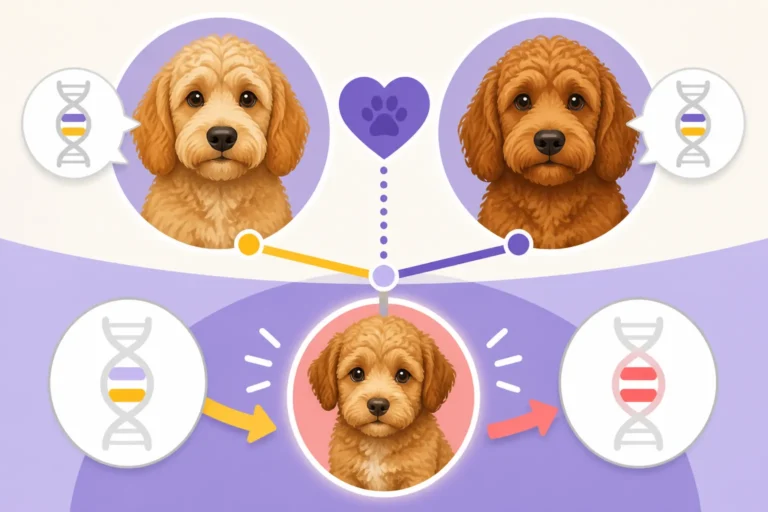
One of the most concerning hereditary kidney diseases that can affect Cockapoos is Familial Nephropathy (FN). This isn't just a general kidney issue; it's a specific, inherited condition primarily associated with the Cocker Spaniel side of your Cockapoo's family tree. It’s an insidious disease where the filtering units in the kidneys, called glomeruli, don't develop or function correctly. Over time, this leads to progressive kidney failure. The frustrating part is that affected dogs often appear completely normal for the first year or two of their lives, masking the silent damage occurring internally.
Knowing about FN can feel like a heavy burden. You might wonder, "Does this mean my Cockapoo is a ticking time bomb?" Not necessarily, but it means you need to be informed and proactive. Responsible breeders will often run The FN DNA Test a Cockapoo Breeder Runs on their parent dogs to ensure they are clear or only carriers, aiming to prevent affected puppies. However, if your Cockapoo's lineage isn't fully documented, or if you adopted a rescue, being vigilant about yearly kidney checks becomes even more critical. Understanding Familial Nephropathy and the Kidneys a Cockapoo Can Inherit is the first step in advocating for your dog's health.
Early Detection: Why It Matters for Kidney Health
The truism "early detection saves lives" rings especially true for kidney disease. By the time a dog starts showing obvious symptoms like increased thirst, more frequent urination, lethargy, or a decreased appetite, a significant portion of their kidney function (often 70-75% or more) might already be lost. The kidneys have an amazing capacity to compensate, which is a blessing and a curse. It means they can function relatively normally even when compromised, but it also means we don't see the distress signals until the damage is extensive.
Yearly kidney checks allow your veterinarian to catch subtle changes in kidney function before they become debilitating. These early indicators can prompt further investigation, allowing for interventions that can slow the progression of the disease and improve your Cockapoo's quality of life. For example, if your Cockapoo were to develop kidney issues, early diagnosis could mean dietary changes, medication, and management strategies can be implemented sooner, potentially extending their healthy years significantly. While there's no cure for advanced kidney failure, especially inherited types like FN, Whether an Affected Cockapoo Can Be Treated effectively depends heavily on how early the problem is identified.
What a Yearly Kidney Check Entails
So, what exactly happens during these yearly kidney checks? It's more than just a quick peek. It involves a combination of laboratory tests that provide a detailed picture of how well your Cockapoo's kidneys are performing their vital duties. Your vet will be looking for specific markers that indicate early kidney dysfunction, often long before your dog shows any outward signs.
Bloodwork: The Key Indicators
The cornerstone of any kidney check is a comprehensive blood panel. Your vet will typically draw a small blood sample and send it to a lab for analysis. Here’s what they’re looking for:
- BUN (Blood Urea Nitrogen) and Creatinine: These are waste products that healthy kidneys filter out of the blood. If kidney function is impaired, BUN and creatinine levels will start to rise. While these are critical, they often only elevate when kidney damage is already significant.
- SDMA (Symmetric Dimethylarginine): This is a much more sensitive and earlier indicator of kidney disease. SDMA can detect a decrease in kidney function when as little as 25-40% of kidney function has been lost, compared to BUN and creatinine which often only rise after 75% loss. This is why many vets now include SDMA in routine blood panels, especially for breeds with known predispositions or aging dogs. A rising SDMA level is a red flag that warrants further investigation, even if BUN and creatinine are still within normal limits.
- Phosphorus and Calcium: Kidneys also play a role in regulating these minerals. Imbalances, especially elevated phosphorus, can indicate kidney issues.
These blood tests, particularly the SDMA, can help identify kidney problems when they are still in their very early stages, giving you and your vet more options for management. If your vet notes any concerning results, they might recommend more frequent monitoring or specialized tests to pinpoint the exact nature of the problem.
Urinalysis: More Than Just a Pee Test
While bloodwork tells us what's in the blood, a urinalysis tells us what the kidneys are doing with it. It’s an incredibly valuable, yet often overlooked, part of a comprehensive kidney assessment. Your vet will ask you to bring a fresh urine sample (ideally first thing in the morning) or may collect one at the clinic.
Here’s what a urinalysis reveals:
- Urine Specific Gravity (USG): This measures how concentrated your Cockapoo's urine is. Healthy kidneys conserve water, producing concentrated urine. If the kidneys are struggling, they may not be able to concentrate urine properly, leading to very dilute urine (low USG), even if your dog isn't drinking excessively yet.
- Protein-to-Creatinine Ratio (UPC): Protein in the urine (proteinuria) is often one of the earliest signs of kidney damage, especially with conditions like FN. Kidneys are supposed to keep protein in the blood, so if significant amounts are leaking into the urine, it indicates a problem with the kidney's filtering units. A UPC ratio helps quantify this protein loss, and monitoring it over time can track disease progression.
- Presence of Red or White Blood Cells, Bacteria, or Crystals: While these might point to a urinary tract infection or bladder stones rather than primary kidney disease, they can still impact overall urinary health and complicate kidney function.
Combining bloodwork with a urinalysis provides a much more complete picture of your Cockapoo's kidney health. It helps distinguish between primary kidney disease and other conditions that might affect kidney values. For instance, if Whether a Cockapoo Drinking Constantly Should Be Tested is a concern, a urinalysis would be critical in determining if the excess drinking is due to kidney issues or something else, like diabetes.
The Importance of Regular Eye Examinations
Beyond the kidneys, a Cockapoo's eyes are another area that warrants careful attention and regular professional checks. Both the Cocker Spaniel and Poodle breeds are susceptible to a range of ocular conditions, some of which can be quite serious and lead to vision loss if not addressed. As a Cockapoo owner, you have to be mindful of this combined genetic heritage. Just like with kidney issues, early detection is key to managing or even preventing the most severe outcomes.
Common Eye Conditions from Both Sides of the Family Tree
The genetic tapestry of a Cockapoo means they can inherit eye conditions from either parent breed. This dual risk makes regular eye exams non-negotiable.
From the Cocker Spaniel side, we commonly see:
- Glaucoma: This is a painful condition caused by increased pressure inside the eye, which can rapidly lead to irreversible blindness. It's often inherited and can manifest as a sudden emergency. Understanding Glaucoma From the Cocker Side of a Cockapoo can help you recognize symptoms like a red, painful, cloudy eye.
- Progressive Retinal Atrophy (PRA): This group of degenerative diseases affects the retina, leading to progressive vision loss and eventually blindness. While not usually painful, it can be devastating. A specific type, prcd-PRA, is common in Poodles too, meaning a Cockapoo could inherit it from either side. You can read more about Progressive Retinal Atrophy in a Cockapoo to understand its progression.
- Cataracts: While often associated with aging, some Cockapoos can develop hereditary cataracts at a younger age. These cause the lens of the eye to become cloudy, impairing vision.
- Cherry Eye: This occurs when the gland of the third eyelid prolapses, appearing as a red, swollen mass in the inner corner of the eye. While not usually painful, it can lead to irritation and needs veterinary attention.
From the Poodle side, some additional concerns include:
- Optic Nerve Hypoplasia: This is a developmental condition where the optic nerve is underdeveloped, leading to varying degrees of vision impairment.
- Entropion/Ectropion: These are eyelid abnormalities where the eyelids roll inward (entropion), causing eyelashes to rub against the cornea, or outward (ectropion), leading to dryness and irritation.
Many of these conditions are genetic, and a responsible breeder will perform OFA (Orthopedic Foundation for Animals) or CERF (Canine Eye Registration Foundation, now part of OFA Eye Certification) exams on their breeding dogs to screen for inherited eye diseases. However, even with clear parents, annual checks are crucial as some conditions can still arise or develop later in life.
The Role of a Veterinary Ophthalmologist
While your primary care veterinarian can perform a thorough general eye exam, some situations call for the specialized expertise of a board-certified veterinary ophthalmologist. These specialists have advanced training and equipment to diagnose and treat complex eye conditions.
Your regular vet might recommend a referral to an ophthalmologist if they:
- Detect early signs of a hereditary condition during a routine exam.
- Suspect a condition like glaucoma or advanced cataracts.
- Need to perform specialized tests, such as electroretinography (ERG) for PRA diagnosis.
- Recommend surgical intervention for conditions like severe cataracts or advanced glaucoma.
Even if your Cockapoo has perfectly clear eyes year after year, it's often recommended that they have Whether a Cockapoo Needs a Yearly CAER Exam performed by a board-certified veterinary ophthalmologist, especially if they are part of a breeding program, to ensure the most thorough screening for inherited diseases. This additional layer of expertise gives you the best chance of catching subtle issues before they become major problems.
What to Expect During a Yearly Eye Check-Up
A yearly eye check-up is much more detailed than just a quick glance. Your veterinarian will use various tools and techniques to assess your Cockapoo's ocular health thoroughly, looking for both obvious and subtle signs of trouble. It's usually a stress-free process for your pup, especially if they're used to being handled gently.
Comprehensive Ocular Examination
During a routine annual exam, your vet will perform several key steps to evaluate your Cockapoo's eyes:
- Visual Acuity and Tracking: They'll observe how your dog reacts to moving objects or light, assessing their general vision. Can they track a toy? Do they bump into things?
- External Eye Inspection: This involves checking the eyelids for any abnormalities like entropion or ectropion, looking for discharge, swelling, or redness around the eyes. They’ll also check the third eyelid for signs of cherry eye.
- Pupillary Light Reflex (PLR): Your vet will shine a light into each eye to check how the pupils constrict. This assesses the function of the retina and optic nerve.
- Ophthalmoscopy: Using an ophthalmoscope, your vet will look into the back of the eye (fundus) to examine the retina, optic nerve, and blood vessels for any abnormalities. This can help detect conditions like PRA.
- Schirmer Tear Test: This test measures tear production, which is crucial for identifying dry eye (keratoconjunctivitis sicca), a condition where the eyes don't produce enough lubrication. This is particularly relevant for Cockapoos as both parent breeds can be prone to it.
- Fluorescein Stain: A special orange dye is applied to the eye to check for corneal ulcers or abrasions. If there's a scratch or an ulcer, the dye will stick to the damaged area and glow under a blue light.
- Tonometry: This is a very important test that measures the intraocular pressure (IOP) inside the eye. It's painless and quick, often done with a specialized tonometer that gently taps the surface of the cornea. High IOP is the hallmark of glaucoma, and catching it early is paramount. If your Cockapoo suddenly exhibits a The Red Eye That Means a Cockapoo Needs a Vet Tonight, tonometry will be one of the first and most critical diagnostic tests performed.
These tests, performed diligently each year, help create a baseline and allow your vet to identify any changes or developing conditions early on.
Advanced Diagnostics When Needed
If the initial comprehensive exam raises concerns, your veterinarian might recommend more advanced diagnostics. These aren't always part of a routine check but are invaluable when a deeper dive is needed.
- Gonioscopy: This is a specialized exam performed by an ophthalmologist to evaluate the drainage angle of the eye. It's crucial for diagnosing and managing glaucoma, especially primary glaucoma, by determining if the drainage angle is open or closed.
- Electroretinography (ERG): As mentioned, an ERG measures the electrical activity of the retina in response to light. It's the definitive test for diagnosing Progressive Retinal Atrophy (PRA) and assessing retinal function. This is usually performed under sedation by an ophthalmologist.
- Ocular Ultrasound: Just like an ultrasound for internal organs, an ocular ultrasound uses sound waves to create images of the structures within the eye, especially useful if the cornea or lens is too opaque to see through (e.g., dense cataracts, severe glaucoma).
- Genetic Testing: For specific inherited conditions like prcd-PRA, a simple cheek swab or blood test can determine if your Cockapoo is a carrier or affected. While often done by responsible breeders, it can be a valuable tool for owners too, especially if there's an unknown background.
These advanced tests ensure that any potential issues are thoroughly investigated, leading to an accurate diagnosis and the most appropriate treatment plan for your Cockapoo. Remember, your vet is your partner in maintaining your dog's health, and discussing any concerns you have about your Cockapoo's eyes is always encouraged.
Proactive Steps Beyond the Annual Vet Visit
While those yearly vet visits are absolutely critical for professional kidney and eye checks, your role as a Cockapoo owner extends far beyond just scheduling appointments. You are your dog's primary observer, and your daily interactions provide invaluable insights into their health. Being proactive at home can make a significant difference in catching subtle changes that might indicate a problem between vet visits.
Observing Changes at Home
You spend the most time with your Cockapoo, making you the first line of defense against emerging health issues. Developing a keen eye for changes in their behavior, habits, and physical appearance can lead to earlier detection of problems.
For kidney health, pay attention to:
- Changes in Thirst and Urination: Are they drinking noticeably more water than usual? Are they asking to go outside more frequently, having accidents, or producing larger volumes of urine? Any significant increase in thirst or urination (polydipsia/polyuria) is a red flag that warrants a vet visit.
- Appetite and Weight: A decrease in appetite, pickiness with food, or unexplained weight loss can be subtle signs of kidney issues. Conversely, a sudden increase in appetite without weight gain could also be a symptom of an underlying issue.
- Lethargy or Weakness: While general, a noticeable decrease in energy levels, reluctance to play, or increased sleeping can indicate they're not feeling well.
- Vomiting or Diarrhea: Gastrointestinal upset can sometimes accompany kidney disease, especially as toxins build up in the system.
- Changes in Breath: A metallic or ammonia-like smell on their breath can be a sign of advanced kidney disease.
For eye health, be vigilant for:
- Redness or Inflammation: Any persistent redness in the whites of the eyes, on the eyelids, or around the eye area is cause for concern.
- Discharge: Is there an increase in watery discharge, or has it become thick, yellow, or green?
- Cloudiness or Changes in Eye Color/Appearance: Are the pupils looking cloudy (different from normal aging changes like nuclear sclerosis)? Does the surface of the eye look hazy or bluish?
- Squinting or Pawing at Eyes: These are clear signs of pain or irritation.
- Bumping into Objects: Are they having trouble navigating familiar environments, particularly in dimmer light or at night? This could indicate vision loss.
- Uneven Pupil Sizes: One pupil significantly larger or smaller than the other can be a neurological or ocular emergency.
- Any Sudden Changes: Sudden blindness, sudden redness, or sudden pain in the eye are always emergencies and require immediate veterinary attention.
Documenting these observations, even with photos or videos, can be incredibly helpful when you speak to your veterinarian. These details provide crucial context that can guide diagnosis.
Dietary and Lifestyle Considerations
Beyond observation, conscious choices about your Cockapoo's diet and lifestyle can also support their kidney and eye health.
For kidney health:
- High-Quality Diet: Feeding a balanced, high-quality diet appropriate for their life stage (puppy, adult, senior) is fundamental. Avoid highly processed foods or those with excessive fillers.
- Hydration: Always ensure your Cockapoo has access to fresh, clean water. Hydration helps flush toxins and supports kidney function. If they're not a big drinker, consider adding some water to their kibble or offering a pet fountain.
- Weight Management: Maintaining a healthy weight reduces overall strain on their organs, including kidneys. Obesity is a risk factor for many health issues.
- Avoid Nephrotoxic Substances: Be incredibly careful about medications, cleaning products, and certain human foods that can be toxic to kidneys (e.g., grapes, raisins, certain NSAIDs not prescribed for dogs).
For eye health:
- Regular Grooming: Your Cockapoo's beautiful coat around their eyes needs regular attention. Keeping the hair trimmed away from their eyes prevents irritation and potential corneal scratches. Whether Hair in a Cockapoo's Eyes Scratches the Cornea is a valid concern, and regular face trims can mitigate this.
- Gentle Cleaning: If your Cockapoo experiences tear staining, gently clean the area with a damp cloth or pet-safe eye wipes to prevent irritation and infection.
- Eye Protection (Situational): If your Cockapoo loves to stick their head out the car window, consider "doggles" to protect their eyes from debris, wind, and UV rays.
- Nutritional Support: Some anecdotal evidence and studies suggest that certain antioxidants, omega-3 fatty acids, and vitamins (like Vitamins C and E) can support ocular health, especially in aging dogs. Discuss any supplements with your vet first.
Being proactive and mindful of these daily details ensures you're giving your Cockapoo the best possible chance at a long, healthy life, complementing the essential professional checks.
Navigating Unexpected Health Concerns and Insurance
Despite our best efforts with annual checks and diligent home care, sometimes unexpected health issues arise. It’s part of pet ownership, and while it can be incredibly stressful, knowing when to act and having a plan for potential financial burdens can make all the difference.
When to Seek Immediate Veterinary Attention
There are certain signs that indicate an emergency and mean your Cockapoo needs to see a vet immediately, not wait for the next available appointment. Time can be critical in preventing irreversible damage or even saving a life.
For kidney-related emergencies:
- Sudden Inability to Urinate or Straining to Urinate: This is a life-threatening emergency, especially in male dogs, as it could indicate a urinary blockage.
- Sudden Collapse or Extreme Lethargy: If your Cockapoo suddenly becomes very weak, unresponsive, or collapses, it could be a sign of acute kidney injury or severe dehydration.
- Repeated Vomiting or Diarrhea, especially with Blood: While GI upset can be minor, severe or bloody vomiting/diarrhea, particularly when combined with other signs of illness, warrants urgent care.
- Seizures: Kidney failure can lead to a buildup of toxins that affect the brain, potentially causing seizures. Whether Seizures Are Recorded in Cockapoo Pedigrees is a complex topic, but sudden onset seizures should always be investigated promptly.
For eye-related emergencies:
- Sudden Blindness: If your Cockapoo suddenly can't see, is bumping into everything, or seems disoriented, this is an emergency.
- Sudden, Painful Red Eye: As mentioned, a red, swollen, cloudy, or painful eye that develops suddenly could be acute glaucoma, which can cause permanent blindness within hours if not treated. Whether Glaucoma in a Cockapoo Is an Emergency cannot be overstated – it absolutely is.
- Eye Injury or Trauma: If something has poked their eye, or there's visible damage or a foreign object, seek immediate care.
- Severe Swelling or Protrusion of the Eyeball: This could indicate an injury, an abscess behind the eye, or a severe orbital disease.
Never hesitate to call your vet or an emergency veterinary clinic if you observe any of these symptoms. It's always better to be safe than sorry.
The Value of Pet Insurance
Let's be realistic: veterinary care, especially for emergencies or chronic conditions, can be incredibly expensive. This is where pet insurance, like plans offered by Healthy Paws, can be an absolute lifesaver. It’s not just for worst-case scenarios; it can also help cover the costs of diagnostics and treatments for ongoing health management.
Consider this: What Treating an FN Affected Cockapoo Costs or What Glaucoma Costs a Cockapoo Owner can quickly run into the thousands of dollars, encompassing specialized vet visits, medications, surgeries, and long-term management. These are the kinds of bills that can put immense financial strain on families and, tragically, sometimes force heartbreaking decisions.
Pet insurance works by reimbursing you for a percentage of your vet bills after you've met your deductible. While monthly premiums are an added expense, the peace of mind they offer is invaluable. When choosing a policy, it’s crucial to understand what’s covered. Many policies, including those from providers like Healthy Paws, will cover diagnostic tests, treatments, and even emergency care for new illnesses and accidents. However, pre-existing conditions are almost always excluded, which underscores the importance of getting insurance before any health problems arise. Whether Kidney Disease Is Covered on a Cockapoo Policy would depend entirely on whether the disease was diagnosed before or after the policy's effective date and waiting periods.
Think of pet insurance as an investment in your Cockapoo's future health and your financial preparedness. It allows you to focus on getting your beloved companion the best possible care without being crippled by the cost.
Summary of Essential Yearly Checks for Your Cockapoo
To help you keep track of all these important details, here's a quick overview of the essential yearly checks for your Cockapoo's kidney and eye health. Remember, consistency is key!
| Check Type | What it Involves | Why it's Important | Frequency |
|---|---|---|---|
| Kidney Health | |||
| Blood Panel | Measures BUN, Creatinine, SDMA, Phosphorus. | Detects early kidney dysfunction (SDMA) and monitors overall kidney function. Crucial for catching issues like Familial Nephropathy early. | Yearly |
| Urinalysis | Checks Urine Specific Gravity (USG), Protein-to-Creatinine Ratio (UPC), presence of cells/crystals. | Assesses kidney's concentrating ability and screens for proteinuria, a key early sign of kidney damage. | Yearly |
| Eye Health | |||
| Ocular Exam | External inspection, PLR, ophthalmoscopy, Schirmer Tear Test, Fluorescein Stain, Tonometry. | Screens for a wide range of conditions including dry eye, corneal ulcers, cataracts, PRA, and critically, glaucoma. | Yearly |
| Opthalmologist | CAER exam, Gonioscopy, ERG (if needed). | Provides specialized, comprehensive screening for inherited eye diseases and allows for advanced diagnostics if concerns arise. | Annually or Bi-annually (depending on risk) |
| Home Observation | Monitoring changes in thirst, urination, appetite, energy levels, eye redness, discharge, squinting, vision changes. | Empowers owners to catch subtle signs between vet visits, ensuring earlier intervention for emerging problems. | Daily |
Making these yearly checks a priority, coupled with your attentive home care, is the best way to safeguard your Cockapoo's health and ensure they continue to bring joy to your home for many happy years.
Disclaimer
This guide is intended for informational purposes only and is not a substitute for professional veterinary advice, diagnosis, or treatment. Always seek the advice of your veterinarian or other qualified animal health provider with any questions you may have regarding a medical condition or the health and welfare of your pet.