Whether a Cockapoo Gets Nephropathy Only From the Cocker
It's absolutely heartbreaking when we hear about our beloved Cockapoos facing serious health challenges, especially those that come from their genetic background. One of the worries that often surfaces is about kidney disease, specifically Familial Nephropathy (FN). Many of us wonder, quite naturally, if this dreaded condition can really only come from one side of their lineage, the Cocker Spaniel parent. This guide is here to unravel that specific concern, explaining exactly where Familial Nephropathy originates in Cockapoos and what that means for owners and breeders alike.
Understanding Familial Nephropathy in Cockapoos
When you bring a Cockapoo into your life, you're embracing a wonderful mix of two fantastic breeds: the Cocker Spaniel and the Poodle. Both bring their unique charm, but also their unique genetic predispositions. Familial Nephropathy is one of those conditions that warrants a closer look, especially when it comes to understanding its origins.
What Familial Nephropathy Actually Does
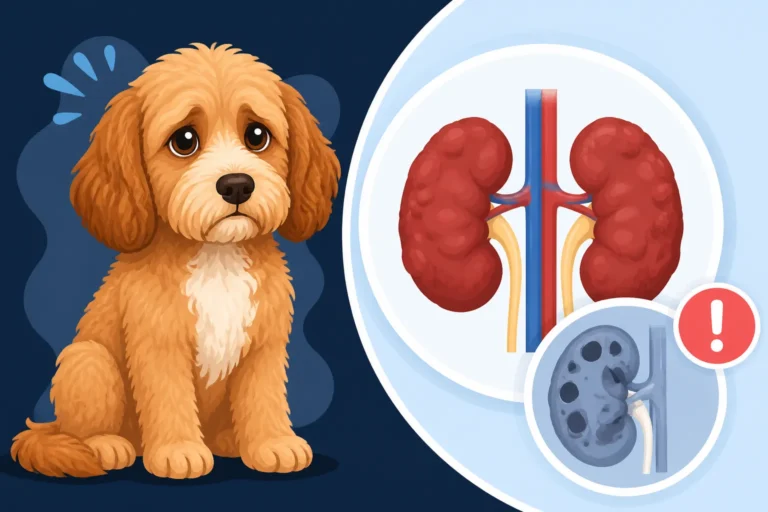
Familial Nephropathy isn't just a generic term for kidney problems; it's a specific, inherited form of kidney disease that, unfortunately, can be quite devastating. Imagine your dog's kidneys, which are normally vital filters for toxins and waste in the body, slowly but surely deteriorating. That's essentially what happens with FN. The disease leads to the gradual destruction of the tiny filtering units within the kidneys, known as glomeruli. Over time, this damage becomes so extensive that the kidneys can no longer perform their essential functions.
This isn't a sudden illness that appears overnight. It's a progressive condition, meaning it gets worse over time, often without obvious symptoms until the damage is already significant. We’re talking about a slow, insidious process that typically begins to manifest in young dogs, often before they even reach two years of age. You might start noticing subtle signs like increased thirst and urination, a lack of appetite, or general lethargy. Sadly, for an affected dog, it ultimately leads to chronic kidney failure. Understanding what Familial Nephropathy Does to a Cockapoo is crucial for any potential owner.
The Genetic Link to the Cocker Spaniel
Here's where we get to the heart of your question: where does FN come from? Research has definitively identified a specific genetic mutation that is responsible for Familial Nephropathy. This mutation has been found predominantly in the English Cocker Spaniel breed, though it can also be found, albeit less commonly, in American Cocker Spaniels.
This condition follows an autosomal recessive inheritance pattern. What does that mean in plain English? It means that a dog must inherit two copies of the faulty gene—one from each parent—to actually develop the disease. If a dog inherits only one copy, they won't get sick, but they will be a "carrier" and could pass that gene on to their offspring. This is a really important distinction, because carriers often show no outward signs of illness at all, making genetic testing absolutely essential for responsible breeding. It’s why understanding Why Two Carrier Parents Produce an Affected Cockapoo is so vital for breeders and prospective owners.
The Poodle side of the Cockapoo, whether Miniature, Toy, or Standard, is generally not associated with this specific genetic mutation for Familial Nephropathy. While Poodles can, like any breed, suffer from various kidney issues, the particular FN mutation we're discussing is traced back to the Cocker Spaniel lineage. So, in the vast majority of cases, if a Cockapoo develops Familial Nephropathy, the faulty gene copies have come from the Cocker Spaniel side of their family tree.
How Genetics Determine FN Risk in Cockapoos
Navigating the world of canine genetics can feel like cracking a complex code, but it's really about understanding the probabilities. For Cockapoos, knowing the genetic status of their parents is the single most important factor in assessing their risk for conditions like Familial Nephropathy.
The Role of Each Parent in Inheritance
Every puppy gets half its genetic material from its mother and half from its father. When we talk about a specific gene like the one for FN, each parent will contribute one copy of that gene.
- Clear Parents: If both the Cocker Spaniel and the Poodle parent are "Clear" (meaning they don't carry the faulty gene), then all their puppies will also be Clear. No faulty gene copies to pass on, no FN. It's that simple, and it's the ideal scenario we all hope for. This is why Whether Two Clear Parents Rule Out FN in a Cockapoo is such an important breeder goal.
- Carrier Parent + Clear Parent: If one parent is a "Carrier" (has one copy of the faulty gene but doesn't have the disease) and the other is Clear, then roughly half the puppies will be Clear, and half will be Carriers. None of these puppies will actually develop FN, but the Carrier puppies could pass the gene on if they are later bred.
- Two Carrier Parents: This is the scenario that produces affected puppies. If both the Cocker Spaniel parent and the Poodle parent are Carriers, then roughly 25% of the puppies will be Clear, 50% will be Carriers, and crucially, 25% will inherit two copies of the faulty gene and will be "Affected," meaning they will develop Familial Nephropathy.
- Affected Parent + Clear Parent: If an Affected parent (meaning they have two copies of the faulty gene and will develop the disease) is bred to a Clear parent, all offspring will be Carriers. This is why it's critical to identify affected dogs and remove them from breeding programs.
Given that the Poodle breed isn't typically associated with the FN gene, it's highly improbable for a Poodle parent to be a carrier or affected with this specific type of nephropathy. However, in the realm of genetics, nothing is ever 100% impossible. Still, the overwhelming scientific consensus points directly to the Cocker Spaniel side as the source of the Familial Nephropathy gene in Cockapoos. This means that if a Cockapoo is affected, the critical faulty gene copies almost certainly originated from the Cocker Spaniel lines involved in their pedigree.
Why the Cocker Line is the Primary Concern
The reason the Cocker Spaniel line is the primary concern is quite straightforward: the specific genetic mutation causing Familial Nephropathy has been identified and is known to be prevalent within certain Cocker Spaniel populations. While Poodles have their own set of inherited health concerns, FN isn't typically one of them. This means that if you're getting a Cockapoo, your focus for FN risk assessment should almost entirely be on the Cocker Spaniel parent's genetic history.
A responsible Cockapoo breeder will have meticulously screened their breeding Cocker Spaniels for this condition using a DNA test. If the Cocker parent is clear, then the risk of the Cockapoo puppy developing FN is essentially eliminated, regardless of the Poodle parent's status for this specific gene. However, if the Cocker parent is a carrier, then the Poodle parent's status becomes paramount. While the Poodle is highly unlikely to carry the FN gene, confirming their "Clear" status through testing provides complete peace of mind, ensuring that even if the Cocker passed on a faulty gene, the Poodle would not. This is why understanding Familial Nephropathy and the Kidneys a Cockapoo Can Inherit begins with knowing the parents' health.
Protecting Your Cockapoo from Familial Nephropathy
As future or current Cockapoo parents, understanding the risks is the first step, but taking proactive measures is how we truly safeguard our furry family members. When it comes to Familial Nephropathy, there are very clear steps you can take.
Essential DNA Testing for Cocker Parents
This is, without a doubt, the single most critical piece of advice for anyone considering a Cockapoo. DNA testing for Familial Nephropathy is readily available, and any reputable breeder will have tested their breeding dogs. Specifically, the Cocker Spaniel parent must be tested. Even if they claim their Poodle line is "clear by parentage" for this specific disease (which is often reasonable given the breed's low risk), the Cocker parent absolutely needs direct testing.
The results of these tests are usually straightforward:
- Clear: The dog does not have the mutation and cannot pass it on. This is the ideal status for a breeding dog.
- Carrier: The dog has one copy of the mutation. They will not develop the disease but can pass it to 50% of their offspring. A carrier can be safely bred to a clear partner, as no puppies will be affected, though half may be carriers.
- Affected: The dog has two copies of the mutation and will develop the disease. These dogs should never be bred.
When you're looking for a puppy, always ask to see the DNA test certificates for both parents. Don't just take a breeder's word for it. Legitimate test results will come from a recognized veterinary genetics laboratory. Labs like Paw Print Genetics or Embark Veterinary offer comprehensive panels that include FN, making it easy for breeders to provide verifiable results. The FN DNA Test a Cockapoo Breeder Runs is your best defense against this disease.
Questions to Ask Your Cockapoo Breeder
Empowering yourself with knowledge and asking the right questions can make all the difference in finding a healthy puppy. Here's what you should absolutely inquire about:
- "Can I see the DNA test results for Familial Nephropathy for both parents?" Don't be shy about this. A transparent breeder will be happy to provide this. Look for "Clear" results for the Cocker parent. If the Cocker is a "Carrier," then the Poodle parent must be "Clear," and the breeder should only be breeding them with the intent to produce carriers, not affected puppies. Asking a Cockapoo Breeder for the FN Certificate is non-negotiable.
- "What is the health guarantee for this puppy, particularly regarding inherited conditions like FN?" A good breeder will offer a health guarantee, often for the first year or two of life, against severe inherited diseases. This should be clearly outlined in a written contract.
- "Have you ever had an affected puppy in your lines, or do you know of any in the parent's pedigree?" While DNA testing is paramount, understanding the historical health of the lines can provide additional context.
- "What preventative care do your puppies receive?" This isn't directly FN-related, but it shows a breeder's overall commitment to health.
- "Do you recommend specific pet insurance for Cockapoos?" While insurance doesn't prevent illness, it's a vital safety net. Companies like Healthy Paws offer comprehensive pet insurance plans that can cover diagnostic tests and treatments for unexpected illnesses, though hereditary conditions are typically covered only if symptoms arise after the policy's waiting period and aren't pre-existing. It's always a good idea to research policy specifics regarding inherited conditions like Familial Nephropathy and the Kidneys a Cockapoo Can Inherit and the age it typically appears.
Choosing an untested litter, frankly, is a gamble. Without documented proof of clear parentage, you're rolling the dice on your puppy's future health, and no one wants to face the heartache and financial strain of a sick dog if it could have been prevented. We know that Whether an Untested Cockapoo Litter Is a Gamble is a question many consider, but the answer is a resounding yes.
Here's a quick summary of FN inheritance:
| Cocker Parent FN Status | Poodle Parent FN Status | Offspring Probabilities (for FN) | Risk of Affected Puppy |
|---|---|---|---|
| Clear | Clear | 100% Clear | 0% |
| Carrier | Clear | 50% Clear, 50% Carrier | 0% |
| Affected | Clear | 100% Carrier | 0% |
| Carrier | Carrier | 25% Clear, 50% Carrier, 25% Affected | 25% (High) |
| Affected | Carrier | 50% Carrier, 50% Affected | 50% (Very High) |
| Affected | Affected | 100% Affected | 100% (Certain) |
Note: This table assumes the Poodle parent's status specifically for the FN gene, which is overwhelmingly likely to be Clear in Poodles.
Recognising Early Signs and Management
Even with the best genetic planning, it’s always wise to be vigilant about your Cockapoo's health throughout their life. While the Poodle side of their lineage is generally not a source of the specific FN gene, Poodles can inherit other kidney issues, and any dog can develop kidney disease later in life. Therefore, knowing the signs of kidney trouble is important. Keep an eye out for increased thirst, more frequent urination, changes in appetite, weight loss, lethargy, or a dull coat. These could be early indicators of a problem.
If you ever notice your Cockapoo drinking constantly, it's definitely a sign that warrants a vet visit. Early detection of any kidney issue, regardless of its cause, is always best. Regular vet check-ups, including routine bloodwork as your dog ages, can help catch issues before they become critical. While there's no cure for genetic Familial Nephropathy, early diagnosis of any kidney disease can allow for dietary changes and medication that might help manage symptoms and improve quality of life. For more detailed information on signs, you can refer to The First Signs of Kidney Failure in a Cockapoo and Whether a Cockapoo Drinking Constantly Should Be Tested.
Ultimately, while the genetic risk of Familial Nephropathy in Cockapoos overwhelmingly stems from the Cocker Spaniel side, diligent breeders will still test their Poodle lines to ensure overall genetic health. As a prospective owner, your power lies in education and asking for verifiable proof of genetic testing. This proactive approach ensures you're bringing home the healthiest possible companion.
Disclaimer
This article is for general informational purposes only and does not constitute professional advice. Laws, prices and regulations vary by location and change over time. Consult a qualified professional for guidance on your specific situation.