Whether a Cockapoo’s Coat Feels Oily at the Roots
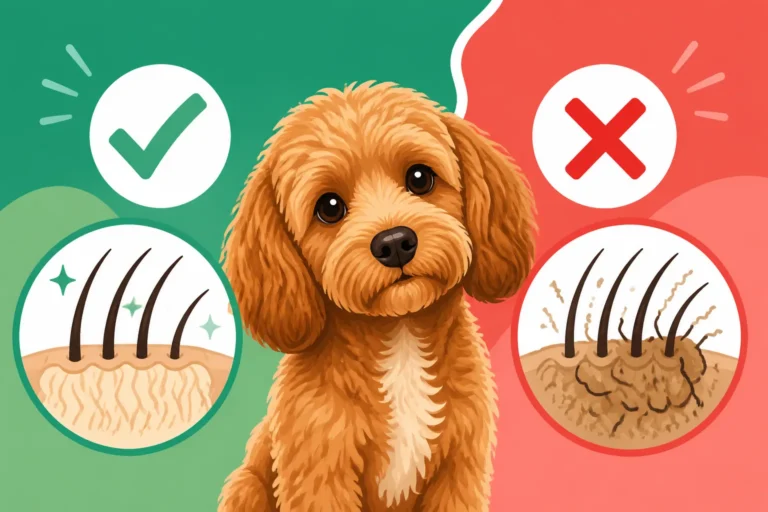
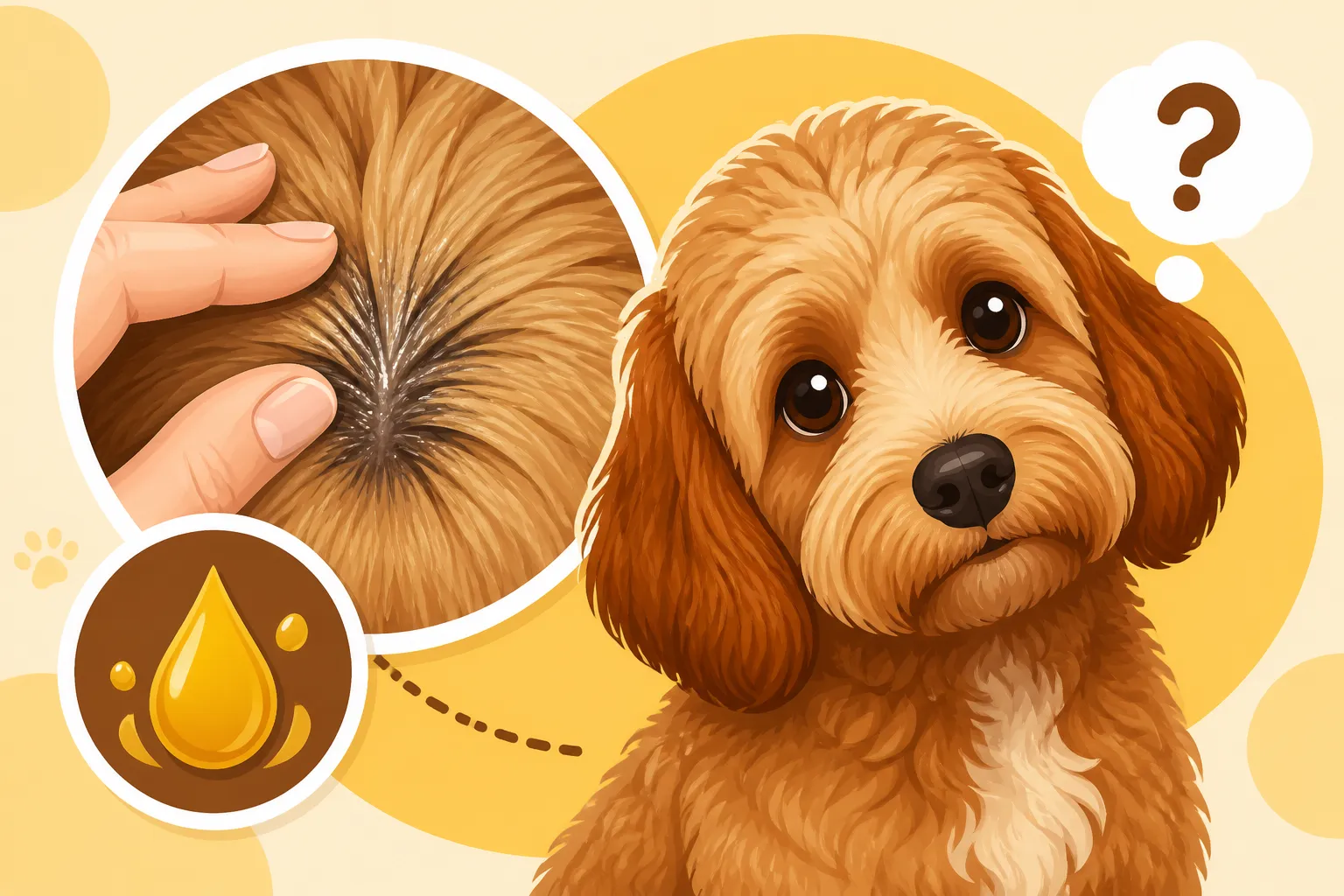
It's a common worry for Cockapoo parents: you're snuggling your sweet, curly companion, and you notice their coat, especially near the skin, feels a bit greasy or even a little… sticky. You might be thinking, "Aren't Cockapoos supposed to have these lovely, low-shedding coats? Why does mine feel oily at the roots, and what can I do about it?" This guide is here to shed some light on why your Cockapoo's coat might feel oily, what factors contribute to it, and practical steps you can take to manage it, ensuring your pup stays comfortable and their coat remains healthy.
Understanding the Cockapoo Coat: A Tale of Two Parents
The Cockapoo, a charming blend of the Cocker Spaniel and the Poodle, is known for its diverse range of coats. This variety is part of what makes them so unique, but it also means that what one Cockapoo experiences with their coat might be completely different from another. The oiliness at the roots of their fur often comes down to the genetic lottery and the specific traits inherited from each parent breed.
The Cocker Spaniel's Sebaceous Legacy
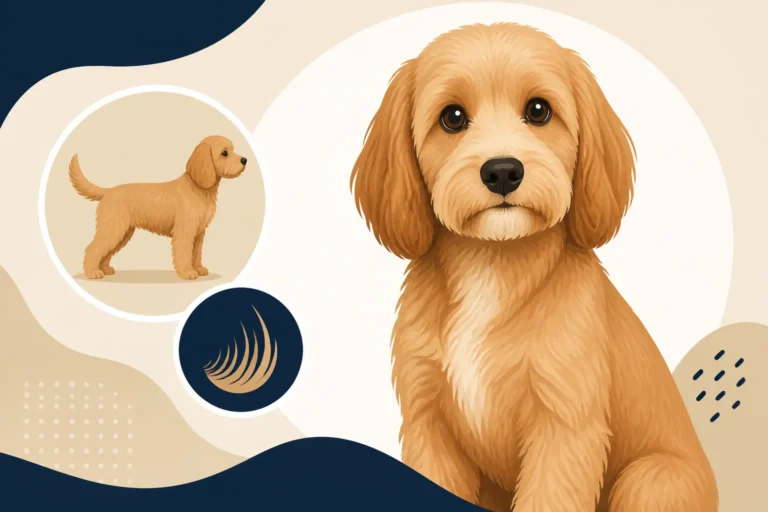
American and English Cocker Spaniels are breeds renowned for their luxurious, flowing coats. While beautiful, these coats can also be prone to oiliness, particularly if they are not maintained meticulously. Cocker Spaniels naturally have more active sebaceous glands in their skin. These glands produce sebum, a natural oil that helps to lubricate the skin and keep the coat healthy and shiny. However, an overproduction of sebum can lead to a greasy feel, and even a distinct "doggy" odor.
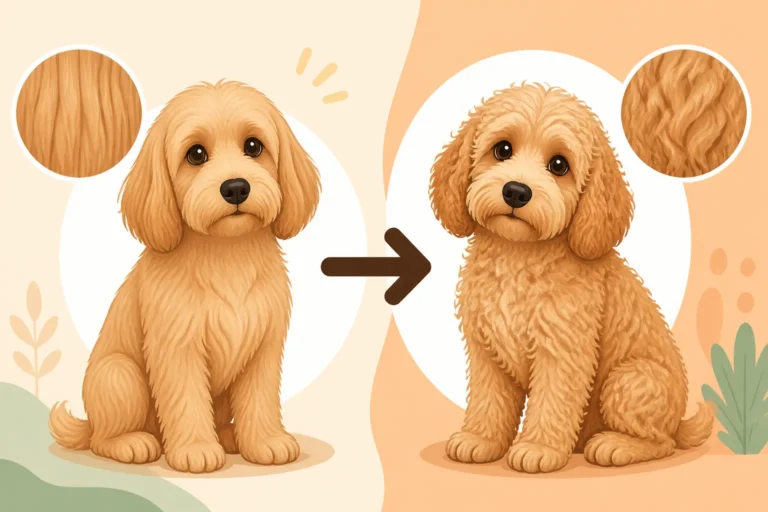
When a Cockapoo inherits more of these Cocker Spaniel skin and coat traits, they might naturally have a greasier coat at the roots. This isn't necessarily a sign of ill health, but rather a predisposition. You might notice that if your Cockapoo has a flatter or wavier coat that leans more towards the Cocker side, you're more likely to encounter this oiliness. It's just their skin doing its job, sometimes a little too enthusiastically. This can contribute to issues like Whether a Cockapoo's Skin Is Greasy Like a Cocker's or Whether a Cockapoo Smells Between Baths.
The Poodle's Drier Influence and Genetic Variation
On the other end of the spectrum, Poodles typically have a much drier coat and skin type. Their dense, curly coats are known for being low-shedding and tend to feel quite different from a Cocker's. A Poodle's skin generally produces less sebum, which contributes to their characteristic non-oily texture.
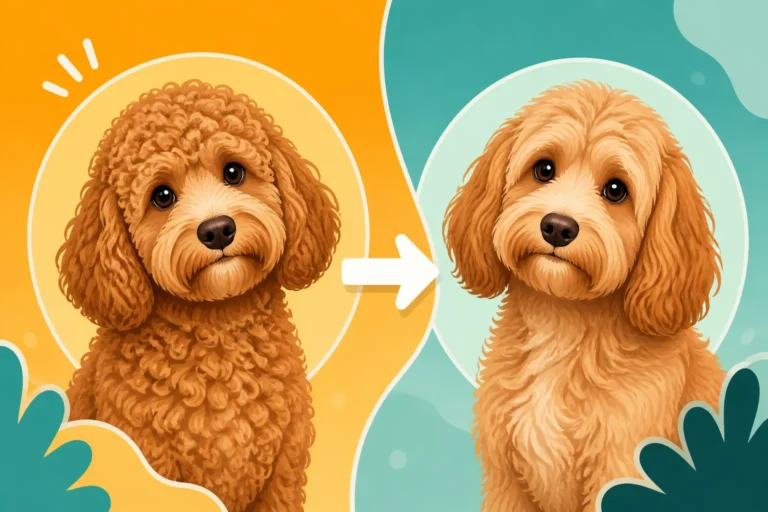
A Cockapoo's coat is a delightful mix of these two extremes. The presence of the "furnishings" gene, which gives them their characteristic facial hair, and the "curl" gene, both often inherited from the Poodle, plays a huge role in how their coat behaves. A Cockapoo with a tighter, curlier coat, leaning more towards the Poodle side, might experience less oiliness at the roots simply because their skin is producing less sebum, or because the curly nature of the coat allows for better air circulation, preventing oil buildup. However, these curlier coats also come with their own set of grooming challenges, such as matting. Understanding The Curl Gene and Where a Cockapoo's Coat Lands and The Furnishings Gene That Decides a Cockapoo's Face can offer insights into your specific pup's coat tendencies.
It's also worth remembering that the coat can undergo significant changes as your Cockapoo matures, sometimes becoming oilier or drier. Many owners are surprised by The Coat Change That Ambushes a Cockapoo Owner at Ten Months.
Common Reasons Your Cockapoo's Coat Might Feel Oily
Beyond genetic predispositions, several factors can contribute to an oily or greasy coat in your Cockapoo. It's often a combination of these elements, making it a bit of a detective job to figure out the root cause.
Diet and Nutrition: What Goes In Shows Out
One of the most impactful, yet often overlooked, factors in coat health is diet. Just like with humans, what your Cockapoo eats directly affects their skin and coat condition.
- Poor Quality Food: Foods laden with fillers, artificial ingredients, or low-quality proteins can lead to skin issues, including excessive oil production. Your dog's body might be struggling to process these ingredients, manifesting as a dull, greasy coat.
- Lack of Essential Fatty Acids: Omega-3 and Omega-6 fatty acids are crucial for healthy skin and a shiny coat. If your dog's diet is deficient in these, or if the balance is off, their skin can become either too dry or, paradoxically, overproduce oil to compensate. Many owners have found success in adding supplements, or choosing foods rich in these beneficial fats. When considering Whether Omega Oils Help a Cockapoo's Coat, the answer is often a resounding yes. Brands like Ollie focus on fresh, balanced nutrition which can often improve overall coat health.
- Allergies or Sensitivities: Food allergies can cause a myriad of skin problems, including inflammation, itching, and increased sebum production. If your Cockapoo is constantly scratching or licking, and their coat is oily, it might be worth discussing potential allergies with your vet. Whether Diet Changes a Cockapoo's Coat Condition is a topic frequently explored by owners seeking solutions.
Grooming Habits: The Double-Edged Sword
Grooming is essential for a Cockapoo's coat, but doing it incorrectly or inconsistently can actually contribute to oiliness.
- Infrequent Bathing: While you don't want to over-bathe and strip natural oils, not bathing frequently enough allows dirt, dead skin cells, and excess sebum to build up. This creates a greasy layer at the roots and can even lead to skin infections.
- Over-Bathing: On the flip side, bathing too often with harsh shampoos can strip the natural oils from your Cockapoo's skin. This often triggers the sebaceous glands to go into overdrive, producing even more oil to try and rebalance the skin, leading to a vicious cycle of greasiness.
- Using the Wrong Products: Human shampoos are a definite no-go, as they have a different pH balance and can irritate a dog's skin. Even some dog shampoos can be too harsh or not suited for your Cockapoo's specific coat type. Look for shampoos formulated for oily skin or those with soothing ingredients. Whether a Cockapoo Needs a Degreasing Shampoo is a very common question for owners dealing with this issue.
- Insufficient Brushing: Regular brushing does more than just prevent mats. It helps distribute natural oils throughout the coat, carrying them away from the roots, and removes loose hair and dirt. Without proper brushing, especially with a Cockapoo's dense coat, oils can simply build up at the skin level. The thoroughness of brushing is critical, and for a deep dive, you might want to read The Three Cockapoo Coat Types and Their Upkeep.
Environmental Factors and Skin Health
Sometimes, external factors or underlying health issues are the culprits behind an oily coat.
- Humidity and Climate: In humid environments, your dog's skin might naturally feel a bit oilier. Similarly, seasonal changes can impact skin and coat health.
- Skin Infections (Yeast or Bacterial): Overproduction of oil can create a perfect breeding ground for yeast or bacteria, especially in warm, moist areas like the armpits, groin, or under thick fur. These infections often come with an unpleasant odor, redness, and itching, alongside the greasy coat. Your vet will be able to diagnose and treat these, often with medicated shampoos or oral medications. This falls under broader Skin and Coat Disease in a Cockapoo.
- Hormonal Imbalances: Less common, but hormonal issues such as hypothyroidism or Cushing's disease can affect skin and coat quality, sometimes leading to oiliness. These conditions usually come with other symptoms, so it’s something your vet would investigate if other causes are ruled out.
Effective Strategies for Managing an Oily Coat
Once you've got a handle on why your Cockapoo's coat feels oily, you can start implementing effective strategies to manage it. This often involves a multi-pronged approach combining diet, grooming, and sometimes veterinary consultation.
Choosing the Right Products and Routine
Finding the right bathing and grooming routine is paramount.
- Quality Shampoos and Conditioners: Opt for dog-specific shampoos that are gentle, pH-balanced, and ideally formulated for sensitive or oily skin. Some contain ingredients like colloidal oatmeal to soothe, or charcoal to help absorb excess oil. Brands available on Amazon or Chewy offer a wide selection of specialized dog shampoos. After shampooing, a light conditioner can help replenish moisture without adding to the oiliness, promoting a healthy skin barrier. If your dog's skin is truly greasy, a clarifying or degreasing shampoo may be necessary initially, as discussed in Whether a Cockapoo Needs a Degreasing Shampoo.
- Bathing Frequency: This is a balancing act. For an oily coat, you might need to bathe more frequently than a dog with a dry coat, perhaps every 2-4 weeks. However, observe your dog's skin. If it becomes dry, flaky, or irritated, reduce the frequency. Always make sure to rinse thoroughly to remove all shampoo residue, as leftover product can irritate the skin and contribute to a greasy feel. For tips on specific coat types, Bathing a Cockapoo Whose Skin Is Greasy is a great resource.
- Regular Brushing: Incorporate daily or every-other-day brushing into your routine. Use a slicker brush and a metal comb. Brushing helps to spread natural oils evenly through the coat, preventing buildup at the roots, and removes loose hair and debris. Pay special attention to areas prone to oiliness like the back and neck.
Dietary Solutions and Supplements
Revisiting your Cockapoo's diet can make a significant difference in their coat's oiliness and overall health.
- High-Quality Diet: Transition to a high-quality dog food with easily digestible proteins and wholesome ingredients. Avoid foods with excessive fillers or artificial additives. If you're currently feeding a budget kibble, upgrading can often lead to noticeable improvements in skin and coat health. Many popular dog food retailers, like Chewy, offer premium brands that focus on whole ingredients.
- Omega Fatty Acid Supplements: If your dog's diet isn't providing enough Omega-3 and Omega-6 fatty acids, consider adding a supplement. Fish oil (salmon, sardine, or anchovy oil) is an excellent source of Omega-3s. These can reduce inflammation and promote a healthier skin barrier, which in turn can help regulate sebum production. Always consult your vet before adding any new supplements to your dog's diet to ensure proper dosage and suitability. Whether Omega Oils Help a Cockapoo's Coat delves into the benefits of these supplements.
- Probiotics: A healthy gut microbiome can influence overall health, including skin health. Some vets recommend probiotics to support digestion and potentially reduce skin inflammation.
Recognizing When It's Time for Professional Help
Sometimes, despite your best efforts, the oiliness persists or is accompanied by other concerning symptoms. This is when a professional groomer or veterinarian becomes invaluable.
- Professional Grooming: A professional groomer has access to specialized tools and products that can effectively address an oily coat. They can also provide a thorough cleansing and ensure all mats are removed, which can trap oils and contribute to skin issues. They can also offer advice tailored to your dog's specific coat type, whether it's curly, wavy, or straight.
- Veterinary Consultation: If the oiliness is persistent, accompanied by itching, redness, hair loss, an unusual odor, or if your dog seems generally unwell, it's crucial to consult your veterinarian. They can rule out underlying medical conditions like allergies, infections, or hormonal imbalances through diagnostic tests. Early intervention can prevent minor issues from becoming major problems.
| Symptom / Cause | Common Signs | Management Strategy | When to See a Vet |
|---|---|---|---|
| Genetic Predisposition | Inherited from Cocker side, often no other symptoms | Regular grooming, appropriate shampoo, diet | If excessive or accompanied by other signs |
| Poor Diet/Nutritional Deficiencies | Dull coat, sometimes flaky skin, itching, general poor health | High-quality food, omega supplements | If no improvement with diet change, or other symptoms |
| Improper Grooming | Mats, dirty coat, strong odor, sometimes skin irritation | Consistent brushing, correct bathing frequency, right products | If skin irritation or infection develops |
| Skin Infections (Yeast/Bacterial) | Redness, intense itching, distinct odor, hair loss | Medicated shampoos, vet-prescribed oral meds | Always for diagnosis and treatment |
| Allergies | Itching, licking paws, ear infections, skin redness, hair loss | Allergen avoidance, vet-prescribed medications, diet changes | Always for diagnosis and management |
| Hormonal Imbalance | Other systemic signs (weight changes, lethargy, thirst) | Vet diagnosis and specific medical treatment | Always for diagnosis and treatment |
When to Consult Your Vet About Coat Oiliness
It can be tough to know when an oily coat is just a minor nuisance and when it's a signal that something more serious is going on. As a rule of thumb, if the oiliness is sudden, severe, persistent despite home remedies, or accompanied by other concerning symptoms, a trip to the vet is absolutely warranted.
Signs of Underlying Health Concerns
Beyond just a greasy feel, watch out for these red flags that suggest an underlying health issue:
- Intense Itching or Licking: If your Cockapoo is constantly scratching, chewing, or licking their skin or paws, it could indicate allergies, fleas, or a skin infection. The extra oil can make these conditions worse and more uncomfortable for your pup.
- Redness, Rashes, or Bumps: Visible irritation on the skin, hot spots, or pimple-like bumps are clear signs of infection or severe inflammation that needs veterinary attention.
- Hair Loss or Thinning Coat: Patchy hair loss, a generally thinning coat, or changes in coat texture can point to infections, allergies, or hormonal issues.
- Unpleasant Odor: While some Cockapoos can have a "doggy" smell, a strong, foul, or yeasty odor that lingers even after bathing is a classic sign of bacterial or yeast overgrowth on the skin. You might find more on this in Why a Cockapoo Can Smell Days After a Bath.
- Lethargy or Changes in Appetite: If your dog seems unusually tired, isn't eating well, or shows other signs of being unwell in conjunction with an oily coat, it's definitely time to see the vet.
The Importance of a Diagnostic Approach
Your vet will be able to perform a thorough physical examination and may recommend diagnostic tests to pinpoint the exact cause of the oiliness. These tests might include:
- Skin Scrapes or Cytology: To check for mites, yeast, or bacteria.
- Blood Tests: To evaluate for hormonal imbalances (like thyroid issues or Cushing's disease) or other systemic illnesses.
- Allergy Testing: If environmental or food allergies are suspected.
- Dietary Trials: To determine if a specific food ingredient is causing the issue.
Addressing an oily coat in your Cockapoo effectively often requires patience and consistency. By understanding the potential causes and implementing the right strategies, you can help your beloved companion feel more comfortable and look their very best.
Disclaimer
This article is for general informational purposes only and does not constitute professional advice. Laws, prices and regulations vary by location and change over time. Consult a qualified professional for guidance on your specific situation.