Whether prcd-PRA Comes From Both Cockapoo Parents
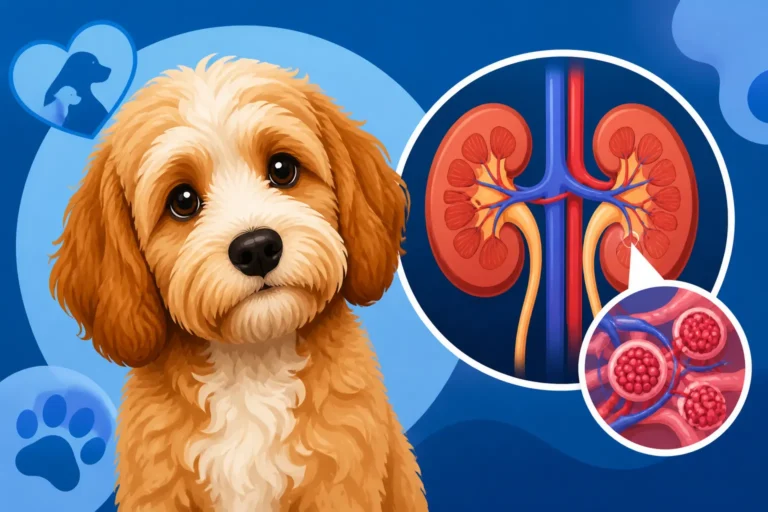
It's incredibly distressing to think about your beloved Cockapoo facing a debilitating genetic disease, especially one that could lead to blindness. Many prospective and current Cockapoo owners worry about Progressive Retinal Atrophy (prcd-PRA) and how it's passed down, often feeling overwhelmed by the genetics involved. This guide will walk you through exactly how prcd-PRA is inherited, clarifying the crucial role both parents play in whether their puppies are affected.
Understanding Progressive Retinal Atrophy (prcd-PRA)
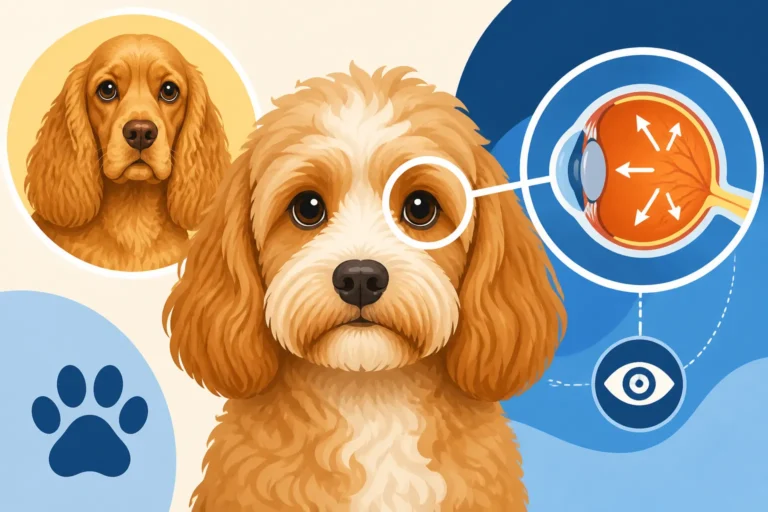
Progressive Retinal Atrophy, often shortened to prcd-PRA, is a genetic eye disease that slowly but surely steals a dog's vision. It’s not something that happens overnight, which can make it even harder for owners to spot until the disease has progressed significantly. It's a condition that impacts the photoreceptor cells in the retina – those specialized cells at the back of the eye that are responsible for detecting light and sending visual signals to the brain.
What prcd-PRA Does to a Cockapoo's Eyes
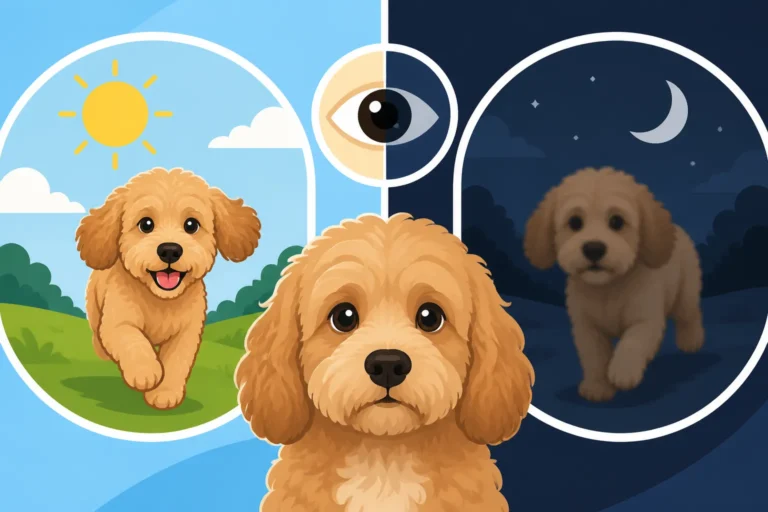
Imagine trying to see in dim light, then realizing it's getting harder and harder to navigate familiar surroundings as dusk falls. That's often how prcd-PRA begins, with affected dogs first experiencing what's known as "night blindness." This happens because the rods, which are photoreceptor cells crucial for low-light vision, begin to degenerate first. Over time, the cones, responsible for day vision and color perception, also start to fail. This relentless process means that a dog's vision progressively worsens, eventually leading to complete blindness. It's a heart-wrenching condition to witness, as our furry companions rely so heavily on their sight to interact with their world. You can read more about the specifics of Progressive Retinal Atrophy in a Cockapoo to get a clearer picture of its impact.
The rate of progression can vary slightly from one individual dog to another, but the outcome is unfortunately the same. Most dogs affected by prcd-PRA will experience significant vision loss or complete blindness. It’s a silent thief of sight, often not showing obvious signs until a dog is past its puppyhood, making early detection through genetic testing absolutely vital for responsible breeding.
The Genetic Roots of prcd-PRA
At its core, prcd-PRA is a hereditary condition, meaning it’s passed down through a dog’s genes. Specifically, it's caused by a mutation in a particular gene responsible for the development and function of those photoreceptor cells we just talked about. If a dog inherits two copies of this faulty gene – one from each parent – they will eventually develop the disease. This is what we call an autosomal recessive inheritance pattern.
What does "autosomal recessive" truly mean in practice? It means that a single copy of the mutated gene isn't enough to cause the disease. A dog can carry one copy of the gene without ever showing any symptoms of prcd-PRA. These dogs are called "carriers." They have normal vision, live perfectly healthy lives, but they hold the potential to pass that problematic gene on to their offspring. This is a critical distinction, as many people mistakenly believe that if a dog doesn't have the disease, they can't pass it on. This isn't the case with recessive conditions like prcd-PRA.
How Cockapoo Parents Influence prcd-PRA Inheritance
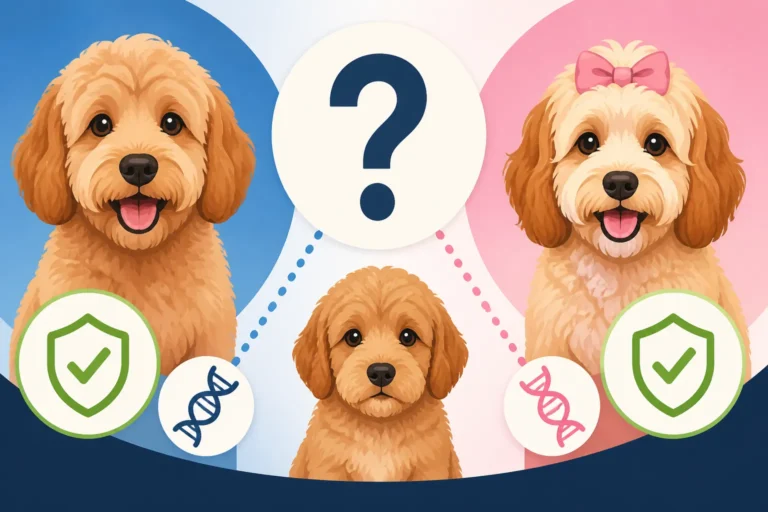
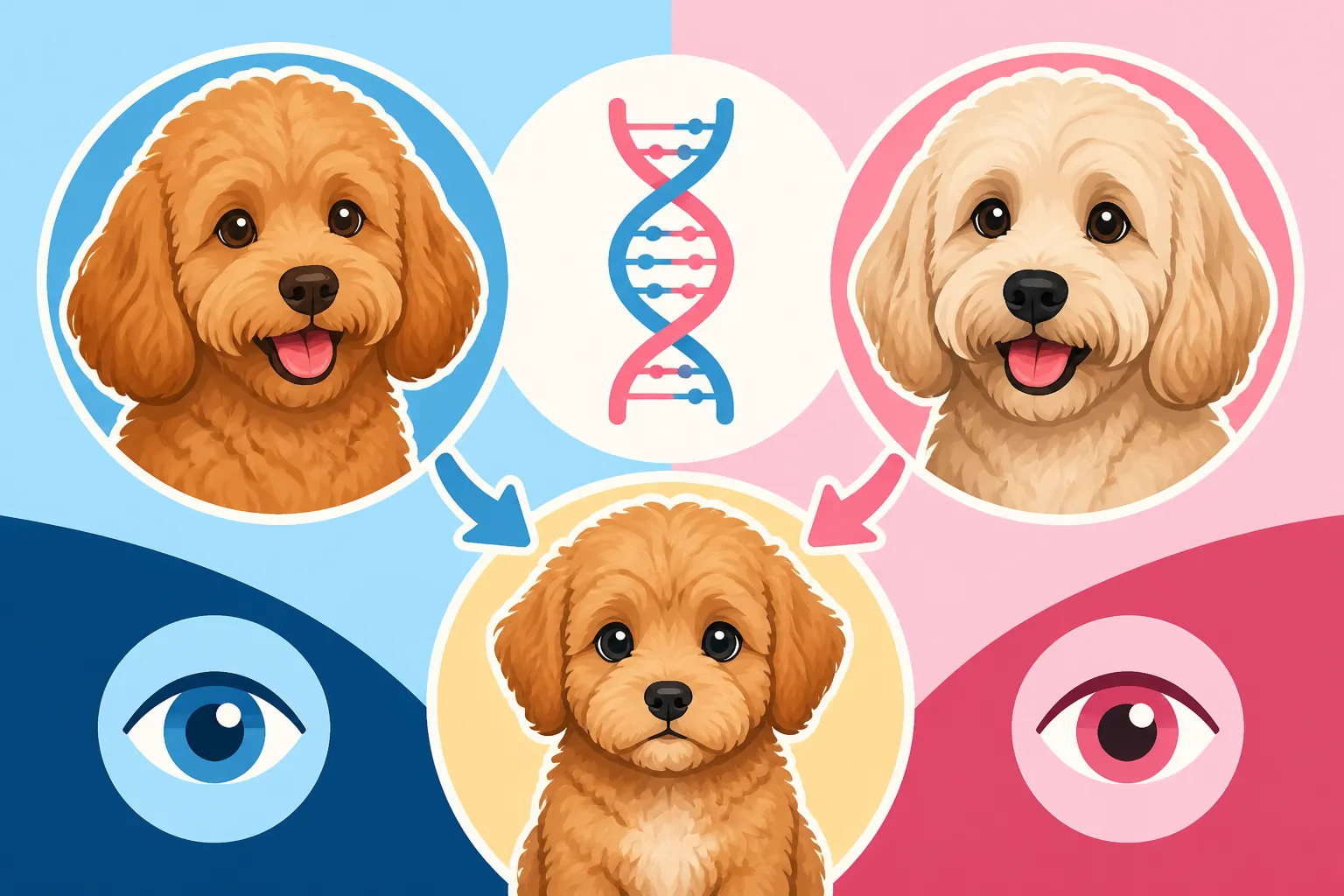
Now, let's get to the crux of your question: does prcd-PRA come from both Cockapoo parents? The unequivocal answer is yes, for a Cockapoo to be affected by prcd-PRA, it absolutely needs to inherit a copy of the faulty gene from both its mother and its father. This is the nature of autosomal recessive inheritance. If only one parent contributes the faulty gene, the puppy will be a carrier, but not affected by the disease itself.
The Role of Both Cocker Spaniel and Poodle Lines
The Cockapoo, being a delightful hybrid of a Cocker Spaniel and a Poodle, inherits its genetic makeup from both of these parent breeds. This is where things can get a little tricky, but it's crucial for understanding prcd-PRA. Both Cocker Spaniels (specifically American and English Cocker Spaniels) and Poodles (Toy, Miniature, and Standard) are known to carry the gene for prcd-PRA. This means that a Cockapoo puppy has the potential to inherit the gene from either side of its family tree.
If a Cockapoo puppy's Cocker Spaniel parent is a carrier or affected, and its Poodle parent is also a carrier or affected, then the chances of the puppy being affected by prcd-PRA significantly increase. A responsible breeder will understand this and ensure that both parent dogs are screened for the gene mutation before breeding. Without this dual screening, there's no way to guarantee that a litter will be free from affected puppies. The question of Whether a prcd Carrier Cockapoo Ever Goes Blind is a common one, and the answer is generally no; carriers usually have normal vision throughout their lives.
Genetic Combinations and Outcomes
Let's look at the possible genetic scenarios when breeding for prcd-PRA:
| Mother's Status | Father's Status | Puppy's Possible Status | Risk of Affected Puppy |
|---|---|---|---|
| Clear (N/N) | Clear (N/N) | 100% Clear (N/N) | 0% |
| Clear (N/N) | Carrier (N/PRA) | 50% Clear, 50% Carrier | 0% |
| Clear (N/N) | Affected (PRA/PRA) | 100% Carrier (N/PRA) | 0% |
| Carrier (N/PRA) | Carrier (N/PRA) | 25% Clear, 50% Carrier, 25% Affected | 25% |
| Carrier (N/PRA) | Affected (PRA/PRA) | 50% Carrier, 50% Affected | 50% |
| Affected (PRA/PRA) | Affected (PRA/PRA) | 100% Affected (PRA/PRA) | 100% |
As you can see from the table, an "Affected" puppy (PRA/PRA) only occurs when both parents contribute a copy of the prcd-PRA gene. This happens if both parents are carriers, if one is a carrier and one is affected, or if both parents are affected. This is why thorough testing of both the Cocker Spaniel and Poodle parents is absolutely non-negotiable for a reputable Cockapoo breeder.
Even if a breeder only uses "Clear" parents, problems can sometimes arise if the "Clear" status wasn't genuinely proven through DNA testing, or if there's a misunderstanding of genetic reports. This is thankfully rare with current testing, but it underscores the importance of verifying documentation.
The Importance of Breeder Testing and Transparency
When you’re looking for a Cockapoo puppy, one of the most reassuring things a breeder can provide is proof of genetic health testing for both parent dogs. This isn't just a nice-to-have; it's a fundamental responsibility. A reputable breeder understands the genetic risks inherent in both parent breeds and takes proactive steps to prevent passing on debilitating conditions like prcd-PRA.
What to Ask Your Breeder About prcd-PRA Testing
Don't be shy about asking your breeder directly about their health testing protocols. In fact, you should ask! A good breeder will welcome your questions and be eager to share their extensive health clearances. You’ll want to inquire specifically about prcd-PRA testing for both the Cocker Spaniel and the Poodle parents. They should be able to provide documentation, often in the form of official certificates from veterinary genetic testing labs like Paw Print Genetics or OptiGen. These certificates will clearly state whether each parent dog is "Clear" (N/N), a "Carrier" (N/PRA), or "Affected" (PRA/PRA) for prcd-PRA.
If a breeder tells you they "don't believe in testing" or that their dogs "look healthy," that's a huge red flag. Remember, carriers appear perfectly healthy. Without DNA testing, there's simply no way to know a dog's genetic status for recessive conditions. This is a crucial step in ensuring the long-term health and happiness of your potential puppy. You'll want to be Asking a Cockapoo Breeder for the FN Certificate and similar documentation for other genetic conditions too.
Why Certified Testing is So Important
The beauty of DNA testing for prcd-PRA is that it's highly accurate. It identifies the specific gene mutation that causes the disease, leaving no room for guesswork. By using certified labs, breeders can be confident in their results, and you, as a prospective owner, can trust the information provided. These tests enable breeders to make informed decisions, preventing the breeding of two carriers together, which is the scenario that produces affected puppies.
For instance, a breeder might have a fantastic male carrier and a wonderful female carrier. Separately, these dogs are healthy. But breed them together, and you have a 25% chance of each puppy being affected by prcd-PRA. A responsible breeder will never breed two carriers together. They might breed a carrier with a clear dog, knowing that all puppies will either be clear or carriers, but none will be affected. While it might seem like a lot of information, understanding these nuances can save you and your future Cockapoo a lot of heartache. It’s also wise to consider options like pet insurance, for example, from companies like Healthy Paws, which can help mitigate the costs associated with unexpected health issues, though genetic conditions are often tricky regarding pre-existing clauses.
Life with an Affected or Carrier Cockapoo
Discovering your Cockapoo is a carrier or, heartbreakingly, affected by prcd-PRA, can be an emotional journey. Understanding what these statuses truly mean for your dog is key to managing expectations and providing the best care possible.
If Your Cockapoo is a Carrier
If your Cockapoo is a carrier for prcd-PRA, meaning they inherited one copy of the faulty gene, the good news is that they will not develop the disease themselves. They will have normal vision and live a full, healthy life without any symptoms related to prcd-PRA. This is because the single healthy gene copy is sufficient to produce the necessary proteins for proper retinal function.
The only implication of a carrier status is if you were considering breeding your dog, which for most pet owners isn't the case. If breeding were a consideration, it would be imperative to only breed a carrier with a dog that has been tested as "Clear" to ensure no affected puppies are produced. For pet owners, a carrier status simply means you have a genetically healthy dog with no visual impairments from prcd-PRA. You won't have to worry about Whether a prcd Carrier Cockapoo Ever Goes Blind.
Managing Life with an Affected Cockapoo
For those unfortunate situations where a Cockapoo is indeed affected by prcd-PRA, the reality is that their vision will gradually deteriorate, leading to blindness. This can happen around The Age prcd-PRA Takes a Cockapoo's Sight, which varies but often manifests in middle age. While there is currently no cure or treatment to reverse the progression of prcd-PRA, there are many ways you can support your dog and help them adapt to their diminishing vision.
Creating a safe and consistent environment is paramount. Avoid rearranging furniture or leaving obstacles in their path. Scent markers around the house can help them navigate. Using verbal cues more frequently and training them with consistent commands will also become incredibly important. Many blind dogs adapt remarkably well, relying on their other heightened senses like smell and hearing. They can still enjoy walks, play with toys, and live a joyful life with patience and support. It's truly amazing how resilient dogs can be. You might find information on Whether a Blind Cockapoo Manages at Home helpful in these circumstances. Even with excellent care, veterinary costs for managing an aging or specially-abled dog can add up, making robust pet insurance plans, like those offered by Healthy Paws, a thoughtful consideration for pet parents.
Night blindness typically comes first in affected dogs, so adjusting your routine to avoid nighttime outdoor excursions or using bright lighting indoors can help your dog feel more secure. Over time, as day vision also declines, continued adaptation and reassurance from you will be vital. Remember, your Cockapoo still loves you and wants to be an active part of the family, even without perfect sight.
Proactive Steps for Cockapoo Owners
Understanding prcd-PRA and its genetic inheritance is powerful knowledge. It empowers you to make informed decisions, whether you're searching for a new puppy or already have a beloved Cockapoo at home. Proactive steps can make all the difference in ensuring a long, healthy, and happy life for your furry friend.
Choosing a Reputable Breeder
This cannot be stressed enough: choosing a reputable breeder is the single most important step you can take to avoid genetic health issues like prcd-PRA. A reputable breeder will go above and beyond to health test their breeding stock for a range of conditions common in both Cocker Spaniels and Poodles, not just prcd-PRA. They will be transparent with their results, readily provide certificates, and be able to explain the genetic implications of their breeding choices. Look for breeders who are open to visitors, allow you to meet the puppy's parents, and show a genuine commitment to the health and well-being of their dogs. Always insist on seeing The Five Certificates a Cockapoo Breeder Should Show for both parents.
Beware of breeders who offer vague assurances, claim their puppies are "guaranteed healthy" without providing documentation, or those who sell puppies at unusually low prices without any health testing. These are often indicators of irresponsible breeding practices that prioritize profit over the health of the animals. While the upfront cost of a puppy from a reputable breeder might be higher, it's an investment in fewer vet bills and less heartache down the line. Pet insurance providers like Healthy Paws often have waiting periods for genetic conditions, so prevention through responsible breeding is truly the best medicine.
Ongoing Eye Health Monitoring
Even if your Cockapoo comes from fully tested parents, general eye health is still something to monitor throughout their life. Conditions other than prcd-PRA can affect their vision, and early detection of any issue can improve outcomes. Regular veterinary check-ups should include an eye examination, and your vet might recommend specific screenings as your dog ages. For instance, sometimes it's recommended to have a Whether a Cockapoo Needs a Yearly CAER Exam to check for other hereditary eye diseases.
Keep an eye out for any changes in your Cockapoo's vision or eye appearance. Are they bumping into things more frequently? Are their eyes cloudy or red? Do they seem reluctant to go outside in the dark? These could be signs of various eye conditions. If you notice your Cockapoo starting to exhibit any signs of vision impairment, or if their eyes look different, it’s always best to consult with your veterinarian promptly. Early intervention can sometimes make a difference or at least allow you to prepare and adapt sooner. Understanding how to identify Whether a Cockapoo Goes Blind Slowly can help you recognize early signs.
Navigating the world of genetic health conditions can feel daunting, but with the right knowledge and a commitment to responsible practices, you can help ensure your Cockapoo enjoys the brightest future possible.
Disclaimer
This article is for general informational purposes only and does not constitute professional advice. Laws, prices and regulations vary by location and change over time. Consult a qualified professional for guidance on your specific situation.