Cherry Eye in a Cockapoo Puppy
Finding that sudden, alarming red blob peeking out from your beloved Cockapoo puppy's eye can send any pet parent into a panic. One moment they're playing happily, the next you're staring at what looks like a tiny, inflamed cherry in the corner of their eye. This isn't just an unsightly cosmetic issue; it's often painful and requires prompt attention. This guide will walk you through everything you need to know about cherry eye in Cockapoo puppies, from understanding its causes to navigating treatment and ensuring a smooth recovery.
What Exactly is Cherry Eye in Your Cockapoo Puppy?
Let's demystify what's happening when you see that tell-tale "cherry" in your Cockapoo's eye. Despite its alarming appearance, cherry eye, medically known as nictitans gland prolapse, is a relatively common condition, especially in certain breeds. It involves a small gland located in your dog's third eyelid.
Understanding the Third Eyelid
Dogs, unlike humans, have three eyelids. We're all familiar with the upper and lower eyelids, but there's a third one, also called the nictitating membrane, that sits in the inner corner of their eye. This often goes unnoticed because it usually retracts and is only visible when a dog is very tired, has experienced trauma, or is feeling unwell. Its primary job is to provide an extra layer of protection for the eye and help distribute tears across the cornea, keeping it moist and healthy. Think of it as a natural wiper blade and shield rolled into one. It’s essential for overall eye health, and the gland associated with it plays a crucial role in tear production.
The Gland's Role and Prolapse
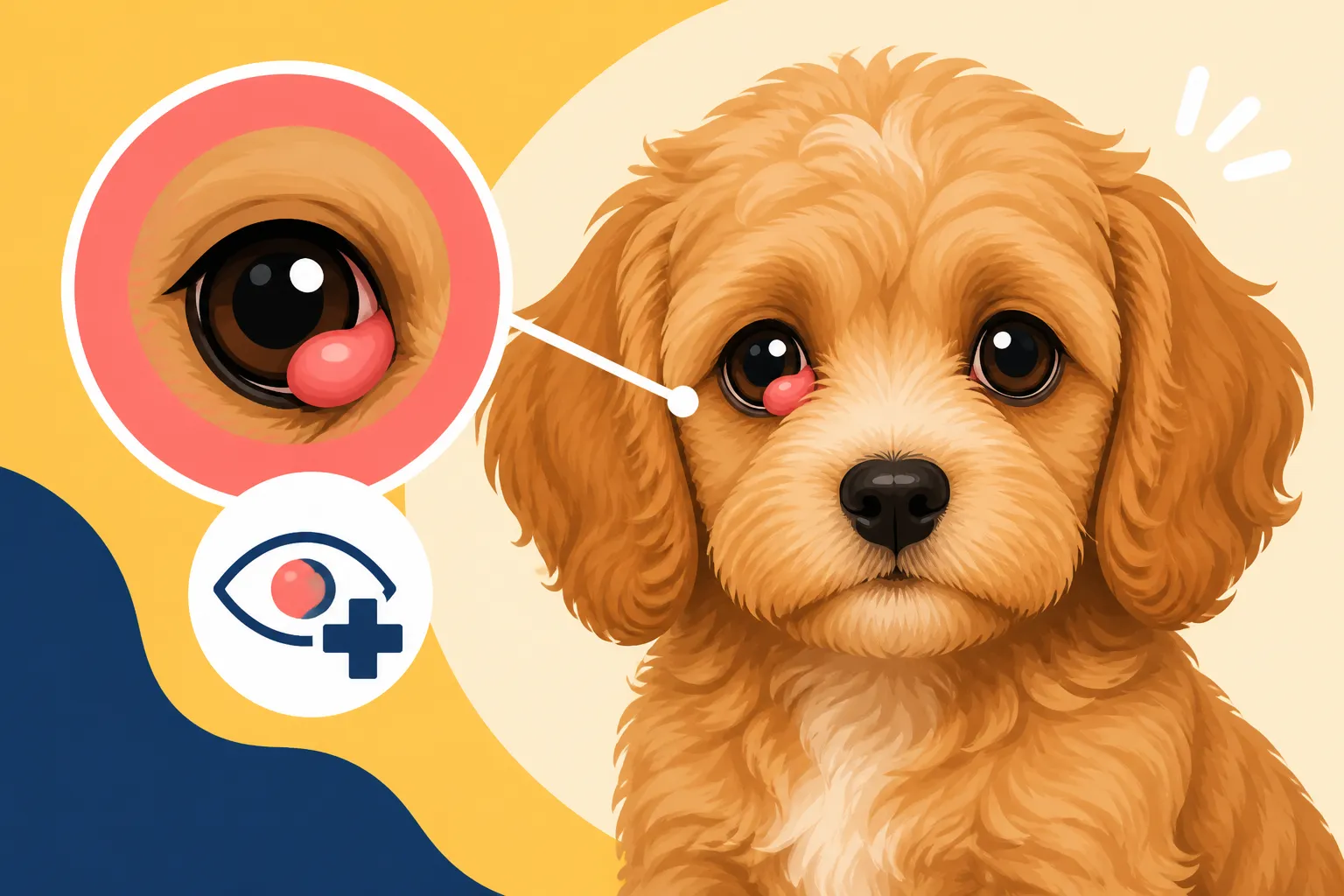
Nestled at the base of this third eyelid is a tiny but mighty tear-producing gland. This gland is responsible for producing a significant portion of the watery component of your Cockapoo's tears – estimates suggest it contributes around 30-50% of the total tear film. Under normal circumstances, this gland remains tucked away and securely anchored by fibrous tissue. However, for reasons we'll delve into shortly, these anchoring tissues can weaken or stretch, causing the gland to pop out from its normal position. When it prolapses, it becomes exposed to the air, often swells, and turns a distinctive red or pink, resembling a small cherry. This exposure and swelling make it irritated, uncomfortable, and vulnerable to further injury or infection. It’s not just a cosmetic issue; an exposed gland can't function properly, potentially leading to dry eye syndrome if left untreated, which is a much more serious and chronic condition.
Why Cockapoos Are Prone to Cherry Eye
It's a common and understandable frustration for pet owners: why is my dog getting this? When it comes to cherry eye, certain breeds carry a higher genetic predisposition, and unfortunately, Cockapoos are among them. Their mixed heritage often means they inherit traits that increase their risk.
Genetic Predisposition from Parent Breeds
The Cockapoo is a crossbreed, combining the delightful characteristics of the Cocker Spaniel and the Poodle. Both of these parent breeds have a documented history of predispositions to various eye conditions, and cherry eye is one that crops up with noticeable frequency in both lines. Cocker Spaniels, especially the American Cocker Spaniel, are well-known for their expressive eyes and are often cited as a breed susceptible to cherry eye due to looser connective tissue around the gland. Poodles, particularly miniature and toy varieties, also carry a genetic inclination for weak connective tissues around the third eyelid. When you combine these two breeds, you're essentially doubling down on the genetic lottery that could lead to a prolapsed nictitans gland. This isn't to say every Cockapoo will get cherry eye, but the inherent genetic blueprint increases the likelihood compared to many other breeds. It’s a classic example of hybrid vigor not always sidestepping every potential health challenge.
Age and Breed-Specific Factors
Cherry eye isn't typically seen in older dogs; it predominantly affects puppies and young dogs, usually under two years of age. This is often because the connective tissues in puppies are still developing and may be naturally weaker or more flexible before they fully mature. A Cockapoo puppy's playful antics, their tendency to bump into things, or even just vigorous shaking of their head could potentially trigger the prolapse if the underlying tissue is already compromised. We sometimes see it appear quite suddenly after a period of intense play or excitement. While the exact trigger can be elusive, the underlying cause is almost always anatomical weakness rather than an external injury alone. Understanding this age-related prevalence means that if your Cockapoo puppy develops a red eye, especially in that inner corner, cherry eye should be high on your list of concerns, and you should consider seeking veterinary advice right away. Other eye conditions, like those discussed in The Red Eye That Means a Cockapoo Needs a Vet Tonight, require swift action too, so distinguishing between them is vital.
Recognizing the Signs and When to Act
Identifying cherry eye is often straightforward due to its distinctive appearance, but knowing the secondary signs and understanding the urgency of treatment is crucial for your Cockapoo puppy's comfort and long-term eye health. It’s not just about aesthetics; prolonged exposure of the gland can cause significant issues.
The Obvious Red Mass
The most unmistakable sign of cherry eye is the sudden appearance of a small, round, reddish or pink mass in the inner corner of your Cockapoo's eye. It truly does look like a tiny cherry has popped out. This mass is the prolapsed gland of the third eyelid. It can appear in one eye or, less commonly, in both eyes simultaneously, or one after the other. It might be small initially, almost like a tiny pimple, but often it swells quickly, becoming more prominent and alarming. You might notice it's more noticeable when your puppy is excited, barking, or just woken up. Because it's a soft tissue, it can fluctuate in size slightly, but it will generally remain visible once it has prolapsed. Don't be tempted to try and push it back in yourself, as this can cause more trauma and may not keep it in place anyway.
Secondary Symptoms and Discomfort
While the red mass is the primary indicator, your Cockapoo puppy will likely exhibit other signs of discomfort. You might notice them rubbing at their eye with a paw or against furniture, which can further irritate the delicate tissue. There might be increased tearing or a sticky discharge from the affected eye, as the exposed gland struggles to function correctly and the eye attempts to clear the irritation. In some cases, if the gland's function is significantly impaired, the eye might actually appear drier than usual, or you might see your puppy blinking more frequently than normal as if trying to relieve an itch or foreign body sensation.
Lack of prompt treatment can lead to chronic dry eye (keratoconjunctivitis sicca or KCS), a painful and lifelong condition that can severely impact your dog's vision and quality of life. The longer the gland is exposed, the more likely it is to become inflamed, infected, or damaged, making surgical correction more challenging and potentially less successful. This is why it’s so important to contact your veterinarian as soon as you notice any signs. When you're dealing with a young, energetic pup, their general health and well-being are paramount, and addressing issues like this early can save a lot of heartache (and expense!) down the line. Caring for a Raising a Cockapoo Puppy involves being vigilant for many such sudden changes.
The Veterinary Diagnosis Process
When you notice that tell-tale "cherry" in your Cockapoo puppy's eye, the first and most important step is a visit to your veterinarian. While cherry eye is often visually obvious, a professional diagnosis is crucial to rule out other conditions and plan the most effective treatment.
The Initial Examination
Your vet will perform a thorough ophthalmic examination, which involves a close inspection of your Cockapoo's eye. They'll confirm that the red mass is indeed the prolapsed gland of the third eyelid. They'll also check for any associated symptoms like redness of the conjunctiva (the pink tissue lining the eyelids), discharge, or signs of pain. It's not just about looking at the "cherry"; the vet will assess the overall health of the eye. This might include checking the pupillary light reflexes, assessing tear production using a Schirmer tear test (a small strip of paper placed in the lower eyelid to measure tear volume), and examining the cornea for any scratches or ulcers that might have resulted from the gland's exposure or the puppy rubbing its eye. This initial assessment helps to determine the severity of the prolapse and any secondary issues that need to be addressed immediately.
Ruling Out Other Eye Conditions
While cherry eye has a very distinct appearance, your vet will still consider and rule out other potential eye problems that can present with similar symptoms, especially a red, inflamed eye. Conditions such as conjunctivitis (inflammation of the conjunctiva), tumors of the third eyelid, or even a foreign body lodged in the eye can sometimes be mistaken for cherry eye by an untrained eye. In rare cases, a more serious condition like glaucoma might be suspected, which is a painful condition causing increased pressure within the eye, and needs urgent intervention. Learning about Glaucoma From the Cocker Side of a Cockapoo is important for understanding potential breed-specific risks. The vet's expertise is vital in differentiating these conditions because the treatments vary significantly. A proper diagnosis ensures your Cockapoo puppy receives the correct and most effective care, setting them up for the best possible outcome. This comprehensive check-up is part of the broader The Kidney and Eye Checks a Cockapoo Needs Yearly that are essential for long-term wellness.
Treatment Options: Surgical and Non-Surgical
Once cherry eye is diagnosed, your vet will discuss the best course of action. While some mild cases might temporarily respond to non-surgical methods, surgical intervention is almost always recommended for a lasting solution, especially in puppies. The goal is to return the gland to its natural position and ensure it can continue its vital role in tear production.
Tacking vs. Excision: The Pros and Cons
When surgery is necessary, there are two primary approaches: tacking and excision.
Tacking (Repositioning) Procedures: This is the preferred method for cherry eye repair, often referred to as a "pocket technique" or similar variations. The goal is to surgically reposition the prolapsed gland back into its anatomical pocket behind the third eyelid and secure it with sutures to the surrounding tissue. The idea is to create a new, strong anchor that holds the gland in place, allowing it to resume its normal function.
-
Pros of Tacking:
- Preserves Tear Production: The biggest advantage is that the gland remains intact and continues to produce tears. This significantly reduces the risk of your Cockapoo developing dry eye (KCS) later in life, which can be a chronic and uncomfortable condition requiring lifelong medication.
- High Success Rate: Modern tacking techniques generally boast a high success rate, often between 80-95% for the first surgery.
- Minimally Invasive: Compared to removing the gland, it's considered less invasive to the eye's delicate structures.
-
Cons of Tacking:
- Risk of Recurrence: While uncommon with skilled surgery, there's always a possibility that the sutures could fail or the connective tissue could weaken again, leading to the gland prolapsing a second time. This might necessitate a repeat surgery.
- Technical Skill Required: These surgeries require a delicate touch and a good understanding of ocular anatomy, often best performed by a veterinary ophthalmologist or a vet with significant surgical experience in this area.
Excision (Removal) Procedures: This involves surgically removing the prolapsed gland entirely. Historically, this was a more common practice, but it's largely fallen out of favor due to the significant long-term risks.
-
Pros of Excision:
- Permanent Fix for the Prolapse: Once the gland is removed, it can't prolapse again.
-
Cons of Excision:
- High Risk of Dry Eye: This is the critical downside. Since the gland of the third eyelid contributes significantly to tear production, removing it dramatically increases the likelihood of your Cockapoo developing severe dry eye (KCS). This condition means the eye doesn't produce enough tears, leading to chronic irritation, pain, corneal damage, and potentially blindness if not managed aggressively with daily, lifelong eye drops. Many owners find managing KCS to be far more challenging and costly over the long term than dealing with a cherry eye recurrence.
- Not Recommended by Specialists: Most veterinary ophthalmologists strongly advise against gland excision unless absolutely unavoidable (e.g., if the gland is severely damaged beyond repair or has developed a tumor).
Given the significant risk of dry eye, most vets will recommend a tacking procedure for your Cockapoo puppy. It's an investment in their long-term eye health and comfort.
Non-Surgical Management and Its Limitations
You might wonder if there's a way to avoid surgery altogether. For very mild, acute cases, or if surgery needs to be postponed, your vet might suggest a course of anti-inflammatory eye drops or ointments. These can help reduce the swelling and irritation, sometimes allowing the gland to temporarily retract on its own. Some manual repositioning might be attempted by the vet, often after applying a topical anesthetic.
- Limitations:
- Temporary Solution: Non-surgical methods are rarely a permanent fix. The underlying anatomical weakness remains, so the gland is highly likely to prolapse again, often very quickly.
- Risk of Chronic Damage: Prolonged reliance on non-surgical methods risks the exposed gland becoming chronically inflamed, scarred, and losing its ability to produce tears, even if it is eventually surgically repositioned. The longer it's out, the harder it is to put back effectively.
- Discomfort: Your puppy will continue to experience discomfort and irritation while the gland is exposed.
Ultimately, while conservative management can offer temporary relief, it’s not a substitute for surgical correction in most cases. A discussion with your vet about the expected costs of such a surgery and considering pet insurance, perhaps from a provider like Healthy Paws, early in your puppy's life can help alleviate the stress of unexpected vet bills. This surgical procedure typically falls under covered conditions for most pet insurance plans if enrolled before symptoms arise.
Here's a quick comparison of the main surgical options:
| Feature | Tacking (Repositioning) | Excision (Removal) |
|---|---|---|
| Gland Preservation | Yes, gland is preserved and remains functional. | No, gland is permanently removed. |
| Risk of Dry Eye (KCS) | Low, as tear production is maintained. | Very High, often leads to lifelong KCS. |
| Recurrence Rate | Small risk of recurrence (5-20%), may require repeat surgery. | No recurrence of cherry eye. |
| Overall Recommendation | Highly recommended by veterinary ophthalmologists. | Generally discouraged due to KCS risk, reserved for severe cases. |
| Cost | Typically ranges from $400 – $1000 per eye, depending on location and vet expertise. | Similar initial cost, but significantly higher long-term costs if KCS develops. |
Life After Cherry Eye Surgery and Potential Complications
Undergoing surgery can be a worrying time for any pet parent, especially when it involves a young puppy. Knowing what to expect during recovery and being aware of potential complications will help you provide the best possible care for your Cockapoo.
Post-Operative Care and Recovery
After the surgery, your Cockapoo puppy will need some special attention to ensure a smooth recovery. Here's what you can typically expect:
- E-Collar (Cone of Shame): This is non-negotiable! Your puppy will almost certainly need to wear an Elizabethan collar (the "cone of shame") for about 10-14 days. This prevents them from pawing at their eye or rubbing it against surfaces, which could pull out sutures or introduce infection. It might be awkward at first, but it's essential.
- Medication: You'll likely be sent home with a course of oral antibiotics to prevent infection and anti-inflammatory pain medication to manage any discomfort. Additionally, medicated eye drops or ointments will probably be prescribed to aid healing and keep the eye moist. Administering these exactly as directed is crucial for successful recovery.
- Restricted Activity: Your Cockapoo will need quiet, restricted activity for a couple of weeks. No boisterous play, jumping, or roughhousing. Short, leashed potty breaks are usually fine, but avoid anything that could strain the surgical site or cause accidental trauma. This can be tough with an energetic puppy, but it’s vital for healing.
- Follow-up Appointments: Your vet will schedule follow-up appointments, typically around 10-14 days post-surgery, to check on the healing, remove any external sutures (if applicable), and ensure the gland is staying in place. During these checks, the vet will also assess tear production to ensure the gland is functioning properly.
- Eye Appearance: The eye might look a little red or swollen for a few days after surgery, which is normal. The "cherry" should be gone, but the inner corner of the eye might still appear a bit prominent until all swelling subsides.
Most Cockapoo puppies recover remarkably well from cherry eye surgery. The key is strict adherence to post-operative instructions from your vet.
Possible Complications and Second Eye Involvement
While cherry eye surgery has a high success rate, it's important to be aware of potential complications:
- Suture Problems: Occasionally, the sutures used to tack the gland in place can come loose or dissolve prematurely, leading to the gland prolapsing again. If this happens, a second surgery will be necessary. It's frustrating, but sometimes the delicate nature of the tissue means a first attempt isn't entirely foolproof.
- Infection: As with any surgery, there's a risk of infection, although this is minimized with antibiotics and proper hygiene. Signs of infection include excessive redness, swelling, discharge that is yellow or green, or increased pain.
- Dry Eye (KCS): Although tacking procedures aim to preserve the gland and prevent KCS, it's still a very rare potential complication. The long-term exposure of the gland before surgery can sometimes damage it enough that it struggles to produce adequate tears even after repositioning. This is why prompt treatment is so important.
- Second Eye Prolapse: One of the most common "complications" isn't a complication of the surgery itself, but a tendency for the other eye to develop cherry eye later on. If one eye has had a prolapse, there's a significant chance (estimated around 50% or more) that the other eye will eventually be affected. This is due to the same underlying genetic predisposition and tissue weakness. It's not a failure of the first surgery, but rather a manifestation of the inherent breed trait. Be vigilant for any signs in the "good" eye even after the first one has healed. Knowing that this is a possibility allows you to be prepared both emotionally and financially. Planning for these possibilities is where a comprehensive pet insurance plan, such as one from Healthy Paws, can be incredibly beneficial, helping to cover unexpected surgical costs for either eye.
Preventing Recurrence and Long-Term Care
Once your Cockapoo puppy has successfully recovered from cherry eye surgery, you might feel a sense of relief – and rightly so! However, preventing recurrence and ensuring their long-term eye health requires ongoing vigilance and care.
Ongoing Eye Health Management
Even after successful surgery, consistent eye care is vital for your Cockapoo. Here are a few things to keep in mind:
- Regular Visual Checks: Make it a habit to regularly check your Cockapoo's eyes. Look for any signs of redness, discharge, squinting, or pawing at the eyes. Pay particular attention to the inner corner of the eyes for any hint of the gland starting to pop out again. Early detection of any issues can make treatment simpler and more effective.
- Maintain Good Grooming: Cockapoos, with their lovely coats, often have hair around their eyes that can cause irritation if not kept trimmed. Regularly and carefully trim the hair around their eyes to prevent it from rubbing against the cornea or getting into the eyes. This also helps you get a clearer view during your visual checks. Grooming around the face, especially with those delicate eyes, requires a gentle touch.
- Protect from Trauma: While you can't wrap your puppy in cotton wool, try to minimize situations where they might suffer direct eye trauma. If your Cockapoo loves to zoom through dense bushes, consider supervising them closely or opting for different play areas.
- Hydration and Diet: General health contributes to eye health. Ensure your Cockapoo is well-hydrated and fed a high-quality, balanced diet suitable for their age and size. A healthy body is better equipped to maintain healthy tissues, including those around the eyes.
- Annual Veterinary Check-ups: Regular vet visits are paramount. Your vet will include a thorough eye examination as part of your Cockapoo's annual check-up. They can spot subtle changes you might miss and conduct specific tests, such as tear production assessments, to monitor for any developing issues, like dry eye. This is especially important considering that Whether a Cockapoo Needs a Yearly CAER Exam (Canine Eye Registry Foundation, now OFA Eye Certification) can help monitor inherited eye conditions over time.
Considering Insurance for Future Issues
It's a tough pill to swallow, but canine health issues can be unpredictable, and treatments, especially surgical ones, can be costly. As we discussed, if one eye has experienced cherry eye, there's a good chance the other might follow suit. Furthermore, while tacking surgery is generally successful, there's always a small risk of recurrence or the development of other eye problems down the line.
- Peace of Mind: Investing in a good pet insurance policy when your Cockapoo is young and healthy can provide immense peace of mind. Policies typically cover unexpected accidents and illnesses, including surgeries like cherry eye repair. If you wait until the condition appears, it will be considered a pre-existing condition and likely won't be covered.
- Financial Protection: Having pet insurance, particularly from a reputable provider like Healthy Paws, means you can focus on getting the best possible care for your Cockapoo without the added stress of a potentially large vet bill. Policies can significantly reduce your out-of-pocket expenses for diagnostics, surgery, and follow-up care. Considering What Insuring a Cockapoo Runs Monthly and the potential costs of surgical procedures can highlight the value of such a plan. Even if your policy doesn't cover Whether Hereditary Kidney Disease Is Excluded on a Cockapoo, many reputable insurers offer excellent coverage for sudden, non-pre-existing conditions.
- Broader Coverage: Beyond cherry eye, pet insurance can help cover other unexpected health challenges that might arise as your Cockapoo grows, such as joint issues or allergies, ensuring you're prepared for whatever life throws your way. The long lifespan of a Cockapoo, often The Fourteen to Eighteen Years a Cockapoo Lives, means many years of potential health needs.
By staying proactive with eye care and planning for potential future health expenses, you can ensure your Cockapoo puppy continues to enjoy clear vision and a comfortable, happy life.
Disclaimer
The information provided in this guide is intended for general knowledge and informational purposes only, and does not constitute professional veterinary advice. Always consult with a qualified veterinarian for any health concerns or before making any decisions about your pet's medical care.