Whether Furniture Jumping Wrecks a Toy Cockapoo’s Knees
It’s a common sight: your adorable Toy Cockapoo leaping onto the sofa to cuddle, or perhaps bounding off the bed with seemingly boundless energy. While their acrobatic antics might seem cute, many Cockapoo owners worry about the long-term impact these jumps have, especially on their little joints. This guide dives deep into how everyday furniture jumping can affect your Toy Cockapoo's knees, why it's a particular concern for smaller breeds, and what you can do to protect your beloved companion.
Understanding the Delicate Nature of Toy Cockapoo Joints
Toy Cockapoos, with their delightful mix of Poodle and Cocker Spaniel lineage, are bundles of energy, but their small stature means their joints can be more susceptible to certain issues. It's not just about the occasional clumsy landing; it's about the cumulative stress on structures that weren't necessarily designed for repeated high-impact activities.
Patellar Luxation: A Common Concern
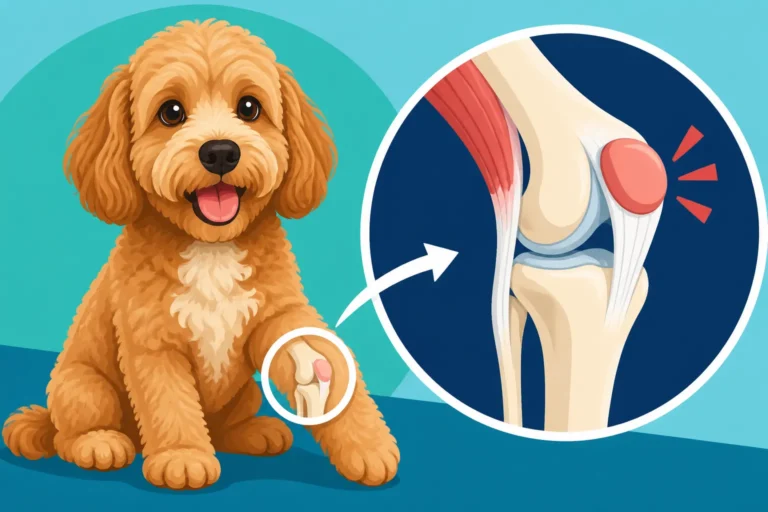
One of the most significant orthopedic problems for Toy Cockapoos, and many small breeds, is patellar luxation, often simply called "slipping kneecaps." This condition occurs when the patella (kneecap) dislocates or moves out of its normal groove in the thigh bone (femur). When your Cockapoo jumps, especially off elevated surfaces, the force of landing can put immense strain on the knee joint. If the groove is too shallow or the ligaments are too loose, these jumps can exacerbate an existing condition or even contribute to its development over time.
Think of it like a train running off its tracks. If the tracks aren't perfectly aligned, a bumpy ride could cause the train to derail. Similarly, a jump can force a kneecap that's already prone to slipping to pop out, causing pain and an awkward gait. While some dogs are born with a predisposition to patellar luxation, repetitive stress from activities like jumping on and off furniture can certainly worsen the condition, leading to more frequent luxations and accelerated cartilage wear. For a deeper dive, read more about Slipping Kneecaps in a Toy Cockapoo.
Genetic Predisposition and Breed Lines
It's crucial to understand that joint health isn't solely about environmental factors; genetics play a massive role. Both Cocker Spaniels and Poodles, the parent breeds of the Cockapoo, can carry predispositions to various orthopedic conditions, including patellar luxation and, less commonly in smaller sizes, hip dysplasia. Reputable breeders should conduct health screenings on their breeding dogs to minimize the risk of passing on these genetic issues. However, even with the best breeding practices, no dog is entirely immune.
A Toy Cockapoo from a line with a history of patellar luxation will inherently be at higher risk. While furniture jumping doesn't cause the genetic predisposition, it acts as a significant stressor that can bring out or worsen the clinical signs of the condition earlier in life. This is why understanding your puppy's lineage and asking your breeder about the health clearances of the parent dogs is so vital. It helps you anticipate potential vulnerabilities and take proactive steps to protect your pup.
The Impact of Size on Joint Vulnerability
You might notice that larger dogs seem to jump off furniture with less apparent effort. This isn't just an illusion; smaller dogs, like Toy Cockapoos, experience disproportionately higher forces on their joints relative to their body size when jumping and landing. Their legs are shorter, their impact absorption is less distributed, and the mechanics of their small joints are simply more delicate.
A jump from a 2-foot high sofa for a 10-pound Toy Cockapoo is equivalent to a much greater height and impact for a human. Their small bones and ligaments are simply not built to absorb that kind of repeated shock. This vulnerability means that what might be a minor jolt for a larger breed could be a significant trauma for a tiny Cockapoo, leading to issues that compromise their mobility and comfort as they age. This particular concern is why many vets will caution owners of small breeds about high-impact activities.
The Mechanics of Jumping and Joint Stress
It’s easy to think of a dog's jump as one fluid motion, but in reality, it involves a complex sequence of muscle contractions and joint movements, culminating in a landing that can exert significant force. Understanding this process helps us appreciate why certain activities can be detrimental.
The Force of Landing and Repetitive Strain
When your Toy Cockapoo launches itself off a sofa, a bed, or even a chair, the most impactful part for their joints isn't the ascent, but the landing. The force of impact, dictated by gravity and the dog's speed, is absorbed primarily by their front and hind limbs. For the knees, this means the patella, ligaments, and cartilage bear the brunt. Each time they land, especially if it's awkward or unbalanced, it creates micro-traumas within the joint.
Over time, these repetitive micro-traumas can lead to inflammation, cartilage degradation, and stretching of supporting ligaments. This is particularly concerning if the dog already has a mild case of patellar luxation, as each jump risks pushing the kneecap out of place. The constant strain prevents the joint from fully recovering, setting the stage for chronic pain and early-onset arthritis. This cumulative damage can significantly impact their quality of life as they get older, potentially leading to questions like Whether a Toy Cockapoo's Knees Go First.
High-Impact Activities vs. Everyday Furniture Access
It’s important to distinguish between controlled, high-impact activities like agility training (where dogs are trained to jump safely) and the uncontrolled, often impulsive, jumps off household furniture. While some well-managed physical activity is excellent for building muscle and maintaining joint health, random jumps carry a higher risk. In agility, jumps are regulated, landings are practiced, and the dog's physical condition is closely monitored.
Everyday furniture jumping, however, often involves uneven surfaces, sudden movements, and landings on hard floors without proper warm-up or technique. Your Cockapoo isn't thinking about joint mechanics when they see you with a treat on the couch! This distinction is crucial because while we might encourage healthy exercise, we must manage and mitigate the risks associated with casual, repetitive impacts. It's about recognizing that not all jumping is created equal, and some types pose a far greater threat to delicate joints.
Cumulative Damage Over Time
The real danger isn't usually one single jump, but the hundreds, or even thousands, of jumps a Toy Cockapoo might make over its lifetime. Each small impact contributes to wear and tear. Imagine constantly hitting a small hammer against a piece of bone – eventually, it will show damage. The same principle applies to your dog's joints.
Over months and years, this cumulative damage manifests as chronic inflammation, pain, and eventually, degenerative joint disease or arthritis. What starts as an occasional skip or limp might progress to consistent lameness or difficulty getting up. It's a slow, insidious process that can often go unnoticed until the damage is significant. This long-term effect highlights why proactive measures, even for seemingly innocuous behaviors, are so vital for maintaining your Cockapoo's mobility and comfort throughout their life. Many pet insurance providers, like Healthy Paws, emphasize the importance of preventative care to avoid these long-term issues.
Preventative Measures and Safe Practices for Your Toy Cockapoo
Protecting your Toy Cockapoo's delicate knees doesn't mean restricting their joy or movement. It's about being smart, proactive, and setting up their environment for success.
Modifying the Home Environment
One of the simplest yet most effective ways to protect your Toy Cockapoo's knees is to reduce the need for jumping altogether. This involves a few key modifications around your home:
- Ramps and Stairs: For sofas and beds that your dog frequently accesses, invest in pet ramps or small dog stairs. These provide a gentle incline or steps, allowing your Cockapoo to reach their favorite spots without any high-impact jumps. They might need a little training to get used to them, but it’s a worthwhile investment in their long-term health. Look for options that are stable and have a non-slip surface.
- Lowering Furniture: While not always practical, if you're buying new furniture, consider pieces that are naturally lower to the ground.
- Soft Landings: If your Cockapoo insists on jumping off certain furniture despite your best efforts, place soft mats or rugs where they typically land. This can help absorb some of the shock and reduce the impact on their joints.
These adjustments help to alleviate the daily stress on their knees, especially concerning patellar luxation, which can be aggravated by sudden impacts.
Training for Safe Access and Descent
Beyond environmental modifications, training plays a crucial role. You can teach your Toy Cockapoo to use ramps or stairs, or even to wait for you to lift them on and off furniture.
- Positive Reinforcement: Use high-value treats and praise to encourage the use of ramps or stairs. Start by placing treats on the first step or at the bottom of the ramp, gradually moving them further up.
- "Up" and "Down" Commands: Teach specific commands for when you want to lift them. This can be especially useful for higher surfaces where ramps might be impractical. Always support their body evenly when lifting to avoid stressing their spine or joints.
- Consistency is Key: Everyone in the household needs to be consistent with these rules. If one person allows free jumping while another enforces ramps, it confuses your dog and undermines your efforts.
Training them to use safe alternatives is an active way to protect their joints, helping them avoid that "skip" that means The Skip That Means a Cockapoo's Knee Has Slipped.
Maintaining Ideal Weight and Muscle Tone
A healthy weight is paramount for joint health in any dog, but especially for small breeds prone to knee issues. Every extra pound your Toy Cockapoo carries puts additional strain on their already delicate joints, accelerating wear and increasing the risk of luxation.
- Balanced Diet: Feed a high-quality, balanced diet appropriate for their age, size, and activity level. Avoid overfeeding and limit treats.
- Regular Exercise: Consistent, low-impact exercise helps build and maintain strong muscles around the joints, providing natural support. Think short, controlled walks, gentle play sessions, and even swimming if they enjoy it. Avoid strenuous activities that involve sudden stops, starts, or high jumps, especially on hard surfaces.
- Consult Your Vet: Regularly discuss your dog's weight and diet with your veterinarian. They can help you determine an ideal weight and recommend a suitable feeding plan.
Maintaining a lean body weight is one of the most impactful things you can do to prevent or slow down the progression of joint problems, including preventing issues like Whether a Heavy Cockapoo Tears a Knee Ligament. A good pet insurance plan, such as those offered by Healthy Paws, can help cover the costs associated with vet visits for weight management and dietary advice.
Consideration for Puppy Development
The early months of a Cockapoo puppy's life are a critical period for joint development. Their bones and growth plates are still soft and vulnerable. High-impact activities during this time can cause irreversible damage.
- Limit Jumping: Strictly limit jumping on and off furniture, stairs, and even rough play with larger dogs during puppyhood. Crate training can also help manage their movements when unsupervised.
- Controlled Exercise: Focus on short, frequent walks and gentle play on soft surfaces. Avoid forced, long walks or intense fetching sessions.
- Nutrition: Ensure they receive appropriate nutrition for healthy bone and joint growth, without overfeeding, which can lead to rapid growth and associated problems.
Taking these precautions during their formative months can significantly improve their chances of having healthy joints throughout their life, preventing potential issues that manifest as they grow older.
Recognizing Signs of Knee Issues and Seeking Veterinary Care
Even with the best preventative measures, it’s possible for Toy Cockapoos to develop knee problems. Knowing what to look for and when to seek professional help is essential for early intervention and effective management.
Common Symptoms of Patellar Luxation
The signs of patellar luxation can vary depending on the severity (grade) of the condition, from subtle to overtly painful. It's important to be vigilant and pay attention to any changes in your Cockapoo's gait or behavior.
- Intermittent Lameness or "Skipping": This is often the hallmark sign. Your dog might suddenly hold up one hind leg for a few steps, then put it down and walk normally again. This happens when the kneecap temporarily slips out and then pops back into place. It’s exactly the kind of behavior that indicates The Skip That Means a Cockapoo's Knee Has Slipped.
- Reluctance to Jump or Play: If your usually energetic Cockapoo suddenly avoids jumping onto the sofa, seems hesitant to run, or shows a general decrease in activity, it could be due to knee pain.
- Pain or Yelping: In more severe cases, or if the kneecap remains dislocated, your dog might yelp when trying to move, or show signs of tenderness when you touch their knee.
- Abnormal Gait: You might notice a bow-legged appearance or a stiff-legged walk, especially if both kneecaps are affected.
- Swelling or Crepitation (Clicking Sound): While less common without significant injury, swelling around the knee joint or a palpable clicking sensation can indicate advanced damage or instability.
If you observe any of these symptoms, it's vital not to delay seeking veterinary attention.
When to Consult Your Vet
Any persistent or recurring lameness, or a sudden change in your Cockapoo's mobility, warrants a trip to the vet. Early diagnosis is key to managing patellar luxation and other joint issues effectively, potentially slowing progression and improving quality of life.
- Initial Signs: Don't wait until the lameness is constant or severe. Even intermittent skipping should be discussed with your vet.
- Puppy Exams: During puppy wellness checks, your vet will often check for patellar luxation. Ensure they specifically examine your Toy Cockapoo's knees.
- Routine Checks: As your Cockapoo ages, especially after middle age, regular check-ups can help catch early signs of arthritis or other joint degeneration. Your vet can feel for looseness in the patella and assess muscle atrophy. This is also a good time to ask about supplements, such as whether Glucosamine Helps a Cockapoo.
- Emergency Situations: If your dog suddenly cannot put weight on a leg, is yelping in pain, or the leg appears visibly deformed, seek emergency veterinary care immediately.
Your vet will likely perform a physical examination, feeling the knee joint and manipulating the leg to assess the stability of the patella. In some cases, X-rays might be recommended to evaluate the bone structure and look for signs of arthritis.
Treatment Options and Long-Term Management
The treatment for patellar luxation and other knee issues depends heavily on the severity of the condition and your Cockapoo's overall health. It typically ranges from conservative management to surgical intervention.
Conservative Management:
For mild cases (Grade 1 or 2 luxation, or early arthritis), your vet might recommend:
- Pain Management: Non-steroidal anti-inflammatory drugs (NSAIDs) can help reduce pain and inflammation.
- Joint Supplements: Glucosamine, chondroitin, and omega-3 fatty acids can support cartilage health.
- Weight Management: Keeping your dog at an ideal weight is critical to reduce stress on the joints.
- Controlled Exercise: Maintaining strong leg muscles through low-impact activities like swimming or short walks on soft ground.
- Physical Therapy: Specific exercises can help strengthen supporting muscles.
Surgical Intervention:
For more severe cases (Grade 2 that causes consistent lameness, or Grade 3 and 4 luxation), surgery is often the best option to correct the anatomical abnormalities. The goal of surgery is to deepen the trochlear groove (where the kneecap sits), realign the quadriceps muscles, and tighten or loosen soft tissues as needed to keep the patella in place.
- Post-Surgery Care: Recovery involves a period of restricted activity, pain medication, and often physical therapy. It's a commitment, but often yields excellent results.
- Costs: Be prepared for potential costs associated with surgery. What Patella Surgery Costs on a Cockapoo can be significant, so having pet insurance from a provider like Healthy Paws can make a huge difference in covering these expenses. It's wise to plan for potential health issues by Setting Money Aside for a Cockapoo's Vet Bills.
Long-term management often involves a combination of therapies to keep your Cockapoo comfortable and mobile, helping to delay the onset or severity of Arthritis in a Cockapoo at Eleven. Regular veterinary check-ups will be crucial to monitor their condition and adjust treatment as needed, ensuring your Toy Cockapoo can enjoy a happy, active life with strong, healthy knees.
| Patellar Luxation Grade | Description | Clinical Signs | Recommended Action |
|---|---|---|---|
| Grade 1 | Patella can be manually luxated but returns to normal position when released. | Intermittent skipping, often resolves spontaneously. | Conservative management, monitor, environmental modifications, weight management. |
| Grade 2 | Patella frequently luxates and stays luxated until the limb is extended or manually replaced. | More frequent skipping, mild to moderate lameness, potential pain. | Conservative management, consider surgery if lameness is consistent or pain is present. |
| Grade 3 | Patella is permanently luxated but can be manually reduced. | Persistent lameness, bow-legged stance, significant discomfort. | Surgery often recommended. |
| Grade 4 | Patella is permanently luxated and cannot be manually reduced. | Severe lameness, inability to extend the knee, chronic pain, significant disability. | Surgery highly recommended, often involving more complex procedures. Prognosis varies depending on severity and duration. |
Disclaimer
The information provided in this article is for general informational purposes only and is not a substitute for professional veterinary advice. Always consult with a qualified veterinarian for any health concerns or before making any decisions related to your pet's health and treatment.