Whether a Cockapoo Forms Urinary Stones
It's incredibly worrying when your beloved Cockapoo starts showing signs of discomfort, especially when those symptoms point to something as serious as urinary issues. No one wants to see their furry family member struggling to pee or having accidents in the house. This comprehensive guide is here to shed light on whether Cockapoos are prone to developing urinary stones, what those symptoms might look like, how vets diagnose them, and most importantly, how you can help prevent and manage this painful condition to keep your pup healthy and happy.
The Likelihood of Cockapoos Developing Urinary Stones
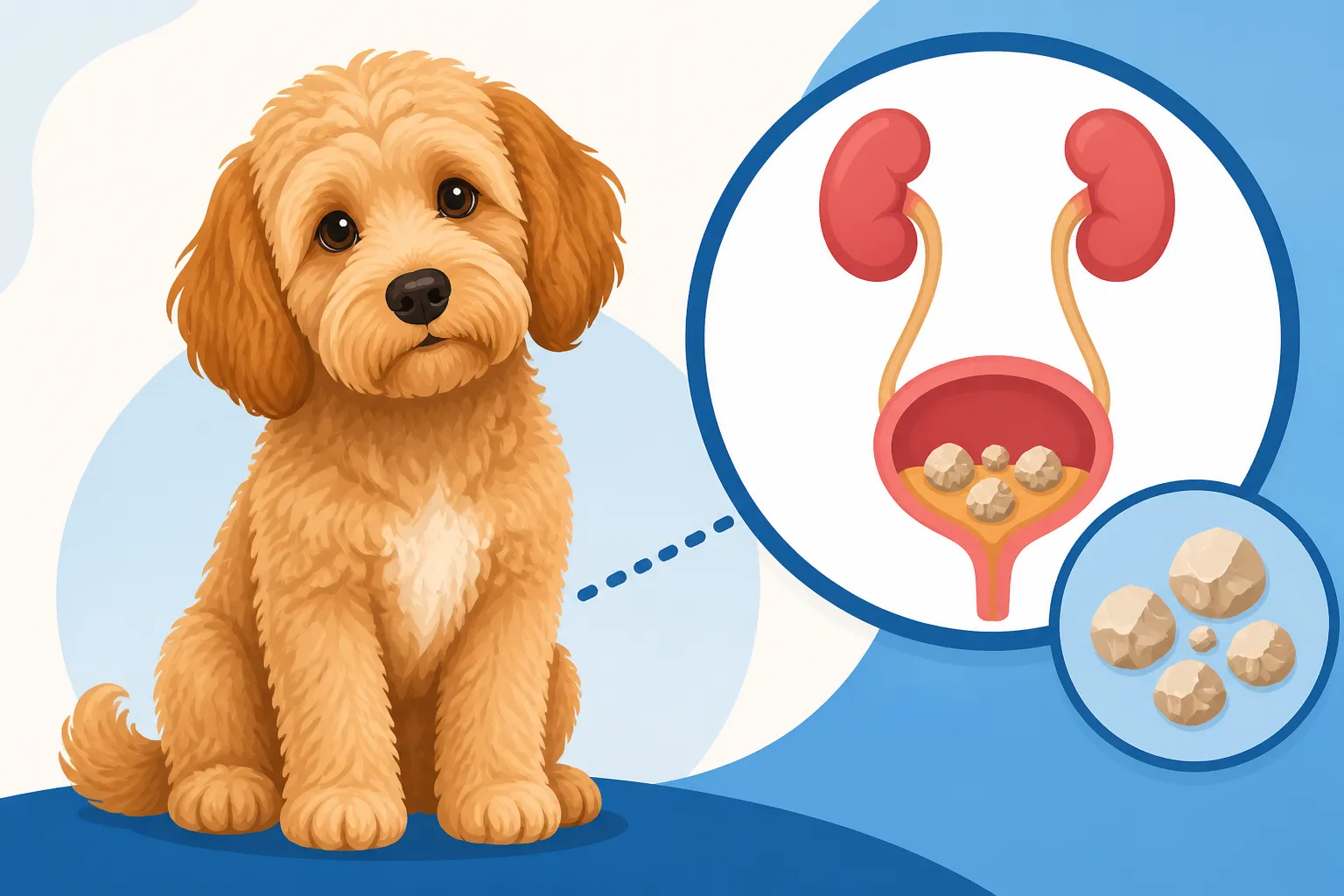
Urinary stones, sometimes called uroliths or bladder stones, are unfortunately a common problem in dogs, and our sweet Cockapoos are certainly not immune. The truth is, their genetic makeup, a wonderful blend of Cocker Spaniel and Poodle, can actually predispose them to certain types of stones. It's not a guarantee, of course, but it does mean it's something every Cockapoo owner should be aware of. Understanding these predispositions is the first step in proactive care.
The Genetic Predisposition from Parent Breeds
When you look at the parent breeds of a Cockapoo, you start to see why urinary stones can be a concern. Cocker Spaniels, especially American Cocker Spaniels, have a known propensity for developing calcium oxalate stones. These stones are hard, jagged, and can be incredibly painful. Poodles, particularly Miniature Poodles, also have a higher risk for both calcium oxalate and struvite stones. Struvite stones often form in conjunction with urinary tract infections (UTIs) and are composed of magnesium ammonium phosphate. Since your Cockapoo carries genes from both these breeds, they essentially get a "double whammy" of potential predispositions. This doesn't mean every Cockapoo will get stones, but it does mean the odds are higher than for some other breeds. It’s a good reason to be extra vigilant about their urinary health from puppyhood.
Types of Urinary Stones Commonly Found in Cockapoos
While dogs can develop various types of urinary stones, Cockapoos, due to their lineage, are most commonly at risk for struvite and calcium oxalate stones. Each type forms under different conditions and requires different treatment approaches.
- Struvite Stones: These are the most common type of bladder stone in dogs and are often, though not always, associated with urinary tract infections. Certain bacteria produce an enzyme called urease, which breaks down urea in the urine, making it more alkaline. This alkaline environment then promotes the formation of struvite crystals, which clump together to form stones. If your Cockapoo has recurrent UTIs, there’s a higher chance they could develop struvite stones.
- Calcium Oxalate Stones: These stones are the second most common type and tend to form in acidic urine, sometimes without any associated infection. They are harder and spikier than struvite stones, which can cause more irritation and bleeding. As mentioned, both Cocker Spaniels and Poodles have a genetic tendency for these, so they are a significant concern for Cockapoo owners. These stones are notoriously difficult to dissolve with diet alone and often require surgical removal.
- Less Common Types: While less frequent, Cockapoos can also develop other types like urate stones (sometimes linked to liver conditions or genetic mutations, more common in breeds like Dalmatians) or cystine stones (a rare hereditary condition). Your vet will determine the specific type through analysis of the stones once they are passed or removed.
Risk Factors Beyond Genetics
It's not just genetics at play when it comes to urinary stones. Several environmental and lifestyle factors can significantly increase your Cockapoo's risk. Understanding these can empower you to make informed choices that safeguard your dog's health.
- Diet: This is a huge one. Diets that are high in certain minerals, or those that promote an imbalance in urine pH, can contribute to stone formation. For instance, a diet high in magnesium, phosphorus, and protein can fuel struvite stone development, while excess calcium or oxalates can encourage calcium oxalate stones. It's not just about the brand; it's about the specific nutritional profile and how it interacts with your individual dog's physiology.
- Hydration: Dogs who don't drink enough water produce more concentrated urine. Concentrated urine means that the stone-forming minerals are less diluted, making them more likely to crystallize and form stones. Ensuring your Cockapoo always has access to fresh water and encouraging them to drink more is a simple yet effective preventative measure.
- Urinary Tract Infections (UTIs): As we discussed, UTIs are frequently a precursor to struvite stones. If your Cockapoo has recurring UTIs, it's crucial to address them promptly and thoroughly, not just for immediate relief but to prevent stone formation. A chronic infection creates the perfect breeding ground for these types of stones.
- Breed and Age: While Cockapoos have a breed predisposition, certain ages are also more susceptible. Struvite stones can occur at any age but are often seen in younger to middle-aged dogs. Calcium oxalate stones tend to be more prevalent in middle-aged to older dogs. Regardless, vigilance is key throughout your Cockapoo's life, especially during The Fourteen to Eighteen Years a Cockapoo Lives.
- Gender: Female dogs tend to be more prone to struvite stones due to their shorter urethra, which makes them more susceptible to UTIs. Male dogs, however, can experience more severe complications if stones cause blockages.
Recognizing the Signs of Urinary Stones in Your Cockapoo
Spotting the signs of urinary stones early is critical for a better prognosis and to minimize discomfort for your Cockapoo. Because these symptoms can mimic other urinary tract issues, like a simple UTI, it’s always best to consult your veterinarian if you notice any changes in your dog’s urination habits or general demeanor. Don't play the waiting game; early intervention truly makes a difference.
Behavioral Changes to Watch For
Our dogs often try to hide their pain, but changes in their daily habits can be a big clue that something is amiss. Keep a keen eye out for these subtle shifts.
- Straining to Urinate (Stranguria): This is one of the most common and noticeable signs. You might see your Cockapoo squatting repeatedly, pushing, or spending a long time trying to urinate, but only producing small amounts of urine, or nothing at all. They might look uncomfortable or even cry out during this process.
- Frequent Urination (Pollakiuria): Your dog might need to go outside much more often than usual, or they might ask to go out, only to pass a tiny bit of urine. This frequent urge is due to the irritation and inflammation of the bladder lining caused by the stones.
- Urinary Accidents in the House: A house-trained Cockapoo suddenly having accidents indoors is a major red flag. This isn't usually a behavioral issue but rather a physical inability to hold their urine due to urgency or discomfort. It’s important not to punish them, as they are likely in distress.
- Licking the Genital Area Excessively: Dogs tend to lick areas that are causing them pain or irritation. If your Cockapoo is constantly licking at their penis or vulva, it could indicate discomfort in their urinary tract.
- Restlessness or Lethargy: While less specific, a dog in pain from urinary stones might be restless, unable to settle, or conversely, become unusually lethargic and withdrawn. They might have a decreased appetite or seem generally unwell.
Physical Symptoms and Emergency Situations
Some physical signs are more overt and demand immediate veterinary attention. These indicate a more severe problem that could quickly become life-threatening.
- Blood in Urine (Hematuria): Seeing pink, red, or even brownish urine is a clear sign of a problem. The stones can irritate and abrade the bladder lining, causing bleeding. Sometimes, blood might only be visible at the very beginning or end of urination.
- Cloudy or Foul-Smelling Urine: While not exclusively indicative of stones, cloudy urine, especially if it's strong-smelling, can point to an infection that might be accompanying or causing struvite stones.
- Vomiting and Loss of Appetite: If stones cause a complete obstruction, especially in male dogs, urine can back up into the kidneys, leading to a build-up of toxins. This can cause systemic illness, manifesting as vomiting, lethargy, and a complete refusal to eat.
- Abdominal Pain or Swelling: Your Cockapoo might be sensitive to touch around their abdomen, particularly the lower belly area. In cases of severe obstruction, the bladder can become distended and painful.
- Inability to Urinate (Urinary Obstruction): This is a true emergency. If your Cockapoo is straining constantly, making no urine, or only drips, it means they are completely blocked. This is excruciatingly painful and can lead to kidney damage, bladder rupture, or even death within 24-48 hours if not treated immediately. If you suspect a blockage, get your dog to an emergency vet right away. This is not something that can wait until morning.
Diagnosis and Treatment of Urinary Stones
When you bring your Cockapoo to the vet with suspected urinary issues, they will employ a series of diagnostic tools to confirm the presence of stones and determine their type. The correct diagnosis is crucial because treatment varies significantly depending on the stone's composition. Your vet will conduct a thorough examination, discuss your dog's history, and then proceed with targeted tests.
Diagnostic Tools Your Vet Will Use
Accurate diagnosis is key to effective treatment. Your vet has several tried-and-true methods for figuring out what's going on inside your Cockapoo's urinary tract.
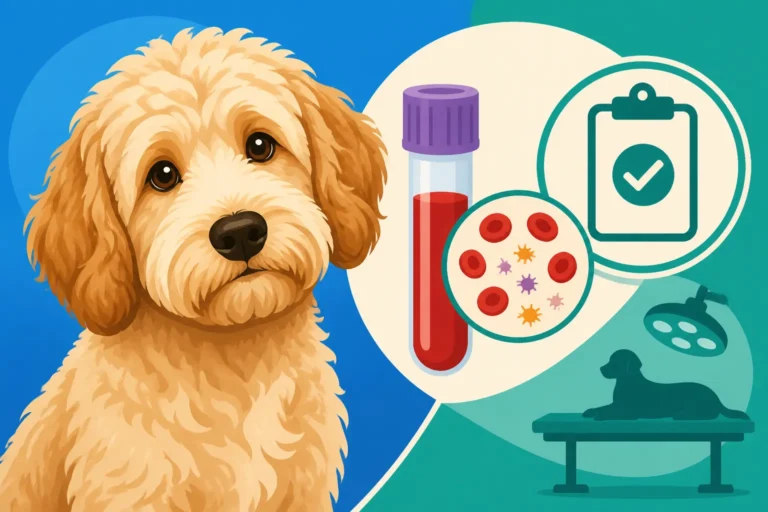
- Urinalysis and Urine Culture: A urine sample is almost always the first step. A urinalysis checks for signs of infection (bacteria, white blood cells), blood, protein, and crystals. The pH of the urine can also provide clues about the type of stone (alkaline for struvite, acidic for calcium oxalate). A urine culture is essential to identify the specific bacteria present if an infection is suspected, which guides antibiotic choice. Your vet might also want to test if your Cockapoo is constantly drinking, as this could indicate other issues that need attention, and you might ask, "Whether a Cockapoo Drinking Constantly Should Be Tested".
- Radiographs (X-rays): Many types of urinary stones, especially struvite and calcium oxalate, are "radiopaque," meaning they show up clearly on X-rays. This imaging technique allows your vet to see the size, number, and location of the stones within the bladder, urethra, or kidneys. X-rays are a non-invasive way to get a good overall picture.
- Ultrasound: For stones that are "radiolucent" (don't show up on X-rays, like urate stones) or to get a more detailed view of the bladder wall, kidneys, and surrounding structures, an abdominal ultrasound is invaluable. It can also help assess the severity of any obstruction and whether there's secondary kidney damage.
- Bloodwork: While not directly diagnosing stones, blood tests are often performed to assess overall kidney function and rule out other underlying health conditions. High kidney values might indicate a more severe blockage or long-term damage, which is something you'd want to catch early on to avoid serious issues like Kidney Failure in an Old Cockapoo.
- Stone Analysis: The most definitive way to identify the stone type is to send a collected stone to a specialized laboratory for analysis. This is done after the stone is passed naturally, retrieved during a procedure, or surgically removed. This analysis is critical for developing a long-term prevention strategy.
Treatment Approaches for Different Stone Types
Once the type of stone is identified, your vet will tailor a treatment plan. It's not a one-size-fits-all situation, and the approach can range from dietary changes to surgical intervention.
- Dietary Dissolution (for Struvite Stones): Good news! Struvite stones can often be dissolved with a special prescription diet. These diets are formulated to create acidic urine and are low in magnesium and phosphorus, which are the building blocks of struvite. This process can take several weeks to a few months, and regular X-rays are needed to monitor progress. Concurrent antibiotic therapy is also crucial to clear any underlying urinary tract infection. It’s important to feed only the prescription diet during this time, with no treats or table scraps, as these can negate the diet's effectiveness.
- Surgical Removal (for Calcium Oxalate and Non-Dissolvable Stones): Unfortunately, calcium oxalate stones cannot be dissolved with diet and typically require surgical removal. This procedure, called a cystotomy, involves opening the bladder to remove the stones. Surgery is also often necessary for large struvite stones that would take too long to dissolve, or for any stones causing a life-threatening obstruction. After surgery, the stones will be sent for analysis to confirm their type and help plan future prevention.
- Urohydropropulsion: For very small stones, especially those located in the urethra, a non-surgical procedure called urohydropropulsion might be an option. This involves flushing the bladder with sterile fluid and using gentle pressure to help the dog urinate out the tiny stones. It’s generally done under sedation.
- Medications: Beyond antibiotics for infection, certain medications might be used. For urate stones, specific medications like allopurinol can help reduce uric acid production. For calcium oxalate, potassium citrate might be prescribed to alkalinize the urine and help prevent new stone formation. Pain relief medication is also crucial to manage discomfort during any stage of treatment.
- Hydration Therapy: Regardless of the stone type, increasing water intake is always beneficial. This helps dilute the urine, making it harder for crystals to form and can assist in flushing out very small stones or debris.
Prevention and Long-Term Management
The best offense is a good defense, and that's certainly true when it comes to urinary stones. Once your Cockapoo has had stones, the risk of recurrence is significant. Therefore, a proactive approach to prevention and diligent long-term management are absolutely essential. This involves working closely with your vet and making consistent choices at home.
Dietary Management and Hydration
What goes into your Cockapoo's bowl and how much water they drink are perhaps the most influential factors in preventing urinary stones. This is where you, as their owner, can make the biggest difference day-to-day.
-
Prescription Diets for Prevention: After a stone analysis, your vet might recommend a specific prescription diet designed to prevent recurrence of that particular stone type. For example, diets for calcium oxalate prevention are often moderate in protein, calcium, and oxalate, and aim to produce slightly alkaline urine. For struvite prevention, diets will keep the urine acidic and be restricted in magnesium and phosphorus. These diets are carefully balanced and should be fed exclusively, which means no sneaking treats from the table! This can be a commitment, especially if you're wondering What a Kidney Diet Costs a Cockapoo Owner, but it's vital for their health.
-
Encouraging Water Intake: Dilute urine is your Cockapoo's best friend when it comes to stone prevention.
- Multiple Water Bowls: Place several fresh water bowls around the house to encourage drinking.
- Water Fountains: Some dogs are enticed by moving water.
- Wet Food: Incorporating wet food into their diet or simply adding a bit of water to their kibble can significantly increase their daily fluid intake.
- Flavored Water: A tiny splash of low-sodium broth (check ingredients!) can make water more appealing.
- Cleanliness: Always keep their water bowls scrupulously clean to prevent bacterial growth and encourage drinking.
-
Monitoring Urine pH: In some cases, your vet might suggest monitoring your Cockapoo's urine pH at home using pH strips. This helps ensure the preventative diet or medications are effectively maintaining the desired urine acidity or alkalinity, depending on the stone type. This isn't usually a permanent thing, but can be helpful during the initial management phase.
Regular Vet Check-ups and Monitoring
Consistent veterinary care is non-negotiable for a Cockapoo with a history of urinary stones. These regular visits are your early warning system for any potential recurrence. Remember, it's not just about addressing issues when they arise, but about preventing them.
- Routine Urinalysis and Screenings: Even if your Cockapoo seems perfectly fine, your vet will likely recommend regular urinalysis and sometimes urine cultures, perhaps every 3-6 months. This helps catch subtle changes in urine pH, the appearance of crystals, or early signs of infection before they can lead to stone formation. These are part of The Kidney and Eye Checks a Cockapoo Needs Yearly that are so important for Cockapoos.
- Periodic Imaging: Depending on the type of stones and your dog's history, your vet might recommend periodic X-rays or ultrasounds to check for the formation of new stones. This is especially true for calcium oxalate stones, which don't dissolve and can silently grow until they cause symptoms.
- Discussion of Signs and Symptoms: During every check-up, be prepared to discuss any changes you've observed in your Cockapoo's urination habits, energy levels, or appetite. No detail is too small when it comes to their health.
- Insurance Considerations: When dealing with chronic conditions like a predisposition to urinary stones, having good pet insurance can provide immense peace of mind. Companies like Healthy Paws offer coverage that can help with the costs of diagnostic tests, prescription diets, and potential surgeries, easing the financial burden of long-term management. It’s definitely worth looking into, especially if you're concerned about potential hereditary issues and wondering Whether Hereditary Kidney Disease Is Excluded on a Cockapoo by your policy. Protecting your Cockapoo's health is a comprehensive effort, and that includes financial planning for potential veterinary expenses that come with What a Cockapoo's Yearly Shots and Exam Cost and beyond.
Remember, prevention and management of urinary stones are a partnership between you and your veterinarian. By staying informed, observant, and proactive, you can significantly improve your Cockapoo's quality of life and reduce the chances of painful recurrences.
Understanding Urinary Stones in Cockapoos
| Stone Type | Common Causes | Urine pH | Dissolvable by Diet? | Common Symptoms |
|---|---|---|---|---|
| Struvite | Urinary Tract Infections (often bacterial), diet high in magnesium/phosphorus, alkaline urine | Alkaline | Yes | Straining, frequent urination, blood in urine, UTIs, cloudy urine |
| Calcium Oxalate | Genetic predisposition (Cocker/Poodle link), acidic urine, sometimes high calcium/oxalate in diet | Acidic | No | Straining, frequent urination, blood in urine, abdominal pain |
| Urate | Genetic (rare in Cockapoos but possible), liver disease, high purine diet | Acidic | Sometimes (with medication) | Straining, frequent urination, blood in urine, dark urine |
| Cystine | Genetic (rare metabolic disorder) | Acidic | Sometimes | Straining, frequent urination, blood in urine, recurrent UTIs |
Disclaimer
The information provided in this guide is for general educational purposes only and should not be considered a substitute for professional veterinary advice. Always consult with a qualified veterinarian for any health concerns or before making any decisions related to your Cockapoo's health and treatment.