Whether a Cockapoo Should Be vWD Tested Before Neutering
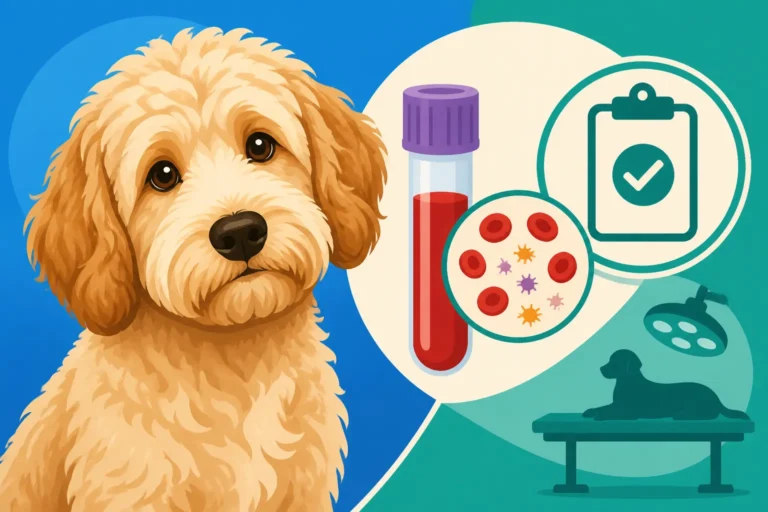
Bringing your beloved Cockapoo in for a routine procedure like neutering can be filled with a mix of anticipation and a little anxiety. You want to ensure they're safe, comfortable, and that everything goes as smoothly as possible. One concern that might pop into your mind, or perhaps your vet raises, is the possibility of underlying bleeding disorders. Specifically, you might wonder about von Willebrand Disease (vWD) and if testing for it is a necessary step before your furry friend goes under the knife. This comprehensive guide is here to walk you through everything you need to know about vWD testing for your Cockapoo before their neuter.
Understanding Von Willebrand Disease in Cockapoos
First, let's get a good grasp on what von Willebrand Disease actually is. It sounds a bit scary, doesn't it? But understanding it can really help alleviate some of that worry.
What Exactly Is vWD and How Is It Inherited?
Von Willebrand Disease (vWD) is the most common inherited bleeding disorder in dogs, and it affects quite a few breeds, including our lovely Cockapoos. It's a genetic condition where the dog's blood doesn't clot properly because they either lack or have a reduced amount of von Willebrand factor (vWF), a protein crucial for normal blood clotting. Think of vWF as a kind of "glue" that helps platelets stick together and form a plug when a blood vessel is injured. Without enough of this glue, even a minor cut or bruise can lead to prolonged bleeding.
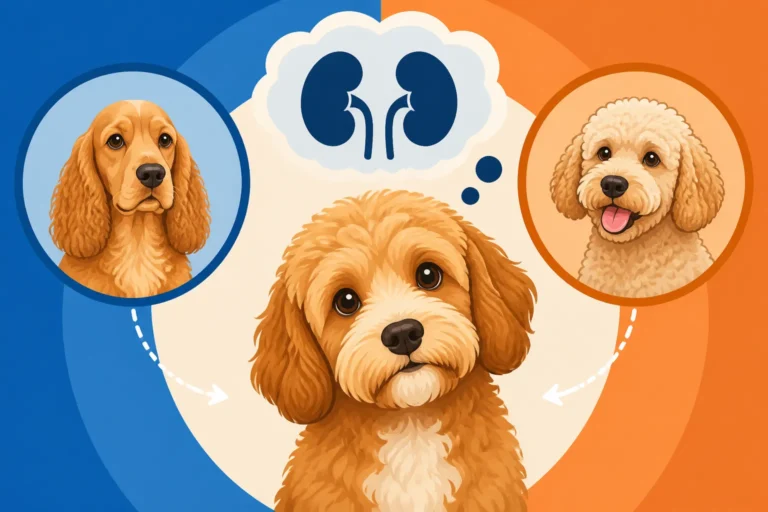
There are different types of vWD, but Type I is the most common and is generally milder. This is the type most commonly seen in Poodles, and therefore can be inherited by Cockapoos. It’s an autosomal dominant trait with incomplete penetrance, which means a dog only needs one copy of the defective gene to be affected, though the severity of symptoms can vary. Dogs can be "clear" (no copies of the gene), "carriers" (one copy, usually asymptomatic but can pass it on), or "affected" (two copies, or one copy with symptoms, depending on the type and expression). Since Cockapoos are a mix of Cocker Spaniel and Poodle, the Poodle side is generally where the vWD Type I gene originates.
Recognizing the Signs and Symptoms of vWD
It's entirely possible your Cockapoo could be a carrier or even mildly affected by vWD Type I and you'd never even know it. Many dogs with vWD Type I live completely normal lives with no outward signs of a bleeding problem. This is part of what makes it so tricky! However, in some cases, symptoms can appear, especially after an injury, surgery, or even just routine dental work.
Common signs to watch out for include:
- Nosebleeds: Frequent or prolonged nosebleeds that are hard to stop.
- Bleeding gums: Especially noticeable during teething in puppies or after chewing on hard toys.
- Bruising: Easy bruising, even from minor bumps.
- Prolonged bleeding after injury or surgery: This is the big one, and why we're even talking about it before neutering. A small cut might bleed for an unusually long time, or a surgical incision could continue to ooze.
- Blood in urine or stool: While less common, this can also be a symptom.
- Heavy bleeding during heat cycles or after whelping: For intact females.
The severity of these symptoms can vary wildly. One Cockapoo might have no noticeable issues, while another might experience significant bleeding even from a routine nail trim. This unpredictability is precisely why proactive testing is so valuable.
Why vWD Testing Before Neutering Is a Smart Move
Now that we understand what vWD is, let's tackle the burning question: why bother testing your Cockapoo for it before neutering? After all, it's often considered a routine procedure.
Minimizing Surgical Risks and Post-Operative Complications
Neutering, while common, is still a surgical procedure, and any surgery carries risks. For a dog with undiagnosed vWD, the primary concern is excessive bleeding during or after the operation. Imagine the stress and heartache if your sweet Cockapoo, who seemed perfectly healthy, experienced severe post-operative hemorrhaging. This isn't just a minor inconvenience; it can be life-threatening and lead to emergency veterinary visits, blood transfusions, and significantly prolonged recovery times.
Knowing your Cockapoo's vWD status before the surgery allows your veterinary team to take proactive measures. They can plan accordingly, ensuring they have the necessary medications or blood products on hand, and can adjust their surgical approach to minimize bleeding. This peace of mind for you, and a safer experience for your dog, is truly invaluable.
Providing Peace of Mind for You and Your Vet
Think about it: your vet is entrusting your dog's life to their skills, and they want the best possible outcome. If they know your Cockapoo carries the vWD gene or is affected, they can make informed decisions. They might opt for certain clotting agents like DDAVP (desmopressin acetate) before surgery, which can temporarily increase vWF levels. They might also ensure that compatible blood products are readily available in case of an emergency. This kind of preparation drastically reduces the chances of a crisis.
For you, as the pet parent, there's immense comfort in knowing you've done everything possible to ensure your Cockapoo's safety. Instead of worrying about every drop of blood after the surgery, you'll be confident that any potential risk factors were identified and addressed beforehand. This foresight can literally save your dog's life and save you a world of stress and potential expense. In fact, comprehensive pet insurance plans like those offered by Healthy Paws can often help cover unexpected complications, but preventing them in the first place is always the best approach.
The Difference Between a Carrier and an Affected Dog for Surgery
When it comes to vWD, the terms "carrier" and "affected" often come up. It's important to understand what these mean, especially in the context of surgery.
- Clear: A clear dog does not have the gene and cannot pass it on. Surgical risks related to vWD are essentially zero.
- Carrier: A carrier dog has one copy of the vWD gene but usually doesn't show symptoms because they produce enough vWF. For Type I vWD, carriers are generally not at high risk for significant bleeding during routine surgeries, but there's still a slight possibility of issues under extreme stress or trauma. Some vets might still opt for prophylactic measures if the dog tests as a carrier, just to be extra cautious.
- Affected: An affected dog has two copies of the vWD gene (or one copy in the case of a dominant inheritance pattern, with Type I being an exception where severity varies even with one copy) and produces insufficient vWF. These dogs are at a much higher risk for bleeding complications during surgery. It's crucial for affected dogs to have their status known to the vet so proper precautions can be taken.
Understanding these classifications allows your vet to make a tailored plan. If your Cockapoo is confirmed affected, for instance, your vet might recommend additional blood work closer to the surgery date, specific pre-operative medications, or even a referral to a veterinary specialist in internal medicine or surgery for enhanced care. This is a crucial piece of information to have for procedures beyond neutering, like if your Cockapoo ever develops The Tumors a Cockapoo Develops and requires their removal.
How to Get Your Cockapoo Tested for vWD
So, you're convinced that testing is a good idea. Great! Now, let's talk about how to actually go about it. The process is usually quite simple and non-invasive.
The DNA Test: Your Best Bet for Accuracy
The most reliable and common way to test for vWD Type I in Cockapoos is through a DNA test. This test identifies the specific gene mutation responsible for the condition. It’s simple, safe, and can be done at any age, even on puppies.
Here's how it generally works:
- Consult Your Vet: Discuss your concerns and your desire for vWD testing. Your vet can advise you on the best testing labs and might even have kits available.
- Sample Collection: Typically, the test involves collecting a buccal swab – that's just a fancy way of saying swabbing the inside of your dog's cheek. It's completely painless and can often be done at home with a kit or by your vet. Some tests might require a blood sample, though buccal swabs are increasingly popular for their ease.
- Sending to a Lab: The collected sample is then sent to a specialized genetic testing laboratory. Reputable labs like Paw Print Genetics or Embark offer comprehensive genetic panels that often include vWD Type I, alongside other common breed-specific conditions. If you're wondering about other inherited conditions, you might also consider asking your breeder about whether two Cockapoo parents must be prcd-PRA clear or Familial Nephropathy and the Kidneys a Cockapoo Can Inherit.
- Receiving Results: After a few weeks, you'll receive a report detailing your Cockapoo's vWD status: Clear, Carrier, or Affected. The results are usually very clear and easy to understand, often coming with explanations of what each status means.
One of the big advantages of DNA testing is that it only needs to be done once in a dog's lifetime. The results are definitive and won't change. This offers a clear genetic blueprint that can guide future medical decisions and even breeding considerations, should you ever decide to breed your dog (though neutering usually negates that concern!).
Interpreting the Results and Next Steps
Once you have those results in hand, what do they actually mean for your Cockapoo's upcoming neutering?
- "Clear" Results: If your Cockapoo tests as "Clear," breathe a sigh of relief! This means they do not carry the vWD gene and are not at risk for bleeding complications related to this specific disorder during surgery. You can proceed with neutering with one less worry.
- "Carrier" Results: If your Cockapoo is a "Carrier," it means they possess one copy of the vWD gene but are unlikely to show significant symptoms. As mentioned, for Type I vWD, carriers generally aren't at high risk for severe bleeding during routine surgeries, but it's still information your vet should have. They might recommend specific monitoring during and after the surgery, or even a pre-operative dose of DDAVP as a precaution. Open communication with your vet is key here to decide on the best course of action.
- "Affected" Results: If your Cockapoo tests as "Affected," this means they are at a higher risk of bleeding complications. This is critical information for your vet. They will almost certainly recommend pre-operative medications like DDAVP, ensure blood products are available, and might even perform additional clotting tests (like a BMBT – Buccal Mucosal Bleeding Time) closer to the surgery date to assess their current clotting ability. They will also be extra vigilant during and after the surgery, closely monitoring for any signs of excessive bleeding. This preparation can make all the difference in ensuring a safe procedure for your affected Cockapoo.
Remember, the goal isn't to scare you, but to empower you with knowledge. Knowing your dog's vWD status allows for proactive, tailored veterinary care, which is always the best kind of care.
| vWD DNA Test Result | Meaning for Your Cockapoo | Implications for Neutering |
|---|---|---|
| Clear | Does not carry the gene, not at risk for vWD complications. | No specific vWD-related precautions needed for surgery. |
| Carrier | Carries one copy of the gene, usually asymptomatic (Type I). | Low to moderate risk. Vet may advise precautions (e.g., DDAVP, close monitoring). |
| Affected | Carries two copies of the gene (or one, depending on type), at higher risk for bleeding. | High risk. Essential for vet to know. Pre-operative medications (DDAVP), blood products, and vigilant monitoring are highly recommended. |
Managing a vWD-Affected Cockapoo During and After Surgery
Discovering your Cockapoo is vWD-affected can be unsettling, but it's far better to know this before surgery than to face an emergency later. With proper preparation, even an affected Cockapoo can undergo neutering safely.
Pre-Surgical Precautions and Veterinary Planning
When your vet knows your Cockapoo is affected by vWD, their approach to surgery will be meticulously planned. This isn't about guesswork; it's about science and careful management.
- DDAVP (Desmopressin Acetate): This synthetic hormone is often administered before surgery. It helps stimulate the release of stored von Willebrand factor from the dog's body, temporarily improving clotting ability. It's a game-changer for many vWD-affected dogs.
- Blood Product Availability: Your vet may ensure that fresh frozen plasma or other compatible blood products are on hand. These contain active clotting factors, including vWF, and can be given during or after surgery if excessive bleeding occurs.
- Minimizing Trauma: The surgical team will employ meticulous surgical techniques to minimize tissue trauma and blood loss. This includes careful ligature placement and diligent hemostasis (stopping blood flow) throughout the procedure.
- Additional Clotting Tests: As mentioned earlier, a buccal mucosal bleeding time (BMBT) test might be performed closer to surgery. This simple test measures how long it takes for a small, standardized incision in the gum to stop bleeding, giving a real-time assessment of the dog's clotting function.
- Anesthesia Protocol Adjustments: While not directly related to vWD, the vet will ensure the anesthesia protocol is safe and stable, minimizing any factors that could exacerbate bleeding or stress.
This level of preparation highlights why Whether a Cockapoo Needs a Clotting Test Before Surgery is such a vital discussion with your veterinarian. Being prepared means your vet can approach the neutering procedure with confidence, knowing they have a comprehensive plan to keep your Cockapoo safe.
Post-Surgical Monitoring and Care at Home
The care doesn't stop once the surgery is over and your Cockapoo is back home. The post-operative period is crucial for monitoring, especially for a vWD-affected dog.
- Close Observation for Bleeding: You'll need to keep a very close eye on the incision site for any signs of excessive bleeding, oozing, or swelling. A little bit of redness or slight discharge is normal, but anything more significant should prompt an immediate call to your vet. Don't hesitate if you're concerned!
- Restricted Activity: Keeping your Cockapoo calm and limiting their activity is always important after surgery, but it's even more critical for a vWD-affected dog. Jumping, running, or strenuous play can dislodge clots and lead to bleeding. This might mean extra crate time or short, leashed potty breaks only for the first week or two.
- Pain Management: Ensuring your dog is comfortable is essential. Adequate pain relief can prevent them from licking or chewing at the incision site, which could also cause bleeding. Follow your vet's instructions for any prescribed pain medications to the letter.
- Emergency Contact Information: Always have your vet's emergency contact information readily available, along with the details of the nearest emergency veterinary hospital. It's better to be over-prepared than caught off guard.
It's natural to feel a bit overwhelmed by all this information, especially when you're preparing for your dog's surgery. However, remember that every step you take, from getting them tested to diligently monitoring their recovery, is a testament to your love and commitment. These preventive and careful measures mean your Cockapoo can have a successful surgery and continue to live their happy, playful life, running around and being the wonderful companion they are. Just be sure to budget for these potential tests and treatments, as the cost of ownership can sometimes surprise new owners, but pet insurance from providers like Healthy Paws can be a valuable safety net.
Disclaimer
This article is intended for informational purposes only and does not constitute professional veterinary advice. Always consult with a qualified veterinarian for any health concerns or before making any decisions about your pet's medical care.