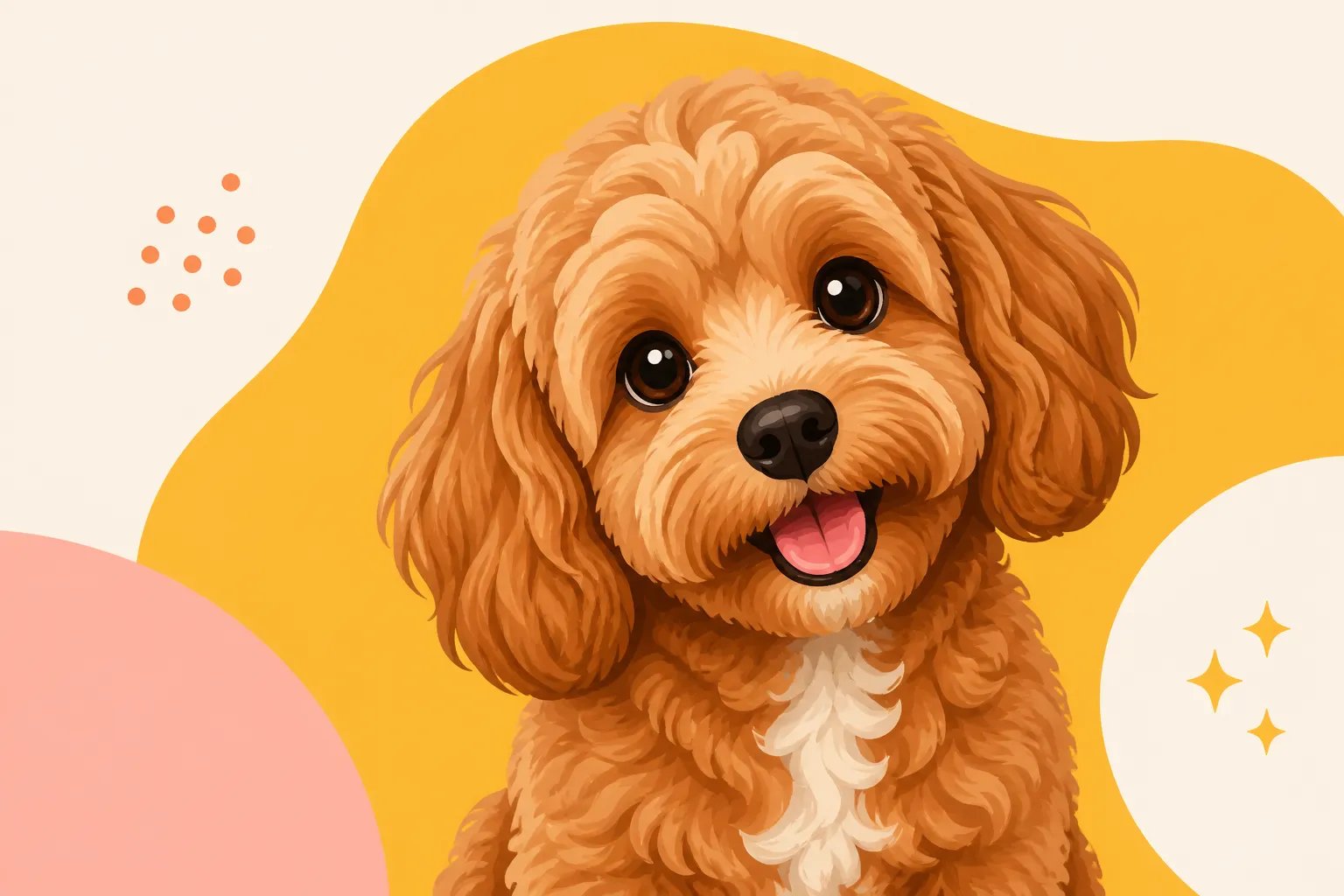
The Toy Cockapoo
Bringing a new dog into your home is a big decision, and if you're anything like me, you've probably spent countless hours trying to figure out which breed, or in this case, which size of Cockapoo, will best fit your lifestyle. One of the most popular choices, and for good reason, is the Toy Cockapoo. People often wonder if this smaller version of the beloved Cockapoo truly embodies all the charm and energy of its larger cousins, and what specific quirks and needs come with its compact size. This guide is here to walk you through everything you need to know about the Toy Cockapoo, helping you understand their unique traits, care requirements, and what makes them such delightful companions.
Understanding What Defines a Toy Cockapoo
When you hear "Toy Cockapoo," it's natural to picture a tiny, pocket-sized pup. While they are indeed smaller than their Miniature or Maxi counterparts, the term "Toy" refers to a specific weight and height range, usually influenced by the size of the Poodle parent. It's not just about being small; it's about a consistent, intentional breeding toward a certain compact stature that makes them ideal for various living situations, from apartments to homes with smaller yards. This designation helps breeders and prospective owners understand what to expect in terms of their adult size and overall physical presence.
Size and Weight Expectations for a Toy Cockapoo
Generally, a Toy Cockapoo will mature to weigh between 6 to 12 pounds and stand about 10 inches or less at the shoulder. This isn't a hard and fast rule, of course, as genetics can always throw a curveball, but it's the target range breeders aim for. Think of them as roughly the size of a cat, perhaps a bit longer, but certainly not a miniature horse! When you're looking at puppies, it can be tricky to predict their exact adult size, but a reputable breeder will be able to give you a good estimate based on the parents' sizes and their own experience with previous litters. You might even hear about "teacup" Cockapoos, which are even smaller, sometimes only 3-5 pounds, but these are often bred from the smallest Poodles and can come with their own set of potential health vulnerabilities, which we'll touch on later. The Toy size is generally considered a good balance of small stature without extreme fragility.
The genetic makeup plays a huge role here. If a breeder is consistently producing Toy Cockapoos, it means they're likely using a Toy Poodle as one of the parents, crossed with either an American Cocker Spaniel or an English Cocker Spaniel. The smaller the Poodle, the greater the likelihood of a smaller Cockapoo. It's a careful dance of genetics and responsible breeding practices to ensure these little ones are not just small, but also robust and healthy. If you're wondering how this fits into the broader picture, remember that The Four Cockapoo Sizes each have their own specific characteristics and appeal.
Distinguishing Toy from Teacup or Miniature Cockapoos
It's easy to get lost in the terminology when looking at Cockapoo sizes. Beyond the "Toy" designation, you'll often encounter "Teacup" and "Miniature." It's important to understand the differences to manage your expectations and ensure you're getting a dog that truly fits your lifestyle.
Teacup Cockapoos, as mentioned, are generally the smallest, often weighing under 6 pounds. While undeniably adorable, this size can sometimes be associated with a higher risk of certain health issues due to their extremely delicate frame and reduced bone density. They require very careful handling and often have more sensitive metabolisms, making them prone to hypoglycemia (low blood sugar) if not fed consistently. For many, a Teacup can feel like living with a perpetual puppy, which is charming but also requires extra vigilance.
Miniature Cockapoos are the next step up from Toy, typically weighing between 13 and 18 pounds and standing 11-14 inches tall. They offer a bit more substance and often a slightly more robust build than the Toys, making them a good choice for families who want a smaller dog but are concerned about the fragility of a true Toy or Teacup. They still have that wonderful Cockapoo personality but with a bit more physical presence.
Toy Cockapoos, slotting right in the middle, offer a fantastic balance. They are small enough to be incredibly portable, fit well into smaller homes, and can be comfortable in many situations where a larger dog might be cumbersome. Yet, they usually avoid some of the extreme fragilities that can sometimes come with the very smallest "Teacup" dogs. They're hardy enough for playful romps but still light enough for a cuddle on the couch without crushing you. This middle-ground size often makes them a highly sought-after companion.
The Genetic Influence on Toy Size
The size of your Cockapoo, especially whether it lands in the "Toy" category, is primarily dictated by the Poodle parent. While the Cocker Spaniel side certainly contributes, it’s the Poodle that brings the extreme variation in size to the mix. Standard Poodles, Miniature Poodles, and Toy Poodles all exist, and selecting the right Poodle for breeding is crucial for determining the size of the resulting Cockapoo litter.
For a Toy Cockapoo, the breeder will almost certainly be using a Toy Poodle. These tiny Poodles themselves have been selectively bred over generations to achieve their small stature. When crossed with a Cocker Spaniel (which typically ranges from 20-30 pounds), the resulting F1 generation (first cross) puppies will inherit a blend of genes. Even within an F1 litter from a Toy Poodle and a Cocker Spaniel, there can be some size variation, with some puppies leaning slightly larger or smaller than the average Toy range. This is why How Big a Toy Cockapoo Gets can sometimes be a bit of a surprise, even with careful breeding.
Breeders who aim for consistency in Toy-sized Cockapoos might also use F1b or multi-generational crosses. An F1b Toy Cockapoo, for example, would be the result of breeding an F1 Cockapoo back to a Toy Poodle. This can help "lock in" the smaller size characteristics and often results in a more predictable outcome for coat type and size. It's a fascinating blend of genetics, where the desired traits are carefully curated through selective breeding over generations to give us the delightful Toy Cockapoo we know and love.
Physical Characteristics and Appearance of a Toy Cockapoo
Beyond their size, Toy Cockapoos share many of the beloved physical traits of their larger Cockapoo relatives. Their appearance is a charming blend of the Cocker Spaniel's soulful eyes and the Poodle's often hypoallergenic, curly coat. However, due to their smaller stature, these features can sometimes appear even more pronounced or endearing, contributing to their undeniable "cute" factor.
Common Coat Types in Toy Cockapoos
One of the most defining characteristics of any Cockapoo, regardless of size, is its coat. Toy Cockapoos can exhibit a range of coat types, largely determined by the specific genes inherited from both the Cocker Spaniel and Poodle parents. These typically fall into three main categories, each with its own grooming needs:
- Straight or Flat Coat: This coat type is less common in Cockapoos bred specifically for low-shedding qualities, as it often means they've inherited more of the Cocker Spaniel's coat genes. It's usually soft and slightly wavy but generally lacks the characteristic curl. While it might appear easier to manage, it can still shed, though typically less than a purebred Cocker. Daily brushing might still be needed to prevent tangles and keep it looking neat.
- Wavy Coat: This is arguably the most common and often desired coat type in Cockapoos. It's a lovely loose wave, soft to the touch, and gives that quintessential "doodle" look. This coat type is usually low-shedding and tends to be relatively easy to maintain with regular brushing, perhaps every other day. It offers a good balance between the manageability of a straighter coat and the hypoallergenic qualities of a curlier one. How Many Minutes a Wavy Cockapoo Takes for grooming will definitely add up over time, so be prepared!
- Curly Coat: Strongly resembling the Poodle's dense, tight curls, this coat is often the least shedding and the most allergy-friendly. However, it also demands the most rigorous grooming. Without daily brushing and regular professional clipping, a curly-coated Toy Cockapoo can quickly develop painful mats. These curls act like Velcro, trapping loose hair and debris, which then tightens against the skin. While it requires dedication, many owners find the trade-off worth it for the reduced shedding and adorable appearance. For curly coats, you might spend How Many Minutes a Curly Cockapoo Takes each week on maintenance.
Regardless of the coat type, all Toy Cockapoos need consistent grooming. Their smaller size might make you think it's less work, but dense coats on a little frame can still mat just as severely. Investing in good brushes, combs, and a professional groomer is essential to keep them comfortable and healthy.
Head and Facial Features: The Expressive Toy Cockapoo
The face of a Toy Cockapoo is one of its most endearing qualities, capturing hearts with its sweet, intelligent, and often mischievous expression. They typically inherit a rounder head, expressive, dark eyes, and a moderate muzzle that is longer than a purebred Cocker Spaniel's but not as elongated as a Poodle's. This delightful blend gives them a perpetually puppy-like look that lasts well into adulthood.
Their ears are usually medium to long, hanging close to the head, similar to the Cocker Spaniel. These floppy ears are adorable but also require regular checks and cleaning to prevent moisture buildup and potential ear infections, a common concern for all Cockapoos. The hair around their eyes and muzzle, known as "furnishings," is a signature doodle trait. These shaggy brows and beards give them their charming, human-like expressions and contribute to their low-shedding qualities. However, these furnishings also need regular trimming to keep hair out of their eyes and prevent food and debris from accumulating around their mouth. Their smaller head size means careful trimming is even more important to avoid accidental nicks.
Color Variations and Unique Markings
Just like their larger counterparts, Toy Cockapoos come in an astonishing array of colors and patterns, making each one unique. This diversity is another fun aspect of the breed, as you never quite know what shades might emerge from a litter.
Common solid colors include black, cream, white, apricot, red, chocolate, and sable. Beyond solids, you can find beautiful patterns such as:
- Parti: A dominant white base coat with patches of another color. These can be striking and often give the dog a very distinctive look.
- Phantom: A base color with tan or apricot markings on specific areas, such as above the eyes, on the sides of the muzzle, chest, legs, and under the tail. This pattern is often seen in Poodles and adds a sophisticated touch.
- Merle: A coat pattern characterized by mottled patches of color, typically appearing as diluted shades of black, red, or chocolate. Merle can be visually stunning but requires careful breeding, as two merle parents can produce puppies with significant health issues. Responsible breeders avoid breeding merle to merle.
- Roan: This pattern is primarily inherited from the Cocker Spaniel side and involves an even mixture of colored and white hairs on the body, giving a mottled or speckled appearance. The color usually intensifies with age.
The sheer variety means that whether you prefer a classic solid color or a more exotic pattern, there's likely a Toy Cockapoo out there to capture your heart. Just remember that some colors, like merle, require extra diligence when choosing a breeder to ensure ethical and healthy practices.
Temperament and Personality of a Toy Cockapoo
The heart of the Cockapoo, regardless of size, lies in its temperament. Toy Cockapoos are renowned for being happy, intelligent, and incredibly loving companions. They truly embody the best traits of both parent breeds – the loyalty and playful spirit of the Cocker Spaniel, blended with the intelligence and often lower-shedding coat of the Poodle. Their small size doesn't diminish their personality; in fact, it often amplifies their endearing qualities, making them highly desirable family pets.
The Energetic and Intelligent Companion
Don't let their small stature fool you; Toy Cockapoos are far from lazy lap dogs. They possess a surprising amount of energy and an eager-to-please intelligence that makes them a joy to live with and train. This isn't a dog content to lie around all day, though they certainly excel at cuddling once their exercise needs are met.
Their intelligence, largely inherited from the Poodle, means they pick up new commands and routines quickly. They thrive on mental stimulation, enjoying puzzle toys, learning tricks, and engaging in interactive play. Without adequate mental and physical outlets, an intelligent dog can become a bored dog, and a bored Toy Cockapoo might channel its energy into less desirable behaviors like excessive barking or chewing. Think of them as tiny problem-solvers who need a job, even if that job is just figuring out how to get a treat out of a dispenser or fetching their favorite ball. This lively intellect contributes to their engaging personality, always ready for the next adventure, whether it's a brisk walk around the block or a lively game of fetch in the living room.
Affectionate and People-Oriented Lap Dogs
If you're looking for a dog that genuinely loves being with its people, a Toy Cockapoo will likely exceed your expectations. They are incredibly affectionate and bond deeply with their families, often forming a special attachment to one particular person. They are true "velcro dogs," happy to follow you from room to room, curl up at your feet while you work, or snuggle beside you on the couch. This strong desire for companionship is one of their most charming traits.
Their smaller size makes them perfect lap warmers, and they rarely miss an opportunity for a good cuddle session. This doesn't mean they're clingy in an unhealthy way, but rather that their happiness is often intertwined with being close to their human companions. This makes them fantastic companions for individuals, couples, or families who can offer them plenty of attention and include them in daily activities. They thrive on interaction and reciprocate affection tenfold, making every homecoming a joyous event. It’s no wonder so many owners fall head over heels for their devoted Toy Cockapoos.
Avoiding "Small Dog Syndrome"
While Toy Cockapoos are brimming with wonderful qualities, it's crucial for owners to be mindful of a common pitfall sometimes seen in smaller breeds: "Small Dog Syndrome." This isn't an actual medical condition, but rather a behavioral pattern where small dogs develop undesirable habits because their owners treat them differently than they would a larger dog. Think about it: it's easier to pick up a nippy Toy Cockapoo than a lunging Labrador, so we often inadvertently reinforce bad behavior in our smaller pups.
Common manifestations of "Small Dog Syndrome" include excessive barking, jumping on people, resource guarding, aggression towards other dogs or people, and anxiety when left alone. These behaviors stem from a lack of consistent training, boundaries, and socialization, often because owners forgive more in a small dog what they wouldn't tolerate in a big one. For example, a tiny bark might be cute at first, but constant yapping can be incredibly annoying.
To prevent this, treat your Toy Cockapoo like any other dog, regardless of its size. Provide clear rules, consistent training, and ample socialization from a young age. Enroll them in puppy classes, introduce them to a variety of friendly dogs and people, and ensure they understand that while they are cherished, they are still dogs with boundaries. Giving them confidence through proper training, rather than sheltering them, will result in a much happier, well-adjusted companion. It’s also wise to research What the Cocker Puts Into a Cockapoo and What the Poodle Puts Into a Cockapoo to understand the foundational traits that make up your pup's personality.
Exercise and Activity Needs for a Toy Cockapoo
Even though they're small, Toy Cockapoos are not decorative couch cushions. They are active, intelligent dogs that require regular exercise and mental stimulation to stay happy and healthy. Underestimating their energy levels can lead to a bored or frustrated pup, which often manifests in undesirable behaviors around the house. Understanding their needs and providing appropriate outlets is key to a well-adjusted Toy Cockapoo.
Daily Activity Requirements
A Toy Cockapoo typically needs about 30-60 minutes of dedicated exercise each day, spread across a few outings. This isn't just about potty breaks; it's about active engagement that gets their heart rate up and their brain working. This could include:
- Walks: Two or three brisk walks a day are usually sufficient. For a small dog, even a good sniff around the neighborhood is a rich sensory experience. However, don't just let them dawdle; encourage them to keep a pace that makes them use their legs and expend some energy. Pay attention to how long you are walking, as even a short stretch for you can be a good workout for a Toy Cockapoo.
- Playtime: Interactive play is incredibly important. Games like fetch, tug-of-war (with appropriate toys), or even hide-and-seek around the house can be fantastic energy burners. Because of their intelligence, they often love games that involve a bit of a challenge. Keep sessions fun and engaging to hold their attention.
- Mental Stimulation: Don't forget their minds! Puzzle toys that dispense treats, training sessions to learn new tricks, or even scent work games around the house can be just as tiring as physical exercise. A mentally exhausted dog is often a well-behaved dog.
Remember, consistency is vital. Just like humans, dogs thrive on routine. Establishing a daily schedule for walks and play will help your Toy Cockapoo understand expectations and manage their energy effectively.
Suitable Activities for a Toy Cockapoo
Their compact size makes Toy Cockapoos surprisingly versatile for a variety of activities, both indoors and out. They are often adaptable and eager to participate in whatever their human companions are doing.
- Agility and Obedience: Despite their size, many Toy Cockapoos excel in dog sports like agility and obedience. Their intelligence, agility, and eagerness to please make them quick learners. These activities provide both physical exercise and mental engagement, strengthening their bond with you.
- Scent Work: With their Cocker Spaniel heritage, Toy Cockapoos often have an excellent nose. Scent work, where they use their sense of smell to find hidden treats or toys, is a fantastic way to tap into their natural instincts and provide enriching mental stimulation. You can even set up simple scent games at home using cardboard boxes and treats.
- Short Hikes and Trail Walks: If you enjoy getting out into nature, a Toy Cockapoo can be a great companion for shorter, moderate hikes. Always be mindful of their small legs and stamina, especially on challenging terrain. Remember to carry water for them and check for ticks or burrs after outdoor adventures.
- Indoor Games: For rainy days or when outdoor space is limited, indoor games are essential. Fetch down a long hallway, a vigorous game of tug-of-war, or even just chasing a laser pointer (used sparingly to avoid frustration) can help burn off energy.
When considering activities, always prioritize their safety and comfort. Ensure surfaces aren't too hard on their small joints, and be mindful of extreme weather conditions. Their small bodies can overheat quickly in summer or get cold easily in winter.
Managing Energy in Smaller Living Spaces
One of the big draws of a Toy Cockapoo is their suitability for apartment living or homes with limited yard space. Their compact size means they don't need a sprawling estate to feel comfortable. However, "apartment-friendly" doesn't mean "no exercise needed." You'll still need to be diligent about meeting their activity requirements.
Living in a smaller space simply means you need to be more intentional about getting them out and about. Regularly scheduled walks to a nearby park, dog-friendly trails, or even just around the block become paramount. If you have a secure balcony or patio, it can be a nice spot for them to get some fresh air and observe the world, but it shouldn't replace proper walks.
Inside the home, designate a clear play area. Utilize interactive toys that challenge their minds. If possible, enrolling them in doggy daycare a few times a week can be a lifesaver, providing socialization and supervised play that will tire them out both physically and mentally. The key is quality over quantity – ensuring the exercise they do get is engaging and sufficient to meet their energy levels, regardless of your home's square footage. This proactive approach will help prevent common issues like A Cockapoo That Cannot Be Left alone for too long without enough prior stimulation.
Training and Socialization for a Toy Cockapoo
Bringing a Toy Cockapoo into your life is an exciting journey, and setting them up for success from day one is crucial. Their intelligence and eagerness to please make them highly trainable, but consistency and early socialization are the cornerstones of raising a well-adjusted, confident companion. Don't let their small size lull you into thinking they don't need serious training – every dog, regardless of stature, benefits immensely from clear boundaries and positive reinforcement.
Early Training Fundamentals
Starting training early with your Toy Cockapoo puppy will lay a strong foundation for a lifetime of good behavior. They are quick learners, so capitalize on that impressionable puppy stage.
- Potty Training: This is often the first and most critical hurdle. Establish a routine from day one: take them out frequently (every hour or two, especially after waking, eating, and playing), use a consistent command, and reward immediately when they go outside. Crate training can be incredibly helpful here, as dogs naturally avoid soiling their sleeping area. Be patient, as small bladders need frequent breaks, and accidents will happen. Consistent cleaning with enzymatic cleaners is essential to remove odors that might encourage repeat offenses.
- Basic Commands: "Sit," "stay," "come," and "leave it" are not just party tricks; they are essential for safety and good manners. Use positive reinforcement methods like treats, praise, and toys. Keep training sessions short, fun, and frequent, especially with a puppy's shorter attention span. Their high intelligence, inherited from the Poodle side, means they'll often pick these up with surprising speed. For instance, you might find that What a Cockapoo Puppy Should Learn First includes more than just these basics.
- Leash Training: Introduce the collar and leash early, even just wearing it around the house for short periods. Make it a positive experience with treats. Once they're comfortable, start with short, controlled walks in a quiet area. Avoid pulling or dragging; instead, use gentle guidance and reward for walking nicely beside you. This prepares them for safe and enjoyable outings.
Remember, patience is a virtue, especially with puppies. Every dog learns at its own pace, and setbacks are a normal part of the process.
Socialization with Other Dogs and People
Socialization is arguably one of the most important aspects of raising any dog, and it's especially vital for smaller breeds like the Toy Cockapoo. Proper socialization helps them develop into confident, friendly adults who are comfortable in various situations and not prone to fear or aggression.
- Exposure to People: Introduce your puppy to a wide range of people of all ages, sizes, and appearances. This includes children (always supervised), men with beards, people wearing hats, and individuals using mobility aids. Ensure these interactions are positive and low-stress, with plenty of treats and praise.
- Interaction with Other Dogs: Once your puppy is fully vaccinated, enroll them in a reputable puppy class. This provides a safe, supervised environment for them to interact with other puppies and learn appropriate dog-dog communication. Continue to expose them to friendly, well-socialized adult dogs of various sizes. It's important that these interactions are positive; a bad experience can lead to lasting fear or reactivity. While many Toy Cockapoos are naturally friendly, early exposure helps ensure they remain so. It’s important to introduce them safely, as Introducing a Cockapoo to the Dog You Have requires careful planning.
- Exposure to Environments and Sounds: Take your Toy Cockapoo to different places: parks, pet-friendly stores (if appropriate), bustling sidewalks, and quiet nature trails. Expose them to various sounds like traffic, sirens, children playing, and household appliances. The goal isn't to overwhelm them but to build their confidence by showing them the world is a safe and interesting place.
Grooming Acclimation and Handling
Given their often curly, high-maintenance coats, getting your Toy Cockapoo accustomed to grooming from a young age is non-negotiable. What starts as a simple brush can quickly become a dreaded chore if not approached correctly.
- Start Early: Begin handling your puppy's paws, ears, and mouth daily, even before their first professional groom. Make it a positive experience with praise and treats. Touch their entire body gently. This desensitizes them to being handled and makes future grooming sessions, vet visits, and at-home checks much easier.
- Brushing Routine: Introduce a soft brush and comb early. Short, gentle sessions, paired with rewards, will teach them that brushing is pleasant. As their adult coat comes in around 6-10 months, daily brushing becomes critical to prevent matting. For a Toy Cockapoo, this might be a 10-15 minute commitment each day. Getting them used to the various tools, like slicker brushes and metal combs (available at stores like Chewy), will make a world of difference.
- Bathing and Drying: While professional groomers will handle the bulk of this, occasional baths at home will be necessary. Accustom them to the bath, the water temperature, and the sound of a low-setting dryer. Again, positive reinforcement is key. If they associate these experiences with treats and gentle handling, they'll be much more cooperative.
- Nail Trims: Small dogs often have very tiny nails, but they grow just as quickly as a large dog's. Get your Toy Cockapoo used to having their paws handled and nails clipped from a young age. If you're nervous, ask your vet or groomer for a demonstration. Untrimmed nails can cause discomfort and lead to foot problems down the line. It's an essential part of their overall care that needs regular attention.
Health Considerations Specific to Toy Cockapoos
While Cockapoos are generally robust dogs, their smaller size can predispose them to certain health concerns that owners should be aware of. Responsible breeding practices, including health testing of the parent dogs, significantly reduce the risk of inheriting many genetic conditions. However, understanding potential issues specific to Toy-sized dogs allows owners to be proactive in their care and recognize symptoms early. This is why when you're looking for a puppy, you should always be Asking a Cockapoo Breeder for the FN Certificate and other health clearances.
Patellar Luxation in Toy Cockapoos
Patellar luxation, or "slipping kneecaps," is a common orthopedic issue in many small breeds, and Toy Cockapoos are no exception. This condition occurs when the patella (kneecap) dislocates or moves out of its normal groove in the femur (thigh bone).
- How it happens: The kneecap can slip either to the inside (medial luxation, most common) or the outside (lateral luxation) of the leg. This can happen occasionally, causing a skip in their step, or it can be a persistent issue that leads to pain, lameness, and ultimately, arthritis.
- Symptoms: You might notice your Toy Cockapoo occasionally lifting a hind leg for a few steps, then resuming normal gait as the kneecap slips back into place. In more severe cases, they might exhibit persistent lameness, pain, or difficulty bearing weight on the affected leg. Sometimes, the condition is present but asymptomatic until later in life.
- Management and Treatment: Mild cases may be managed with pain medication, anti-inflammatory drugs, and controlled exercise to strengthen the surrounding muscles. For more severe or chronic luxation, surgical correction is often recommended to realign the kneecap and prevent further damage to the joint. It's one of the reasons Slipping Kneecaps in a Toy Cockapoo is such a crucial topic for owners to understand.
Early detection through regular vet check-ups is key. A good breeder will have their breeding dogs screened for patellar luxation, providing certifications from organizations like the Orthopedic Foundation for Animals (OFA).
Dental Health Challenges
Small dogs, including Toy Cockapoos, are notoriously prone to dental issues, often starting at a surprisingly young age. Their smaller mouths can become crowded, leading to unique challenges that require diligent home care and regular veterinary attention.
- Dental Crowding: Toy Cockapoos often have smaller jaws but the same number of teeth as a larger dog. This can lead to overcrowded teeth, where teeth overlap or are too close together. This crowding creates nooks and crannies where food particles and bacteria can easily accumulate, leading to plaque and tartar buildup.
- Periodontal Disease: Without proper dental care, this plaque hardens into tartar, which irritates the gums and leads to gingivitis (inflammation of the gums) and eventually periodontal disease. Periodontal disease can cause pain, tooth loss, and even systemic health problems as bacteria enter the bloodstream.
- Symptoms: Bad breath (halitosis) is often the first noticeable sign. Other symptoms include red, swollen, or bleeding gums, difficulty eating, pawing at the mouth, or loose teeth.
- Prevention and Care: Daily tooth brushing with a dog-specific toothpaste is the gold standard for preventing dental disease. Dental chews and water additives can help, but they are not a substitute for brushing. Regular professional dental cleanings under anesthesia at your vet are also crucial, especially as they age. Your vet can scale off tartar, polish teeth, and address any extractions needed. This is why dental crowding in a small Cockapoo's mouth is a very real concern and requires proactive steps.
Investing in your Toy Cockapoo's dental health is not just about fresh breath; it's about their overall well-being and comfort.
Hypoglycemia Risk in Toy Cockapoo Puppies
Hypoglycemia, or low blood sugar, is a significant concern for very young and particularly small Toy Cockapoo puppies, especially those on the smaller end of the Toy or "Teacup" spectrum. Their tiny bodies have limited fat reserves and a less mature metabolism, making them vulnerable to drops in blood glucose.
- Causes: Hypoglycemia can be triggered by stress (such as a new home, travel, or vaccination), inadequate or infrequent feeding, excessive exercise, or even being too cold. When their blood sugar drops too low, their brain and body don't have enough energy to function properly.
- Symptoms: Signs of hypoglycemia can come on quickly and range from mild to severe. Look for lethargy, weakness, wobbliness, disorientation, shivering, vomiting, or seizures. In severe cases, a puppy can collapse or lose consciousness.
- First Aid and Prevention: If you suspect hypoglycemia, immediate action is crucial. Rub a small amount of a high-sugar syrup (like Karo syrup or honey) on their gums. This can quickly raise their blood sugar. Then, offer them a small meal. Following this, contact your vet immediately.
- Prevention: The best defense is prevention. Ensure young Toy Cockapoo puppies are fed small, frequent meals throughout the day (your breeder will provide a feeding schedule). Keep them warm and minimize stress, especially during their first few days or weeks in a new home. Always have a source of sugar, like a tube of Nutri-Cal or a small bottle of Karo syrup, on hand for emergencies.
As they grow older and their metabolism matures, the risk of hypoglycemia significantly decreases. However, it's a vital consideration for anyone bringing home a very small Toy Cockapoo puppy.
Table: Toy Cockapoo vs. Miniature Cockapoo
To help clarify the differences between common Cockapoo sizes, here's a quick comparison focusing on the Toy and Miniature variations:
| Feature | Toy Cockapoo | Miniature Cockapoo |
|---|---|---|
| Typical Weight | 6-12 pounds | 13-18 pounds |
| Typical Height | Up to 10 inches at shoulder | 11-14 inches at shoulder |
| Parent Poodle | Toy Poodle | Miniature Poodle |
| Space Needs | Excellent for apartments/small homes | Good for apartments/small homes |
| Exercise Needs | 30-60 minutes daily | 45-75 minutes daily |
| Fragility | More delicate, especially as puppies | Robust, less prone to fragility issues |
| Dental Risk | Higher due to crowding | Moderate to high |
| Portability | Very high, easily carried | High, can be carried but heavier |
| Food Intake | Smaller portions, sometimes more freq | Larger portions, 2 meals/day typical |
| Common Health | Patellar luxation, dental issues, hypo risk (puppies) | Patellar luxation, dental issues, potential hip/elbow concerns |
This table should help you visualize the subtle yet significant differences that can influence your decision. When it comes to everyday items like food bowls, beds, and toys, you'll find a wide selection for these sizes at retailers like Chewy.
Long-Term Care and Lifestyle with a Toy Cockapoo
Bringing a Toy Cockapoo into your life is a long-term commitment, often spanning The Fourteen to Eighteen Years a Cockapoo Lives. Their small size, while endearing, doesn't diminish their needs for ongoing care, attention, and proper lifestyle considerations throughout their lives. From senior care to managing their diet, understanding these aspects will ensure a happy and healthy life together.
Adapting to an Aging Toy Cockapoo
Just like us, our Toy Cockapoos will eventually show signs of aging. Their energetic puppy days will gracefully transition into a more sedate senior phase. Recognizing these changes and adapting your care will significantly improve their comfort and quality of life as they get older.
- Changes in Activity Levels: You'll likely notice a reduction in their stamina and enthusiasm for long walks or vigorous play. Arthritis and joint stiffness, common in aging small dogs, can make movement more difficult. Arthritis in a Cockapoo at Eleven is a common reality. Adjust your exercise routine to shorter, more frequent, gentle walks. Continue with mental games to keep their minds sharp without over-stressing their bodies.
- Sensory Decline: Hearing loss or vision impairment can occur. They might startle more easily if you approach from behind, or navigate familiar spaces with less confidence. Keep furniture arrangements consistent, use verbal cues more frequently, and consider tactile cues if vision becomes severely compromised. This is also when An Old Cockapoo's Murmur Matters and heart health needs close monitoring.
- Dental Care Continues: Dental issues can worsen with age. Regular veterinary dental cleanings become even more critical to prevent pain, infection, and tooth loss. Softening their food or switching to a wet diet might be necessary if chewing becomes difficult.
- Temperature Sensitivity: Older Toy Cockapoos can become more sensitive to temperature extremes. Ensure they have a warm, comfortable bed away from drafts in winter and a cool, shaded spot in summer. A cozy sweater might be appreciated on chilly days.
- Regular Vet Check-ups: Senior dogs benefit from more frequent veterinary visits, often twice a year. This allows your vet to catch age-related conditions like kidney disease (Kidney Failure in an Old Cockapoo), diabetes, or heart issues early, leading to better management and improved prognosis. Comprehensive senior bloodwork, usually including checks for thyroid function, is often recommended.
Adapting to an aging Toy Cockapoo is a testament to the bond you share. With thoughtful care, their golden years can be just as fulfilling as their youthful ones.
Diet and Nutrition Across Lifespans
Proper nutrition is fundamental to your Toy Cockapoo's health, from puppyhood through their senior years. Their specific dietary needs will change as they age and their activity levels fluctuate.
- Puppyhood: Toy Cockapoo puppies have very high energy requirements relative to their size and are prone to hypoglycemia. They need a high-quality puppy food specifically formulated for small breeds, fed in small, frequent meals throughout the day, often three to four times. Products available from brands like Chewy offer excellent options designed for growing puppies. The Daily Ration for a Toy Cockapoo needs careful monitoring to ensure proper growth without overfeeding.
- Adulthood: Once your Toy Cockapoo reaches maturity (around 10-12 months), transition them to an adult maintenance diet. Continue to choose a high-quality small-breed formula. Portion control is crucial to prevent obesity, which is a common problem in small dogs and can exacerbate joint issues. Two meals a day are usually sufficient. Look for foods with balanced nutrients to support their active lifestyle and healthy coat.
- Senior Years: As they enter their senior years, consider a senior-specific dog food. These formulas often have fewer calories to prevent weight gain, higher fiber for digestive health, and added joint-supporting supplements like glucosamine and chondroitin. If they develop health conditions like kidney disease or diabetes, your vet may recommend a prescription diet. Monitoring their weight and adjusting their food intake accordingly is paramount.
Always provide fresh water and avoid feeding excessive treats or human food, which can lead to weight gain or digestive upset. Consult with your veterinarian to choose the best diet for your individual Toy Cockapoo's age, activity level, and health status.
The Impact of Lifestyle on Toy Cockapoo Well-being
A Toy Cockapoo's well-being isn't just about physical health and diet; it's also profoundly influenced by their overall lifestyle and the environment you provide. Their inherent traits, a blend of the playful Cocker and the intelligent Poodle, mean they thrive in certain settings.
- Companionship is Key: These dogs are intensely people-oriented. A lifestyle that provides consistent companionship and involvement in family activities is ideal. They don't do well being left alone for long stretches day after day. If you work long hours, consider a dog walker or doggy daycare to break up their day and provide mental stimulation and social interaction. A lonely Toy Cockapoo can quickly become a destructive or anxious one.
- Consistent Routine: Dogs, especially smaller breeds who can sometimes be prone to anxiety, benefit immensely from a predictable daily routine. Regular feeding times, scheduled walks, and consistent bedtime routines provide a sense of security and reduce stress.
- Safe and Stimulating Environment: Ensure your home is safe for a small dog, free from hazards they might chew or ingest. Provide a variety of toys, including puzzle toys, chew toys, and soft comfort toys. A comfy bed or two in different parts of the house gives them a designated safe space to rest. Because they are often active, consider providing safe, low steps or ramps to help them access furniture without jumping, which can put strain on their small joints, particularly if Whether a Toy Cockapoo's Knees Go First is a concern.
- Outdoor Adventures: Despite their small size, Toy Cockapoos generally love exploring. Regular outings to parks, dog-friendly establishments, or even just exploring new walking routes keeps them mentally stimulated and physically fit. Remember their smaller bodies are closer to the ground, so be mindful of hot pavement in summer and cold surfaces in winter. A warm coat from a pet retailer like Chewy might be a good investment for winter walks.
Ultimately, a well-rounded lifestyle for a Toy Cockapoo involves a balance of exercise, mental enrichment, consistent training, and, most importantly, lots of love and interaction with their human family.
Disclaimer
This article is for general informational purposes only and does not constitute professional advice. Laws, prices and regulations vary by location and change over time. Consult a qualified professional for guidance on your specific situation.