Which Poodle Size Sires Most Cockapoos
One of the most exciting parts of bringing a Cockapoo into your life is imagining what they'll be like as adults – their size, their personality, and how they'll fit into your family. It's completely natural to wonder about their lineage, particularly the Poodle parent, since that half often dictates so much about their eventual stature and even their famous low-shedding coats. This guide will take a deep dive into the different Poodle sizes commonly used in Cockapoo breeding, helping you understand which ones are most prevalent and why, and what that means for your future furry family member.
Understanding the Poodle Parent in Cockapoo Breeding
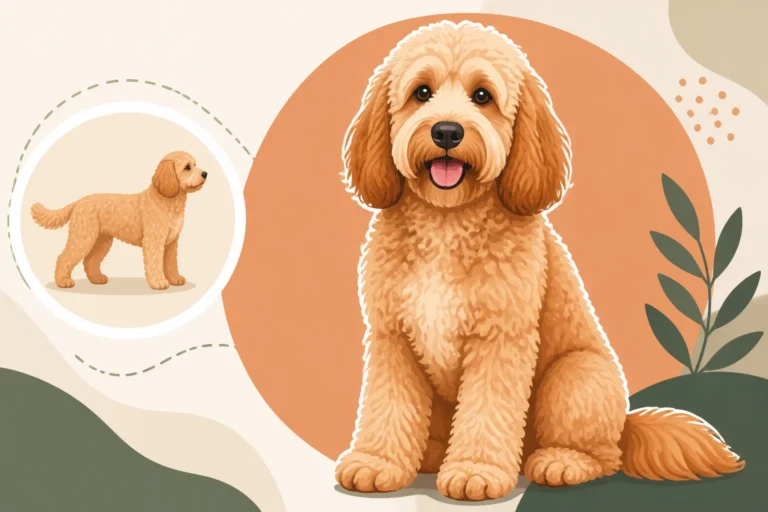
When you hear "Cockapoo," you instantly think of that adorable, curly-coated, perpetually happy dog. What often comes to mind, too, is the idea of a smaller, more manageable size, which is largely thanks to the Poodle side of their heritage. Poodles come in a few distinct sizes – Toy, Miniature, and Standard – and each one plays a vital role in determining the size of the Cockapoo puppy it produces. It’s not just about looks; the Poodle contributes significant intelligence, a generally amiable disposition, and of course, that coveted curly, low-shedding coat that so many people desire.
The choice of Poodle size by a breeder isn't random; it's a deliberate decision that impacts everything from the size of the litter to the size, energy levels, and even some potential health predispositions of the resulting Cockapoo puppies. For instance, pairing an American Cocker Spaniel with a Miniature Poodle will yield a different outcome than pairing it with a Toy Poodle. The goal is often to create a predictable size range for the Cockapoo, making it easier for prospective owners to select a puppy that will grow to be a suitable size for their living situation. Understanding these Poodle sizes is key to truly understanding the Cockapoo itself.
The Most Commonly Used Poodle Sizes for Cockapoos
While Poodles technically come in Standard, Miniature, and Toy sizes (with "Teacup" often being a sub-classification of Toy), the vast majority of Cockapoos are sired by Miniature or Toy Poodles. Standard Poodles are used for the larger "Maxi" Cockapoos, but these are less common as many people seek the Cockapoo for its smaller stature.
The Miniature Poodle is arguably the workhorse of the Cockapoo world. These Poodles typically stand between 10 and 15 inches tall at the shoulder and weigh 10 to 15 pounds. When bred with an American or English Cocker Spaniel (who are themselves usually in a similar size range), they produce what is commonly known as a Miniature Cockapoo. This size often hits that sweet spot for many families: small enough to be portable and comfortable in most homes, yet sturdy enough for active play and adventures. Miniature Poodles contribute not just their size but also their keen intelligence and sometimes a slightly more robust nature than their Toy counterparts, creating a well-rounded companion.
Next in popularity, and often for those seeking an even smaller companion, is the Toy Poodle. Toy Poodles are generally under 10 inches tall and typically weigh 4 to 6 pounds. Breeding a Toy Poodle with a Cocker Spaniel results in a Toy Cockapoo, or sometimes what breeders market as a "Teacup" Cockapoo. It’s important to note that "Teacup" isn't an official Poodle size recognized by major kennel clubs; it's a descriptive term for exceptionally small Toy Poodles or their crosses. While incredibly endearing, puppies from very small Toy Poodles can sometimes be more delicate and may require extra care, especially during their early months. They are fantastic for apartment living or for owners seeking a truly petite companion, but it's crucial to ensure responsible breeding practices are followed when dealing with these tiny sizes to avoid potential health issues.
Lastly, we have the Standard Poodle. While less common, the Standard Poodle, which stands over 15 inches tall and can weigh 40 to 70 pounds or more, is used to create the Maxi Cockapoo. These larger Cockapoos are less frequently sought after by those specifically looking for the typical small-to-medium Cockapoo, but they do exist and are wonderful dogs in their own right, embodying the friendly, intelligent traits on a grander scale. They offer the same fantastic personality and coat characteristics but in a larger package, suitable for homes with more space and a desire for a bigger canine companion.
Here’s a quick overview of the Poodle sizes and the Cockapoo sizes they typically sire:
| Poodle Size | Poodle Height (approx.) | Poodle Weight (approx.) | Resulting Cockapoo Size | Cockapoo Weight (approx.) |
|---|---|---|---|---|
| Toy (including "Teacup") | Under 10 inches | 4-6 pounds | Toy Cockapoo | 6-12 pounds |
| Miniature | 10-15 inches | 10-15 pounds | Miniature Cockapoo | 13-25 pounds |
| Standard | Over 15 inches | 40-70+ pounds | Maxi Cockapoo | 30-65+ pounds |
It’s worth remembering that these are general guidelines. Genetics can be delightfully unpredictable, and even within these categories, there can be variation. The Four Cockapoo Sizes delves deeper into what each Cockapoo size means for owners.
Why Specific Poodle Sizes Are Favored
The selection of a Poodle sire's size is a critical decision for breeders, influencing everything from market demand to the health and temperament of the puppies. Primarily, the widespread preference for Miniature and Toy Poodles stems from the desire for specific Cockapoo sizes. Many families are drawn to Cockapoos for their medium-to-small stature, making them ideal companions for various living situations, including apartments or homes with less yard space. A Miniature Poodle, for example, consistently produces offspring that fall into the popular Miniature Cockapoo category, hitting that sweet spot for many prospective owners who want a dog that's not too big, not too small, but just right. This demand drives breeders to focus on these sizes.
Beyond size, temperament plays a significant role. Poodles, regardless of size, are renowned for their intelligence, eagerness to please, and often a playful, yet dignified, demeanor. Miniature and Toy Poodles, in particular, tend to be very adaptable and bond closely with their families. They're often seen as having a slightly less intense energy level than some Standard Poodles, which can make them a great match for the generally cheerful and active Cocker Spaniel, resulting in a Cockapoo that is energetic enough for fun but also capable of relaxing indoors. This balance of traits is incredibly appealing to families looking for a companion that can keep up with daily life without being overly demanding.
Breeding logistics also factor into the equation. It's generally safer and more practical to breed a Cocker Spaniel female (the dam) with a Poodle male (the sire) of a similar or slightly smaller size. This minimizes potential complications during mating and whelping, which is a major concern for responsible breeders. A Miniature Poodle is often an excellent match in terms of physical compatibility with both American and English Cocker Spaniels. While it's possible to breed a larger Standard Poodle with a Cocker, it requires careful consideration to ensure the safety and health of the dam, making it a less common practice for typical Cockapoo breeding. Many breeders are very particular about their breeding stock, seeking out dogs that exemplify the best traits of their breed to ensure healthy, well-adjusted puppies.
The Impact of Poodle Size on Your Cockapoo's Traits
The size of the Poodle parent directly influences a myriad of traits in your Cockapoo, extending beyond just their eventual weight and height. It’s a huge factor in determining what kind of companion you’ll ultimately bring home. Understanding these impacts can help you appreciate the careful choices breeders make and give you a clearer picture of what to expect from your furry friend.
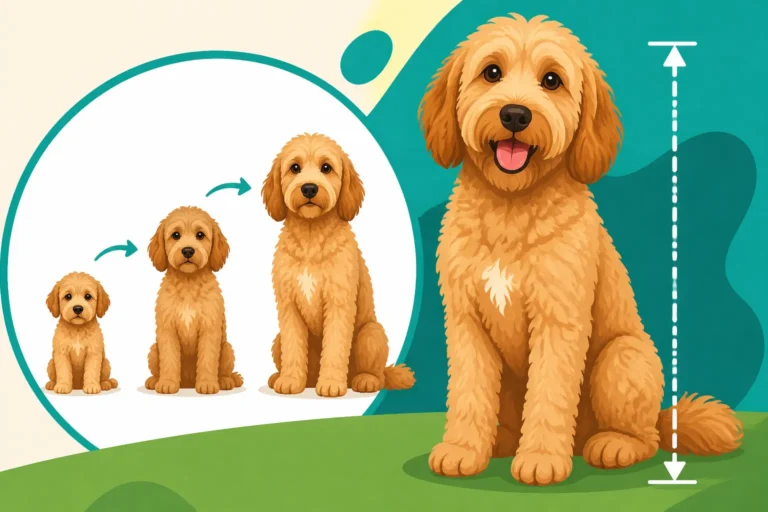
Firstly, and most obviously, the Poodle's size dictates the overall size and weight of your adult Cockapoo. If you’re looking for a lap dog who can travel easily in a carrier, a Toy Poodle parent is likely to produce the smaller Toy Cockapoo. If you prefer a sturdier companion for hikes and robust playtime, a Miniature Poodle parent will typically result in a Miniature Cockapoo that's still perfectly portable but has a bit more substance. For those seeking a larger doodle, a Standard Poodle sire means you're looking at a Maxi Cockapoo, a substantial dog that will need more space and potentially a larger dog bed (maybe even one from Chewy!). This isn't just about aesthetics; a dog's size impacts everything from the amount of food they eat to the size of their crate and how easily they can accompany you on errands.
Beyond physical size, the Poodle parent's lineage also subtly influences the Cockapoo's temperament and energy levels. While both Cocker Spaniels and Poodles are intelligent and generally eager-to-please, there can be differences between the Poodle sizes. Toy Poodles, for instance, sometimes have a reputation for being a bit more sensitive or prone to "small dog syndrome" if not properly socialized, though this is heavily dependent on individual lines and training. Miniature Poodles often offer a wonderful balance of playful energy and calm companionship, making them incredibly versatile. Standard Poodles, being larger, typically come with a higher energy requirement and a strong need for mental stimulation, which can translate to a Maxi Cockapoo. Therefore, the activity level you're prepared for should align with the size of the Poodle parent. What a Cockapoo Inherits From Each Parent highlights these combined traits.
When it comes to the famous Cockapoo coat, the Poodle’s genetic contribution is paramount. Regardless of the Poodle's size, all Poodles carry the "furnishings" gene and the curly coat gene, which are responsible for the low-shedding, often hypoallergenic qualities highly sought after in Cockapoos. So, whether the sire is a Toy, Miniature, or Standard Poodle, your Cockapoo will inherit the tendency for these traits. The Poodle's size doesn't change the type of coat (e.g., wavy vs. curly), but the overall volume or density of the coat might be proportional to the dog's larger or smaller frame. The real determinant of coat type is often the specific genetic combination from both parents, rather than solely the Poodle's size. You can learn more about this in The Curl Gene and Where a Cockapoo's Coat Lands.
Finally, health predispositions are an important consideration. While Cockapoos are generally healthy, they can inherit health concerns from either parent breed. Different Poodle sizes have different predispositions. For example, smaller Poodles (Toy and Miniature) might be more prone to patellar luxation (slipping kneecaps), which can then be passed to a Cockapoo. Larger Poodles, like Standards, can have concerns like hip dysplasia or bloat. Responsible breeders will health test their Poodle parents for conditions common to their size and breed. For example, they'll likely screen for issues like Progressive Retinal Atrophy (PRA) which can affect all Poodle sizes, but might also consider specific orthopedic issues more prevalent in certain sizes. Therefore, understanding the health screening relevant to the Poodle sire's size is just as important as the Cocker Spaniel dam's health history. You might find resources like Slipping Kneecaps in a Toy Cockapoo or Joints in a Cockapoo Bred From Four Sizes helpful for understanding joint health. Always ask breeders about the specific health tests performed on their Poodle sires, regardless of their size. For all your puppy supplies, from appropriate-sized crates to engaging toys and delicious food, Chewy offers a vast selection tailored to every Cockapoo size and stage of life.
Disclaimer
This article is for general informational purposes only and does not constitute professional advice. Laws, prices and regulations vary by location and change over time. Consult a qualified professional for guidance on your specific situation.