Kidney Failure in an Old Cockapoo
Watching our beloved Cockapoos age is a bittersweet journey. We cherish every grey hair and slow, deliberate step, but it’s heartbreaking when health challenges surface. One of the most common and often devastating issues older dogs face is kidney failure, and as a Cockapoo parent, you might find yourself grappling with confusing symptoms and tough decisions. This guide aims to shed light on what kidney failure looks like in an aging Cockapoo, why it happens, and how best to support your furry family member through it.
Understanding Kidney Failure in Your Senior Cockapoo
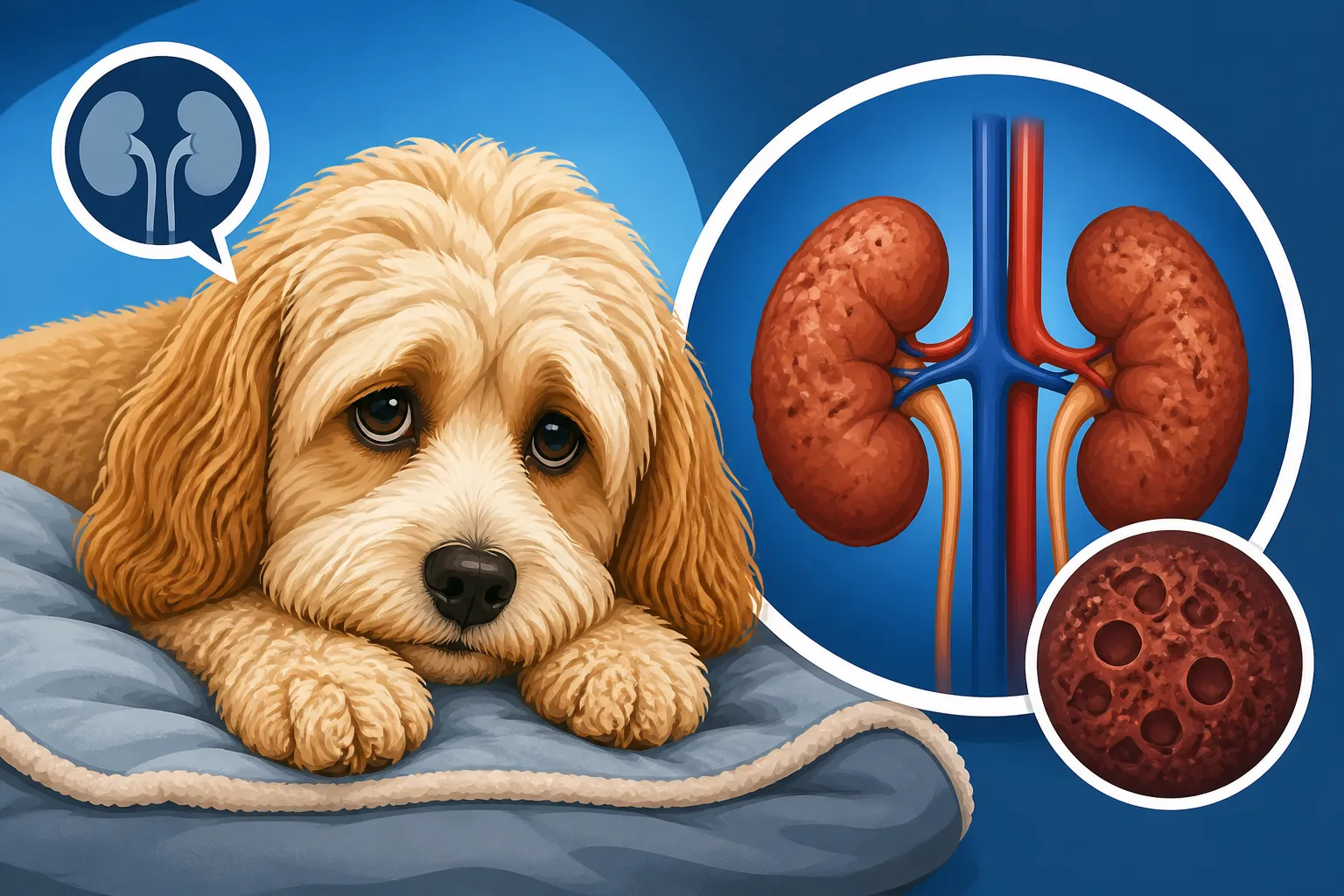
It’s a tough reality to face, but as our Cockapoos move into their golden years, their bodies, just like ours, start to show wear and tear. The kidneys, those amazing little bean-shaped organs, are no exception. They work tirelessly to filter waste from the blood, regulate blood pressure, produce hormones, and maintain electrolyte balance. When they start to fail, it’s not just a minor hiccup; it’s a systemic problem that affects nearly every aspect of your dog’s health. Many owners are often caught off guard, noticing vague symptoms that could be attributed to just "getting old," only to find out later it's something much more serious.
What Happens When Kidneys Decline with Age
When a Cockapoo's kidneys begin to fail, they lose their ability to efficiently remove toxins from the blood. Think of it like a clogged filter in your home – eventually, things start backing up, and the whole system becomes less effective, or even harmful. These toxins, which should be excreted in urine, build up in the bloodstream, leading to a condition called uremia. This can make your dog feel incredibly unwell. Initially, the kidneys have a remarkable ability to compensate, meaning they can function quite well even when a significant portion of their tissue is damaged. This is why early signs can be so subtle and why many owners don't realize there's a problem until the disease is quite advanced. It’s a silent, progressive decline, and by the time symptoms are obvious, a large percentage of kidney function might already be lost. The tricky part is that once kidney tissue is destroyed, it cannot regenerate, making early detection and management absolutely critical for slowing progression.
Why Aging Cockapoos Are Particularly Vulnerable
While any senior dog can develop kidney disease, Cockapoos, being a mix of Cocker Spaniel and Poodle, inherit predispositions from both sides that can increase their risk. For instance, Cocker Spaniels are known to be genetically susceptible to certain kidney conditions, including familial nephropathy. If your Cockapoo inherited this particular genetic marker, their kidneys might be compromised from a younger age, even if the symptoms only manifest in their senior years. You might recall learning about Familial Nephropathy and the Kidneys a Cockapoo Can Inherit when researching your puppy's background. Even without a specific genetic fault, the sheer longevity of many Cockapoos, who often live for The Fourteen to Eighteen Years a Cockapoo Lives, means their organs simply experience more wear and tear over time. Add to that the possibility of other age-related conditions, such as high blood pressure or dental disease which can indirectly stress the kidneys, and you have a recipe for increased vulnerability. Understanding these underlying factors can help you be more vigilant as your Cockapoo approaches their senior years, typically starting around age 7 or 8, when you might notice What Changes in a Cockapoo After Ten.
Recognizing the Subtle and Overt Signs of Kidney Issues
One of the biggest frustrations for Cockapoo owners dealing with kidney disease is how insidious it can be. Our dogs can't tell us what's wrong, and the initial symptoms often mimic other, less serious age-related issues. This makes it incredibly easy to miss the crucial early signs, leading to delays in diagnosis and treatment. It's a common scenario: you might think your furry friend is just slowing down or being a bit finicky, only to discover later that their kidneys have been struggling for a while.
Early Warning Signs You Might Miss
The earliest signs of kidney trouble in an aging Cockapoo are often quite vague and can easily be dismissed as normal aging or other minor ailments. One of the most common early indicators is a change in thirst and urination habits. You might notice your Cockapoo drinking significantly more water than usual, leading to more frequent trips outside or even accidents in the house. This increased thirst is the kidneys' desperate attempt to flush out toxins they can no longer properly filter and concentrate urine. This can be subtle; it's not always a dramatic overnight change. Keep a close eye on their water bowl – are you filling it up more often? Are they asking to go out hourly? Another early sign can be a slight decrease in appetite or a picky attitude towards food. They might turn up their nose at their usual kibble or show less enthusiasm for treats. Weight loss, even a small amount, can also creep in silently. You might notice their ribs are a bit more prominent when you pet them, or their favorite harness feels a little looser. Lethargy or a general lack of energy is another common but easily overlooked symptom. Your once energetic Cockapoo might be less interested in walks, sleeping more, or simply not engaging in play as much as they used to. These are the kinds of changes that, individually, don't scream "kidney failure," but together, they form a pattern that warrants a vet visit. It's worth remembering that The First Signs of Kidney Failure in a Cockapoo are rarely dramatic, which is why vigilance is so important.
Advanced Symptoms and When to Seek Emergency Care
As kidney disease progresses and toxins accumulate in the bloodstream, the symptoms become much more severe and alarming. At this point, your Cockapoo will likely be feeling very sick. Vomiting and diarrhea are common as the built-up toxins irritate the gastrointestinal tract. Their breath might develop a distinct, unpleasant ammonia-like odor, often described as "uremic breath." You might also notice ulcers in their mouth or on their tongue. Severe weight loss will become evident, and your Cockapoo will look noticeably thinner and more frail. Muscle weakness and tremors can also occur. In some advanced cases, dogs might experience disorientation, seizures, or even fall into a coma. If you notice any of these severe signs, it’s not a moment too soon to contact your veterinarian immediately. These are emergency situations where prompt medical attention can make a difference in your dog's comfort and prognosis. For a deeper understanding of the specific manifestations, you might want to look into What Familial Nephropathy Does to a Cockapoo, as many of these advanced symptoms overlap regardless of the underlying cause of the kidney decline.
Navigating Diagnosis and Treatment Options
Discovering your senior Cockapoo has kidney disease can be incredibly frightening and overwhelming. Many owners feel a wave of guilt, wondering if they missed something, or helplessness about what comes next. But take a deep breath; while kidney disease isn't curable, it is manageable, and understanding the diagnostic process and treatment avenues is the first step towards giving your Cockapoo the best possible quality of life.
The Diagnostic Journey: What to Expect at the Vet
When you bring your Cockapoo to the vet with suspected kidney issues, the diagnostic process usually begins with a thorough physical examination. Your vet will check their hydration status, gum color, listen to their heart, and palpate their abdomen. They'll also ask you detailed questions about their history, including changes in thirst, urination, appetite, and energy levels. Be as specific as possible – keeping a small journal of these changes can be incredibly helpful.
The cornerstone of diagnosing kidney disease is blood and urine testing.
- Bloodwork: A complete blood count (CBC) can reveal anemia, which is common in advanced kidney disease, and a biochemistry panel will measure key indicators like Blood Urea Nitrogen (BUN) and Creatinine. These values increase as kidney function declines. Your vet might also check phosphorus levels, which tend to rise with kidney failure, and calcium levels. A newer, more sensitive test called SDMA (Symmetric Dimethylarginine) can detect kidney disease much earlier than BUN and creatinine, sometimes when only 25% of kidney function is lost, compared to 75% for BUN and creatinine. This is why The Bloodwork That Catches a Cockapoo's Kidney Disease is so crucial.
- Urinalysis: This test assesses the concentration of your dog's urine. If the kidneys aren't concentrating urine properly (meaning it's too dilute), it’s a strong indicator of kidney dysfunction. The urinalysis also checks for protein in the urine, blood, infection, and the presence of crystals.
- Blood Pressure Measurement: High blood pressure is a common complication of kidney disease and can also contribute to its progression, so your vet will likely want to check this.
- Imaging: X-rays or ultrasound may be recommended to assess kidney size, look for stones, tumors, or other structural abnormalities. These can help determine the specific cause or severity of the disease.
Based on these results, your vet can determine the stage of kidney disease, typically using the International Renal Interest Society (IRIS) staging system, which guides treatment protocols. Remember, early and accurate diagnosis is key, so don't hesitate to ask your vet about these tests if you're concerned about your aging Cockapoo. If you have pet insurance like Healthy Paws, these diagnostic tests and subsequent treatments are often covered, which can be a huge relief during an already stressful time.
Managing Kidney Disease and Improving Quality of Life
Once diagnosed, the focus shifts to managing the disease and maintaining your Cockapoo's quality of life. The approach is multifaceted and often involves a combination of dietary changes, medications, and supportive care. While there's no cure, many Cockapoos can live comfortably for months or even years with proper management, even those diagnosed at an older age. This is often a huge relief for owners who worry about How Long an FN Affected Cockapoo Lives.
One of the most impactful interventions is a prescription kidney diet. These diets are specifically formulated to reduce the workload on the kidneys. They typically contain:
- Lower protein: High-quality, but reduced protein levels minimize the production of nitrogenous waste products.
- Controlled phosphorus: Lower phosphorus helps prevent the buildup that can worsen kidney disease.
- Omega-3 fatty acids: These can help reduce inflammation and improve kidney blood flow.
- Increased B vitamins: Water-soluble vitamins are often lost through increased urination.
- Increased antioxidants: To combat oxidative stress.
Transitioning to a kidney diet can be challenging as dogs, especially older ones, can be picky. Your vet might suggest various brands or strategies to encourage eating. You can learn more about specific dietary considerations in Whether a Kidney Diet Helps an Affected Cockapoo.
Medications and supportive therapies might include:
- Phosphate binders: To control phosphorus levels, if diet alone isn't enough.
- Blood pressure medications: If your Cockapoo has hypertension.
- Anti-nausea medications and appetite stimulants: To help with appetite and prevent vomiting.
- Potassium supplements: If potassium levels are too low.
- Fluid therapy: Subcutaneous (under the skin) fluids can be administered at home, often daily or every few days, to keep your Cockapoo hydrated and help flush toxins. This is a game-changer for many dogs, significantly improving their comfort and energy.
- Erythropoietin: In cases of severe anemia, this hormone can stimulate red blood cell production.
Regular veterinary check-ups are essential to monitor your Cockapoo's kidney function, adjust medications, and address any new symptoms. These visits, along with routine The Kidney and Eye Checks a Cockapoo Needs Yearly, are crucial for long-term management. While the initial diagnosis can be daunting, remember that dedicated care, often supported by the financial aid of pet insurance providers like Healthy Paws, can truly extend and enrich the life of your senior Cockapoo. It’s about focusing on their comfort and making their remaining time as happy as possible.
Living with an Older Cockapoo with Kidney Disease
Caring for an older Cockapoo with kidney disease demands dedication, patience, and a lot of love. It’s a journey that will have its ups and downs, but by being proactive and focusing on your dog's comfort and well-being, you can ensure they continue to enjoy a good quality of life. The goal is always to manage symptoms, slow progression, and maximize their happiness for as long as possible.
Dietary Changes and Medication Regimens
As mentioned, dietary management is paramount. Getting your Cockapoo to eat a prescription kidney diet can sometimes feel like a full-time job. They might associate the new food with feeling unwell, or simply find it less palatable than their old favorites. Don't despair! Try warming the food gently to enhance its aroma, or mixing a very small amount of low-sodium broth or a vet-approved bland topper. Offering smaller, more frequent meals throughout the day can also help. Some dogs prefer wet food over dry, or vice versa, so explore different formulations. Consistency is key, but don't force feed; stress can worsen their condition.
Administering medications can also be a challenge, especially if your Cockapoo is suspicious of pills. Pill pockets, cheese, or a tiny dab of peanut butter (check with your vet for safe amounts and ingredients for a kidney diet) can often do the trick. If you're struggling, ask your vet about liquid formulations or compounding pharmacies that can flavor medications. Subcutaneous fluids, if prescribed, might seem intimidating at first, but with practice and guidance from your vet, they become a routine part of care. Many owners find their dogs tolerate them well, and the benefits of improved hydration are often immediate and noticeable. Remember to keep all medications and fluid supplies organized and adhere strictly to the prescribed schedule. Keeping track of food intake, water consumption, and medication doses in a simple journal can be incredibly helpful for you and your vet.
Supporting Your Cockapoo's Comfort and Well-being
Beyond diet and medication, focusing on your Cockapoo's overall comfort is essential. This includes monitoring their environment and activity levels.
- Hydration: Always ensure fresh water is available. Multiple water bowls around the house might encourage drinking.
- Comfortable Resting Spots: Provide soft, orthopedic beds to ease any joint pain, especially since older Cockapoos can also develop issues like Arthritis in a Cockapoo at Eleven.
- Temperature Regulation: Dogs with kidney disease can sometimes struggle with regulating their body temperature, so ensure they are not too hot or too cold.
- Gentle Exercise: Maintain a routine of short, gentle walks if they are up to it. Avoid strenuous activities that could put undue stress on their system. The goal is mental and physical stimulation without overexertion.
- Mental Engagement: Even if physical activity is limited, keep their minds active with gentle puzzle toys or short, easy scent games. Scent Work That Satisfies a Cockapoo can be a wonderful, low-impact way to engage them.
- Hygiene: Regular, gentle grooming helps them feel better, but avoid harsh shampoos. Many older Cockapoos might not tolerate long grooming sessions, so consider shorter, more frequent brushings.
- Dental Health: Dental disease can impact kidney health, but severe dental procedures might be risky for dogs with advanced kidney disease. Discuss the best approach for managing your Cockapoo’s teeth with your vet.
It's important to remember that every dog's journey with kidney disease is unique. Some might stabilize for a long time, while others decline more rapidly. Open communication with your veterinarian is crucial for making informed decisions and adjusting care as needed. This ongoing dialogue, coupled with financial preparation – perhaps through a comprehensive pet insurance plan from a provider like Healthy Paws – allows you to provide the best possible care without undue stress. Celebrating small victories, cherishing their good days, and providing endless love will be the most valuable part of living with an old Cockapoo with kidney disease.
Key Indicators for Chronic Kidney Disease Staging
To help owners understand the severity and progression of kidney disease, veterinarians often use the IRIS (International Renal Interest Society) staging system. This system relies on a combination of blood tests (Creatinine, SDMA) and urine protein levels. Here's a simplified look at what these stages mean:
| IRIS Stage | Kidney Function Remaining (Approx.) | Key Indicators (Simplified) | Common Clinical Signs | Management Focus |
|---|---|---|---|---|
| Stage 1 | >100% (early detection possible) | SDMA persistently >14 μg/dL; Creatinine normal; other kidney issues identified | Often none; dog appears healthy | Monitor yearly, identify underlying causes, address proteinuria |
| Stage 2 | 25-100% | SDMA >18 μg/dL; Creatinine mildly elevated; possible mild proteinuria | Mild or no obvious clinical signs; subtle increase in thirst/urination | Dietary changes (renal diet), control blood pressure, manage phosphorus |
| Stage 3 | 10-25% | SDMA >25 μg/dL; Creatinine moderately elevated; proteinuria evident | Mild to moderate signs: increased thirst/urination, decreased appetite, mild weight loss, lethargy | Aggressive dietary management, phosphate binders, blood pressure meds, fluid therapy, anti-nausea meds |
| Stage 4 | <10% | SDMA >50 μg/dL; Creatinine severely elevated; significant proteinuria | Severe signs: vomiting, severe lethargy, significant weight loss, muscle wasting, uremic breath | Intensive supportive care, hospitalization, ongoing fluid therapy, symptom management, focus on comfort |
Note: This table is a simplified overview. Your veterinarian will provide precise staging and treatment based on a comprehensive evaluation of your Cockapoo's specific condition and test results.
Disclaimer
This article is intended for informational purposes only and does not constitute veterinary advice. Always consult with a qualified veterinarian for any health concerns or before making any decisions about your pet's medical care.