Whether a Breeder Must Test Both Cockapoo Parents
Bringing a Cockapoo into your home is an incredibly exciting time, full of dreams of cuddles, playful romps, and endless companionship. But the joy can quickly turn to heartbreak, and your wallet can take a serious hit, if your new furry family member develops a severe genetic health condition. Many aspiring Cockapoo owners find themselves asking: does a responsible breeder really need to test both Cockapoo parents? The unequivocal answer is yes, absolutely, if you want to give your puppy the best chance at a long, healthy life and spare yourself immense emotional and financial distress.
It's a frustrating reality that the world of designer dogs, including Cockapoos, can sometimes feel like the Wild West. Without official breed club recognition from organizations like the American Kennel Club (AKC) that mandate health testing, it's often up to individual breeders to uphold ethical standards. This means you, as the prospective owner, need to be armed with knowledge and confidence to ask the right questions and demand transparency.
The Critical Importance of Testing Both Cockapoo Parents
When you're looking at a fluffy, adorable Cockapoo puppy, it's easy to get swept away by their charm. But what's happening behind the scenes, genetically speaking, is far more complex and crucial for their future well-being. The parents, even if they appear perfectly healthy, can be carrying hidden genetic traits that could severely impact their offspring. This is why testing both parents is not just a suggestion, it's a fundamental requirement for ethical breeding.
Unmasking Hidden Genetic Liabilities
Many serious health conditions in dogs are inherited in what's called an autosomal recessive pattern. This means a dog needs to inherit two copies of a specific faulty gene—one from each parent—to actually develop the disease. If a dog only inherits one copy, they won't show symptoms of the disease themselves; they'll simply be a "carrier." The problem arises when two carriers are bred together.
Imagine a scenario where a beautiful Cocker Spaniel mother is a carrier for Familial Nephropathy (FN), a devastating kidney disease. She might live a long, healthy life, never showing a single symptom. Now, imagine she's bred with a handsome Poodle father who, unbeknownst to anyone, is also a carrier for FN because he's untested. Each puppy in that litter then has a 25% chance of inheriting two copies of the faulty gene and becoming affected by FN, meaning they will develop the disease. They also have a 50% chance of being carriers like their parents, and a 25% chance of being completely clear.
This is a stark example of why relying solely on the parents' apparent health isn't enough. It validates the frustration many people feel when they discover their puppy from seemingly healthy parents is actually gravely ill. The only way to prevent such outcomes is through responsible genetic testing of both sire and dam.
Preventing Heartbreak and High Vet Bills
The emotional toll of watching a beloved puppy suffer from an inherited disease is immense. It's truly heartbreaking. Beyond the emotional aspect, the financial burden can be crippling. Treating a dog with a chronic, genetic condition like kidney failure or blindness can rack up thousands of dollars in veterinary bills over their lifetime. Even managing ongoing symptoms can lead to significant expenses for specialized diets, medications, and frequent vet visits.
For instance, if your Cockapoo develops kidney failure due to an inherited condition, you might face continuous treatments, dietary changes, and regular bloodwork to monitor their condition. Such ongoing care can quickly become incredibly expensive, often leaving owners feeling overwhelmed and financially strained. This is where investing in comprehensive pet insurance, like a policy from Healthy Paws, can certainly help manage unexpected veterinary costs, but it doesn't negate the pain of dealing with a preventable illness.
Responsible breeders understand this. They invest in health testing precisely because they want to avoid bringing unhealthy puppies into the world and causing future distress to both the puppies and their new families. They want to ensure their puppies have the best possible start and can live out their full, happy lives without the shadow of preventable genetic diseases.
Key Genetic Conditions Requiring Dual Parent Testing
Cockapoos inherit their genetic makeup from two distinct breeds: the Cocker Spaniel and the Poodle. Both breeds have a predisposition to certain hereditary conditions, which means a comprehensive health testing protocol for Cockapoo parents needs to address risks from both sides of the family tree.
Understanding Recessive Disorders: PRA and FN
Two of the most frequently discussed recessive genetic disorders in Cockapoos are Progressive Retinal Atrophy (prcd-PRA) and Familial Nephropathy (FN).
- Progressive Retinal Atrophy (prcd-PRA): This condition, common in Poodles, leads to the degeneration of the retina, eventually causing blindness. It's a progressive disease, meaning vision loss happens over time, often starting with night blindness. If a Poodle parent is a carrier for prcd-PRA and is bred with an untested Cocker Spaniel parent who also happens to be a carrier (or if the Cocker Spaniel side also carries a form of PRA, which some can), you could end up with an affected Cockapoo puppy. It's important to understand that Whether a prcd Carrier Cockapoo Ever Goes Blind is a key distinction: carriers won't go blind themselves, but they can pass the gene on. To prevent affected puppies, at least one parent must be genetically clear for prcd-PRA.
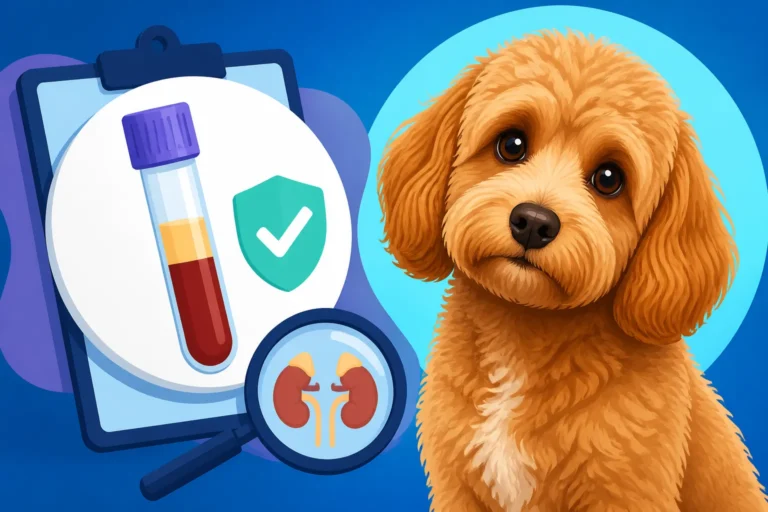
- Familial Nephropathy (FN): This severe, early-onset kidney disease is found in Cocker Spaniels. Affected puppies typically show signs of kidney failure, such as excessive thirst and urination, vomiting, and weight loss, often between 6 months and 2 years of age. Tragically, it's usually fatal. The FN DNA Test a Cockapoo Breeder Runs is readily available and completely eliminates the guesswork. If both the Cocker Spaniel parent and the Poodle parent (who might also be a carrier, even if rare) are tested, the breeder can ensure no affected puppies are produced. This also clarifies Whether an F1 Cockapoo Can Be Affected by FN: yes, absolutely, if both purebred parents are carriers.
For these recessive conditions, the "clear by parentage" rule only works if both parents are known to be clear. If even one parent's status is unknown, the risk remains.
Structural and Other Hereditary Concerns: Hips, Elbows, and Patellas
Beyond specific genetic disease panels, orthopedic health screenings are equally vital, especially considering the range of sizes Cockapoos can come in, from tiny Teacups to Maxi Cockapoos. These conditions are often polygenic (influenced by multiple genes) or have environmental components, but testing parents significantly reduces risk.
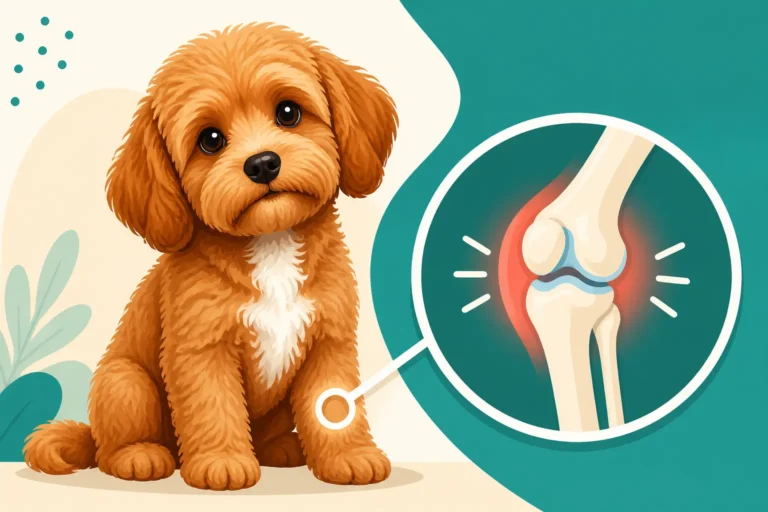
- Hip and Elbow Dysplasia: Both conditions involve abnormal development of the hip or elbow joints, leading to pain, arthritis, and lameness. Hip dysplasia is more prevalent in larger Poodles and certain Cocker Spaniel lines, but can affect any size. X-rays are used to evaluate the structural integrity of these joints, and ratings are given by organizations like the Orthopedic Foundation for Animals (OFA) or through BVA scoring in the UK. Breeding only from parents with good scores is crucial.
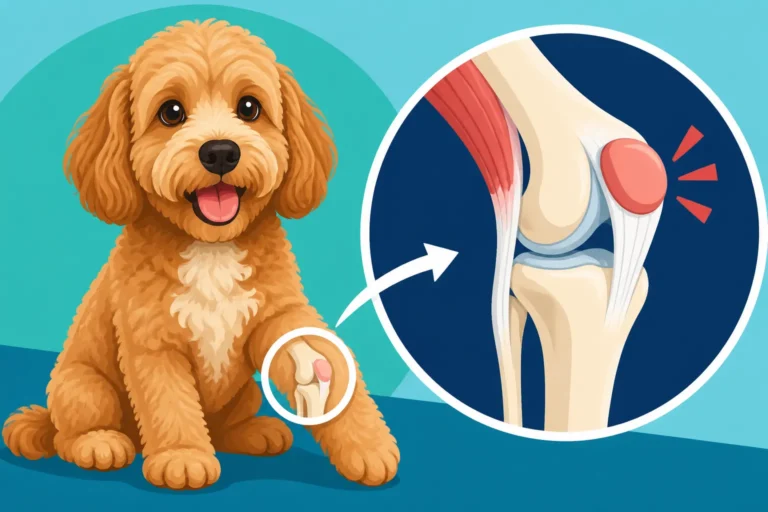
- Patellar Luxation: This condition, more common in smaller breeds like Toy and Miniature Poodles and some Cocker Spaniels, involves the kneecap (patella) slipping out of its groove. It can range from mild, intermittent skipping to severe lameness requiring surgery. Manual examination by a veterinarian is used to grade the severity. Owners often notice Slipping Kneecaps in a Toy Cockapoo as a "skip" in their dog's gait. Considering the diversity in Joints in a Cockapoo Bred From Four Sizes, comprehensive joint health screening for both parents is non-negotiable.
Less Common but Still Important Screenings
While PRA and FN are often prioritized, other conditions that can originate from either parent breed should also be considered, depending on the specific lines.
- Phosphofructokinase (PFK) Deficiency: This is an inherited metabolic disorder affecting energy production in red blood cells and muscle. Affected dogs can suffer from anemia, muscle weakness, and exercise intolerance. It's seen in Cocker Spaniels and requires a DNA test. Understanding What PFK Deficiency Does to a Cockapoo highlights the importance of testing.
- Von Willebrand's Disease (vWD): A bleeding disorder found in some Poodle lines. A DNA test can identify affected, carrier, or clear individuals.
- Eye Certifications: Beyond prcd-PRA, regular eye examinations (like those certified by the Canine Eye Registry Foundation – CERF or now OFA Eye Certification Registry – CAER) by a veterinary ophthalmologist are important to screen for other eye conditions like cataracts, glaucoma, or retinal dysplasia that might not be DNA testable. For example, Glaucoma From the Cocker Side of a Cockapoo is a painful, sight-threatening condition that breeders should be aware of in their lines.
What to Look for in a Responsible Cockapoo Breeder
Finding a truly responsible Cockapoo breeder means looking beyond the adorable puppy pictures and asking direct, informed questions. Their willingness to provide proof of health testing for both parents is a key indicator of their commitment to the breed's health.
Beyond the "Health Guarantee": Asking for Certificates
Any breeder worth their salt will offer a health guarantee, but a piece of paper promising a refund is a poor substitute for a healthy dog. What you truly need to see is proof of health testing for both the mother (dam) and the father (sire) of the litter. Don't accept verbal assurances; ask for actual, verifiable certificates.
These certificates should come from reputable veterinary ophthalmologists, radiologists, or genetic testing laboratories. For DNA tests, look for results from established labs like Embark, Paw Print Genetics, or OFA's DNA database. For orthopedic evaluations, seek OFA or BVA certificates with passing scores. Specifically, if you're concerned about kidney issues, make sure you are Asking a Cockapoo Breeder for the FN Certificate for the Cocker parent, and if eye health is a concern, insist on Asking for a Cockapoo's Eye Certificates for both parents. Many of these labs, like Whether Paw Print Genetics Tests Cockapoos for FN, offer comprehensive panels for doodles, making it easier for breeders to test for multiple conditions at once.
A good breeder will not only have these certificates but will be happy and proud to share them with you, often having them organized in a binder or available digitally. They should also be able to explain what each test means and how the results informed their breeding decisions.
Understanding Different Levels of Testing
It's helpful to understand the different types of health tests:
- DNA Panels: These are usually blood or cheek swab tests that detect specific gene mutations for conditions like prcd-PRA, FN, PFK Deficiency, and vWD. The results will typically state "Clear," "Carrier," or "Affected." For recessive conditions, a "Clear" dog has no copies of the faulty gene, a "Carrier" has one copy, and an "Affected" dog has two copies and will develop the disease. Responsible breeders will never breed two carriers together for a recessive disease where an "Affected" status is severe, as this directly leads to sick puppies. They may, however, responsibly breed a "Clear" dog with a "Carrier" to maintain genetic diversity, knowing that all puppies will either be clear or carriers, but never affected.
- Orthopedic Evaluations (X-rays/Physical Exams): These assess the physical structure of joints (hips, elbows) or the stability of kneecaps (patellas). Results are usually graded (e.g., OFA Fair, Good, Excellent; Patella Grades 0-4). Breeders aim for excellent or good scores to minimize the risk of passing on structural weaknesses.
- Ophthalmologist Exams: These are annual eye exams performed by a certified veterinary ophthalmologist to screen for observable eye diseases. These are crucial because not all eye conditions are DNA testable. The Kidney and Eye Checks a Cockapoo Needs Yearly are ongoing responsibilities, but pre-breeding checks are fundamental.
Why an Untested Litter is a Gamble
Choosing a puppy from untested parents is, plain and simple, a gamble. You're rolling the dice on their future health and potentially setting yourself up for emotional distress and significant financial strain down the road. It's tempting to think, "It won't happen to my puppy," but the statistics of recessive gene inheritance are clear.
Breeders who forgo health testing are either ignorant of the risks, unwilling to invest the necessary time and money, or actively trying to hide potential genetic problems in their breeding stock. None of these reasons are acceptable for a truly responsible breeder. An untested litter means that Whether an Untested Cockapoo Litter Is a Gamble isn't a question, it's a certainty. The money saved upfront on a cheaper puppy from an untested breeder will almost invariably be spent many times over on vet bills later. Even with good pet insurance coverage from a company like Healthy Paws, the emotional cost of a sick puppy is immeasurable.
The Breeder's Ethical Obligation and Your Role as a Buyer
The relationship between a responsible breeder and a prospective puppy owner is a partnership built on trust and a shared goal: the health and well-being of the dog. Breeders have an ethical obligation to ensure the puppies they produce are as healthy as possible, and buyers have a right, and a responsibility, to ensure they're supporting ethical practices.
Prioritizing Health Over Aesthetics or Convenience
True ethical breeders prioritize health and temperament above all else – certainly above popular colors, coat types, or the convenience of breeding available dogs. They understand that every breeding decision has long-term consequences for the puppies and the breed as a whole. This means they might wait longer for the right breeding pair, retire a dog from breeding if health issues arise, or invest heavily in genetic testing and specialist veterinary consultations.
They will be open about their breeding practices, transparent with their health test results, and eager to educate you. They won't pressure you to buy a puppy, and they'll likely have a thorough screening process for potential buyers, showing that they care deeply about where their puppies go.
Empowering Yourself with Knowledge
As a prospective puppy buyer, you are in a powerful position. By asking informed questions and insisting on seeing health certificates, you not only protect yourself and your future Cockapoo, but you also encourage and support responsible breeding practices. Don't be shy or feel like you're being demanding; a reputable breeder will welcome your questions.
Here's a quick checklist of what to ask for:
| Condition Category | Test Name/Method | Parent Breed Origin (Primary) | Why Test Both Parents? |
|---|---|---|---|
| Eyes | prcd-PRA DNA Test | Poodle | To ensure no "affected" puppies are produced from two carriers. |
| OFA CAER (Eye Certification) | Both | To screen for non-DNA-testable conditions like cataracts, glaucoma, and retinal dysplasia. | |
| Kidneys | Familial Nephropathy (FN) DNA Test | Cocker Spaniel | Crucial to prevent "affected" puppies; ensure at least one parent is clear. |
| Joints | OFA Hip Evaluation | Both (esp. larger Poodles) | To reduce the risk of hip dysplasia in offspring. |
| OFA Elbow Evaluation | Both | To reduce the risk of elbow dysplasia. | |
| OFA Patella Evaluation | Both (esp. smaller Poodles) | To screen for patellar luxation and ensure stability of kneecaps. | |
| Blood/Other | PFK Deficiency DNA Test | Cocker Spaniel | To prevent "affected" puppies from two carriers. |
| vWD Type I DNA Test | Poodle | To prevent "affected" puppies with bleeding disorders from two carriers. |
This table is not exhaustive but covers the most critical screenings.
If a breeder is evasive, offers excuses, or claims that their dogs don't need testing because they've "never had a problem," consider it a major red flag. They might be trying to hide something, or they simply aren't educated on the genetic risks. Remember, a lack of symptoms in the parents doesn't mean a lack of carrier status.
The journey to finding your Cockapoo should be an exciting one, but it also requires diligence and a firm commitment to supporting ethical breeding. By insisting on health testing for both parents, you're not just buying a puppy; you're investing in a future of joy and companionship, free from preventable heartache.
Disclaimer
The information provided in this article is for educational purposes only and should not be considered a substitute for professional veterinary advice. Always consult with a qualified veterinarian for any health concerns or before making decisions about your pet's care.