Whether a Toy Cockapoo Outlives a Maxi
It's a question many of us ponder when welcoming a new furry family member: will my precious pup be with me for a long, happy life? For Cockapoo owners, especially when choosing between the adorable, pint-sized Toy Cockapoo and the more robust Maxi, this often leads to the common query: does a Toy Cockapoo truly outlive a Maxi? While there's a widely accepted notion that smaller dogs generally have a longer lifespan, the reality for our beloved Cockapoos is a tapestry woven with many threads beyond just their size. This guide will delve into the science, the Cockapoo specifics, and all the vital factors that truly influence how many wonderful years you'll share with your companion.
The General Rule: Why Smaller Dogs Often Live Longer
It's not just an old wives' tale; there's a scientific basis to the observation that smaller dog breeds often outlive their larger counterparts. This phenomenon is something that researchers have been exploring for a while, and it often comes down to complex biological processes linked to growth and metabolism.
Metabolic Rate and Growth Differences
Think about it: a giant breed puppy, like a Great Dane or a Saint Bernard, grows at an astonishing rate. They go from tiny, palm-sized pups to massive adults in a fraction of the time it takes a Chihuahua to mature. This incredibly rapid growth and the associated higher metabolic rate are thought to put a significant strain on their bodies. Scientists hypothesize that this accelerated development might lead to an earlier onset of age-related diseases, essentially speeding up their aging process at a cellular level. It's like a car engine running at maximum RPM constantly – it might get to its destination faster, but it also wears out quicker.
Breed-Specific Lifespan Examples
If you look at purebred dogs, the pattern is quite clear. A tiny Yorkshire Terrier might live a robust 12-15 years, sometimes even longer, while a majestic Irish Wolfhound, despite its impressive size, typically has a lifespan of only 6-8 years. Even within a single breed, if there are significant size variations, you might see this trend. For example, a Toy Poodle generally lives longer than a Standard Poodle. The smaller the dog, the less cellular repair and reproduction their body needs to manage, hypothetically reducing the chances of errors and breakdowns over time. This general rule holds true across many canine populations, making it a natural starting point when we consider Cockapoo sizes.
Understanding Cockapoo Sizes and Lifespan Potential
Now, let's bring this closer to home for our beloved Cockapoos. While the general rule of smaller dogs often living longer is a good baseline, the Cockapoo is a mixed breed, and their specific lineage plays a huge role in their overall health and longevity.
Defining Toy and Maxi Cockapoos
When we talk about Cockapoo sizes, it's not always as strictly defined as purebreds, but there are generally recognized categories. A Toy Cockapoo is typically the result of breeding a Cocker Spaniel with a Toy Poodle. They usually weigh under 12 pounds and stand less than 10 inches tall at the shoulder. They're petite, often feisty, and perfectly suited for apartment living or families seeking a smaller companion.
On the other end of the spectrum, the Maxi Cockapoo is usually bred from a Cocker Spaniel and a Standard Poodle, or sometimes a larger Miniature Poodle. These dogs can range significantly in size, often weighing between 20 to 65 pounds and standing 15 to 20 inches tall. They're more substantial, often needing more space and exercise, making them excellent companions for active families or those with larger homes and yards. The difference in their parentage directly impacts their size and, subsequently, their potential lifespan.
The Poodle and Cocker Influence on Lifespan
The Cockapoo is a fantastic blend of two wonderful breeds: the Cocker Spaniel and the Poodle. To understand your Cockapoo's potential lifespan, it's crucial to look at the average lifespans of their parent breeds.
- Cocker Spaniel: American Cocker Spaniels typically live between 10 to 14 years. English Cocker Spaniels have a similar range, often 12 to 15 years. They are generally robust dogs but can be prone to certain health issues like ear infections, eye problems like glaucoma, and some autoimmune conditions.
- Poodle: Poodles, regardless of size, are known for their impressive longevity. Toy Poodles often live 14 to 18 years, Miniature Poodles 12 to 15 years, and Standard Poodles 10 to 14 years. They are a remarkably healthy breed, though they can be predisposed to conditions like Addison's disease or certain eye conditions.
When you mix these two, you often get a phenomenon known as "hybrid vigor," which can sometimes result in a healthier, longer-lived dog than either parent purebred. A well-bred Cockapoo generally enjoys a lifespan of The Fourteen to Eighteen Years a Cockapoo Lives, which is quite impressive. For a Toy Cockapoo (Cocker x Toy Poodle), both parents have the potential for long lives, suggesting the Toy Cockapoo might lean towards the higher end of that range. For a Maxi Cockapoo (Cocker x Standard Poodle), while the Standard Poodle's lifespan can be slightly less than a Toy Poodle's, it's still a healthy breed, contributing to a robust mixed breed. So, while a Toy Cockapoo might have a slight edge based on the general rule, the robust health of both parent breeds means that a Maxi Cockapoo can also enjoy a wonderfully long life. It's not a guarantee, but rather a slight statistical inclination.
Beyond Size: Other Critical Factors Influencing Cockapoo Longevity
While size can play a part, it’s truly just one piece of the puzzle when it comes to how long our Cockapoos stay by our side. The truth is, many other factors hold far more sway over their lifespan, regardless of whether they're a tiny Toy or a strapping Maxi.
Genetic Health Screening and Reputable Breeders
This is, without a doubt, one of the most significant determinants of a Cockapoo's potential lifespan. A responsible breeder will meticulously screen their breeding dogs for common genetic conditions known to affect Cocker Spaniels and Poodles. We're talking about serious inherited issues like Familial Nephropathy and the Kidneys a Cockapoo Can Inherit (a devastating kidney disease) and Progressive Retinal Atrophy in a Cockapoo (which leads to blindness). They should also screen for other concerns like hip dysplasia, patellar luxation, and certain blood disorders.
When you choose a puppy from a breeder who can provide clear health certificates for both parents, you're stacking the odds in your favor for a long and healthy life. Skipping this step and buying from a backyard breeder or a puppy mill, where genetic testing is often ignored, is a massive gamble. You might save a few dollars upfront, but the emotional and financial cost of managing a genetically predisposed illness can be astronomical. Always ask to see the parent dogs' health certifications and understand what they mean.
Nutrition and Weight Management
What you feed your Cockapoo, and how much, directly impacts their health and longevity. Just like humans, dogs thrive on a balanced, high-quality diet appropriate for their age, size, and activity level. Overfeeding, even by a little bit each day, can lead to obesity, which is a silent killer for dogs. Obesity contributes to a whole host of problems: joint issues, heart disease, diabetes, and even certain types of cancer.
For both Toy and Maxi Cockapoos, maintaining an ideal body weight is crucial. Feeding a Teacup Cockapoo or a Maxi requires careful portion control and selecting nutrient-dense food. Work with your vet to determine the right food and calorie intake for your specific dog. Keeping your Cockapoo lean and fit reduces stress on their joints, organs, and overall system, helping them to live a longer, more comfortable life. Don't fall for marketing hype; look for brands with strong nutritional profiles and good reviews, or consult a veterinary nutritionist.
Regular Veterinary Care
Preventive care is your best friend when it comes to maximizing your Cockapoo's lifespan. This means regular check-ups, typically once a year for adult dogs and more frequently for puppies and seniors. These visits aren't just for vaccinations; they're an opportunity for your vet to catch potential issues early, before they become serious problems.
Your vet will perform a thorough physical exam, listen to their heart and lungs, palpate their abdomen, and check their joints. As Cockapoos age, regular screenings like bloodwork and urinalysis become even more important, as they can detect conditions like kidney disease or thyroid issues early on. The Kidney and Eye Checks a Cockapoo Needs Yearly are particularly vital given the breed's predispositions. Pet insurance, like plans offered by Healthy Paws, can be a lifesaver, helping to cover the costs of these crucial preventative measures and unexpected illnesses, ensuring your Cockapoo gets the best care throughout their life without financial strain weighing on your decisions.
Exercise and Mental Stimulation
Cockapoos are smart, energetic dogs that need both physical activity and mental engagement to thrive. A bored or under-exercised Cockapoo isn't just prone to destructive behavior; they're also at higher risk for obesity and related health issues. Regular exercise helps maintain a healthy weight, strengthens muscles and joints, and supports cardiovascular health.
For a Toy Cockapoo, daily walks and indoor play might suffice. For a Maxi, you'll need more vigorous activity like longer walks, runs, or interactive games. But it's not just about burning calories; mental stimulation is equally important. Puzzle toys, training sessions, and scent games can keep their clever Poodle brains sharp, which is essential for a good quality of life, especially as they get older and What Changes in a Cockapoo After Ten. A dog that is physically and mentally active tends to be happier and healthier overall.
Environmental Factors and Safety
Your Cockapoo's environment also plays a role in their longevity. Keeping them safe from hazards is paramount. This includes preventing accidental ingestion of toxic substances (foods, plants, household chemicals), keeping them securely leashed or in a fenced yard to prevent escapes and accidents with cars, and protecting them from extreme weather.
For smaller Toy Cockapoos, care must be taken to prevent injuries from falls or being stepped on, especially in homes with young children or larger pets. For Maxi Cockapoos, ensuring they have appropriate space and safe areas to play without injury is key. A safe, enriching home environment reduces stress and the risk of preventable accidents, contributing to a longer, more joyful existence.
Realities for Toy vs. Maxi Cockapoo Owners
While we’ve explored the general factors, let's zoom in on some specific health considerations that might be more prevalent in one size of Cockapoo over another, even with the best breeding and care. It’s about being prepared for what might come your way.
Common Ailments in Smaller Dogs
Smaller dogs, including our adorable Toy Cockapoos, sometimes face a unique set of challenges that can impact their comfort and, if not managed, their longevity.
One of the most common issues seen in smaller breeds is patellar luxation, or Slipping Kneecaps in a Toy Cockapoo. This is where the kneecap temporarily slips out of place. It can range from a minor inconvenience that rarely causes pain to a severe condition requiring surgery. While good breeding practices can reduce the incidence, it's something Toy Cockapoo owners should be aware of. Keeping your dog at a healthy weight and ensuring they don't jump excessively from high places (like furniture) can help manage the condition if it arises.
Another prevalent concern for small dogs is Dental Crowding in a Small Cockapoo. Their tiny mouths often don't have enough space for all 42 adult teeth, leading to overcrowding. This makes them highly susceptible to periodontal disease, which includes gingivitis and periodontitis. Dental disease isn't just about bad breath; it can lead to pain, tooth loss, and bacteria from infected gums can enter the bloodstream, affecting vital organs like the heart and kidneys. Regular dental cleanings, both at home and professionally at the vet, are absolutely critical for Toy Cockapoos. This isn't a minor detail; neglecting dental health can shave years off a small dog's life due to systemic infections.
Common Ailments in Larger Dogs
Maxi Cockapoos, with their more substantial build, tend to inherit some of the musculoskeletal predispositions of larger breeds, even though the Poodle cross often lessens the severity.
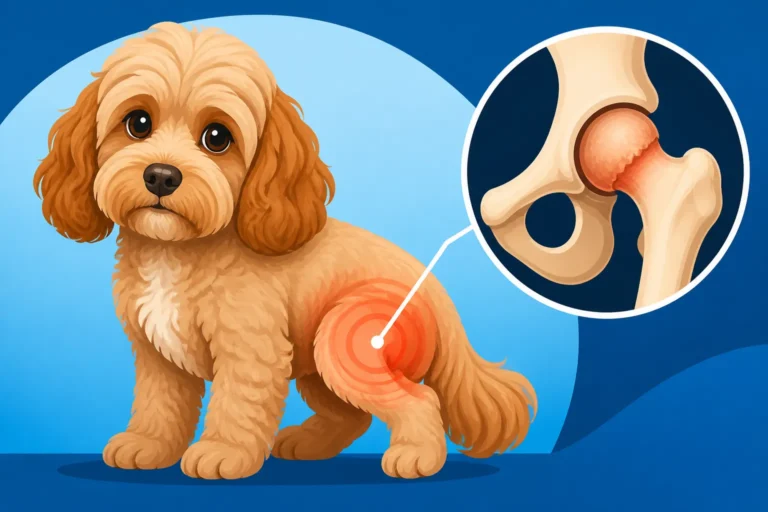
Hip and elbow dysplasia are conditions where the joints don't form correctly, leading to arthritis and pain. While Poodles are generally well-screened for these, and Cocker Spaniels are less prone than some giant breeds, it's still a possibility in a Maxi Cockapoo, especially if the Standard Poodle parentage wasn't adequately screened for conditions like Whether a Maxi Cockapoo Grows Into Bad Hips. Reputable breeders will have OFA or PennHIP certifications for their breeding dogs to minimize this risk. Maintaining a lean body weight throughout their life is perhaps the single most important thing a Maxi Cockapoo owner can do to prevent or manage joint issues. Overweight dogs put immense strain on their joints, exacerbating any underlying genetic predispositions.
Another concern more prevalent in larger, deep-chested breeds is bloat (gastric dilatation-volvulus or GDV). While not as common in Doodles as in breeds like Great Danes, it's a life-threatening emergency where the stomach fills with gas and can twist. Rapid eating, large meals, and exercise after eating are often implicated. Maxi Cockapoo owners should be aware of the signs (distended abdomen, unproductive retching, restlessness) and know that it requires immediate veterinary intervention.
Lifespan Expectations: A Balanced View
So, does a Toy Cockapoo outlive a Maxi? Statistically, perhaps by a slight margin, based on the general canine trend. However, this difference is often negligible when compared to the profound impact of other factors. A genetically healthy, well-nourished, adequately exercised, and regularly vet-checked Maxi Cockapoo from a responsible breeder has every bit as good a chance of living a long, happy life (well into their teens, potentially) as a Toy Cockapoo whose care might be less diligent.
Ultimately, both sizes of Cockapoo, given their fantastic mixed heritage, have the potential for a long and vibrant life. It’s less about their inches at the shoulder and more about the commitment you make as an owner to their overall well-being. Focusing on these controllable elements offers the greatest return in terms of years and quality of life for your furry companion.
Comparing Toy vs. Maxi Cockapoo Lifespan & Health Factors
Here's a quick overview of some factors that might influence the lifespan and health outlook for Toy versus Maxi Cockapoos. Remember, these are general tendencies, and individual dogs will always vary.
| Feature | Toy Cockapoo (Cocker x Toy Poodle) | Maxi Cockapoo (Cocker x Standard Poodle) |
|---|---|---|
| Typical Weight | Under 12 lbs | 20-65 lbs |
| Typical Height | Under 10 inches | 15-20 inches |
| General Lifespan Tendency | Slightly higher end of 14-18 years | Mid-range of 10-14 years, potentially longer with excellent care |
| Parent Breed Poodle Lifespan | Toy Poodle (14-18 years) | Standard Poodle (10-14 years) |
| Parent Breed Cocker Lifespan | Cocker Spaniel (10-14 years) | Cocker Spaniel (10-14 years) |
| Common Small Dog Concerns | Patellar luxation, dental crowding, hypoglycemia (puppies) | Less prone to patellar luxation, but still possible |
| Common Large Dog Concerns | Less prone to hip/elbow dysplasia, bloat | Hip/elbow dysplasia, bloat (lower risk than giant breeds, but present) |
| Exercise Needs | Moderate; daily walks, indoor play | High; longer walks, runs, active play |
| Dietary Needs | Smaller portions, higher metabolism (puppies) | Larger portions, balanced for larger frame |
| Genetic Screening Importance | Critical for PRA, FN, patellar luxation | Critical for PRA, FN, hip/elbow dysplasia, Addison's |
The Enduring Truth: Nurturing a Long Life for Any Cockapoo
So, let's get down to it: will your Toy Cockapoo definitively outlive your Maxi Cockapoo? The scientific consensus points to a tendency for smaller dogs to have a slight edge in longevity. However, for a mixed breed like the Cockapoo, this difference is often overshadowed by the monumental impact of dedicated, informed ownership.
A Maxi Cockapoo, whose parents were thoroughly health-screened by a reputable breeder, who eats a balanced diet to maintain a healthy weight, receives regular veterinary care (and perhaps has the backing of pet insurance like Healthy Paws for peace of mind), and gets plenty of exercise and mental stimulation, stands an excellent chance of living a long, fulfilling life, easily reaching or even surpassing the upper range of the breed's typical lifespan. In fact, such a Maxi might very well outlive a Toy Cockapoo who, despite their size advantage, comes from questionable breeding, is overfed, or misses regular vet check-ups.
Ultimately, the best thing you can do for your Cockapoo, regardless of their size, is to be a responsible and loving owner. Invest in a puppy from a breeder who prioritizes health and can provide all necessary certifications. Feed them a high-quality, species-appropriate diet and keep them at a lean, healthy weight. Ensure they get ample opportunities for physical and mental exercise. And, perhaps most crucially, maintain a close relationship with your veterinarian, adhering to regular check-ups and immediately addressing any health concerns that arise. These pillars of care are the true keys to ensuring your beloved Cockapoo, whether Toy or Maxi, enjoys as many happy, healthy years by your side as possible.
Disclaimer
Please remember that this article provides general information and recommendations. Always consult with a qualified veterinarian for personalized advice regarding your Cockapoo's health, diet, and specific needs. They are the best resource for diagnosing and treating any medical conditions your pet may experience.