What Changes in a Cockapoo’s Coat After Eleven
Cockapoo coat changes after eleven include altered texture, thinning density, curl shifts, and distinct graying around the muzzle.
The daily stuff, done right.
Feeding amounts by life stage, coat and skin routines, dental and nail care, exercise needs, and what changes as they age.
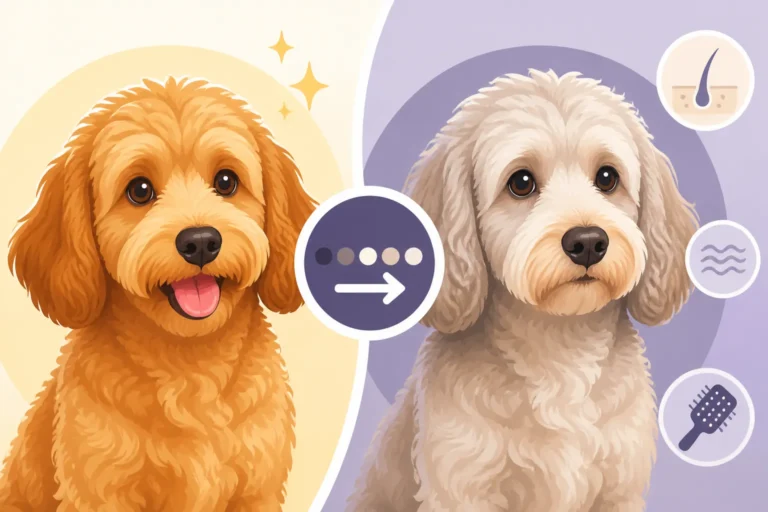
Cockapoo coat changes after eleven include altered texture, thinning density, curl shifts, and distinct graying around the muzzle.
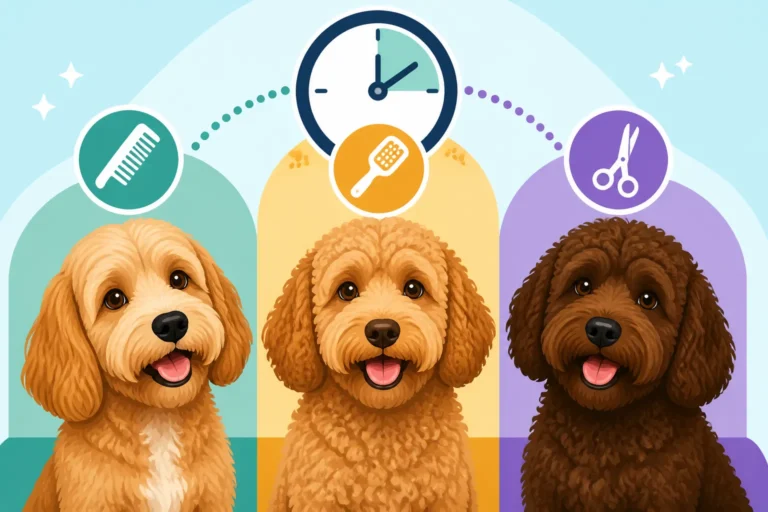
Cockapoo coat genetics and furnishings determine weekly grooming hours and time commitments for preventing mats and tangles.
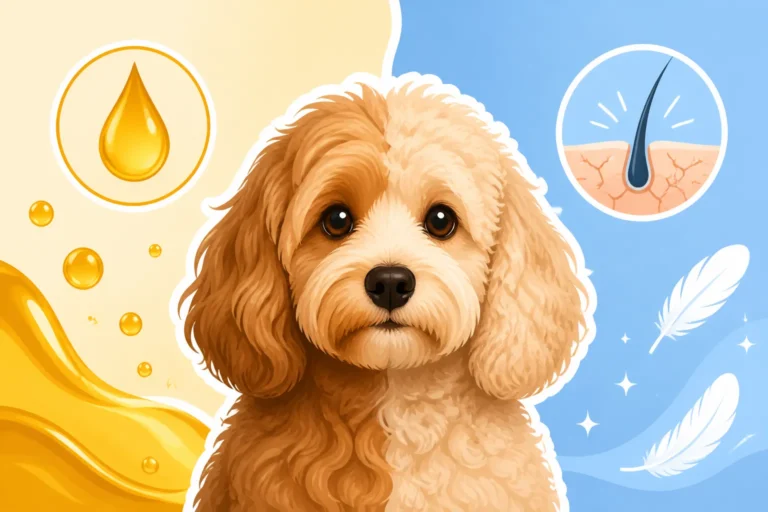
Cockapoo skin health involves balancing oily Cocker Spaniel traits with dry Poodle allergy tendencies to prevent infections and itching.
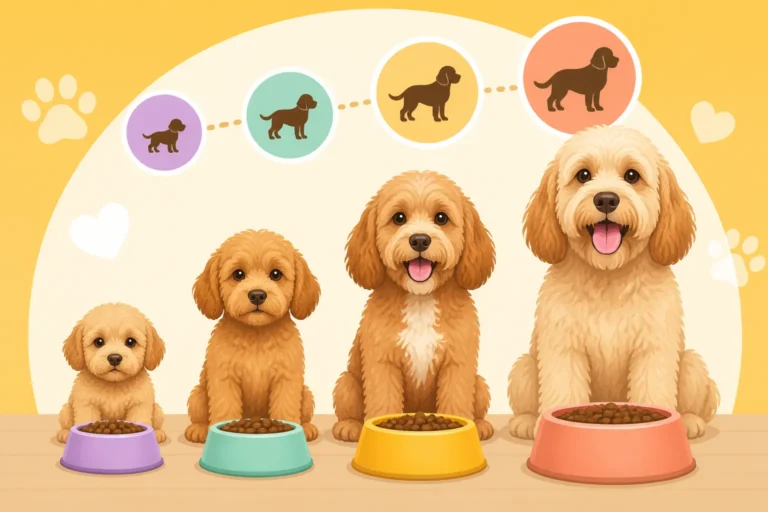
Cockapoo nutritional needs differ by size, explaining how to feed four distinct variations from Teacup to Maxi safely.
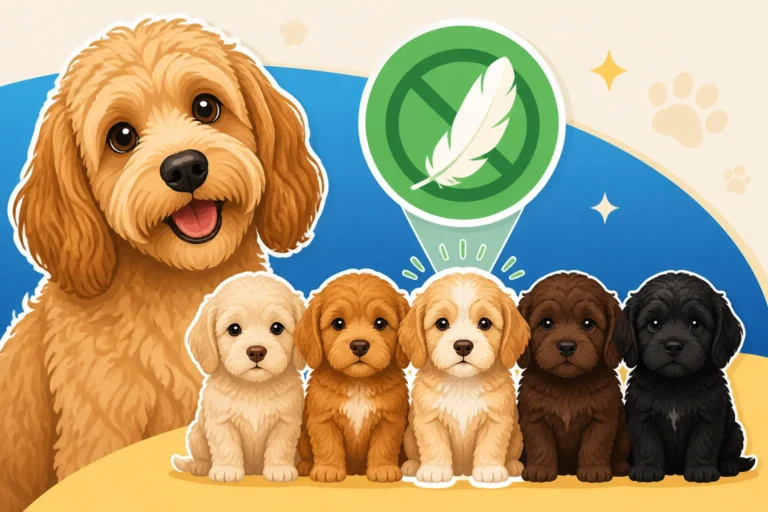
Cockapoo coat genetics, specifically the furnishings gene RSPO2 and the curl gene KRT71, determine how much a puppy sheds.
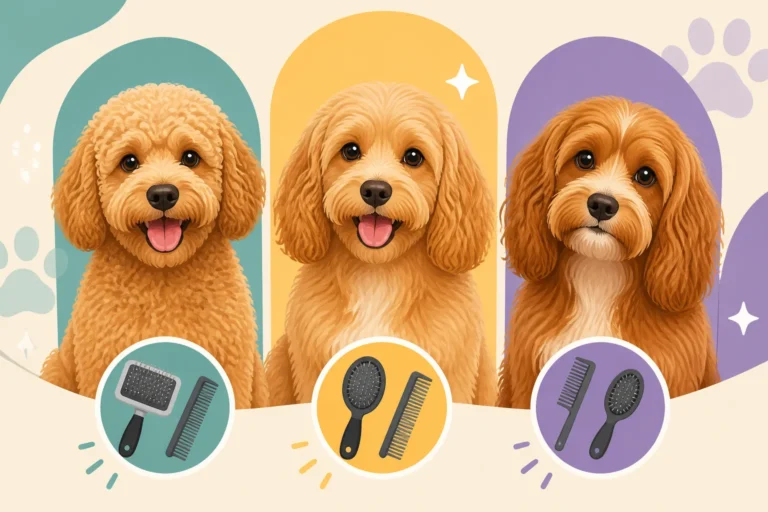
Cockapoo coat types, furnishings, curl genes, and shedding traits dictate specific daily grooming routines for straight and curly fur.
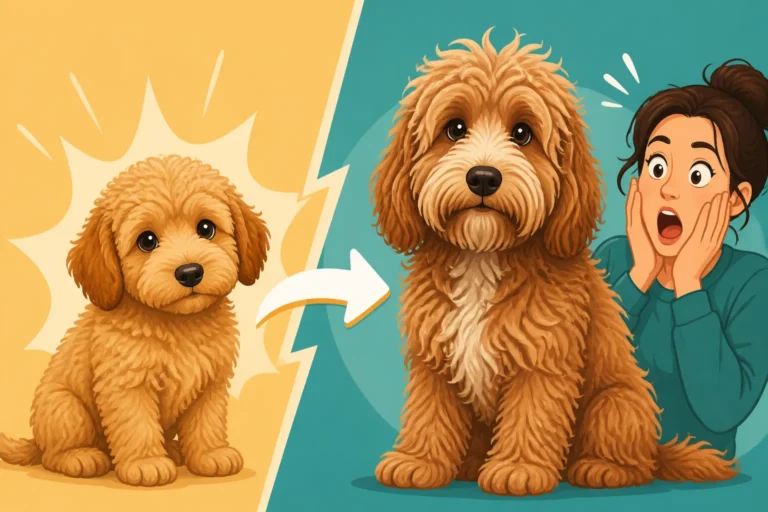
The ten-month Cockapoo coat change traps soft puppy fluff with dense adult hair, forming difficult mats close to the skin.
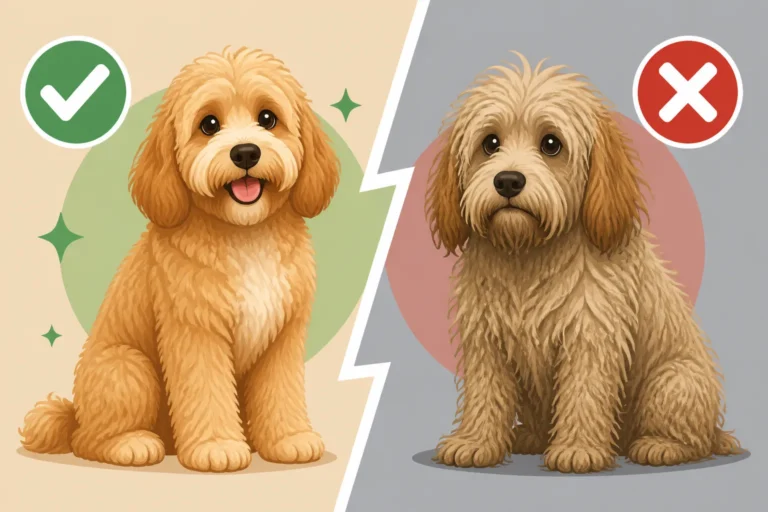
An improper Cockapoo coat features smooth facial hair and heavy shedding because dogs inherit two recessive IC alleles from Cocker Spaniel parents.
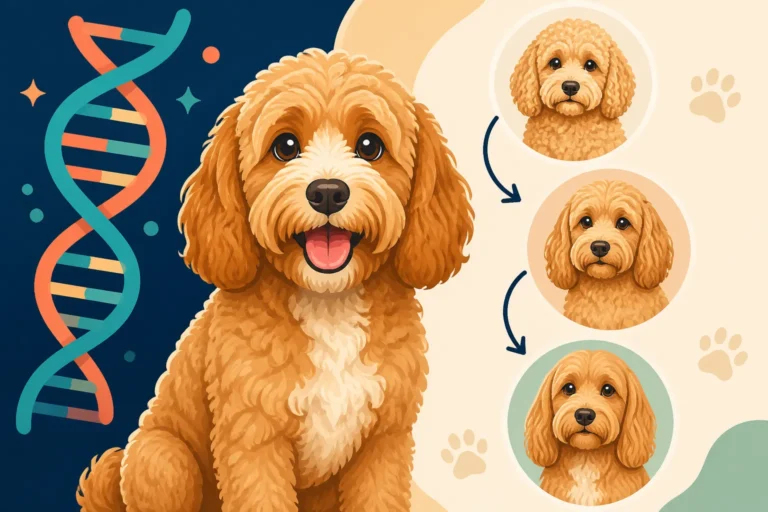
Cockapoo coat genetics and the KRT71 gene explain straight, wavy, or curly hair inheritance patterns and future grooming needs.
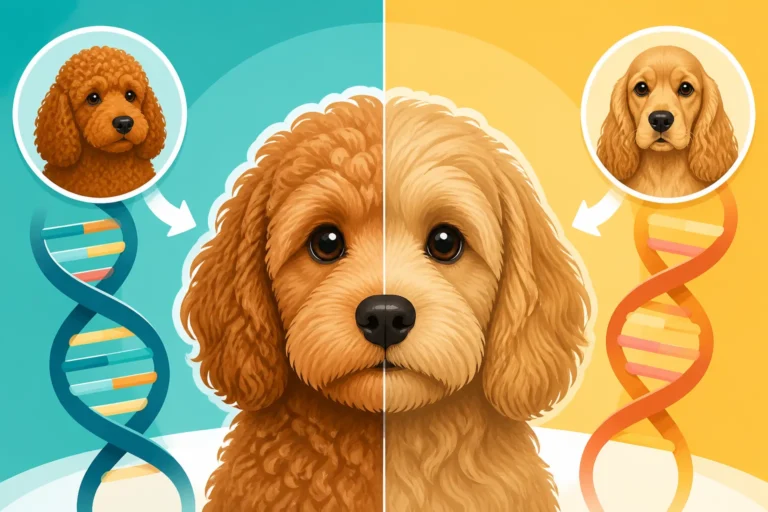
The furnishings gene controls a Cockapoo puppy face appearance, determining facial hair growth and low shedding qualities.