Whether a Cockapoo Greets Everyone at the Door
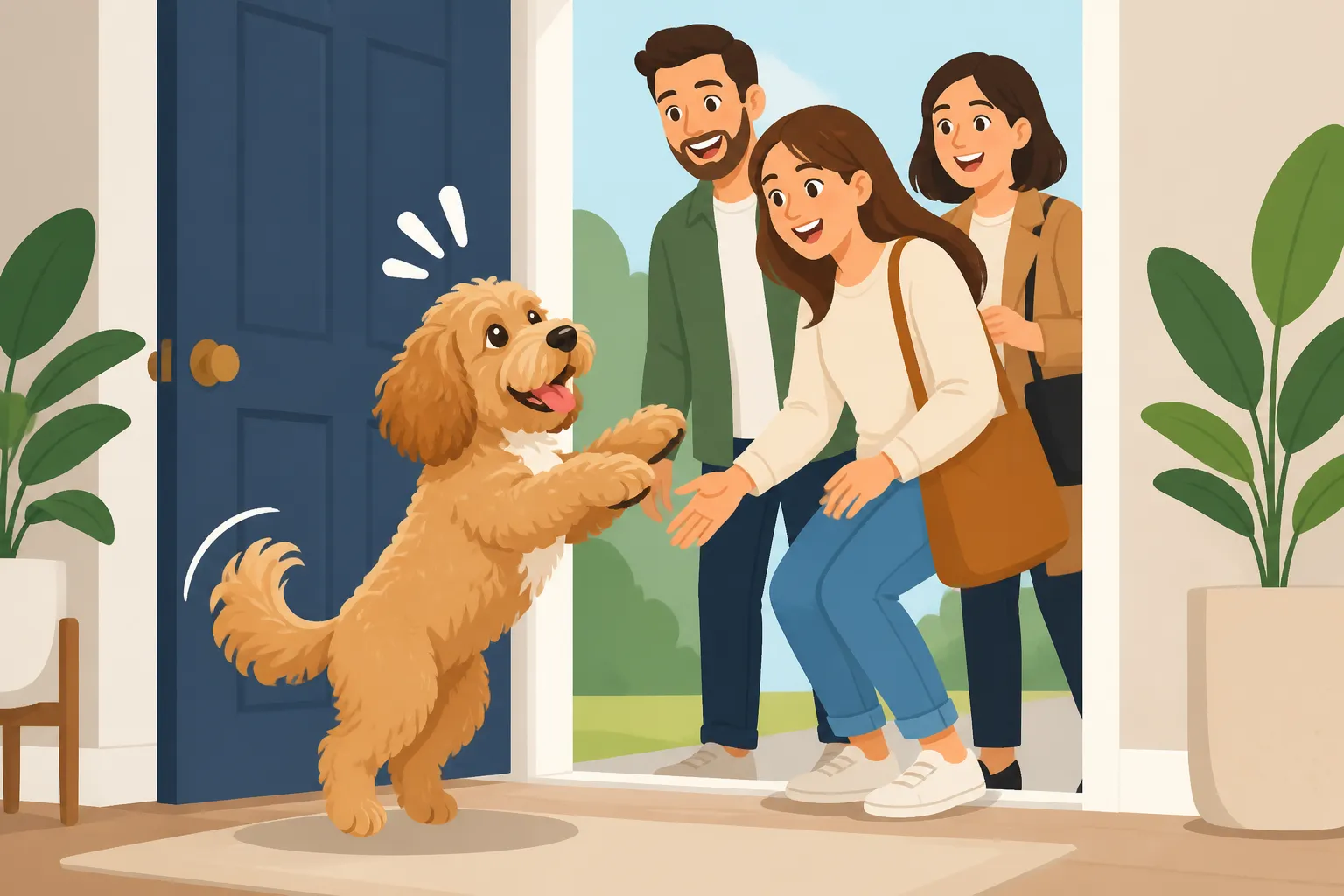
It’s a scenario many Cockapoo owners know all too well: the doorbell rings, a knock sounds, or you simply turn the key in the lock, and suddenly your calm, sweet companion transforms into an airborne missile of pure, unadulterated joy. Your Cockapoo, with tail wagging at warp speed and a bark that could wake the dead, launches itself at anyone daring to cross your threshold, often involving a delightful combo of jumping, licking, and frantic circling. It’s an endearing display of affection, certainly, but also one that can be overwhelming for guests, frightening for small children or the elderly, and frankly, a bit much for you to manage. This guide will help you understand why your Cockapoo greets everyone with such exuberance and, more importantly, how to teach them calmer, more polite ways to welcome visitors into your home.
The Root of the Ruckus: Why Your Cockapoo Greets with Gusto
Before we can address the enthusiastic greeting, it’s helpful to understand where it comes from. Cockapoos are a wonderful blend of two highly intelligent and often very social breeds, and their greeting behaviors are a direct reflection of this vibrant heritage combined with their personal experiences and training (or lack thereof).
Inherited Enthusiasm and Instincts
Think about the parent breeds. Cocker Spaniels, especially the American Cocker, are known for their merry dispositions and eagerness to please. They love people and thrive on interaction. Poodles, on the other hand, are incredibly intelligent, athletic, and often possess a playful, social streak. When you combine these traits, you often get a dog that is simply thrilled by new experiences and new people. This isn't a flaw; it's a testament to their joyful nature.
Furthermore, Cockapoos often retain a keen sense of awareness inherited from their spaniel side, making them quick to notice and react to stimuli. That doorbell isn't just a sound; it's a signal that something exciting is about to happen, and their internal "flushing" drive, while often associated with game birds, can translate into an intense desire to investigate and engage with the "intruder" at the door. It’s a rush of adrenaline, pure and simple. If you've ever seen a Cockapoo engage its inner spaniel, you'll understand why a strong recall is so important on walks, especially if they catch a scent or spot a squirrel – Recall on a Cockapoo That Has Found a Scent is a great read on that. This same intensity can apply to door greetings.
Lack of Clear Boundaries
Sometimes, the issue isn't maliciousness or even naughtiness; it's simply a lack of understanding on your Cockapoo's part about what you expect. In the flurry of excitement when a guest arrives, it's easy for owners to inadvertently reinforce the very behaviors they wish to stop. A quick pat on the head, a cooing "It's okay, puppy!" while they're jumping, or even just acknowledging them immediately, can be interpreted by your Cockapoo as a reward for their boisterous greeting.
Imagine it from their perspective: a new person appears, the energy in the room shifts, and if they jump and bark, they get attention, even if it's negative. They don't differentiate between "good" and "bad" attention in that moment; they just know they're getting a reaction. This lack of consistent, clear boundaries means your Cockapoo hasn't learned that calm behavior is what actually earns them the interactions they crave. They're just following their instincts and what they've learned gets them results.
Under-socialization or Over-excitement
The way your Cockapoo was socialized as a puppy plays a huge role in how they react to new people and situations. A puppy that wasn't exposed to a variety of people, sounds, and environments in a positive way might react with fear or over-excitement when encountering something new. For many Cockapoos, it's the latter – a burst of over-excitement because new people represent novelty and potential fun.
On the flip side, some Cockapoos are simply prone to over-arousal. They get so worked up by stimulating situations that they lose their ability to think clearly and respond to commands. This isn't a reflection of their intelligence; it’s a physiological response to excitement. This state of hyper-arousal can make it incredibly difficult for them to process information or respond to cues during greetings, turning them into a bundle of uncontrolled energy. Understanding What PFK Deficiency Means for a Cockapoo Owner for certain inherited conditions also highlights how some dogs might struggle with exercise or excitement on a physical level, though this is a very different mechanism.
Taming the Doorbell Dash: Immediate Management Strategies
When you’re actively working on training, immediate management is crucial to prevent your Cockapoo from practicing the unwanted behavior. This is about setting them up for success and controlling the environment.
Creating a "Safe Zone"
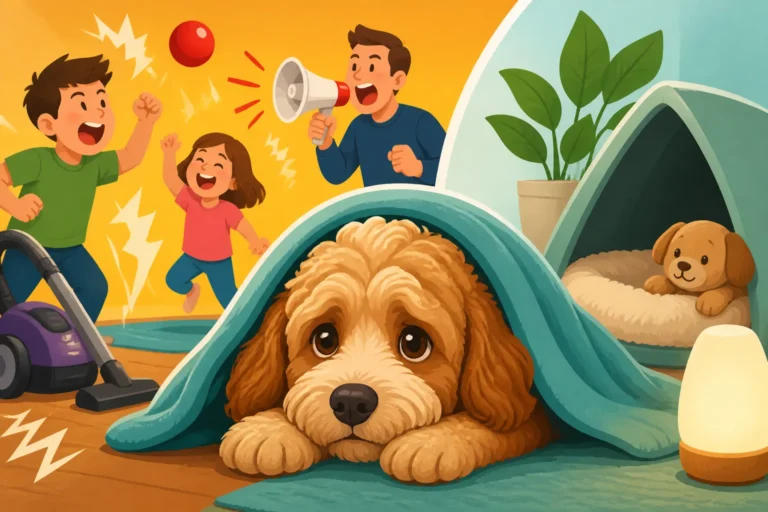
One of the most effective immediate strategies is to designate a "safe zone" for your Cockapoo when guests are arriving. This could be their crate, a cozy dog bed in another room, or a sectioned-off area of the house using a baby gate. The goal is to give them a space where they can calm down and observe the commotion from a distance, without being directly in the fray.
Before guests arrive, guide your Cockapoo to this area with a cheerful tone. Provide them with a high-value chew toy, a KONG stuffed with peanut butter, or a puzzle feeder. The idea is to associate this "time out" with positive rewards, making it a pleasant experience rather than a punishment. You can find excellent quality crates and baby gates on platforms like Amazon, making it easy to set up these management zones in your home. This approach can also be helpful for A Cockapoo That Cannot Be Left alone, providing a secure space when you're away.
Redirecting Energy
If crating or gating isn't feasible for every greeting, another tactic is to redirect your Cockapoo's immediate burst of energy towards something else. As soon as you hear the doorbell or a knock, grab a favorite toy and toss it away from the door. Encourage them to fetch it or engage them in a quick game of tug in another room before opening the door. This channels their excitement into an acceptable activity.
The key here is speed and consistency. You want to interrupt their instinct to charge the door before they even get there. Some owners find that having a designated "doorbell toy" that only comes out for greetings can make this redirection even more effective, building a strong association. This toy should be something super engaging, not just their everyday plaything.
Leash and Handler Control
For those moments when you anticipate an arrival and need direct control, keeping your Cockapoo on a leash can be a lifesaver. Before opening the door, clip on a leash and gently, but firmly, guide them to a designated spot a few feet away from the door. Have them sit or lie down. You can even step on the leash to prevent jumping if needed, ensuring they can't physically launch themselves at your guest.
This method gives you immediate physical control and prevents them from rehearsing the unwanted greeting. It also helps them learn that you are in charge of greetings, not them. Over time, as they learn the routine, you might be able to transition to having the leash nearby as a visual cue, rather than always having it on them. It’s a fantastic way to manage the immediate situation while you work on the underlying training.
Training for Calm Greetings: Building New Habits
Management is great for controlling the immediate problem, but real change comes from consistent training that builds new, desired behaviors. This is where patience and repetition truly pay off.
The "Place" Command
Teaching your Cockapoo a "place" command is one of the most powerful tools for calm greetings. "Place" means going to a specific spot – a dog bed, a mat, or a raised cot – and staying there until released. This gives them a clear job when guests arrive and keeps them out of the excitement zone.
Start by teaching "place" when there are no distractions. Lure your Cockapoo onto their designated spot with a treat, say "Place," and reward them. Gradually increase the duration they stay there and the distance you move away. Once they've mastered it with you alone, introduce mild distractions, like someone walking past the room. The BAXTER & Bella online puppy school offers fantastic, step-by-step guidance on teaching foundational commands like "Place" and integrating them into real-life scenarios, which can be invaluable for owners. They provide structured lessons that break down complex behaviors into manageable steps.
"Sit for Greetings" Protocol
This training method focuses on teaching your Cockapoo that the only way to get attention from a guest is by sitting calmly. It requires cooperation from your visitors, but it’s incredibly effective. The rule is simple: if the dog jumps, paws, or barks, the guest immediately turns their back and ignores them. The moment all four paws are on the floor and they offer even a brief sit, the guest can turn and offer a calm pet or a quiet word of praise.
Practice this with a few trusted friends first. Ask them to help you by strictly adhering to the "no attention for jumping" rule. It might feel a bit awkward at first, but your Cockapoo will quickly learn that calm behavior is the magic key to getting what they want. Remember to keep initial greeting sessions short and sweet, setting your dog up for success and ending on a positive note.
Desensitization and Controlled Exposure
Desensitization involves gradually exposing your Cockapoo to the triggers that cause their excitement in a controlled manner, at a low intensity, so they learn to remain calm. This means starting small and building up. Begin by having a friend simply approach the front door without knocking or ringing. When your Cockapoo stays calm, reward them. Repeat this many times.
Next, have your friend knock softly. Again, reward calm behavior. Then try a soft doorbell ring. Slowly increase the intensity and the length of the interaction at the door, always rewarding calm behavior and ignoring or redirecting frantic responses. If your Cockapoo struggles, take a step back to an easier level. This process takes time and consistency, but it teaches your Cockapoo that the sound of the doorbell doesn't automatically mean a frenzy of activity; it means an opportunity to earn a reward for being calm. This kind of nuanced training can really help manage issues like Whether a Cockapoo Barks Enough to Annoy Neighbors, by addressing the root cause of the excitement.
Consistency is Key: Long-Term Success for Your Sociable Cockapoo
Training is never a one-and-done deal, especially with an intelligent and enthusiastic breed like the Cockapoo. Sustained success depends heavily on consistency and long-term commitment.
Family and Guest Involvement
For any greeting protocol to work, everyone in the household and any guests who regularly visit must be on the same page. If one family member allows jumping and provides attention for excited behavior, it undermines all the hard work you've put in. Hold a quick family meeting to explain the new rules and ensure everyone understands their role.
When new guests come over, don't be shy about giving them a brief rundown of your dog's training. A simple "Please ignore Fido until he's sitting calmly, then you can give him a gentle pet" goes a long way. Most people are happy to help, especially if it means a calmer, more enjoyable visit. The more consistently your Cockapoo receives the same message, the faster they will learn.
Managing Excitement Triggers
Beyond the actual arrival of a person, there are often precursor sounds that trigger your Cockapoo's excitement. The sound of a car pulling up, footsteps on the porch, or the jingle of keys can send them into a pre-greeting frenzy. Identify these triggers and work on desensitizing them too. For example, play recordings of doorbells or knocking at a very low volume while your Cockapoo is engaged in a quiet activity, gradually increasing the volume over time.
You can also practice "fake" arrivals yourself. Walk out the front door, wait a minute, then come back in as if you were a guest. If your Cockapoo is still over-excited for your return, that’s another area to work on. Teaching your Cockapoo to calmly acknowledge these sounds, perhaps with a quick "look" command and a reward, can help them learn that not every sound demands an immediate, frantic response. This helps teach them Whether a Cockapoo Announces Every Visitor with appropriate calm.
Celebrating Small Wins and Staying Patient
Training a Cockapoo to greet calmly is a marathon, not a sprint. There will be days when it feels like you've made no progress, or even gone backward. It's easy to get discouraged when your dog, who was just so good yesterday, decides to jump on Aunt Carol. It's vital to remember that learning takes time, and setbacks are a normal part of the process.
Celebrate every small win – a moment of calm, a quicker sit, a greeting with less jumping. Praise and reward these instances generously. Stay patient and consistent, and trust the process. Your Cockapoo wants to please you, but their instincts are strong, and it takes time to reshape deeply ingrained behaviors. The bond you share with your Cockapoo makes all this effort worthwhile, leading to a more harmonious household for everyone.
Here's a quick comparison of common greeting scenarios and how to address them:
| Scenario | Typical Cockapoo Reaction | Management Strategy | Training Goal |
|---|---|---|---|
| Doorbell rings/Knock | Frantic barking, running to the door, jumping, whining. | Crate/gate in another room with a chew; redirect with toy. | Teach "Place" command; desensitize to doorbell/knock. |
| Guest enters house | Jumping on guest, licking, nipping, body wiggles. | Leash control; keep dog away from entry. | "Sit for greetings" protocol; reward calm interactions. |
| Guest sitting/standing | Continues to seek attention, paws at guest, follows constantly. | Engage with long-lasting chew in their designated spot. | Teach "Off" command; reinforce "Place" for longer durations. |
| Owner returns home | Exuberant jumping, barking, intense wiggles. | Ignore until calm; greet quietly once they settle. | Teach "Sit/Stay" for owner's return; reward calm. |
This structured approach, focusing on both management and active training, will help your Cockapoo learn the polite manners you desire.
Disclaimer
This article is for general informational purposes only and does not constitute professional advice. Laws, prices and regulations vary by location and change over time. Consult a qualified professional for guidance on your specific situation.