Whether a Cockapoo Mouths Children’s Hands
It’s a concern many new Cockapoo parents, especially those with little ones, grapple with: "Will my adorable Cockapoo puppy mouth or nip at my children’s hands?" This worry is totally valid. Those tiny puppy teeth can feel surprisingly sharp, and while it often comes from a place of playfulness, it can be startling, and even painful, for a child. This guide is here to reassure you and provide practical, empathetic advice on how to understand, prevent, and manage mouthing behavior in your Cockapoo, ensuring a safe and happy home for everyone, big and small.
Understanding Puppy Mouthing Behavior in Cockapoos
Before we dive into solutions, let's unpack why puppies mouth. It's not usually out of malice, but rather a completely normal part of their development. Recognizing the root cause can help us address it more effectively.
Why Puppies Mouth in the First Place
Imagine a litter of Cockapoo puppies playing together. They tumble, they wrestle, and they inevitably mouth each other. This is how they learn about bite inhibition – how much pressure is too much. If one puppy bites too hard, the other will yelp and disengage, teaching the aggressor to be gentler. They also use their mouths to explore the world around them, much like human babies use their hands. Everything new goes straight into their mouths!
For your Cockapoo puppy, your hands, your children's hands, even your ankles, can seem like fantastic new toys to investigate with their sharp little teeth. This is especially true during teething, which typically starts around 3-4 weeks and can last until 6 months or more, when their adult teeth are coming in. Their gums hurt, and chewing provides relief. It's a natural instinct, but one we need to guide safely when it involves human skin. This is also why providing appropriate chew toys is so crucial from day one. You'll find a huge array of safe, durable chew toys on platforms like Amazon that can be a lifesaver during this stage.
The Cocker Spaniel Influence on Mouthing
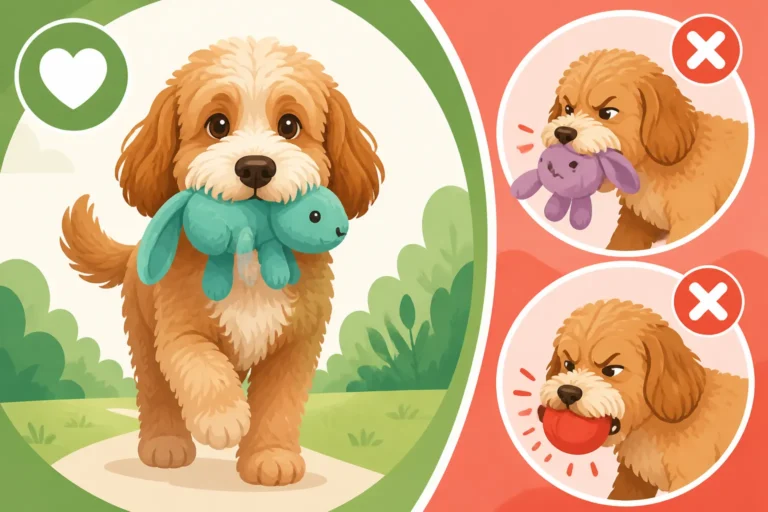
When you look at the Cocker Spaniel side of your Cockapoo, you’re looking at a breed traditionally known for its "soft mouth." This trait was highly prized in gun dogs, as it allowed them to retrieve game without damaging it. While your Cockapoo might not be retrieving pheasants, this soft mouth can manifest as a natural tendency to hold things gently in their mouths. However, Cocker Spaniels are also known for their playful, sometimes boisterous, energy. This combination means they love to interact, and sometimes that interaction can involve using their mouths in play.
A Cockapoo puppy with a stronger Cocker influence might be very keen to "carry" or "hold" things, and this can extend to your hands during enthusiastic play. They might not intend to hurt you, but their natural exuberance combined with those sharp puppy teeth can certainly feel otherwise. It’s a fine line between gentle holding and sharp nipping, and it's our job to clearly define that boundary for them. Understanding The Flushing Drive Still Alive in a Cockapoo can also give insight into their energetic play style.
The Poodle's Contribution to Play Biting
Now let’s consider the Poodle influence. Poodles are incredibly intelligent, active, and highly trainable dogs. They thrive on mental and physical stimulation and love to engage with their human companions. This intelligence and desire for interaction can sometimes manifest as "mouthing for attention" or "play biting" if not properly directed. A Poodle-influenced Cockapoo might learn quickly that nipping or mouthing gets a reaction – even if it’s a negative one – which can inadvertently reinforce the behavior.
Furthermore, Poodles, especially the smaller varieties often used in Cockapoo breeding, can be very "mouthy" during play, using their paws and mouths to initiate games. This isn't aggressive, but it certainly needs to be managed when directed at people, especially children who might not understand the difference between play and pain. Because they are so clever, consistency in training is paramount; a smart dog will quickly pick up on inconsistencies in rules and push boundaries. For comprehensive guidance on their intellectual side, you might want to read Whether the Cocker or the Poodle Shows Up in Training.
Addressing Mouthing in a Cockapoo Puppy with Children
Effective management of mouthing requires a proactive approach and a united front from all family members, especially when children are involved.
Setting Clear Boundaries from Day One
The absolute best time to address mouthing is the moment your Cockapoo puppy steps through your door. Consistency is the golden rule here. Every single family member, from the adults down to the oldest child capable of understanding, needs to react to mouthing in the same way, every single time.
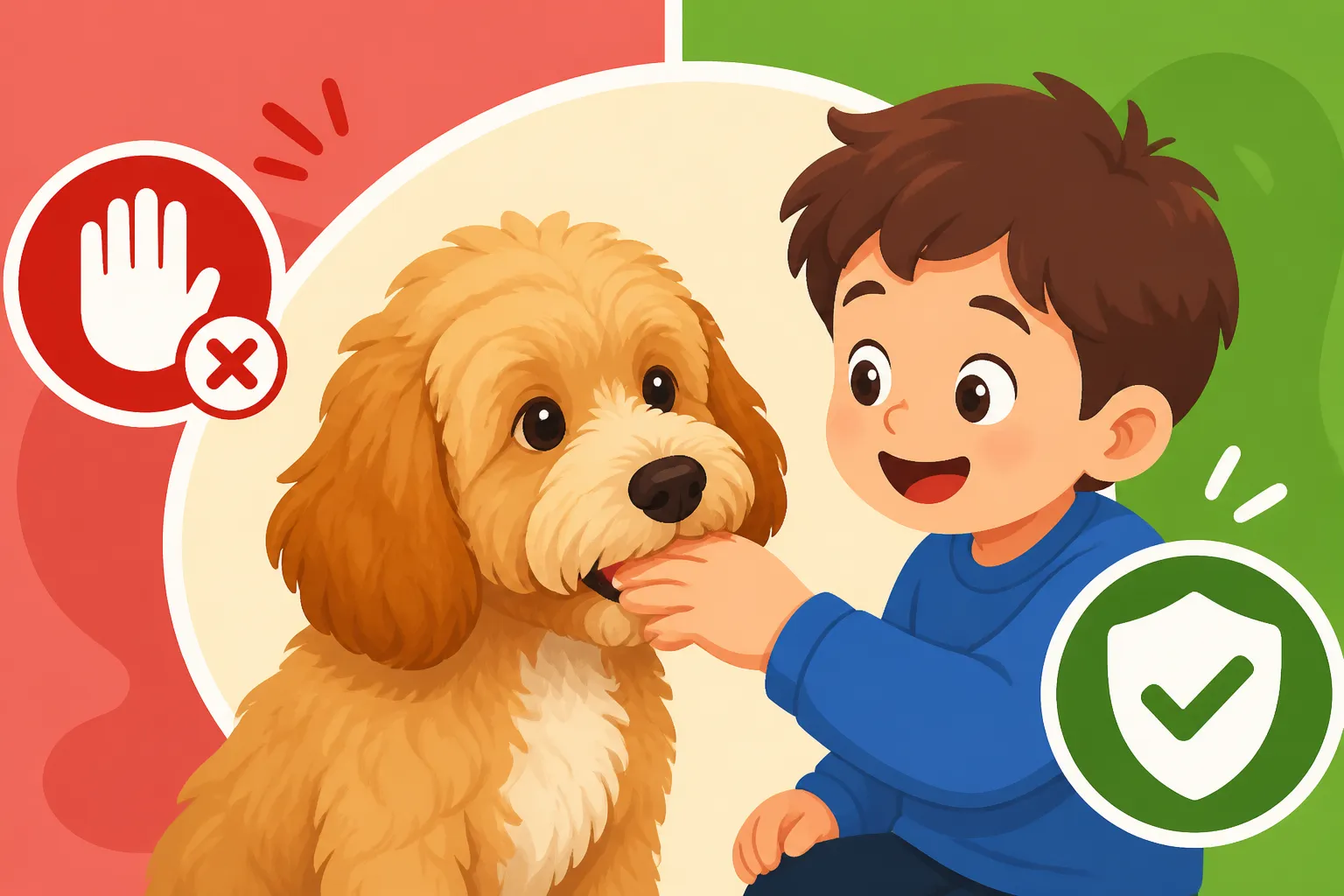
When your puppy’s teeth make contact with skin – any skin – the interaction needs to stop immediately. Let out a sharp, high-pitched "ouch!" or "yip!" – mimicking a puppy's protest yelp. Then, immediately withdraw your hand or body part and disengage from play for a few seconds. Turn your back, or even leave the room if the mouthing continues. The message needs to be crystal clear: "Teeth on skin means playtime is over." Re-engage only when the puppy is calm. This teaches them that gentle play continues, but rough play stops the fun. Remember that even gentle mouthing should be discouraged on human skin, especially with children around who have thinner, more delicate skin. This will help prevent any potential issues down the line as your puppy grows larger and stronger.
Redirecting Chewing and Nipping Appropriately
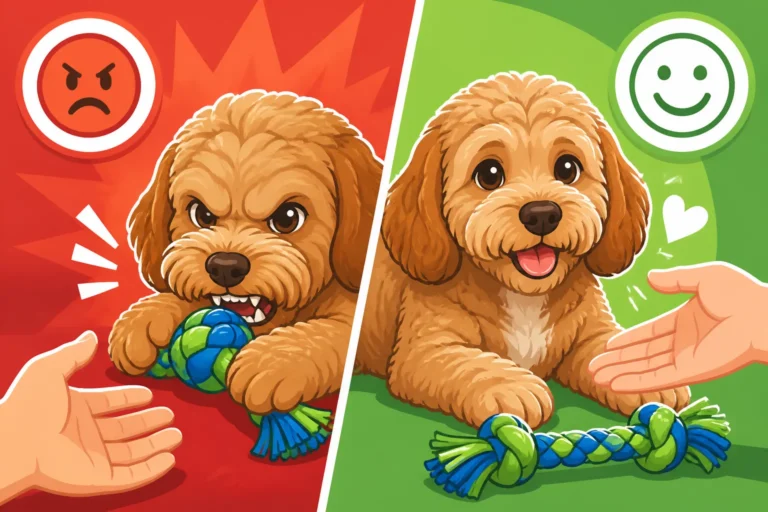
Once you've stopped the undesirable mouthing, the next critical step is to redirect that natural chewing instinct onto appropriate items. Always have a variety of puppy-safe chew toys readily available. When your Cockapoo starts to mouth your hand, follow the "ouch and disengage" rule, and then immediately offer them a suitable chew toy. Praise them gently when they take the toy in their mouth.
Think about the texture and durability of the toys you offer. Some puppies prefer softer, rubbery toys for teething relief, while others might enjoy something firmer like a dental chew. Rotate toys to keep their interest piqued. You can even try puzzle toys filled with a little bit of peanut butter (check ingredients for xylitol!) or frozen Kongs to provide longer-lasting distraction. This teaches your puppy, "It's okay to chew, but you must chew this." You can find excellent selections of durable, puppy-appropriate toys on sites like Amazon. For broader puppy training guidance, consider looking into resources like BAXTER & Bella, which often provide advice on managing common puppy behaviors.
Teaching Bite Inhibition to Your Cockapoo
Teaching bite inhibition is about helping your Cockapoo learn how hard they can bite, even during play, so they don't accidentally hurt someone. This is a crucial life skill.
When your puppy mouths, but not too hard, react with a milder "ouch" and then continue playing. If they bite harder, the reaction needs to be more dramatic – a loud yelp and immediate cessation of play, as described above. The goal is for them to learn that a gentle bite might get a minor reaction, but a hard bite stops everything. Over time, you'll want to gradually reduce the acceptable pressure until any tooth contact on skin results in the "ouch and disengage" response.
This process is most effective when started very young, ideally before 16 weeks, which is a critical period for puppy socialization and learning. During this time, puppies are most receptive to learning these social cues. Be patient; it takes time and consistency, but a well-inhibited bite is a hallmark of a well-adjusted dog. Early socialization is key to a balanced dog, so checking out What a Cockapoo Puppy Should Learn First might be helpful.
Managing Mouthing as Your Cockapoo Grows
Mouthing isn't just a puppy behavior; if not addressed properly, it can persist into adolescence and even adulthood. Adapting your strategy as your Cockapoo matures is vital.
Consistency is Key for Older Puppies and Adolescents
As your Cockapoo grows out of the tiny puppy stage, their jaws become stronger, and their teeth become larger. This means that even accidental mouthing can become more painful or damaging. If you haven't been entirely consistent with your boundaries during puppyhood, don't despair, but understand that you might need to redouble your efforts now.
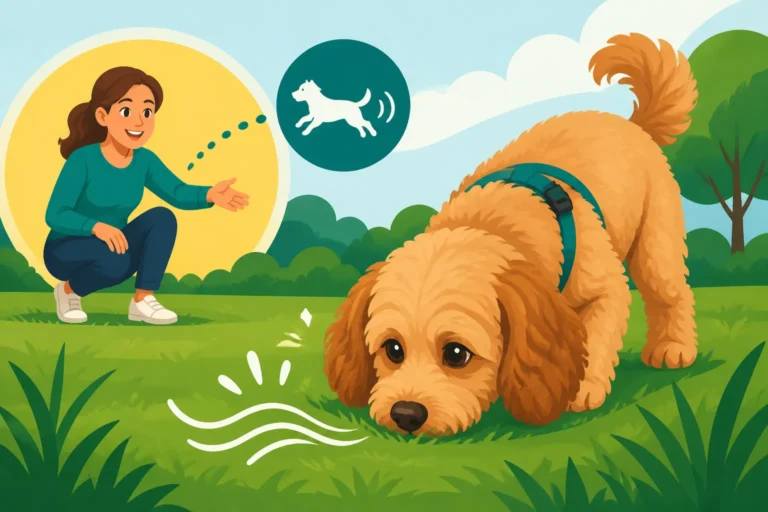
For an older puppy or adolescent Cockapoo, the "ouch and disengage" method still applies, but you might need to be even more decisive. If they continue to mouth after a clear signal, calmly remove them from the situation. This could mean a short time-out in their crate or a separate, puppy-proofed area. The key is not punishment, but rather removing the reward (your attention or continued play). Remember that adolescence can bring new challenges, and continued training and mental stimulation are crucial. Your Cockapoo's energy levels can be quite high during this phase, so finding appropriate outlets for that energy, such as engaging in scent games (you can even find introductory kits on Amazon), can help reduce unwanted mouthing from boredom.
Professional Help for Persistent Mouthing
Sometimes, despite your best efforts, mouthing can persist or even escalate. If you find yourself struggling, or if the mouthing seems to be more than just playful nipping – perhaps it’s accompanied by growling, stiffness, or seems aggressive – it’s time to call in a professional. Don't feel like a failure; some dogs simply need a bit more tailored guidance.
A certified professional dog trainer or a veterinary behaviorist can assess the situation, identify underlying causes, and develop a personalized training plan. They can also observe interactions between your Cockapoo and your children and offer specific strategies for your family dynamic. They might suggest management techniques, specific exercises, or even refer you to a vet if there’s a pain-related issue contributing to the behavior. Resources like BAXTER & Bella offer online training programs and support that can be a great starting point, even before involving an in-person trainer. They provide structured lessons that can help you understand and manage various behaviors, including mouthing.
The Importance of Supervision with Children
This cannot be stressed enough: never leave young children unsupervised with any dog, regardless of the dog's temperament or training. While Cockapoos are generally known for being good family dogs, every dog is an individual, and every child needs protection.
Supervision means actively watching and being ready to intervene at a moment's notice. Teach your children appropriate ways to interact with your Cockapoo (which we'll cover next), but also be their advocate. If your Cockapoo seems overwhelmed or stressed by interaction, gently separate them. Create safe spaces for your dog where they can retreat from children if they need a break. This might be a crate, a dog bed in a quiet room, or a designated "dog zone" that children are taught to respect. A strong foundation of training, like what's discussed in Raising a Cockapoo Puppy, will also help.
Creating a Safe and Harmonious Environment
A happy coexistence between your Cockapoo and your children is a two-way street. Both need to learn how to interact respectfully and safely.
Training Children How to Interact with a Cockapoo
It’s just as important to teach your children how to interact with the dog as it is to teach the dog how to interact with the children. Young children, especially toddlers, don't instinctively understand dog body language or boundaries.
Here are some key lessons for children:
- Be Gentle: Teach them to pet gently on the shoulders or chest, avoiding the face, tail, or ears, which can be sensitive.
- "Tree" Rule: If the dog jumps or mouths, teach children to "be a tree" – stand still, hands tucked in, and look away. This makes them boring and encourages the dog to disengage.
- Respect Quiet Time: Teach children that when the dog is in its bed, crate, or eating, it needs to be left alone.
- Recognize Body Language: As children get older, teach them to read basic dog body language – a stiff body, tucked tail, or yawning can signal stress.
- No Running or Screaming: While fun for kids, this can over-stimulate a Cockapoo and lead to excited nipping or jumping.
- Always Ask First: Teach them to always ask an adult before approaching any dog, even their own.
By empowering children with this knowledge, you create a safer environment and foster a bond built on mutual respect. You may find helpful information in A Cockapoo With Children for more ideas on this topic.
Providing Ample Physical and Mental Stimulation
A bored Cockapoo is often a naughty Cockapoo! This breed is intelligent and energetic, inheriting both traits from its parent breeds. If they don't get enough physical exercise and mental engagement, they will find their own ways to entertain themselves – and that often involves behaviors we don't appreciate, like excessive chewing, barking, or, you guessed it, mouthing.
Make sure your Cockapoo gets daily walks, playtime in a secure yard, or trips to the dog park (if appropriate for their temperament and socialization). Beyond physical activity, engage their brilliant minds. Puzzle toys, training sessions, and scent work games are fantastic for this. Even short, consistent training sessions throughout the day can make a huge difference in their overall behavior and reduce the likelihood of attention-seeking mouthing. Teaching them new tricks or practicing obedience commands can be a fun way to bond and burn mental energy. For specific ideas on brain games, Scent Work That Satisfies a Cockapoo is an excellent resource. A well-exercised and mentally stimulated Cockapoo is a much calmer and happier companion for everyone in the household.
Mouthing Redirection Tools & Techniques
Here's a quick overview of some effective strategies for managing your Cockapoo's mouthing behavior:
| Strategy / Tool | Description | Why it Helps | Best For |
|---|---|---|---|
| "Ouch!" & Disengage | A sharp, high-pitched vocalization followed by immediately withdrawing attention/leaving the area. | Mimics a littermate's yelp, teaching the puppy that teeth on skin stops fun. | All puppies and adolescents for teaching bite inhibition. |
| Chew Toys | Durable, appropriately sized toys (rubber, rope, dental chews, puzzle toys). | Satisfies natural chewing instinct on acceptable items, relieving teething discomfort. | Puppies (especially teething) and young, energetic Cockapoos. |
| Frozen Kongs/Treats | Rubber Kongs filled with peanut butter, yogurt, or wet food and frozen. | Provides long-lasting mental engagement and soothing relief for teething gums. | Puppies needing distraction; adult Cockapoos needing quiet chew time. |
| Training Sessions | Short, positive reinforcement-based sessions teaching basic obedience or tricks. | Burns mental energy, reinforces good behavior, and strengthens the human-dog bond. | All ages, especially intelligent Poodle-influenced Cockapoos. |
| Time-Outs | Calmly placing the puppy in a crate or puppy-proofed area for a few minutes after unwanted mouthing. | Removes the puppy from the exciting environment, giving them a chance to self-settle. | Persistent mouthing in older puppies/adolescents who ignore "ouch." |
| Structured Play | Engaging in games like fetch, tug-of-war (with rules), or flirt pole games. | Provides appropriate outlets for physical energy and natural prey drive without involving hands. | Energetic Cockapoos needing to burn off steam safely. |
| Dog-proofed Space | A safe, comfortable area where the dog can retreat from over-stimulation. | Gives the dog a sense of security and a break from interactions, reducing stress that might lead to nipping. | Households with young children or multiple pets; easily overwhelmed dogs. |
Ultimately, raising a Cockapoo that respects boundaries, especially around children, is about consistency, patience, and clear communication. By understanding their natural instincts and redirecting them kindly, you'll foster a loving, safe relationship for every member of your family.
Disclaimer
This article is for general informational purposes only and does not constitute professional advice. Laws, prices and regulations vary by location and change over time. Consult a qualified professional for guidance on your specific situation.