A Cockapoo That Follows You Room to Room
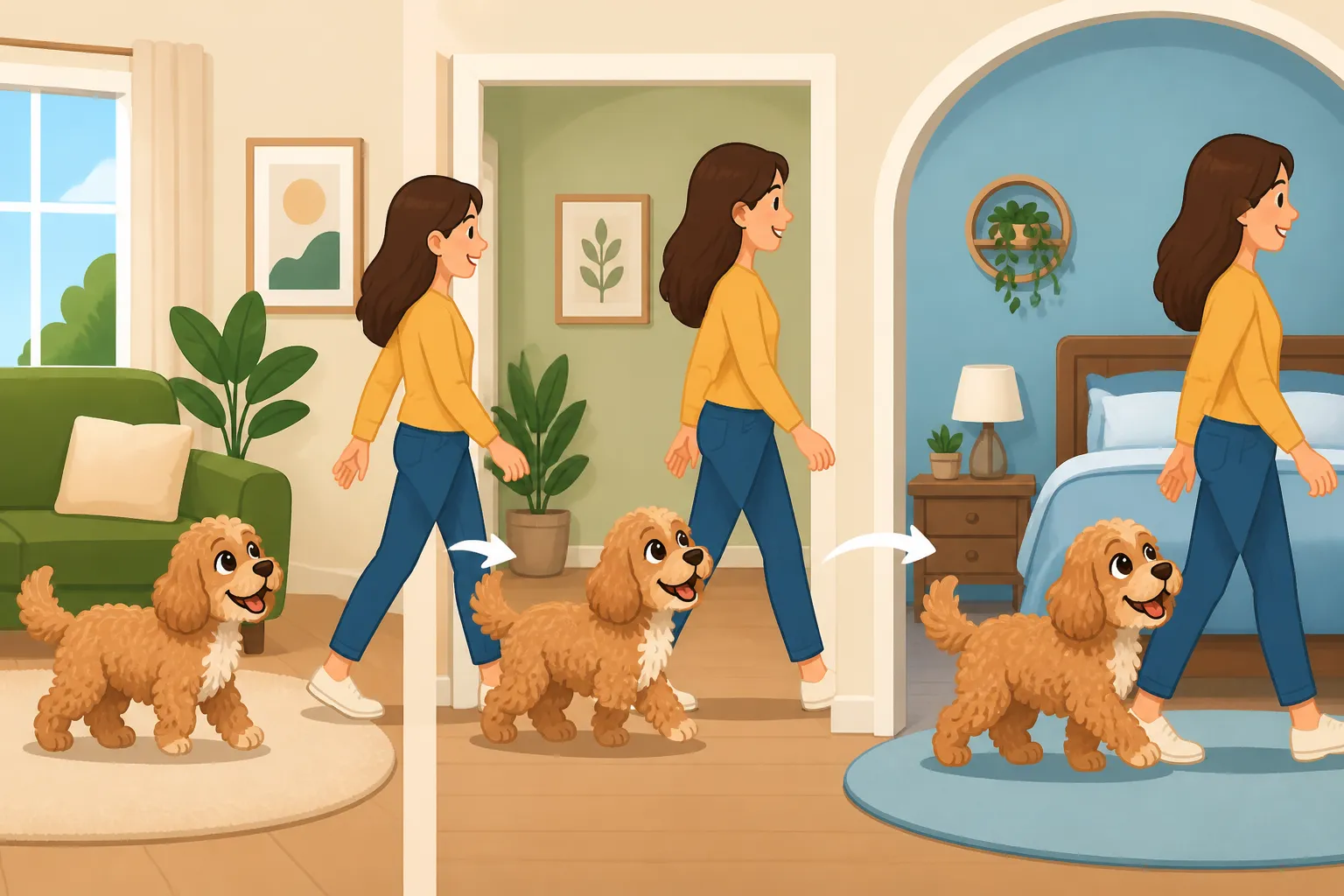
It’s a scenario so many Cockapoo owners find themselves in: you get up to grab a cup of coffee, and there they are, a fuzzy shadow at your heels. You head to the bathroom, and a nose pokes under the door. You settle on the couch, and within seconds, your beloved Cockapoo has arranged themselves as close to you as physically possible. This constant, room-to-room following can be endearing, even charming, for a while. But sometimes, it crosses the line from sweet companionship to a behavior that feels a little overwhelming, or even concerning. This guide is all about understanding why your Cockapoo becomes your personal shadow, when it might be a sign of something more, and how to gently encourage a bit more independence without diminishing that wonderful bond you share.
Understanding the "Velcro Dog" Phenomenon in Cockapoos
Many dog breeds are known for their loyalty and desire for human companionship, but Cockapoos often take it to another level. They've earned the affectionate nickname "Velcro dogs" for a very good reason – they stick to their people like glue. While it's lovely to feel so adored, it's important to understand the roots of this behavior.
The Deep-Seated Instincts at Play
A Cockapoo inherits traits from both the Cocker Spaniel and the Poodle, and both parent breeds contribute significantly to this "velcro" tendency. Cocker Spaniels, originally bred as hunting companions, were always meant to work closely with their human partners. They thrive on interaction and being part of the action. This instinct to be constantly aware of their person's movements and intentions is very strong. Poodles, too, are highly intelligent and sensitive dogs who form deep bonds with their families. They are known for being observant and eager to please, often wanting to be involved in whatever their humans are doing. When you combine these two breeds, you often get a dog with an amplified desire for connection and a natural inclination to stay within arm's reach.
This deep-seated need for proximity isn't just about love; it's also about security and social structure. For dogs, being part of a pack (even a human one) means safety and resources. By sticking close, your Cockapoo is instinctively reinforcing their place within your family unit. They might be monitoring your mood, anticipating your next move, or simply basking in the warmth of your presence. It's a completely natural dog behavior, albeit one that can sometimes feel a bit much in a modern human home. You might find this instinct plays into other behaviors, too, like The Flushing Drive Still Alive in a Cockapoo where they might follow a scent as intently as they follow you.
When Following Becomes a Problem
While a certain degree of following is normal and even expected for a Cockapoo, there are times when it can signal an underlying issue or simply become inconvenient. If you find yourself tripping over your dog constantly, or if their presence prevents you from moving freely or focusing on tasks, it might be time to address it. Beyond convenience, if the following is accompanied by whining, panting, destructive chewing when you briefly leave the room, or excessive barking, it could be a sign that the behavior is rooted in anxiety rather than simple companionship.
A Cockapoo who cannot settle unless they are physically touching you, or who becomes visibly distressed when you step out of sight for even a moment, might be developing separation-related issues. It’s crucial to differentiate between a dog who enjoys being near you and one who needs to be near you to feel safe. This distinction is key to deciding how to approach the behavior. We’ll delve more into the signs of anxiety later, but generally, if the behavior feels less like "I want to be with you" and more like "I can't be without you," it's worth a closer look.
Why Your Cockapoo Becomes Your Shadow
It's easy to assume your Cockapoo follows you everywhere purely out of love, and a big part of that is true! But there are several layers to this "shadowing" behavior, some inherited, some learned, and some potentially indicative of a deeper emotional state.
Breed-Specific Tendencies from Cocker and Poodle
As we touched upon, the genetic makeup of a Cockapoo lends itself to being a very people-oriented dog. From the Cocker Spaniel side, there’s a strong desire for interaction and affection. Cockers are known for their sweet, devoted nature and often prefer to be in the same room as their family members. They’re less likely to be content lounging in another room if there’s human activity elsewhere. This heritage means your Cockapoo instinctively yearns for that closeness and may feel a natural pull to be where you are.
The Poodle half brings intelligence and an eagerness to participate. Poodles are smart cookies who love to understand what's happening and often want to be involved. They observe their environment closely and are highly attuned to their owners' cues, however subtle. This means your Cockapoo might be following you not just for cuddles, but because they're curious, want to know what exciting thing might happen next, or are looking for a job to do. This intelligence, combined with the Cocker's affectionate nature, creates a dog that is highly engaged with its human companions and genuinely wants to be part of every moment. Think about it: they might believe they're helping you with laundry, supervising your cooking, or simply providing moral support during your daily tasks.
Reinforcing the Behavior Unintentionally
Sometimes, we inadvertently teach our dogs that following us everywhere is a good thing, even if we don't mean to. Every time your Cockapoo nudges your hand when you move, and you respond with a pet or a kind word, you're reinforcing that behavior. If they sit at your feet while you cook, and you toss them a small piece of safe vegetable, you're teaching them that being underfoot can lead to rewards. These small interactions, while seemingly harmless and loving, can cumulatively create a habit where your dog believes their constant presence is not only desired but also consistently rewarded.
Consider your daily routine: do you acknowledge your Cockapoo every time they follow you into a new room? Do you talk to them, pet them, or even just make eye contact? All of these can act as positive reinforcement. It’s a classic case of a behavior growing because it works for the dog. They want your attention, your presence, and perhaps a treat, and following you closely is a very effective way to get it. Understanding this is not about blaming yourself, but about realizing that small shifts in your responses can gradually encourage more independent behavior. The BAXTER & Bella online puppy school, for instance, offers great modules on positive reinforcement and how to use it effectively for desirable behaviors, which can extend to encouraging independence.
Separation Anxiety or Simply Attachment?
This is a critical distinction. Many Cockapoos are incredibly attached to their families, and this high level of attachment often manifests as following their owners around. This is usually a sign of a strong, healthy bond. They love you, they trust you, and they enjoy your company. They might even lie down quietly and settle once they’ve reached their destination with you. However, there's a point where this attachment can veer into separation anxiety, which is a genuine behavioral disorder that causes significant distress for the dog.
How can you tell the difference? If your Cockapoo follows you, but then calmly lies down and waits, or occupies themselves with a toy nearby, that's likely just attachment. If, however, when you leave a room or the house, your Cockapoo exhibits signs of panic—excessive barking or howling, destructive chewing of doors or windows, urinating or defecating indoors, panting, drooling, or frantic attempts to escape—then it's much more likely to be separation anxiety. A dog with true separation anxiety isn't being "naughty" or "clingy" by choice; they are genuinely terrified. You might notice this more acutely in scenarios described in A Cockapoo That Cannot Be Left or Signs a Cockapoo Is Anxious Rather Than Bored. It's a spectrum, of course, and sometimes attachment can develop into mild anxiety if not managed.
Strategies to Encourage Independent Play and Relaxation
Encouraging your Cockapoo to be more independent doesn't mean you love them less, or that you're trying to push them away. It's about building their confidence and comfort in being alone, which ultimately benefits their well-being and strengthens your relationship in a healthier way.
Building a "Safe Space" for Alone Time
One of the most effective ways to foster independence is to create a dedicated "safe space" where your Cockapoo can retreat and feel secure, even when you're nearby or have left the room. This could be a crate, a cozy dog bed in a quiet corner, or a specific area of a room that's just for them. The key is to make this space consistently positive and inviting. Never use it for punishment.
Encourage your Cockapoo to use this space by feeding them meals there, offering high-value chews or puzzle toys (like those readily available on Amazon), and praising them calmly when they settle there. The goal is for them to associate this spot with peace, comfort, and positive experiences. When you move to another room, don't make a fuss. Simply walk away, and if they follow, gently lead them back to their safe space, offer a treat or toy, and leave again. Gradually, they'll learn that this spot is their personal haven, a place where they can relax even if you're not right next to them. Consistency is key here; make it their default relaxing spot. This is a foundational step in Building a Cockapoo's Tolerance for Being Alone.
Structured "Ignoring" and Gradual Separation
To reduce inadvertent reinforcement of the "shadowing" behavior, you need to implement structured "ignoring." This doesn't mean ignoring your dog completely, but rather ignoring the following behavior. When your Cockapoo follows you from room to room, don't speak to them, pet them, or even make eye contact. Simply continue with what you're doing. Only give them attention when they aren't demanding it – for example, when they've settled quietly on their bed or are playing independently. This teaches them that calm, independent behavior earns rewards, while constant following doesn't.
Alongside structured ignoring, practice gradual separation. Start with very short durations. Step into another room, close the door, wait for just a few seconds, then return before they get distressed. Don't make a big deal out of leaving or returning. Gradually increase the time you're out of sight. You can even use a baby gate to create physical boundaries, allowing them to see you but not follow. This slowly builds their confidence that you will always return. For dogs who bark when left, understanding Whether a Cockapoo Barks When Left can help tailor your approach. For comprehensive online training resources that guide you through these steps, look into platforms like BAXTER & Bella which offer structured programs on managing separation.
Engaging Their Minds and Bodies Appropriately
A Cockapoo who is bored or under-stimulated is more likely to cling to their human out of a need for entertainment or interaction. Ensuring your Cockapoo gets enough physical exercise and mental stimulation can significantly reduce their need to be constantly at your side. Daily walks, playtime in the yard, and engaging in activities like fetch or tug-of-war are essential. Remember that mental exercise is just as important.
Puzzle toys, snuffle mats, and scent games are fantastic for keeping their intelligent Poodle brains busy. Hide treats around the house and let them use their keen Cocker nose to find them. Enroll in an obedience class or try some trick training. A tired and mentally satisfied Cockapoo is a more independent Cockapoo. If you're wondering how much company they truly need, you might find insight in Whether a Cockapoo Needs Company Most of the Day. Providing appropriate outlets for their energy and intelligence can prevent them from resorting to constant shadowing, or even destructive behaviors if they get bored, as discussed in What a Bored Cockapoo Chews Through.
Here's a quick comparison of normal attachment versus potential anxiety signals:
| Behavior Trait | Normal Attachment (Healthy "Velcro") | Potential Separation Anxiety (Concerning) |
|---|---|---|
| Following | Follows, but settles calmly nearby when you stop. | Follows intensely, appears restless or agitated. |
| When you leave | May whine briefly, then settles within minutes. | Immediate barking/howling, destruction, pacing, panting. |
| Response to your return | Happy greeting, then returns to calm activity. | Frantic greeting, difficulty settling for a long time. |
| Time alone | Can relax or sleep when alone for a few hours. | Panics, unable to settle, may soil the house. |
| Independence | Plays with toys, chews, or naps on their own. | Only engages with toys if you are present and interacting. |
| Physical signs | Calm demeanor, normal breathing. | Excessive panting, drooling, trembling, hiding. |
When to Seek Professional Guidance
While many Cockapoo owners can manage the "velcro dog" tendencies with consistent training and environmental adjustments, there are situations where professional help is not just beneficial, but truly necessary.
Recognizing the Signs of True Anxiety
As mentioned earlier, separating normal attachment from true anxiety is vital. If the following behaviors are coupled with any of the following, especially when you leave the house or even just step out of sight, it's time to talk to a professional:
- Excessive vocalization: Persistent barking, howling, or whining that starts as soon as you leave or attempt to leave.
- Destructive behavior: Chewing on door frames, windowsills, furniture, or personal items, particularly around exit points. This isn't just puppy chewing; it's often frantic and aimed at escape.
- Inappropriate elimination: Urinating or defecating indoors, even if your dog is otherwise house-trained, and it happens only when they are alone.
- Pacing and restlessness: Constantly moving, unable to settle, often around windows or doors.
- Self-harm: Licking or chewing at themselves excessively, sometimes to the point of creating sores, typically on their paws or tail.
- Escaping: Attempts to break out of crates or rooms, potentially causing injury to themselves.
These are not signs of a "bad" dog; they are clear indicators that your Cockapoo is experiencing significant distress and fear. Punishment in these situations will only exacerbate their anxiety. It’s important to acknowledge that this is an emotional problem, not a disobedience issue, and requires a compassionate and structured approach. Understanding more about How Long a Rescue Cockapoo Takes to Settle or The Thing Cockapoo Buyers Find Out Too Late can offer insights into the challenges some dogs face.
The Role of a Certified Professional Dog Trainer
If you suspect your Cockapoo's shadowing behavior is veering into anxiety, or if your efforts to encourage independence aren't yielding results, don't hesitate to reach out to a certified professional dog trainer or a veterinary behaviorist. These experts have the knowledge and experience to accurately diagnose the root cause of the behavior and create a tailored training plan.
A qualified professional will conduct a thorough assessment, observing your dog's behavior and asking detailed questions about their history and your household routine. They can help you implement specific counter-conditioning and desensitization protocols, which are crucial for reducing anxiety. This might involve structured exercises to gradually acclimate your Cockapoo to your absence, often starting with very short durations and slowly increasing the time. They can also advise on enrichment strategies, appropriate calming aids (like certain pheromone diffusers or specific types of background noise), and in some cases, medication prescribed by a veterinarian if the anxiety is severe. Remember, tackling separation anxiety is a process, and having a professional guide you can make a world of difference for both you and your Cockapoo.
Disclaimer
This article is for general informational purposes only and does not constitute professional advice. Laws, prices and regulations vary by location and change over time. Consult a qualified professional for guidance on your specific situation.