Whether a Cockapoo Howls When Left
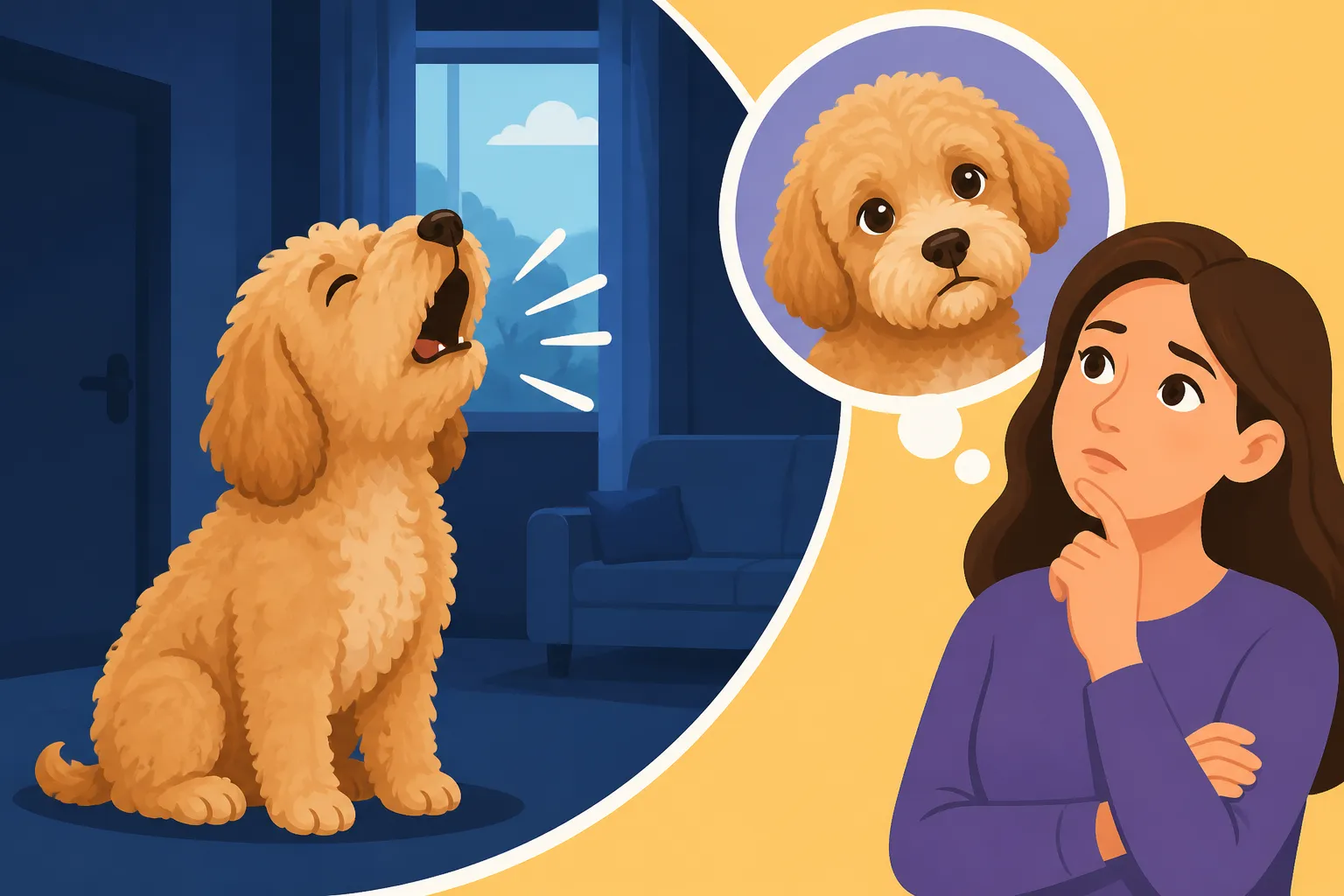
One of the most heart-wrenching sounds a Cockapoo owner can hear is that mournful howl when they've just walked out the door, or worse, knowing their beloved companion is howling away while they're gone. It's a common worry, and it can leave you feeling guilty, frustrated, and totally at a loss about how to help. This comprehensive guide is here to shed light on why your Cockapoo might be howling when left alone and, more importantly, to walk you through practical, empathetic strategies to bring peace back to your home and confidence to your furry friend.
Understanding Why Your Cockapoo Might Howl When Alone
When your Cockapoo howls after you leave, it's not simply being "naughty" or trying to annoy the neighbors. There's almost always an underlying reason, and understanding that reason is the first step toward finding a solution. It could be deeply rooted in their nature, a symptom of genuine distress, or simply a vocal expression of boredom.
Separation Anxiety vs. Boredom or Frustration
This is a critical distinction to make, as the approach to each is quite different. Many owners mistakenly conflate the two, leading to ineffective training strategies.
Separation anxiety is a genuine panic response that some dogs experience when left alone. It's not just a little upset; it’s a full-blown fear, akin to a human having a panic attack. When a Cockapoo suffers from true separation anxiety, the howling is usually accompanied by a host of other stress-related behaviors. You might return home to find destructiveness focused around exit points like chewed doorframes or scratched windowsills, indicating an attempt to escape. They might also pace excessively, drool, pant, or even have accidents indoors despite being reliably house-trained. Their anxiety isn't about getting attention; it's about deep-seated distress at being separated from their primary attachment figure. This kind of howling is often frantic, continuous, and doesn't cease easily. If you're concerned, reading about Signs a Cockapoo Is Anxious Rather Than Bored can help you recognize the subtle differences.
On the other hand, boredom or frustration manifests differently. A bored Cockapoo might howl out of sheer lack of stimulation. They're intelligent dogs, blending the smarts of the Poodle with the eager-to-please nature of the Cocker Spaniel, and they need mental engagement. If their world becomes static and uninteresting the moment you step out, they might vocalize to express their displeasure or to solicit some action. This howling might be interspersed with other activities, such as destructive chewing on inappropriate items (but not necessarily exit points), or nudging toys around without real engagement. It's less a panic and more a complaint. Frustration can also come from not being able to access something they want, like a window view, or being unable to participate in external activities they can hear. Their vocalizations might sound more like extended grumbles or "woo-woos" rather than panicked cries.
The Instinctive Howl
Let's not forget that dogs, including our beloved Cockapoos, communicate vocally. Howling is a natural canine behavior, an ancient form of communication used by their wild ancestors to signal location, warn of danger, or call to the pack. While domesticated, these instincts are still present, sometimes just below the surface.
The Cocker Spaniel side of your Cockapoo's heritage brings a history of working closely with humans in the field, often needing to communicate finds or location through barks and calls. They are alert and attentive to their surroundings, and this vigilance can translate into vocalizations when they perceive something amiss or noteworthy in your absence. The Flushing Drive Still Alive in a Cockapoo means they are naturally alert to their environment and often have a strong desire to investigate. A passing squirrel, a delivery truck, or even distant voices could trigger an instinctive alert howl.
Similarly, Poodles, especially Miniature and Toy Poodles, can be quite vocal. They are intelligent and sensitive dogs, and they often use their voices to express a range of emotions or to communicate with their people. When left alone, the quiet of the house, combined with any perceived external stimuli, can easily prompt a Cockapoo to let out a howl, almost as if saying, "Hello? Is anyone out there?" or "I hear that! Are you hearing it too?" It's their way of interacting with a world that suddenly feels emptier.
Environmental Triggers
Sometimes, the cause of howling isn't internal distress or boredom, but rather external factors that create a perceived need for your Cockapoo to vocalize. Their world, much like ours, is full of sounds and events.
Imagine your Cockapoo peacefully napping, only to be jolted awake by a loud garbage truck rumbling down the street, or the neighbor's dog barking incessantly, or even children playing loudly nearby. These sudden or persistent noises can be startling or even frightening for a dog left alone. Without your reassuring presence, they might resort to howling as a response to the perceived threat or simply to express their discomfort. They're trying to communicate, "Hey, I heard that! What was it? Are we safe?"
Changes in routine can also be a significant trigger. Dogs thrive on predictability. If your schedule suddenly shifts—you start going into the office after working from home, or your departure times become inconsistent—your Cockapoo might become unsettled. The lack of a clear routine can lead to uncertainty and anxiety, prompting vocalization. Similarly, moving to a new house, or even just rearranging furniture, can disrupt their sense of security, making them more prone to howling as they try to re-establish their comfort and understanding of their surroundings. Anything that breaks their established rhythm can be disorienting for a sensitive Cockapoo.
Proactive Steps to Prevent Howling from the Start
The best defense is a good offense, as they say. If you're bringing a new Cockapoo puppy home or trying to reshape existing behaviors, implementing proactive strategies from day one can make a world of difference in preventing howling when left alone. It's all about building confidence and positive associations with solitude.
Early Crate Training and Alone Time
Crate training, when done correctly, isn't about punishment; it's about providing a safe, comfortable, den-like space where your Cockapoo feels secure. A well-introduced crate becomes their personal retreat, a place they associate with relaxation and safety, not isolation. Start by making the crate a positive place: feed meals inside, toss in tasty treats, and let them explore it at their own pace. Never use the crate as a "time-out" spot.
Once they're comfortable in their crate, begin introducing very short periods of alone time. Start with just a minute or two while you're still in the house, maybe just stepping into another room. Gradually increase this duration. The key is to return before they start to fuss or howl. This teaches them that you always come back and that being alone in their crate isn't a scary thing. Over time, you can extend these periods to an hour, then two, eventually preparing them for longer stretches like The Hours a Cockapoo Tolerates Alone. Remember, patience is paramount here. It’s a marathon, not a sprint, and consistency will build a strong foundation of confidence.
Establishing a Routine and Predictability
Dogs are creatures of habit, and a predictable routine provides them with a sense of security and control over their environment. When they know what to expect, they are less likely to feel anxious or uncertain, which can prevent stress-induced howling.
Establish consistent times for feeding, walks, playtime, and potty breaks. For instance, if your Cockapoo knows that after their morning walk and breakfast, you'll prepare for work, and then they'll have some quiet time in their safe space, they are better equipped to handle your departure. Make your departure cues subtle and consistent. Instead of a dramatic goodbye, practice doing everyday things like picking up your keys, putting on your coat, and then not leaving, or just stepping out for a minute and coming right back. This desensitizes them to the cues that usually signal your departure, reducing the anticipation and potential anxiety. A predictable schedule helps to build Building a Cockapoo's Tolerance for Being Alone.
Enriching Their Environment When You're Away
A bored Cockapoo is a vocal Cockapoo. Providing engaging activities that keep their minds and bodies stimulated while you're gone can significantly reduce the likelihood of howling born out of boredom or frustration. This is where clever enrichment comes into play.
Invest in a variety of high-quality puzzle toys or interactive feeders. Fill a Kong with peanut butter, yogurt, or wet food and freeze it overnight for a long-lasting distraction. There are many fantastic options available on sites like Amazon that dispense kibble slowly or require problem-solving to get treats. Rotate these toys so they don't get bored of the same thing every day. Chew toys are also excellent for mental and physical satisfaction, helping to release endorphins that promote calmness. Ensure all toys are safe for unsupervised use and can't be easily destroyed and ingested. Leaving on a radio or a TV tuned to a calm station can also provide background noise that masks startling external sounds, creating a more settled environment for your Cockapoo.
Addressing Existing Howling and Separation-Related Behaviors
If your Cockapoo is already howling when left alone, it means you've got some work to do. But don't despair! With patience, consistency, and the right approach, you can help them overcome this challenging behavior. It's about slowly shifting their emotional response from panic or frustration to calm acceptance.
Gradual Desensitization and Counter-Conditioning
This technique is at the heart of treating separation anxiety and involves slowly exposing your Cockapoo to being alone while changing their emotional response from negative to positive. It requires careful planning and very small steps.
Start by practicing short departures that don't trigger a full-blown howling episode. This might mean just stepping out of sight for a few seconds, then returning. Gradually increase the duration of your absence, always aiming to come back before your dog becomes distressed. When you leave, offer a high-value, long-lasting treat (like that frozen Kong we talked about earlier) that they only get when you're gone. This counter-conditions them to associate your departure with something wonderful. Make your greetings and departures low-key. Avoid effusive hellos and drawn-out goodbyes, as these can heighten their anxiety. A calm "I'll be back" and a quiet return helps them understand that your leaving is not a big deal. For a deeper dive, consider resources that guide you on Whether a Cockapoo Barks When Left, as the underlying anxiety often presents in similar ways.
Exercise and Mental Stimulation Before You Leave
A tired Cockapoo is often a quiet Cockapoo. Ensuring your dog gets sufficient physical and mental exercise before you leave can drastically reduce their energy levels and mental capacity for anxiety or boredom.
Before you plan to be away, engage your Cockapoo in a vigorous play session or a long walk. Think about how much activity a Cockapoo needs; they are often active dogs and require more than just a quick trip around the block. A good sniff-walk in the park or a game of fetch can work wonders. Beyond physical exercise, mental stimulation is equally important for these intelligent dogs. Engage them in brain games, training sessions, or even Scent Work That Satisfies a Cockapoo. Teaching them new tricks or practicing obedience commands can be mentally exhausting in a good way. The goal is to leave them feeling pleasantly tired and ready for a nap, rather than restless and full of pent-up energy, which they might express through howling. This strategy is also crucial if you're wondering Whether a Cockapoo Needs a Sport to Be Manageable.
Consulting a Professional and Training Resources
Sometimes, despite your best efforts, the howling persists or is so severe that it indicates true separation anxiety that requires more specialized intervention. Don't feel like a failure if you need to call in the cavalry—this is a common and challenging issue.
Your first stop should be your veterinarian. They can rule out any underlying medical conditions that might be contributing to your Cockapoo's distress, such as pain or cognitive dysfunction in older dogs. They might also discuss anti-anxiety medications as a short-term aid to help your dog learn new coping mechanisms during the training process. Next, seek out a certified professional dog trainer or a veterinary behaviorist who specializes in separation anxiety. They can observe your dog's specific behaviors, accurately diagnose the root cause, and develop a tailored training plan. Many reputable trainers offer online courses or virtual consultations, which can be incredibly helpful. For instance, resources from organizations like BAXTER & Bella provide structured online programs that guide you through behavioral challenges like this, often with video lessons and live support. These professionals bring expertise and an objective eye to the situation, which can be invaluable when you're feeling overwhelmed.
Tools and Techniques to Aid in Managing Alone Time
While training and understanding are fundamental, there are also various tools and techniques that can support your Cockapoo during periods of solitude, helping to create a calmer, more comfortable experience for everyone involved.
Calming Aids and Products
For dogs experiencing anxiety when left alone, a variety of calming aids can provide supplemental support to behavioral training. These aren't magic bullets, but they can take the edge off and make your Cockapoo more receptive to learning new ways of coping.
One popular option is a pheromone diffuser or spray, which releases synthetic canine appeasing pheromones that mimic those secreted by a mother dog to comfort her puppies. These can create a calming environment for some dogs. Calming chews or supplements containing ingredients like L-theanine, L-tryptophan, or herbal extracts are also widely available. It's always a good idea to discuss these with your vet before introducing them, to ensure they are appropriate for your Cockapoo and won't interact negatively with any other medications or conditions. Compression garments, often called Thundershirts, apply gentle, constant pressure, similar to swaddling a baby, which can have a calming effect on some anxious dogs. You can find many of these calming solutions on platforms like Amazon.
Monitoring Your Cockapoo's Behavior
Knowledge is power, especially when you're not there to see what's happening. Investing in a pet camera can provide invaluable insights into your Cockapoo's behavior when they're alone, helping you pinpoint triggers and measure progress.
Many pet cameras offer features like two-way audio (so you can speak to your dog, though this should be used carefully as it can sometimes escalate anxiety rather than calm it), treat dispensers, and night vision. By observing your Cockapoo, you can accurately determine if the howling starts immediately or after a delay, what might be triggering it (e.g., a specific noise outside), and if other anxiety-related behaviors are present. This real-time data allows you to fine-tune your training strategies and confirm whether your interventions are working. For example, you might discover they start to settle after 20 minutes, giving you a baseline for your desensitization exercises. This kind of monitoring can significantly help in understanding How Many Hours a Cockapoo Can Be Left before distress sets in.
Creating a Safe and Comfortable Den
Beyond the crate, creating a designated "den" or safe space for your Cockapoo to retreat to when you're away can make a big difference in their sense of security. This is their quiet sanctuary, a place where they feel protected and comfortable.
This den could be their crate, or a small, quiet room, or even a cozy corner under a desk. The key is that it's a place where they won't be disturbed and where external stimuli are minimized. Ensure it's filled with soft, comfortable bedding. Leaving an old t-shirt or blanket with your scent on it can be incredibly reassuring for them. This familiar scent helps create a sense of your presence, even when you're not physically there. Make sure this space is consistently available to them, and that they have positive associations with it, such as receiving their special long-lasting treat only when they settle there before you leave. A truly comfortable and secure den contributes to their overall well-being and reduces the likelihood of vocalizing out of insecurity or fear.
Remember, addressing howling when left alone is a process that demands patience and consistent effort. Your Cockapoo isn't trying to be difficult; they're communicating their feelings. By understanding their needs and implementing these strategies, you can help them feel more secure and content in your absence.
Disclaimer
This article is for general informational purposes only and does not constitute professional advice. Laws, prices and regulations vary by location and change over time. Consult a qualified professional for guidance on your specific situation.