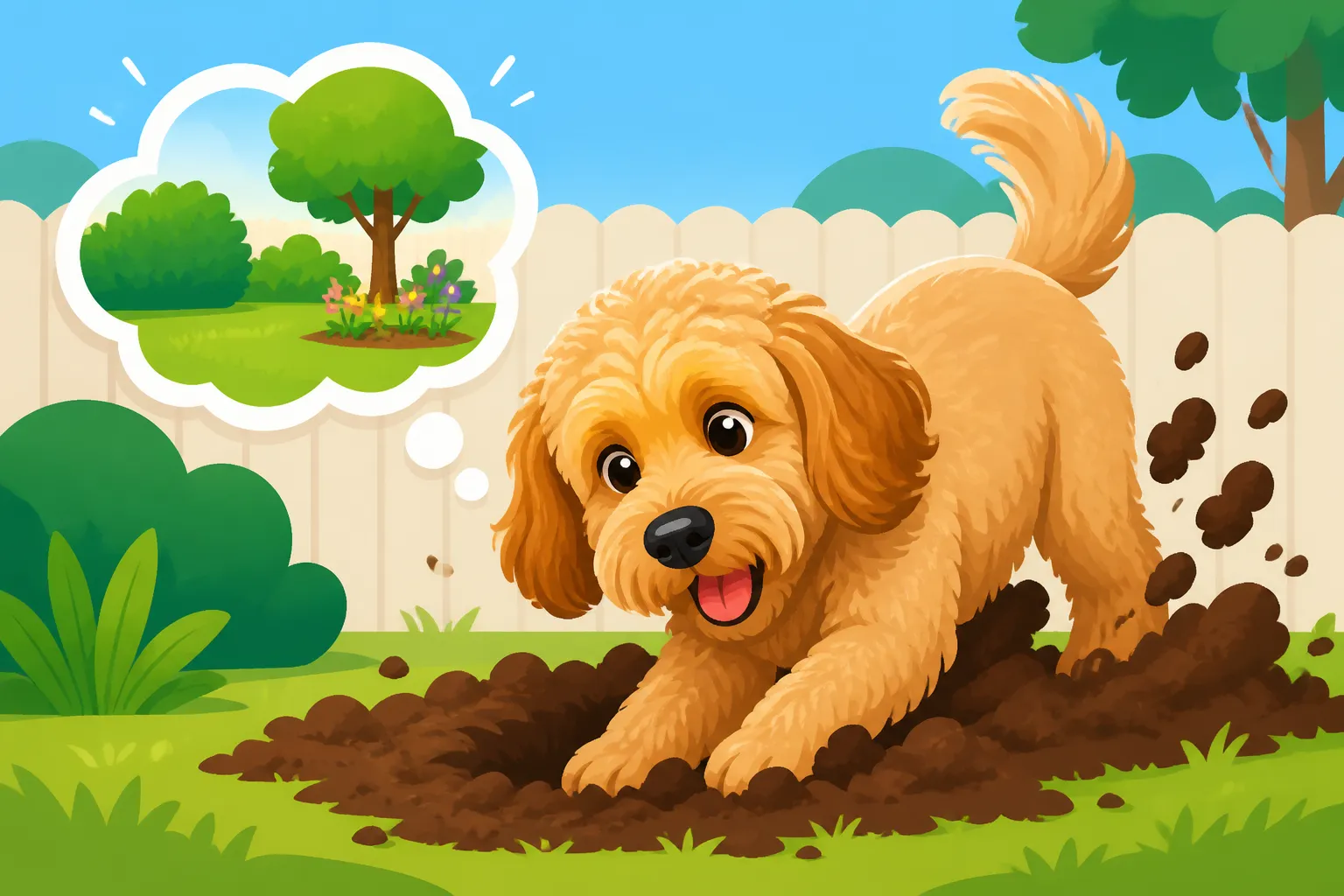
Whether a Cockapoo Digs the Yard
Oh, the dreaded dug-up yard! Many a Cockapoo owner has stepped outside, coffee in hand, only to discover a fresh crater where a prized petunia or a perfectly manicured lawn once stood. It's frustrating, certainly, and can leave you wondering if your sweet, fluffy companion is secretly plotting against your landscaping. But before you banish your beloved pup to an indoor existence, let's unpack why your Cockapoo might be turning your garden into a construction site and, more importantly, what you can do about it.
Understanding Why Your Cockapoo Digs
It's easy to assume your Cockapoo is digging just to be mischievous, but for dogs, digging is often a deeply ingrained, instinctual behavior. Understanding the "why" behind the excavation is the first step to finding a solution that works for both of you.
Instinctive Drives from Their Heritage
Think about the parent breeds of your Cockapoo. You've got the Cocker Spaniel, a delightful dog originally bred for hunting game birds. Their job was to "flush" birds out of dense cover, often involving a fair bit of rooting around in the undergrowth with their noses. Then there's the Poodle, highly intelligent and once used as a water retriever, also known for their keen senses and problem-solving abilities.
This mixed heritage means your Cockapoo often inherits a strong desire to explore with their nose and paws. That drive to scent out and unearth things is still very much alive. A Cockapoo might be digging because they're simply following a scent trail only they can detect, believing there's a fascinating "treasure" (or a small critter!) just beneath the surface. It's not malice; it's instinct. It’s part of The Flushing Drive Still Alive in a Cockapoo that makes them such curious and active companions. They are, in a way, just doing what their ancestors did, even if the "game" is now just a buried root or a faint mouse trail.
Boredom and Lack of Mental Stimulation
Cockapoos are bright, energetic dogs. If they aren't getting enough physical exercise or, crucially, enough mental stimulation, they can get bored. And a bored dog is a creative dog, often in ways we don't appreciate. Digging can be a fantastic self-entertaining activity for a Cockapoo who feels under-stimulated. It burns energy, engages their mind as they "solve" the problem of getting deeper, and provides sensory input.
Imagine being stuck in the house all day with nothing to do. You might start reorganizing your pantry for the fifth time or picking up a new, elaborate hobby. For a Cockapoo, digging up the yard is their version of that elaborate hobby. They're not being naughty; they're just finding a job to do. If their days are monotonous, without engaging walks, training sessions, or interactive toys, they'll create their own fun, and sometimes that fun involves dirt flying. You might find great interactive toys on Amazon that can keep their minds busy indoors and out.
Seeking Comfort or Security
Sometimes, digging isn't about hunting or boredom, but about comfort. On a hot day, your Cockapoo might dig a shallow pit in a shaded area to lie in. The exposed earth is cooler than the surface, offering a natural air-conditioned spot. Conversely, in colder weather, they might dig a shallow depression to shelter from the wind or conserve body heat. It's their way of nesting and creating a more comfortable microclimate.
Beyond physical comfort, some dogs dig when they feel anxious or insecure. A Cockapoo left alone for long periods, especially if they struggle with separation distress, might dig at fence lines in an attempt to escape or simply as a displacement behavior to cope with their stress. It's a self-soothing mechanism, similar to how some people might pace or fidget when nervous.
Prey Drive and Scent Following
This ties back to their heritage but deserves its own spotlight. Cockapoos, with their spaniel genes, often have a keen sense of smell and a natural prey drive. If your yard has moles, voles, gophers, or even just interesting bug activity, your Cockapoo's nose will pick up on it. The digging isn't random; it's a determined effort to get to whatever exciting scent lies beneath the ground.
It's a thrill for them to track and try to unearth something. Even if they never catch anything, the act of pursuing that scent is incredibly rewarding. You might notice them "pointing" their nose at a spot, pawing tentatively, and then suddenly launching into a full-scale excavation project. This is their inner hunter at work, and it's a powerful motivator. Engaging in activities like Scent Work That Satisfies a Cockapoo can redirect this natural drive in a constructive way.
Practical Strategies to Manage Digging Behaviors
Once you've identified why your Cockapoo is digging, you can start implementing strategies to manage and redirect this behavior. It's all about providing appropriate outlets and clear boundaries.
Providing Appropriate Outlets
Since digging is a natural behavior, a truly effective solution often involves providing an acceptable place for your Cockapoo to dig, rather than trying to stop it entirely.
- Designated Digging Pit: This can be a sandbox, a raised garden bed filled with loose soil, or even just a corner of the yard you've sanctioned. Bury some exciting treats or toys (like a tough Kong or a favorite ball) in it to encourage them to use this spot. When you see them digging elsewhere, gently redirect them to their "digging zone." Praise and reward them lavishly when they dig in the right place. You can find durable digging toys and sandbox liners on Amazon.
- Interactive Toys and Chews: When you can't actively supervise your Cockapoo, provide toys that keep them engaged and prevent boredom-induced digging. Puzzle feeders, treat-dispensing toys, and long-lasting chews can work wonders. Rotate these toys regularly to keep them novel and exciting.
- Structured Playtime: Daily sessions of fetch, tug, or hide-and-seek can tire out both their body and mind. If your Cockapoo loves to chase, a flirt pole can provide a great outlet for their prey drive in a controlled manner.
Enhancing Exercise and Mental Enrichment
A tired Cockapoo is often a well-behaved Cockapoo. Physical exercise is crucial, but don't underestimate the power of mental work.
- Regular, Varied Walks: Don't just walk the same route every day. Explore new parks, trails, and neighborhoods. Let your Cockapoo sniff and explore their surroundings. Their nose is their primary sense, and "sniff walks" are incredibly enriching and mentally fatiguing.
- Training Sessions: Even short, daily training sessions (5-10 minutes) can make a huge difference. Work on basic obedience, teach new tricks, or try more advanced concepts. This builds confidence, strengthens your bond, and gives their clever Poodle brain a workout. Online platforms like BAXTER & Bella offer excellent puppy and dog training programs that can help you with structured enrichment.
- Scent Work Games: Since prey drive and scent-following are big motivators for digging, channel that energy into formal scent work or fun scent games at home. Hide treats around the house or yard and encourage your Cockapoo to find them. This is an incredible way to engage their natural instincts constructively. For more ideas, explore Scent Work That Satisfies a Cockapoo.
Environmental Management
Sometimes, the simplest solution is to make the undesirable digging spots less appealing or inaccessible.
- Block Off Problem Areas: Use temporary fencing, chicken wire, or strategically placed large rocks to block access to flowerbeds, vegetable patches, or under fences where your Cockapoo tends to dig.
- Make Digging Unpleasant (Humanely): For persistent spots, you can make the area less attractive. Bury some of your Cockapoo’s own waste (a small amount, it’s a natural deterrent for dogs), or lay down some large, flat stones, paving slabs, or even chicken wire just beneath the surface of the soil. Dogs don't enjoy digging through obstacles.
- Address Escape Routes: If your Cockapoo is digging to escape, reinforce your fence line. Bury chicken wire or a concrete footer along the bottom of the fence to prevent them from digging underneath. Also, consider why they want to escape – are they bored, anxious, or seeking something outside the yard? This might lead back to increasing enrichment or addressing separation concerns.
Consistent Training and Redirection
When you catch your Cockapoo in the act of digging where they shouldn't, intervene calmly and consistently.
- Interrupt, Don't Punish: A sharp "No!" or a clap can interrupt the behavior. Immediately call them away from the digging spot.
- Redirect to an Acceptable Activity: Once you have their attention, redirect them to a positive alternative. Take them to their designated digging pit, offer a favorite toy, or start a training game.
- Reward Desired Behavior: When they engage in the acceptable alternative, praise them enthusiastically and give them a treat. The goal is for them to associate not digging in forbidden areas with positive outcomes, and digging in their designated spot with even more positive outcomes. Consistency is key here; everyone in the household needs to be on the same page.
Proactive Steps for Preventing Digging
Prevention is always better than cure, especially when it comes to dog behaviors. By setting up your Cockapoo and your environment for success from the start, you can significantly reduce the likelihood of digging problems.
Early Intervention with Puppies
Starting good habits early is paramount. A Cockapoo puppy is a sponge, eager to learn and please. This is the ideal time to introduce them to appropriate outlets for their natural behaviors.
- Puppy-Proof Your Yard: Just like you'd puppy-proof your home, consider what parts of your yard might be tempting for a small explorer. Protect flowerbeds with temporary fencing, ensure toxic plants are out of reach, and keep valuable items clear.
- Introduce a Digging Pit Early: As soon as your Cockapoo puppy comes home, create a designated digging area. Bury enticing toys or treats there, and actively encourage them to dig in that spot. Make it the most exciting place to dig! This positive association from a young age can prevent them from choosing forbidden spots later. You can find many puppy resources and guides on how to introduce new concepts in a positive way through online programs like BAXTER & Bella.
- Supervise and Redirect: During their early months, always supervise your puppy when they are outside. If you see them starting to dig where they shouldn't, interrupt gently and redirect them to their designated digging area or another appropriate activity. Consistency now will pay dividends later. A good foundation in Raising a Cockapoo Puppy will help with many potential behavioral challenges.
Creating a Dig-Proofed Yard
Sometimes, a little upfront work on your yard's defenses can save you a lot of headache (and replanting) later on.
- Underground Barriers: For areas you absolutely want protected, consider burying chicken wire or hardware cloth horizontally about a foot down, extending outwards from the perimeter of flowerbeds or fences. This creates an uncomfortable barrier that dogs won't want to dig through.
- Mulch and Ground Cover: While not foolproof, heavy mulches like gravel or large bark chips can make digging less appealing than loose soil. Some dogs don't enjoy the feel of these materials on their paws.
- Raised Garden Beds: Physically separating your plants from the ground level can deter some Cockapoos, as it makes the act of digging more effortful and less satisfying. However, remember that determined jumpers might still find a way in.
Managing Alone Time
Many Cockapoos, being social and intelligent creatures, can develop digging habits out of boredom or anxiety when left alone. This is particularly true if they aren't adequately stimulated before you leave.
- Pre-Departure Exercise: Before you leave your Cockapoo for an extended period, make sure they get plenty of physical and mental exercise. A long walk, a vigorous play session, or a challenging training session can help them settle down and rest while you're away, reducing the urge to dig out of pent-up energy.
- Enrichment During Absence: Provide engaging activities that will last while you're gone. Treat-dispensing toys filled with frozen peanut butter or kibble, puzzle feeders, or long-lasting chews can keep their minds busy. You can often find a wide variety of these items on Amazon.
- Consider Doggie Daycare or Sitter: If your Cockapoo struggles with being alone, even with enrichment, consider options like doggie daycare a few days a week or having a trusted pet sitter check in on them. A lonely Cockapoo is more likely to develop undesirable behaviors, including digging. Understanding How Many Hours a Cockapoo Can Be Left is crucial, as some Cockapoos simply don't do well with extended solitude, often leading to issues like A Cockapoo That Cannot Be Left or What a Bored Cockapoo Chews Through.
When Digging Becomes a Problem
While some digging is normal and manageable, there are times when it escalates to a point where you might need more specialized help. It's important to recognize when the behavior has become more than just a minor nuisance.
Persistent or Destructive Digging
If your Cockapoo's digging is relentless, despite your best efforts at redirection and enrichment, or if it's causing significant damage to your property, it might be indicative of a deeper issue. This isn't just a few exploratory paw scratches; we're talking about extensive excavation, undermining fences, or constantly destroying garden beds no matter what deterrents you use.
This level of persistent digging could be a sign of significant boredom, severe separation anxiety, an overwhelming prey drive, or even an underlying compulsive disorder. If you feel like you've tried everything in your toolkit and nothing is working, it's time to consider external professional guidance. It's a sign that the root cause might be stronger than what you can address with general training and environmental management alone.
Consulting a Professional Trainer or Behaviorist
Don't hesitate to reach out to a certified professional dog trainer or a veterinary behaviorist. These experts have the knowledge and experience to assess your specific situation, understand the nuances of your Cockapoo's behavior, and develop a tailored plan.
A professional will look at the whole picture: your dog's daily routine, their environment, your interactions, and their physical and mental health. They can help identify the precise triggers for the digging and suggest advanced training techniques, management strategies, or even behavioral modification protocols. They might also be able to recognize if the digging is a symptom of an anxiety disorder or other behavioral health issue that could benefit from a veterinary behaviorist's input, sometimes even involving medication in conjunction with behavior modification. Websites like BAXTER & Bella can also provide online resources and access to trainers who can help guide you through more complex behavioral challenges.
Remember, seeking professional help isn't a sign of failure; it's a responsible step towards ensuring your Cockapoo lives a happy, well-adjusted life, and your yard can, eventually, return to its former glory.
Summary of Digging Motivations and Solutions
Here’s a quick overview of common digging motivations and corresponding strategies:
| Motivation | Description | Solutions |
|---|---|---|
| Instinct/Prey Drive | Following scents, trying to unearth small animals (moles, voles, insects). Inherited trait from working ancestors. | Provide a designated digging pit (bury treats/toys), engage in scent work games, increase structured walks in varied environments, use a flirt pole to satisfy chase instinct. |
| Boredom/Lack of Stimulation | Self-entertaining due to insufficient physical exercise or mental engagement. | Increase daily exercise (walks, fetch), incorporate mental enrichment (puzzle toys from Amazon, training sessions), rotate toys, consider doggie daycare or a pet sitter if left alone for long periods. |
| Comfort/Temperature | Seeking a cooler spot in summer or shelter/warmth in winter. | Ensure access to shade and water in summer, provide cozy beds indoors in winter, bring inside during extreme weather, offer elevated cooling beds or insulated dog houses. |
| Anxiety/Stress | Displacement behavior when stressed (e.g., separation anxiety), trying to escape. | Address underlying anxiety (consult a professional trainer/behaviorist), increase enrichment before leaving, use calming aids, reinforce fence lines if trying to escape, practice "calm departures" (using resources like BAXTER & Bella). |
| Attention-Seeking | Has learned that digging gets a reaction from you. | Ignore the digging (if safe), then immediately redirect to appropriate behavior, reward heavily for desired actions, ensure ample positive attention is given when not digging. |
Disclaimer
This article is for general informational purposes only and does not constitute professional advice. Laws, prices and regulations vary by location and change over time. Consult a qualified professional for guidance on your specific situation.