Teaching a Cockapoo to Check In on a Walk
There's nothing quite like the joy of walking your Cockapoo, but that joy can quickly turn to frustration when they suddenly become deaf to your calls, nose glued to the ground, or completely engrossed in something just out of reach. It feels like they've forgotten you exist, doesn't it? That moment when they're off sniffing a fascinating new patch of grass, seemingly oblivious to your presence, is a familiar challenge for many Cockapoo owners. This guide is all about helping you teach your beloved Cockapoo to consistently "check in" with you on walks, fostering better communication and making those outings more enjoyable and safer for both of you.
Understanding Your Cockapoo's World on a Walk
It's easy to feel personally slighted when your Cockapoo seems to ignore you on a walk, but understanding why they do it can shift your perspective and help you approach training with more empathy. Your Cockapoo isn't being stubborn; they're often simply doing what comes naturally to their breed heritage.
The Call of the Wild: Scent and Sight
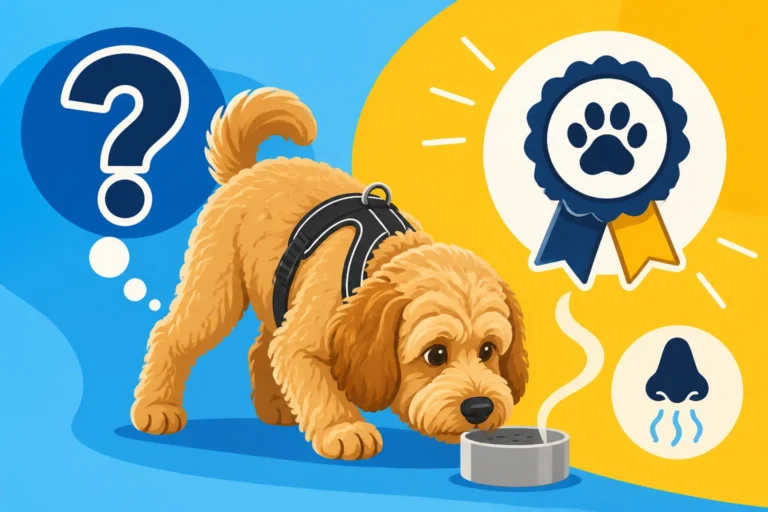
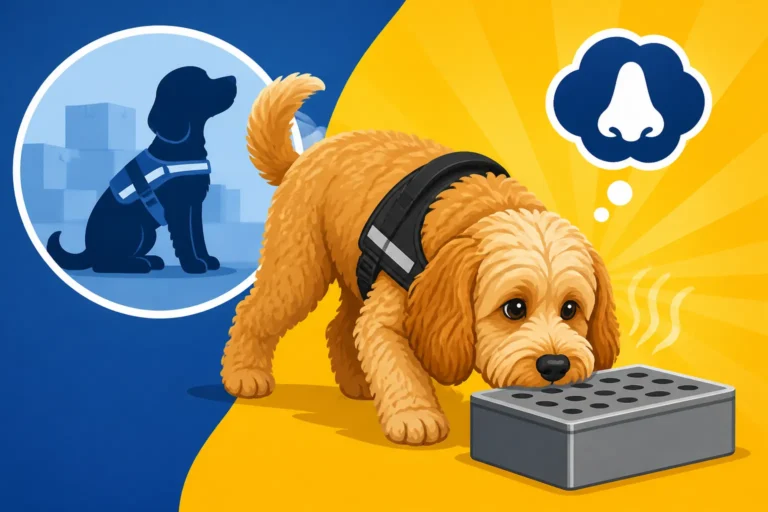
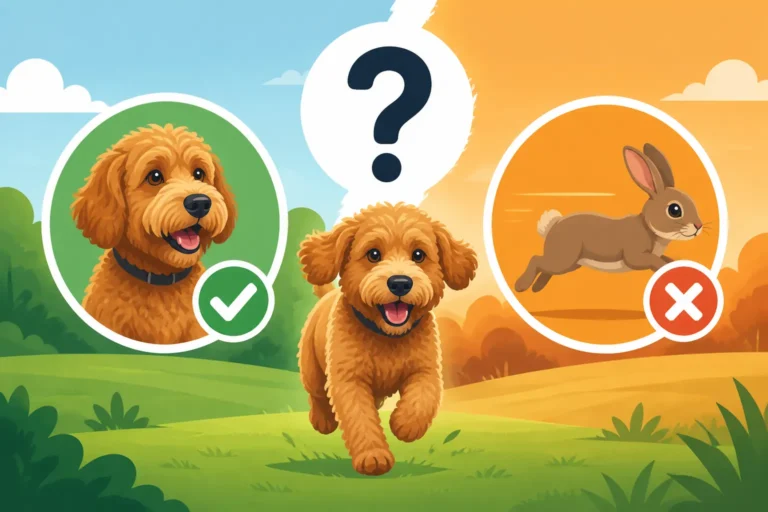
Let's face it, your Cockapoo is a delightful blend of two breeds known for their intelligence and activity. The Cocker Spaniel half brings a strong hunting instinct, particularly a keen nose for scenting and a natural desire to "flush" game. This means their world is often dominated by the incredible tapestry of smells around them – the faint trace of a rabbit that passed by hours ago, the intriguing aroma left by another dog, or the rich earthiness of a forest floor. When their nose is down, they are fully immersed in this sensory experience, often oblivious to anything else. They might adopt that distinctive "quartering" pattern, zigzagging across an open area, trying to pick up a trail, which is exactly Why a Cockapoo Quarters the Yard.
Then there's the Poodle influence, which adds an intelligent, often observant, and highly curious dimension. Poodles are smart, quick learners, and they pay attention to their environment. While not as purely scent-driven as a spaniel, they are certainly interested in visual stimuli – that rustling bush, the bird taking flight, or the distant movement of a person or another dog. When you combine these traits, you get a dog that is constantly processing a rich stream of information from their surroundings, making it incredibly easy for them to get deeply engrossed. It’s not defiance; it’s instinct and intense focus on something they find fascinating.
Why a Good Recall Isn't Always Enough
You might be thinking, "But my Cockapoo has a good recall! They come when I call them." And that's fantastic! A solid recall is absolutely vital for safety and is something every dog owner should strive for. However, a recall and a check-in serve slightly different purposes. A recall is typically an emergency command: "Come all the way back to me RIGHT NOW!" It's about bringing your dog out of a potentially dangerous situation or away from a strong distraction.
A check-in, on the other hand, is about maintaining continuous awareness and connection. It's not always about bringing them back to your side, but about ensuring they know where you are, acknowledge your presence, and re-orient themselves to you periodically. This ongoing engagement is crucial because while your Cockapoo might come when you shout "COME!" in a panic, you want them to be proactively looking to you for guidance and connection, even when there's no immediate danger. Without a regular check-in, even a dog with a good recall can wander farther than you'd like, becoming truly engrossed and potentially losing track of you or getting into mischief. A Cockapoo That Goes Deaf on a Trail because they’ve become so absorbed in their own world is a common scenario we want to prevent.
Building the Foundation for a Reliable Check-In
Training a reliable check-in isn't just about teaching a command; it's about building a strong relationship and making yourself consistently the most interesting thing on a walk, even amidst all the exciting smells and sights.
Making Yourself the Most Exciting Thing
This is the golden rule of recall and check-in training. In a world full of squirrels, fascinating scents, and other dogs, why should your Cockapoo bother to look at you? The answer lies in making you the source of all good things. This means consistently using high-value rewards. Forget dry kibble for outdoor training; think small, soft, super-tasty treats like cooked chicken, cheese, or specialized training treats. These are the "jackpots" that grab and hold their attention.
Consistency is also key. Every single time your Cockapoo offers even a fleeting glance your way, especially in a distracting environment, reward it! Shower them with enthusiastic praise, a happy voice, and that high-value treat. Your excitement is contagious. When you consistently pair looking at you with incredibly positive outcomes, your Cockapoo starts to associate you with joy and rewards, not just with calling them away from fun. Companies like BAXTER & Bella offer comprehensive online training programs that can guide you through these positive reinforcement techniques, providing structured lessons to help make you more engaging to your dog.
Introducing the "Check-In" Cue
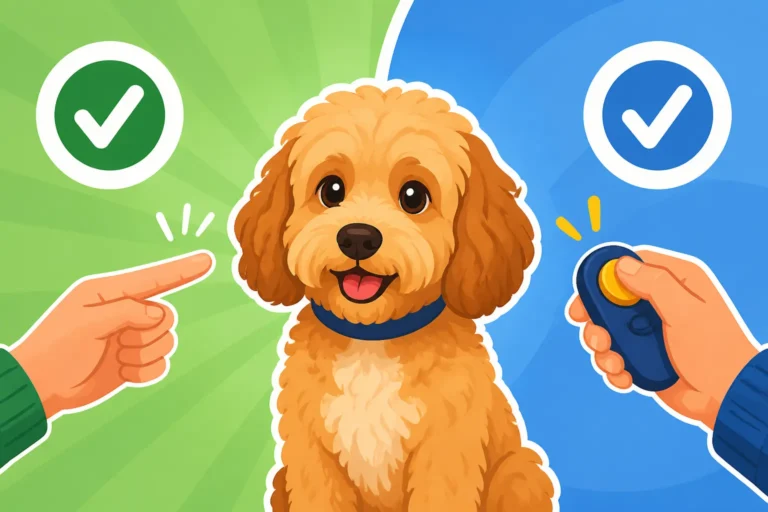
To make the check-in reliable, you need a specific, consistent cue. This could be a verbal word, a sound, or even a hand signal.
- Verbal Cue: Words like "Look!", "Focus!", or "Eyes!" are short, clear, and easy to say.
- Whistle Cue: A specific whistle pattern can be excellent, especially for longer distances or noisy environments, as it cuts through distractions. Whether a Whistle Recall Beats a Voice on a Cockapoo explores this further.
- Touch Cue: Teaching your Cockapoo to touch their nose to your hand can be a great check-in, especially for close-range engagement.
Start this training in a completely distraction-free environment, like your living room. Hold a high-value treat near your nose. As your Cockapoo looks at your face (even for a second!), immediately say your chosen cue (e.g., "Look!") and give them the treat. Repeat this many, many times. The goal is for them to associate the cue with looking at you and receiving a reward. Once they reliably look at you on cue indoors, you can gradually start fading the lure of the treat from your nose, eventually giving the treat after they've looked at you. Remember, the immediate reward is crucial in the early stages to build that strong association.
Practical Steps to Master the Check-In Outdoors
Once your Cockapoo understands the concept of checking in indoors, it's time to take that show on the road – but slowly and strategically.
Starting in Low-Distraction Environments
The transition from your quiet home to the bustling outdoors is significant. Don't jump straight to a busy dog park. Begin in your backyard or a very quiet park where distractions are minimal. The key here is to set your Cockapoo up for success, not failure.
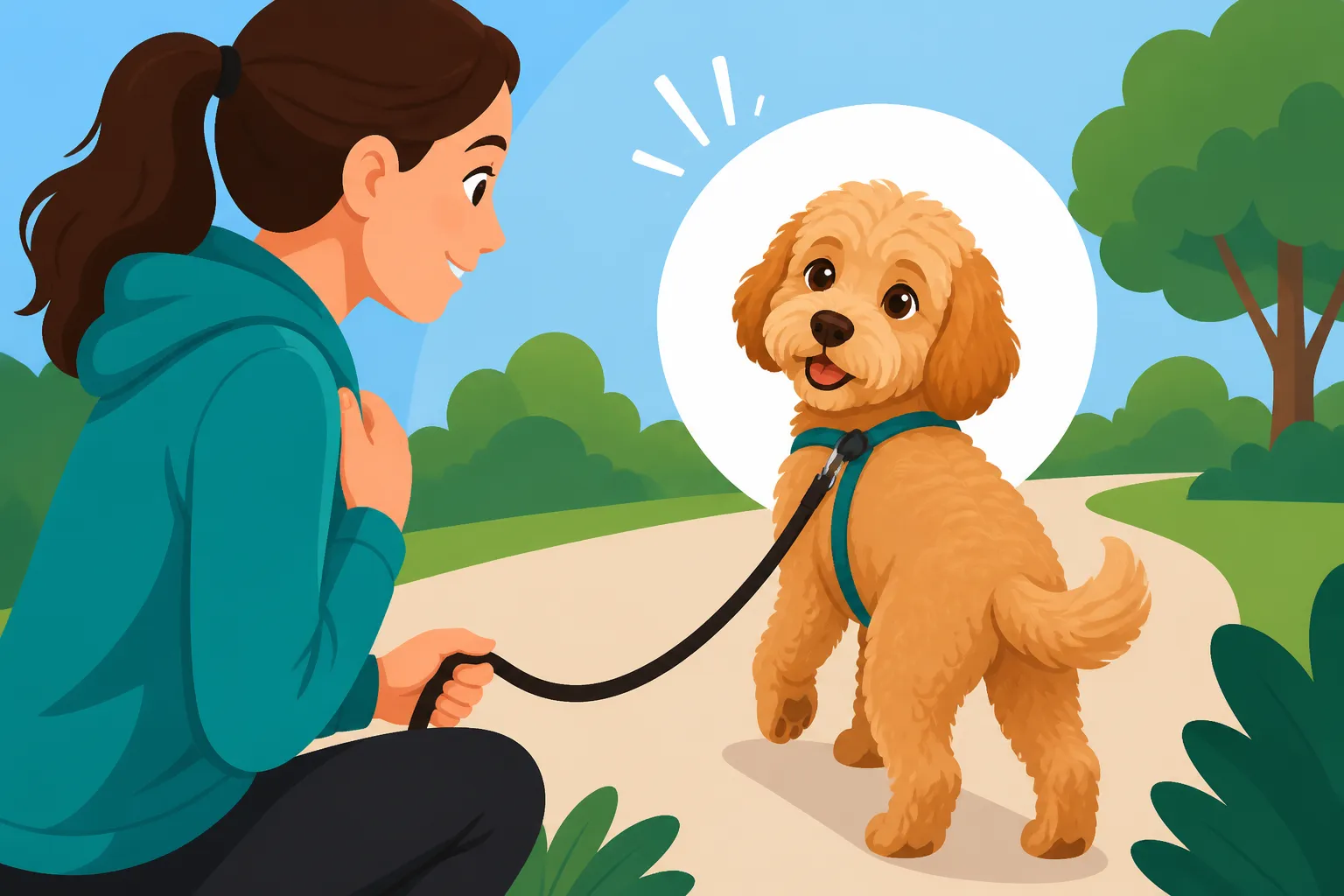
A long line is your best friend during this stage. A 15 to 30-foot leash, often made of biothane or nylon, allows your Cockapoo to explore and feel a sense of freedom while still giving you control and the ability to gently guide them if they get too distracted. You can find excellent quality long lines easily on Amazon. With your Cockapoo on the long line, allow them to wander a bit, sniff around, and explore. Then, at random intervals, use your check-in cue. The moment they glance your way, mark it with a verbal "Yes!" and immediately reward them with a high-value treat. If they don't respond, give a gentle tug on the long line while repeating the cue to re-engage them, then reward when they look. Practice this frequently in short, positive sessions. These sessions are perfect for Building a Recall a Cockapoo Answers.
Increasing Distraction Levels Gradually
As your Cockapoo consistently checks in reliably in low-distraction areas, you can slowly, incrementally increase the level of distraction. This might mean moving to a slightly busier park, walking near a quiet road, or practicing when another calm dog is at a distance.
Vary your rewards to keep things interesting. Sometimes it's a treat, sometimes it's a quick game of tug with a favorite toy, sometimes it's just enthusiastic praise and a belly rub. The "surprise element" is powerful: sometimes call for a check-in, sometimes simply reward them when they offer one unprompted. This encourages them to be more aware of your presence naturally. Carrying treats and toys conveniently is a must, so a good training pouch that attaches to your belt (many options available on Amazon) is incredibly useful. This ensures you can reward instantly, which is vital for effective training. Working a Cockapoo on a Long Line is crucial here; don't move to off-leash too soon.
Addressing Common Challenges
Even with the best intentions, you’ll likely encounter some common hurdles.
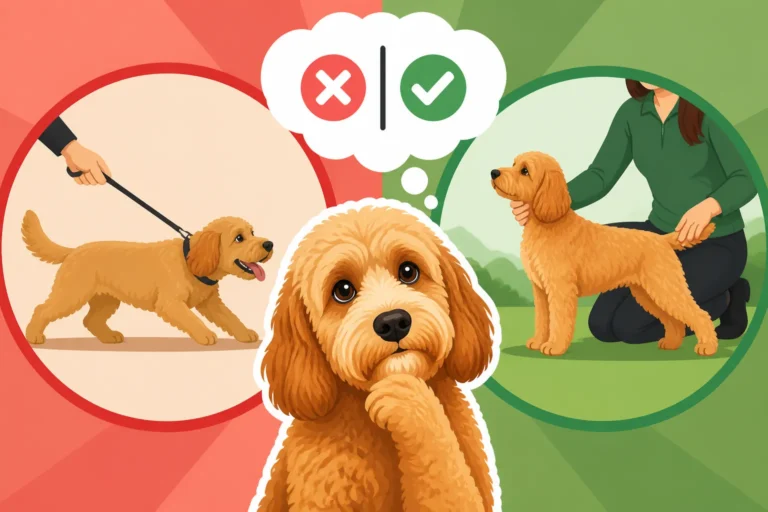
The "Deaf Cockapoo": This is when your Cockapoo seems to completely zone out, nose to the ground, ears closed. If you give your check-in cue and get no response, resist the urge to repeat it over and over. This just teaches them that your words are optional. Instead, gently reel them in with the long line, or, if safe, turn and walk in the opposite direction. Often, the sudden movement away will break their focus and cause them to look for you. The moment they look, then give your cue and reward generously. You’re teaching them that ignoring you leads to missing out or a change in their fun, while checking in leads to rewards.
Over-excitement: Sometimes a Cockapoo will check in, but they're so revved up by the environment that they can't actually focus. In these cases, it’s not about ignoring you, but being too stimulated. Work on relaxation techniques during walks, rewarding calm behavior. If they check in but are bouncing off the walls, try to get a few seconds of calm focus before rewarding. If necessary, move to a quieter area until they can compose themselves.
Inconsistency: Training is not linear. There will be days your Cockapoo is a superstar, and days they seem to have forgotten everything. Don't get discouraged! Revisit easier environments, reinforce the basics, and remember that real-world proofing takes time and repetition across many different scenarios. Keep those rewards high-value and your attitude positive.
Advanced Strategies and Long-Term Success
Once your Cockapoo is reliably checking in during walks, you can refine the behavior and integrate it more deeply into your daily routine.
Incorporating Games into Walks
Make checking in part of the fun, not just a chore. Turn it into a game!
- Hide-and-Seek: If you're in a safe, fenced area or using a long line, occasionally duck behind a tree or bush when your Cockapoo isn't looking. When they realize you're "gone," they'll usually start looking for you. The moment they make eye contact, call them to you for a big reward. This builds their awareness of your location.
- "Find It": After a successful check-in, toss a handful of treats into the grass near you and tell them "Find it!" This rewards them for coming close and then allows them to use their nose in a way that keeps them near you. Scent Games a Cockapoo Never Tires Of are excellent for mental stimulation and bonding.
- Retrieve: If your Cockapoo loves to fetch, use a quick game of retrieve as a reward for a check-in. Toss a ball or toy a short distance after they've looked at you. This combines their natural play drive with your training. Teaching a Cockapoo to Bring the Ball Back helps strengthen this bond.
These games make you an integral part of their outdoor adventures, reinforcing the idea that good things happen when they pay attention to you.
When to Use a Long Line or Leash
Safety should always be your top priority. While the goal is often off-leash freedom, it's crucial to be realistic about when and where that is appropriate.
- Long Line for Practice: Continue to use a long line in any new or highly distracting environment where you're not 100% confident in your Cockapoo's check-in. It's a safety net that prevents them from practicing running off and ignoring you. How Long a Long Line a Cockapoo Needs will depend on the environment, but starting with 15-30 feet is generally a good idea.
- Leash for Crowded Areas: In urban environments, near roads, or in crowded parks, a standard leash is non-negotiable for their safety and the safety of others.
- Off-Leash in Controlled Environments: Only consider off-leash time in truly safe, fenced areas or very quiet, familiar trails where you can see far ahead and there are no immediate hazards. Even then, start with short bursts and increase duration as confidence grows. Always be prepared to go back to the long line if their check-in falters. Remember, Whether a Cockapoo Is Safe Off Leash on Open Ground is a big question that depends entirely on individual training and environment.
| Training Tool | Purpose | Pros | Cons |
|---|---|---|---|
| Long Line | Gradual off-leash prep, safety net | Freedom for exploration, safe control | Can get tangled, requires space, need to monitor dog |
| Standard Leash | Immediate control, crowded areas, safety | Full control, quick reactions | Limits exploration, less freedom for dog |
| Whistle | Long-distance cue, cuts through noise | Distinct, often better than voice at range | Requires consistent practice, can be lost |
| High-Value Treats | Motivation, positive association | Highly effective, strong reinforcer | Can be messy, needs to be consistently high-value |
The Role of a Consistent Routine
Like any behavior, the check-in needs consistent reinforcement to remain strong. Make it a regular part of every walk, not just when you remember.
- Involve Everyone: Ensure everyone who walks your Cockapoo uses the same cue and rewards consistently. This prevents confusion and strengthens the behavior.
- Random Rewards: Don't just reward when you call. Reward spontaneous check-ins too! If your Cockapoo glances back at you on their own, that's pure gold – celebrate it!
- Manage Expectations: Your Cockapoo has those strong spaniel instincts to follow scents and the poodle's keen intelligence to explore. You're building a partnership and enhancing communication, not extinguishing their natural drives. A perfectly behaved robot isn't the goal; a happy, engaged, and responsive companion is. Continue to explore activities like Scent Work That Satisfies a Cockapoo to provide an outlet for their natural instincts in a structured, engaging way.
Teaching your Cockapoo to check in on a walk transforms your outings from a potential struggle into a truly collaborative adventure. It’s about building trust, reinforcing your bond, and ensuring that no matter how exciting the world gets, your Cockapoo always knows where their best friend is.
Disclaimer
This article is for general informational purposes only and does not constitute professional advice. Laws, prices and regulations vary by location and change over time. Consult a qualified professional for guidance on your specific situation.