Whether a Cockapoo Pulls Toward Hedgerows
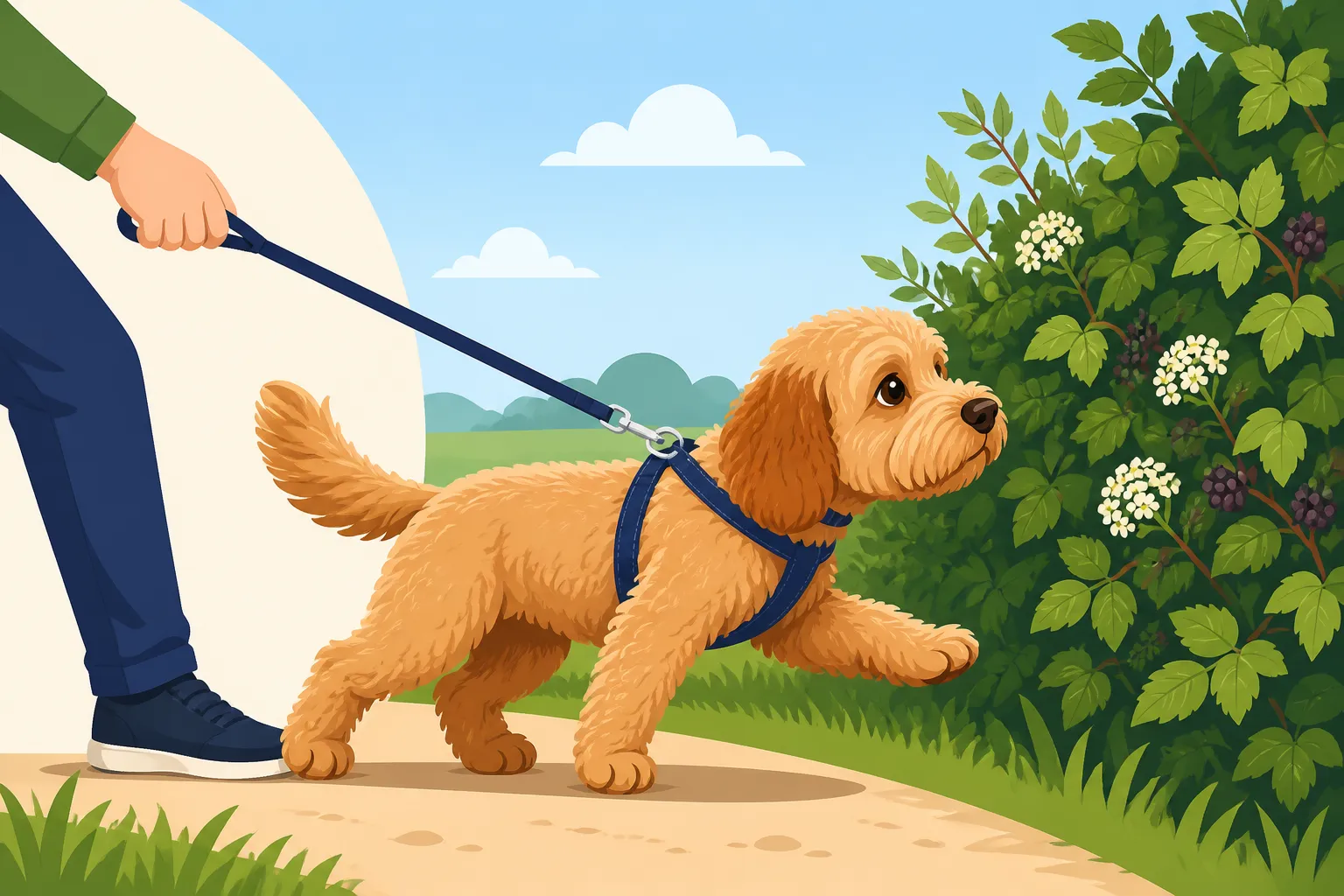
It's incredibly frustrating when you're trying to enjoy a peaceful walk with your beloved Cockapoo, only to have them suddenly transform into a determined sled dog, dragging you towards the nearest hedgerow, nose to the ground. This common behavior, while endearing in its enthusiasm, can quickly become a safety hazard and a real test of patience. This guide is here to unravel why your Cockapoo becomes so fixated on those leafy green borders and, more importantly, to equip you with practical, empathetic strategies to manage and redirect that powerful natural instinct, making your walks more enjoyable for both of you.
Understanding Your Cockapoo's Instinct to Explore Hedgerows
When your Cockapoo pulls towards a hedgerow, it's not simply being disobedient or trying to annoy you. It's following a deeply ingrained set of instincts that are a core part of its genetic makeup. Understanding these drives is the first step toward managing them effectively.
The Scent-Driven World of Your Cockapoo
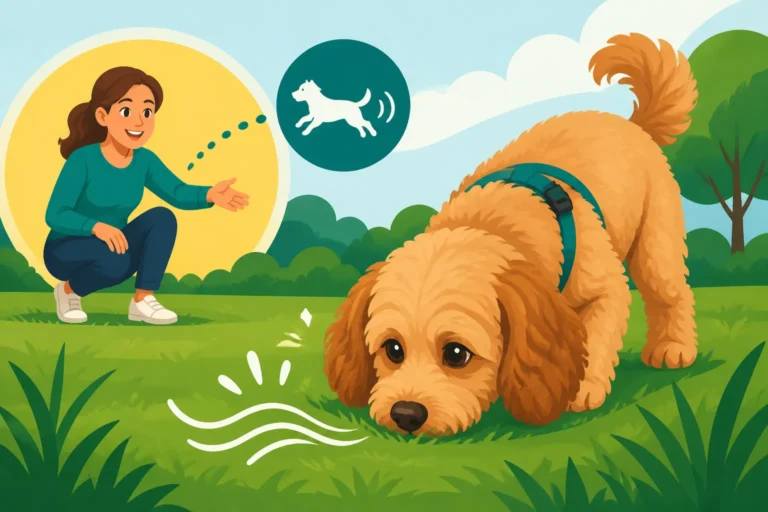
For us humans, our world is largely visual. We take in our surroundings with our eyes, recognizing landmarks, faces, and paths. For a dog, especially a Cockapoo, the world is a symphony of scents. Every blade of grass, every patch of soil, and especially every hedgerow is a rich tapestry of information, like a newspaper reporting the day's events. Hedgerows, with their dense vegetation, act as natural highways and hiding places for small animals, depositing an endless array of fascinating odors. Think of it from their perspective: they're not just looking at a hedge; they're reading the intricate story of who has passed by, what they ate, where they're going, and what they left behind. It's an incredibly stimulating and rewarding experience for them, and trying to pull them away from it often feels like interrupting a thrilling book. This intense focus on scent can sometimes make them seem to go Whether a Cockapoo Ignores You Once It Scents Something, completely tuning you out.
Inherited Traits from Cocker Spaniels
The Cocker Spaniel side of your Cockapoo brings a strong heritage of working in the field, specifically as flushing dogs. Their job was to dive into dense cover, like hedgerows and bushes, to "flush out" birds and small game for hunters. This isn't just a learned behavior; it's hardwired into their DNA. They possess an incredible drive to explore, to root around, and to follow a scent trail with single-minded determination. Even generations removed from their working ancestors, this "flushing drive" is still very much alive in many Cockapoos. They excel at using their noses to navigate complex environments, and a hedgerow offers the perfect opportunity to exercise these ancient skills. When they hit that compelling scent, that deep-seated instinct kicks in, overriding almost everything else. You might notice this drive manifesting as The Flushing Drive Still Alive in a Cockapoo even in your own backyard.
The Poodle's Intelligence and Curiosity
While the Cocker Spaniel provides the scent drive, the Poodle contributes an often underestimated layer of intelligence and boundless curiosity. Poodles are incredibly smart dogs, known for their problem-solving abilities and eagerness to learn. This means your Cockapoo isn't just blindly following a scent; they're actively investigating, piecing together clues, and enjoying the mental challenge of deciphering the olfactory messages within the hedgerow. They love to explore and understand their environment, and a hedgerow presents an intricate puzzle to solve. This combination of Poodle intelligence and Cocker Spaniel scent drive makes them formidable explorers, meaning they're not easily deterred once their interest is piqued. Their bright minds mean they also pick up on patterns quickly, including what actions lead to them getting closer to those irresistible smells.
The Challenges of Hedgerow Pulling on Walks
While a dog's natural instincts are wonderful, when they manifest as determined pulling towards every hedgerow, it can create several real-world problems for owners. It's more than just an inconvenience; it can genuinely impact the quality and safety of your daily outings.
Safety Concerns Near Busy Areas
One of the most pressing issues with a Cockapoo that habitually pulls towards hedgerows is the potential safety risk. If you're walking near a road, a bike path, or any area with moving traffic, a sudden, powerful lunge can have serious consequences. A strong pull could jerk the leash from your hand, causing your dog to run into danger. Even if you maintain your grip, your dog could dart into the path of a cyclist or pedestrian, causing an accident. Furthermore, hedgerows can sometimes hide less desirable things—broken glass, discarded litter, or even toxic plants—which your curious Cockapoo might try to investigate or ingest. It's a constant worry for owners, knowing that one moment of intense scent focus could lead to an emergency. This is why having a reliable Recall on a Cockapoo That Has Found a Scent is so crucial.
Frustration for Both Dog and Owner
Let's be honest, walks are meant to be enjoyable for both of you. When your dog is constantly pulling, it turns what should be a relaxing stroll into a tense tug-of-war. For you, it's physically demanding, uncomfortable, and frankly, takes all the joy out of the experience. You might start dreading walks, cutting them short, or avoiding certain routes entirely, which isn't fair to your dog. From your Cockapoo's perspective, they're likely feeling frustrated too. They want to explore and follow those amazing scents, but they're being constantly yanked back, unable to complete their "investigation." This can lead to a cycle of frustration where your dog pulls harder, and you pull back more firmly, creating a stressful rather than bonding experience. It feels like a constant battle of wills, and nobody wins.
Potential for Distraction and Bolting
A Cockapoo engrossed in a hedgerow scent becomes highly distracted from its surroundings and, more importantly, from you. This single-minded focus means they might not notice approaching cars, other dogs, or even your commands. If something startling happens nearby while they're deeply engaged, their instinct might be to bolt in the direction they were already pulling, or in a completely different direction out of fear. This can be terrifying, especially if you're in an unfamiliar area. It highlights the importance of not just managing the pulling, but also ensuring your dog maintains an awareness of you and their environment, even when exciting smells are present. Without proper training, this can escalate, leaving you to wonder Whether a Cockapoo Needs a GPS Collar just in case.
Practical Strategies to Manage and Prevent Pulling
Successfully managing your Cockapoo's hedgerow pulling requires a multi-faceted approach, combining the right tools with consistent training and a good dose of patience. Remember, you're working with innate drives, not trying to extinguish them entirely, but rather to channel them appropriately.
Equipment That Makes a Difference
Using the right equipment can dramatically improve your control and your dog's comfort on walks, making it easier to teach them polite leash manners.
- Front-Clip Harnesses: These are often a game-changer for pullers. Unlike traditional harnesses or collars that put pressure on the throat or chest when a dog pulls, a front-clip harness redirects your dog's momentum. When they pull, the leash attachment point on their chest causes them to turn back towards you, making it physically harder and less rewarding for them to pull forward. Many popular brands offer effective front-clip designs. You can find a good selection of these on platforms like Amazon, allowing you to compare features and reviews.
- Head Halters: For some dogs, especially stronger pullers or those with sensitive necks, a head halter can be an excellent option. It works much like a horse's halter, giving you control over the dog's head, and where the head goes, the body often follows. It takes some time for dogs to get used to, so introduce it gradually with positive reinforcement. It's a training tool, not a muzzle, and should be fitted and used correctly.
- Long Lines: While not for preventing pulling directly, a long line (a lead ranging from 15 to 50 feet) is invaluable for giving your Cockapoo a sense of freedom and a chance to explore scents in a safe, controlled environment. In a secure park or field away from hazards, you can let them investigate those interesting smells on a long line. This allows them to satisfy their natural instincts without developing bad pulling habits on a regular leash. It also provides an excellent opportunity to practice Building a Recall a Cockapoo Answers in a real-world setting, knowing you still have a physical connection. Again, Amazon is a great place to browse various lengths and materials.
When you're first getting started, choose a quiet area where distractions are minimal. Introduce the new equipment with treats and praise, making it a positive experience.
Building a Solid "Leave It" and "Come" Command
These two commands are your superpowers against hedgerow fixation. Mastering them will give you the ability to interrupt your dog's intense focus and redirect their attention back to you.
- "Leave It": Start practicing "leave it" in a low-distraction environment. Place a tempting treat on the floor, cover it with your hand, and say "leave it." When your dog looks at you, even for a second, praise them enthusiastically and give them a different treat from your hand. Gradually increase the difficulty by uncovering the treat, then placing it further away, always rewarding them for disengaging and looking at you. This isn't about denying them, but teaching them that ignoring a distraction leads to an even better reward from you. Once they're proficient indoors, practice outside with less interesting items, slowly building up to the lure of a hedgerow.
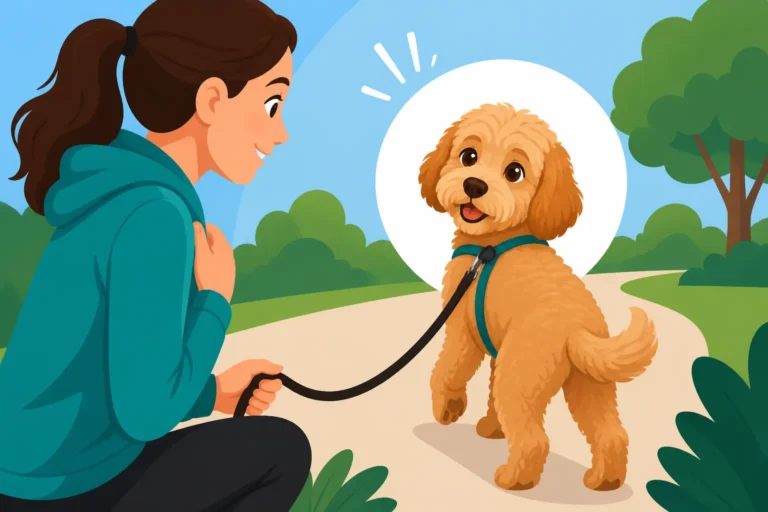
- "Come" (Recall): A rock-solid recall is paramount. Begin indoors by making "come" a fun, rewarding game. Get down to your dog's level, say "come" in a happy, inviting voice, and back away, encouraging them to run to you. When they do, reward them with high-value treats and enthusiastic praise, making it feel like they've won the lottery. Gradually introduce distractions and practice in increasingly challenging environments. For a Cockapoo, especially one with a strong scent drive, consistency is key. Consider using a whistle for your recall, as it can cut through distractions more effectively than your voice, something you can explore in Whether a Whistle Recall Beats a Voice on a Cockapoo. Remember, every time your dog comes when called, it strengthens the behavior. Never use "come" for something unpleasant, like a bath they dislike or leaving the park when they're having fun, or you'll erode their trust in the command.
Reinforcing Calm Walking Habits
Beyond specific commands, you need to actively teach your Cockapoo what good leash walking looks like.
- The "Tree" Method: When your Cockapoo starts to pull towards a hedgerow or anything else, simply stop moving. Become a "tree." Don't yank the leash or scold them. Just stand still. Wait until the leash slackens, even for a moment, and your dog looks back at you or eases the tension. As soon as that happens, praise them and start walking again. If they pull again, stop again. This teaches them that pulling doesn't get them to their desired destination; a loose leash does.
- Change Direction Frequently: Instead of letting your dog lead the way, frequently change direction. If they're fixated on a hedgerow to the left, unexpectedly turn right. This keeps them paying attention to you and prevents them from getting into a steady pull towards a particular target. Reward them with treats and praise when they follow your changes in direction.
- Reward Loose Leash Walking: Actively reward your Cockapoo for walking politely. Carry high-value treats and randomly reward them when they are walking nicely by your side, with a loose leash, even if they're not explicitly looking at you. This makes loose-leash walking a rewarding behavior in itself. Keep your rewards unpredictable, so they never know when the next treat will come, encouraging continuous good behavior. This consistent positive reinforcement is crucial for Teaching a Cockapoo to Check In on a Walk.
Structured Training Beyond the Walk
Sometimes, the best way to tackle on-leash pulling is to engage your Cockapoo's natural instincts in a more structured, appropriate way.
- Scent Work Games: Since your Cockapoo loves to use its nose, lean into it! Scent work games, where they have to find hidden treats or toys, are incredibly mentally stimulating and physically tiring. This allows them to fulfill their innate desire to track and forage in a way that is fun and controlled. You can buy starter scent kits or create your own with essential oils and boxes. There are many resources available, and you might find that Scent Work That Satisfies a Cockapoo is an ideal outlet for their energy. A well-exercised and mentally engaged dog is less likely to be completely overwhelmed by every scent on a walk.
- Obedience Classes: Enrolling in an obedience class, either in person or online, can provide invaluable structure and guidance. Platforms like BAXTER & Bella offer comprehensive online puppy and dog training programs that cover everything from basic commands to advanced loose-leash walking techniques. These programs can provide step-by-step instructions, video tutorials, and even personalized coaching to help you and your Cockapoo build a strong foundation of communication and control. Learning in a structured environment with other dogs can also help your Cockapoo learn to focus on you amidst distractions. The First Week With a Cockapoo Puppy is a great time to start thinking about these foundations.
- "Sniffy Walks": Designate specific times or locations for "sniffy walks" where your dog is allowed, within safe limits, to explore scents to their heart's content. This isn't free-for-all pulling, but a walk where you actively encourage them to sniff and investigate, perhaps on a long line in a safe, quiet area. By giving them dedicated time to fulfill their natural drives, you might find they are less desperate to pull towards every hedgerow during your more structured, heel-focused walks. This balances their needs with your need for control.
| Training Tool | Best Use Case | Pros | Cons |
|---|---|---|---|
| Flat Collar & Leash | Basic identification, experienced loose-leash walkers | Simple, lightweight | No pull control, can cause neck strain |
| Front-Clip Harness | Mild to moderate pullers, general walking | Redirects pulling, less neck strain | Can sometimes tangle legs, less direct control than head halter |
| Head Halter | Strong pullers, dogs needing precise head control | Excellent control, prevents pulling effectively | Requires desensitization, some dogs dislike it |
| Long Line | Practicing recall, controlled exploration in safe areas | Allows freedom to sniff/roam, builds recall | Can get tangled, requires large open space |
| Treat Pouch | Positive reinforcement for all training | Keeps treats accessible, hands-free | None |
When to Seek Professional Guidance
Sometimes, despite your best efforts, certain behaviors can feel overwhelming or simply not improve. There's absolutely no shame in reaching out for professional help. In fact, it's a sign of a truly dedicated pet parent.
Identifying Persistent Pulling Behaviors
If you've consistently applied the strategies above for several weeks or months, using appropriate equipment and high-value rewards, but your Cockapoo continues to pull relentlessly towards every hedgerow, it might be time for a professional opinion. Persistent pulling can indicate that either your technique needs refinement, there's a specific trigger you're missing, or your dog needs a more tailored approach due to a particularly strong prey drive or high energy levels. You might notice that your attempts to Working a Cockapoo on a Long Line are still ending with them at the far end, completely ignoring you. Also, if the pulling is accompanied by excessive barking, lunging at other dogs, or displaying significant anxiety, a professional can help differentiate between typical instinctual behavior and underlying behavioral issues that need addressing.
Finding a Trainer Specializing in Scent-Driven Breeds
When looking for professional help, it's often beneficial to seek out a dog trainer who has experience with scent-driven breeds like Cocker Spaniels or Poodles, or indeed, other "Doodle" mixes. These trainers understand the unique motivations behind your Cockapoo's behavior and can offer specialized techniques that respect their instincts while still teaching control. Look for trainers who use positive reinforcement methods, focusing on rewarding desired behaviors rather than punishing unwanted ones. They might introduce advanced recall drills, specific impulse control exercises, or even guide you through more structured scent work that your Cockapoo will find incredibly fulfilling. A good trainer will observe you and your dog, identify the root causes of the pulling, and create a personalized training plan that fits your lifestyle and your Cockapoo's individual personality. They can help you unlock your Cockapoo's full potential, transforming frustrating walks into joyful adventures for both of you.
Disclaimer
This article is for general informational purposes only and does not constitute professional advice. Laws, prices and regulations vary by location and change over time. Consult a qualified professional for guidance on your specific situation.