Whether a Cockapoo Comes Back From a Rabbit
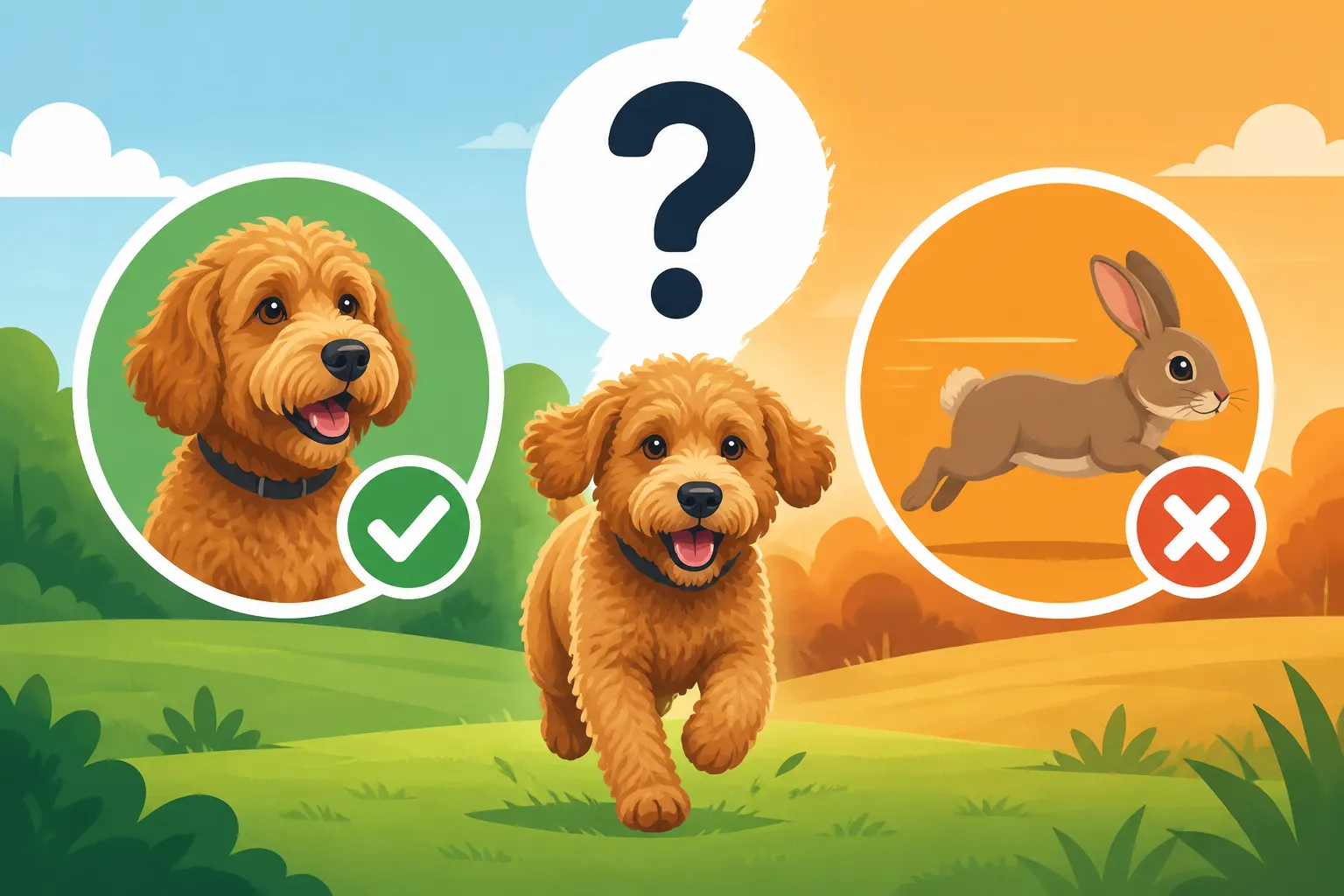
It’s a heart-stopping moment many Cockapoo owners dread: you’re out on a walk, enjoying the fresh air, and suddenly, a rabbit darts across the path. Before you can even utter a command, your sweet, attentive Cockapoo transforms into a blur of fur and pure, unadulterated chase drive. The big question then becomes, will they ever come back? This guide delves into the fascinating and sometimes frustrating reality of a Cockapoo's prey drive, exploring why rabbits are so irresistible and how you can build a recall that stands a fighting chance against that powerful instinct.
Understanding the Cockapoo's Prey Drive
The Cockapoo, delightful as they are, carries a strong genetic legacy from both sides of their family tree, and that includes an innate instinct to chase. It’s not a flaw in their personality; it’s a deep-seated part of who they are, honed over generations. Understanding these origins is the first step in managing that drive effectively.
The Cocker Spaniel's Legacy: Flushing and Scent Work
On the Cocker Spaniel side, you have a breed specifically developed for hunting. Their job, historically, was to "flush" game – birds, rabbits, squirrels – out of dense cover for hunters. This means they are naturally inclined to quarter the ground, sniffing out scents, and then, upon discovery, to pursue with enthusiasm. This isn't about killing the prey; it's about the thrill of the chase, the rush of working with their nose, and the sudden burst of adrenaline. A Cocker Spaniel will dive into a bush, follow a scent trail with intense focus, and can often appear deaf to the world once that primal switch is flipped. This inherent drive for tracking and flushing is a major component of a Cockapoo's genetic makeup, explaining why a sudden flash of movement or a fresh scent can be so utterly captivating. The Flushing Drive Still Alive in a Cockapoo elaborates on this.
The Poodle's Contribution: Intelligence and Drive
Now, let's not forget the Poodle. While often seen as sophisticated show dogs or pampered companions, Poodles were originally bred as water retrievers, tasked with fetching downed game for hunters. This role required immense intelligence, focus, and a strong work ethic. They needed to be biddable and responsive, even in distracting environments. While their prey drive might manifest differently from a Cocker's flushing instinct, they possess a keen intelligence and a drive to work that can be channeled into pursuit. When you combine the Cocker's scent-driven, flushing passion with the Poodle's intelligent, focused drive, you get a Cockapoo that is not only highly capable of spotting and chasing but also smart enough to figure out how to outmaneuver you to get to that exciting rabbit. This intelligence, while wonderful for training many things, can make them incredibly adept at ignoring you when something more "interesting" presents itself.
Individual Variations: Not Every Cockapoo Is the Same
It's crucial to remember that not all Cockapoos are created equal. Just like people, they have individual personalities and varying degrees of inherited traits. Some Cockapoos will have a more pronounced Cocker-like drive, obsessed with every rustle in the bushes, while others might lean more towards their Poodle heritage, showing strong intelligence but perhaps a slightly less frantic chase instinct. The specific lineage, the temperament of the parent dogs, and even the individual puppy's experiences during critical developmental periods can all influence the strength of their prey drive. It's really about getting to know your Cockapoo and understanding their unique blend of these ancestral traits. Some might be easily distracted by a fluttering leaf, while others will fixate solely on a real, live rabbit. Whether a Working Cocker Line Shows in a Cockapoo can offer more insights into how parentage affects drive.
The Thrill of the Chase: Why Rabbits are Irresistible
When a Cockapoo spots a rabbit, it's not just "oh, a rabbit." It's an explosion of sensory input that triggers deeply ingrained behaviors. For them, it’s not about being disobedient; it’s about responding to a powerful, primal call that is almost impossible to ignore without extensive, dedicated training.
Instinct Over Training: The Biological Imperative
Imagine your favorite comfort food being placed in front of you after a long, hungry day. Your training in polite table manners might kick in, but that primal urge to eat is incredibly strong. For a Cockapoo, a rabbit is many times more powerful than that. The sudden movement, the unique scent, the instinct to pursue—these are all hardwired survival mechanisms that have been passed down through generations. In that split second, the biological imperative to chase often overrides months or even years of polite recall training. Your dog isn't being stubborn; their brain is flooded with dopamine, adrenaline, and an ancient program telling them, "GO! CHASE!" It’s a profound internal battle, and instinct often has the upper paw.
The Sensory Experience: Sight, Scent, and Sound
Rabbits are masters of engaging a dog's senses. Visually, their darting, erratic movements are designed to trigger a predator's chase response. The sheer speed and unpredictability are exciting. Then there's the scent – rabbits leave a distinct odor that can act like a siren call to a dog with a strong nose. Your Cockapoo's keen sense of smell, inherited from both parent breeds, can pick up a rabbit's trail even if it's long gone from sight. And finally, the sound. The rustle in the undergrowth, the thud of tiny paws, or even the startled squeak of a rabbit can be enough to ignite that chase response. All these sensory inputs combine to create an overwhelming experience that makes a rabbit a truly irresistible target for a Cockapoo.
The Distance Dilemma: How Far Is Too Far?
This is where the real worry sets in. Once a Cockapoo starts chasing, how far will they go? The answer is: as far as the rabbit leads them, or until they lose the scent, or until something else equally distracting intervenes. For a dog completely engrossed in the chase, spatial awareness and environmental hazards often become secondary. They might cross roads, run through unfamiliar yards, or get tangled in dense woods, all while focused solely on their quarry. This "tunnel vision" is incredibly dangerous, and it’s why a reliable recall is not just a convenience, but a life-saving command. You can read more about Whether a Cockapoo Ignores You Once It Scents Something in our detailed post.
Building a Bulletproof Recall
Given the powerful instincts at play, aiming for a "bulletproof" recall in every single situation, especially when a rabbit is involved, can feel like an impossible dream. But it's absolutely worth putting in the work to maximize your chances. Consistency, high-value rewards, and smart training practices are your best allies.
Starting Early and Staying Consistent: The Foundation of Recall
Recall training should start the moment your Cockapoo puppy comes home. Begin in a low-distraction environment, like your living room or a secure backyard. Use a happy, inviting tone and a consistent command like "Come!" or "Here!" When your puppy comes, reward them lavishly with a tiny, delicious treat and enthusiastic praise. Make coming to you the most wonderful thing in their world. Gradually introduce mild distractions, always setting your dog up for success.
Consistency is key. Every time you call your dog, you want them to respond. If you call them repeatedly when you know they won't come, you're essentially training them to ignore you. Many new owners find online courses like those offered by BAXTER & Bella incredibly helpful for structured, consistent training from puppyhood right through adolescence. They break down complex behaviors like recall into manageable steps, making it easier to stay on track. This early foundation builds a positive association with the recall command, making it a habit rather than a chore. What a Cockapoo Puppy Should Learn First offers more tips for early training.
High-Value Rewards: Making You More Interesting Than the Rabbit
Let's be honest, a regular kibble piece isn't going to cut it when a live rabbit is involved. To compete with the thrill of the chase, you need to offer something truly irresistible. Think small pieces of cooked chicken, cheese, hot dogs, or specialty soft treats. The reward needs to be so good that your Cockapoo genuinely thinks, "Wow, coming back to my human is even better than chasing that thing!"
Vary your rewards too. Sometimes it's food, sometimes it's a quick game of tug with a favorite toy, or even just a super excited "Good job!" and a belly rub. The key is to make yourself the source of all things amazing and exciting. Carry these high-value treats on every walk. Don't just use them when calling your dog back from a distraction; randomly reward them for checking in with you, even if you haven't called them. This builds a strong "paycheck" for their attention. Whether a Cockapoo Works Harder for Scent Than Food might give you ideas on what motivates your dog.
Practicing in Varied Environments: Proofing Your Recall
Once your Cockapoo has a solid recall in a quiet environment, you need to "proof" it by gradually increasing distractions and changing locations. Start in a fenced park with a few other dogs, then move to areas with more people, and eventually, places where you might encounter wildlife from a safe distance. Always keep your dog on a long line during these training sessions so you can enforce the recall if needed, preventing them from self-rewarding by chasing.
Remember to make yourself exciting! Run away from your dog when you call them (in a safe area), make silly noises, and praise them enthusiastically when they return. The goal is to make coming back to you a fun, engaging game, not a chore that ends the fun.
Emergency Recall: A Life-Saving Command
Beyond your everyday recall, it's wise to establish an "emergency recall." This is a completely separate command (e.g., "Front!" or a distinct whistle sound) that you use only for dire situations when you absolutely need your dog back, no questions asked. This command should be reserved for those critical moments, and it should always be associated with the absolute highest value rewards you can imagine.
Train it frequently in low-stakes environments but never abuse it. If you call your dog with your emergency command and they don't come, you've devalued it. This command is your last resort, your nuclear option, and its power lies in its rarity and the overwhelming positive association it carries. You can learn more about Building a Recall a Cockapoo Answers in our in-depth article.
Managing Risk and Preventing Escapes
Even with the best training, instinct can sometimes win. That's why managing the environment and using appropriate tools are critical components of responsible Cockapoo ownership, especially when rabbits are present.
Long Lines and Secured Areas: Tools for Safe Exploration
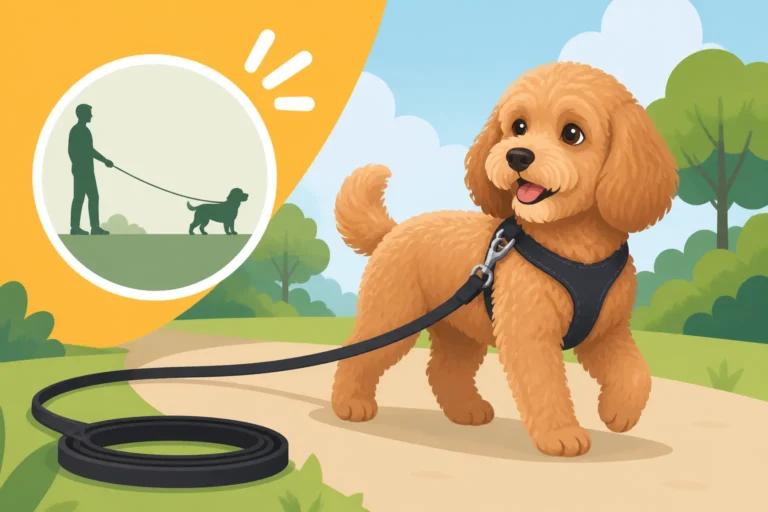
One of the best ways to allow your Cockapoo to explore and burn energy while still ensuring their safety is through the use of a long line. These can range from 15 to 50 feet and allow your dog a much greater radius for sniffing and running without the risk of them bolting after a rabbit into danger. Always attach a long line to a well-fitting harness, never directly to a collar, to prevent injury if they hit the end of the line at speed. You can find a wide variety of durable long lines and comfortable harnesses on Amazon, perfect for all sizes of Cockapoo.
When choosing walking spots, prioritize securely fenced areas. Dog parks, private dog fields, or even your own well-fenced yard are ideal. However, remember that some Cockapoos are surprisingly good jumpers or diggers, so regularly inspect your fences for weak spots. If you live in an area with a high rabbit population, a secure perimeter is non-negotiable. How Long a Long Line a Cockapoo Needs is a great resource if you're exploring this option.
Here’s a quick overview of useful tools for managing prey drive:
| Tool | Purpose | Best Used For | Key Benefit |
|---|---|---|---|
| Long Line | Allows extended exploration and practice of recall. | Open fields, parks, training in distracting environments. | Freedom with control, prevents accidental escapes. |
| Flirt Pole | Channels chase drive safely towards a toy. | Backyard exercise, mental stimulation, bonding. | Safe outlet for prey drive, high engagement. |
| Scent Games | Engages nose, provides mental stimulation. | Indoors or outdoors, enrichment, builds focus. | Satisfies natural instincts, less physical space. |
| High-Value Treats | Motivates return during recall training, competes with distractions. | All recall training, emergency recall, capturing attention. | Makes you more rewarding than the environment. |
| Secure Harness | Prevents escape from collar, distributes pulling force. | All walks, especially with long lines. | Comfort, safety, reduces risk of neck injury. |
Environmental Management: Knowing Your Walk Routes
Be strategic about where and when you walk your Cockapoo. If you know a particular area is teeming with rabbits (early morning or dusk are prime rabbit times!), consider a different route or keep your dog on a leash, even if they normally have good recall. Observe your surroundings constantly. If you see a rabbit, even in the distance, quickly get your dog's attention, reward them, and redirect them before they even notice the rabbit. This is called "management" – preventing the opportunity for the chase to begin.
It's also about knowing your dog's triggers. Does your Cockapoo primarily chase by sight, or are they more scent-driven? If it's sight, avoid open fields with tall grass where rabbits might suddenly appear. If it's scent, consider walking on paved paths more often, or in areas where rabbit scent isn't as prevalent.
Alternative Outlets: Channeling Prey Drive Positively
You can’t eradicate a Cockapoo’s prey drive, but you can channel it into acceptable, safe activities. This is where enrichment comes in.
- Scent Work: This is a fantastic way to engage your Cockapoo's natural sniffing abilities without the destructive chase. Hide treats around the house or yard and encourage them to find them. Enroll in a formal scent work class. Activities like Barn Hunt are also gaining popularity and are perfect for a Cockapoo's natural talents. Scent Work That Satisfies a Cockapoo provides many ideas.
- Flirt Pole: This is like a giant cat toy for dogs. It's a long pole with a lure (often a fake fur toy) attached to a rope. You drag the lure on the ground, mimicking prey, and let your dog chase and "catch" it. It's an excellent way to safely satisfy their chase instinct in a controlled environment.
- Structured Play: Games like fetch, especially with a strong retrieve component, can help satisfy some of that drive. Teach them to bring the toy back consistently. This gives them a "job" that involves chasing and returning to you.
- Training Games: Make training itself a game. Practice rapid-fire recalls in the house, hiding from your dog and calling them, making it a fun "find me" game with huge rewards.
By providing regular, engaging outlets for their natural instincts, you can help reduce the intensity of their desire to chase actual wildlife, making them more receptive to your commands when it truly matters. It's about working with their nature, not against it.
Ultimately, while the instinct to chase a rabbit is incredibly strong in a Cockapoo, it doesn't mean all hope is lost for a reliable recall. It means being proactive, consistent, and always prioritizing their safety.
Disclaimer
This article is for general informational purposes only and does not constitute professional advice. Laws, prices and regulations vary by location and change over time. Consult a qualified professional for guidance on your specific situation.