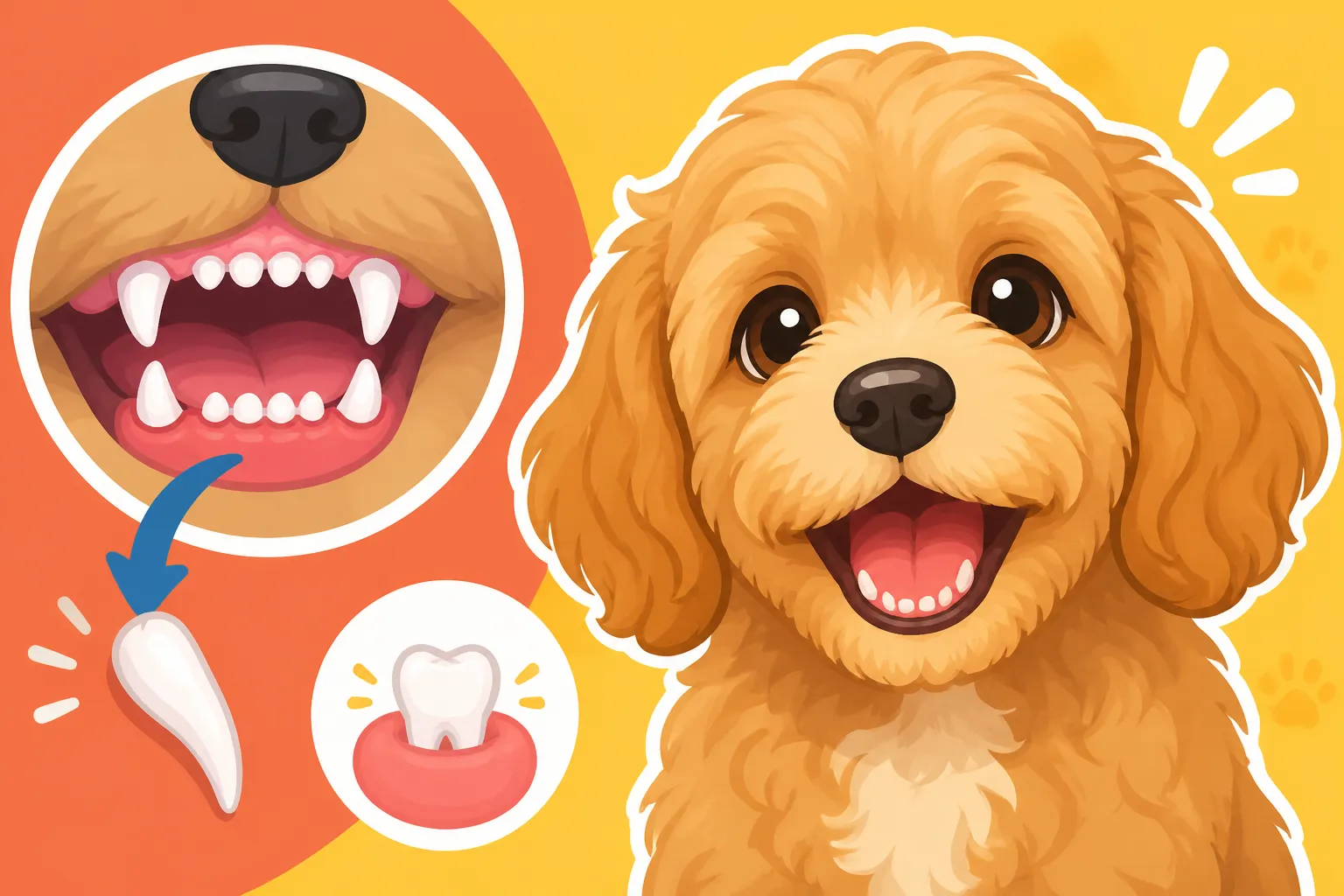
When a Cockapoo Puppy’s Needle Teeth Go
There’s almost nothing more endearing than a Cockapoo puppy, all fluff and wagging tail, but those tiny, razor-sharp teeth can certainly take you by surprise! Many new puppy parents find themselves wondering if their little furball is part piranha, constantly nipping with those incredibly sharp "needle teeth." It’s a common frustration, a phase every puppy owner navigates, and understanding when these needle teeth fall out and what to do in the meantime can make all the difference in turning a nippy pup into a gentle companion. This guide will walk you through the entire teething journey of your Cockapoo, from the arrival of those sharp baby teeth to the emergence of their permanent adult set, and how to manage the process with grace and patience.
Understanding Puppy Teeth: Those Tiny Needles
When your Cockapoo puppy first comes home, usually around 8 to 10 weeks old, they’re still sporting their full set of deciduous, or "baby," teeth. And oh, are they sharp! These aren't just a nuisance; they're perfectly designed for a puppy's early life.
What are "Needle Teeth" and Why Are They So Sharp?
Those tiny, pointed teeth that feel like a thousand needles when your puppy playfully nips are officially called deciduous teeth. The term "needle teeth" is incredibly apt, isn't it? Puppies, like many young carnivores, are born without teeth, but these baby teeth erupt quickly, typically by the time they are around 3-6 weeks old. They're designed for tearing and shredding their mother's milk-soaked food as they transition to solids, and for play-fighting with their littermates. Their sharpness helps them learn bite inhibition within their litter, as a too-hard bite gets an immediate yelp from a sibling, teaching them the consequences of their force.
For your Cockapoo, those sharp teeth are a natural part of their development. Think of it as nature's way of giving them tools to explore their world, practice hunting instincts in a safe environment, and learn social boundaries. The combined genetics from the Cocker Spaniel and Poodle give your Cockapoo a strong urge to use their mouth to investigate, and those needle teeth are right there for the job.
The Difference Between Puppy and Adult Teeth in Cockapoos
While your Cockapoo's puppy teeth might feel like they could cut glass, they are actually much smaller and more delicate than their adult counterparts. A puppy typically has 28 deciduous teeth: 6 incisors, 2 canines, and 6 premolars on both the upper and lower jaws. These teeth have relatively short roots, which allows them to resorb (dissolve) as the adult teeth push through, making their eventual shedding a fairly straightforward process.
Adult Cockapoos, on the other hand, will develop a full set of 42 permanent teeth. This includes 6 incisors, 2 canines, 8 premolars, and 4 molars on the top jaw, and 6 incisors, 2 canines, 8 premolars, and 6 molars on the bottom jaw. These adult teeth are larger, stronger, and have much longer, deeper roots, designed for a lifetime of chewing, tearing, and grinding. The difference in number and structure is quite significant, reflecting the change from a milk-fed baby to a solid-food-eating adult. When you feel those first nips from your Cockapoo puppy, remember that these sharp little points are just a temporary stage, making way for a much more robust dental system.
The Timeline of Teething in Cockapoo Puppies
Understanding the general timeline for teething can help you anticipate the different stages your Cockapoo puppy will go through. While every puppy is a little different, there's a predictable pattern to when those needle teeth arrive and when they make their exit.
When Do Needle Teeth Appear? (Birth to 6 Weeks)
Your Cockapoo puppy is born without teeth, but they don't stay toothless for long! The first baby teeth, typically the tiny incisors at the front of the mouth, usually start to erupt between 3 to 4 weeks of age. By the time your Cockapoo puppy is about 5 to 6 weeks old, most, if not all, of their 28 deciduous teeth will have pushed through the gums. This is the stage where they really start to explore solid foods, and their interaction with littermates becomes more vocal and physical, sometimes leading to those characteristic puppy yelps during play.
By the time you bring your Cockapoo home, typically around 8 to 10 weeks, they will already have a full set of these very sharp puppy teeth. This is why you often experience that intense "nipping" phase right from day one – they’re fully equipped with their little razors!
When Do They Start to Fall Out? (Around 12-16 Weeks)
The shedding of those needle teeth usually begins around 3 to 4 months of age, which is roughly 12 to 16 weeks old. This is often when you might start noticing little drops of blood on their chew toys or occasionally find a tiny, rice-grain-sized tooth on the floor or stuck to a toy. Don't panic if you don't find many; most puppies simply swallow their shed teeth, which is perfectly normal and harmless.
The incisors (front teeth) and canines (fangs) are usually the first to go, followed by the premolars. During this period, your Cockapoo puppy will feel a lot of discomfort as the roots of their baby teeth dissolve and the adult teeth begin to push through. This is why their urge to chew ramps up significantly – it’s their way of relieving the pressure and pain in their gums. This chewing intensity will likely continue for several weeks, if not a couple of months, as the process unfolds.
When Are Adult Teeth Fully In? (Around 6-7 Months)
By approximately 6 to 7 months of age, your Cockapoo should have most, if not all, of their 42 permanent adult teeth. The entire process of shedding baby teeth and erupting adult teeth is quite a journey, lasting several months. The last teeth to come in are often the molars, which are located at the back of the mouth and are important for grinding food.
It’s worth noting that smaller breeds and mixes, like some Cockapoos, can sometimes experience delays in their adult teeth eruption or may be more prone to Dental Crowding in a Small Cockapoo. This is why a vet check during these months is important, as any issues can be addressed before they lead to long-term problems. Once the adult teeth are in, the intense teething phase is largely over, though some puppies might still have a residual urge to chew if it's become a habit.
Signs Your Cockapoo Puppy is Losing Needle Teeth
Your Cockapoo puppy won't send you a memo when their needle teeth are ready to depart, but they'll certainly give you plenty of clues! Recognizing these signs can help you prepare and offer comfort during what can be an uncomfortable time for your little one.
Behavioral Cues: Chewing, Mouthing, Increased Nipping
One of the most obvious signs that your Cockapoo is actively teething is a dramatic increase in chewing. Everything suddenly becomes a target: furniture legs, shoes, hands, remote controls, baseboards – you name it. This isn't necessarily destructive behavior (though it can certainly lead to it if not managed), but rather an instinctive response to the discomfort in their gums. The act of chewing helps to massage sore gums and loosen those wobbly baby teeth.
You might also notice an increase in mouthing and nipping, even if your puppy had started to get better with bite inhibition. This is often because their gums are tender, and they're testing what feels good against them. Their focus might shift from playful nips to trying to relieve pain, and they might become a bit more persistent with their mouths. This is a good time to revisit training gentle handling and redirection, perhaps taking a cue from principles you might apply when Raising a Cockapoo Puppy.
Physical Signs: Bleeding Gums, Visible Gaps, Finding Teeth
Beyond the behavioral changes, there are several physical indicators that teething is in full swing. You might occasionally see a tiny speck of blood on their favorite chew toy, a puddle of water, or even on your hands if they've been nipping. This is usually nothing to worry about and indicates that a baby tooth has just come out or is about to. Their gums can also appear a little redder or more swollen than usual during this period, which is a normal inflammatory response to the teeth erupting.
Another clear sign is the presence of visible gaps in their mouth where a tooth once was, or even seeing a new adult tooth starting to poke through. Sometimes, you'll be lucky enough to find a shed puppy tooth. They're typically very small, almost like a grain of rice, especially the incisors. While most puppies swallow their teeth, finding one can be a fun little milestone! Keep an eye out for these tiny treasures around their bedding or favored chew spots.
Changes in Eating Habits: Reluctance to Eat Hard Kibble
Teething can be painful, and just like humans, puppies might experience a reduced appetite or a change in how they approach mealtime when their mouth is sore. You might notice your Cockapoo puppy taking longer to eat their dry kibble, or even showing reluctance to eat it at all. Chewing hard kibble can put pressure on sensitive gums, making mealtime uncomfortable.
If your puppy seems to be struggling, you can try softening their kibble with a little warm water or puppy broth. Just let it sit for a few minutes until it's mushy. This makes it easier to chew and swallow without irritating their gums. Ensure they still have access to fresh water, as a sore mouth might make them drink more or less than usual. While a slight decrease in appetite during teething is common, significant or prolonged refusal to eat, or signs of lethargy, should always warrant a call to your vet.
Managing the Teething Process for Your Cockapoo
Navigating the teething phase with your Cockapoo can feel like a marathon of redirection and providing endless chew options. The key is to be proactive, providing acceptable outlets for their chewing urges and offering comfort when their gums are sore.
Providing Appropriate Chew Toys
This is arguably the most critical aspect of managing teething. Your Cockapoo needs a constant supply of safe, appropriate chew toys to direct their chewing energy away from your shoes and furniture. Variety is your friend here! Look for toys with different textures and hardness levels.
- Rubber Chews: Durable rubber toys, like those from brands such as Kong, are fantastic. They’re tough, can withstand strong chewing, and often have spaces where you can stuff treats or frozen peanut butter (xylitol-free, of course!) to keep your puppy engaged for longer. You can often find a great selection of these on Amazon.
- Nylon Chews: These are harder and offer a different sensation for puppies who need more intense gnawing. Make sure to choose sizes appropriate for your Cockapoo's size, and always supervise, as small pieces can break off if they chew too aggressively.
- Rope Toys: These are great for tug-of-war, which can help work out some of that oral frustration, and the fibers can act like floss for their teeth. However, be cautious: if your puppy starts to shred and ingest the fibers, remove the toy to prevent digestive issues.
Always ensure the toys are puppy-safe, non-toxic, and too large to be swallowed whole. Rotate them regularly to keep your Cockapoo interested, and replace any toys that become too small or damaged. Thinking ahead about What a Cockapoo Puppy Chews Through in Six Months can save your belongings!
Comforting Sore Gums: Frozen Toys and Puppy-Safe Relief
Just like human babies, puppies find cold items incredibly soothing for sore gums. Leveraging this can be a lifesaver during peak teething.
- Frozen Chew Toys: Take those rubber toys (like the Kong mentioned above) and stuff them with puppy-safe treats, a little bit of plain yogurt, wet puppy food, or even diluted chicken broth, then freeze them. The cold helps numb the gums, and the challenge of getting the treat out keeps them occupied. You can also freeze a wet washcloth into a knot for them to gnaw on, under supervision.
- Cool Carrots or Fruit: Small, puppy-safe frozen vegetables like baby carrots (for larger Cockapoos) or apple slices can offer a refreshing, cold crunch. Always introduce new foods in moderation and be aware of choking hazards. Avoid grapes, raisins, and anything with pits or seeds, which can be toxic.
- Gentle Gum Massage: If your puppy allows, you can gently massage their gums with a clean finger. Some puppies find this surprisingly comforting, while others prefer to be left alone. Pay attention to your Cockapoo's cues.
Remember, never give human pain relievers or any medication without explicit instruction from your veterinarian. What's safe for humans can be toxic for dogs.
Gentle Handling and Redirection Techniques
This teething period is a crucial time for teaching your Cockapoo appropriate mouth manners. It's not enough to just provide toys; you also need to guide them.
- Bite Inhibition: When your puppy nips too hard, immediately let out a high-pitched "yelp" or "ouch!" and withdraw your attention (and hand) for a few seconds. This mimics how littermates communicate and teaches them that hard bites end the fun. After a moment, re-engage with a toy, not your hand. Consistency is key here.
- Redirection: If your Cockapoo starts to chew on something inappropriate, calmly remove the item and immediately offer an acceptable chew toy. Praise them enthusiastically when they take the toy. This teaches them what they can chew on. Programs like those offered by BAXTER & Bella often emphasize positive reinforcement and redirection, which are incredibly effective during this stage.
- Avoid Punishment: Harsh punishment or yelling will only make your puppy fearful or confused, and won't teach them what you want them to do. The goal is to guide them towards acceptable behaviors, not to scare them. Keep interactions positive and rewarding.
- Grooming Prep: Even though their adult teeth aren't fully in, this is an ideal time to start getting your Cockapoo used to having their mouth, ears, and paws handled. Gentle inspection of their gums and teeth now will make future vet visits and dental care much easier. This is part of the groundwork for teaching them to accept the groomer later, as discussed in How Early a Cockapoo Should Meet a Groomer.
Addressing Common Teething Challenges
Even with the best preparation, teething can present a few bumps in the road. Knowing how to handle the most common challenges can prevent them from becoming entrenched behavioral problems.
Excessive Nipping and Biting: Teaching Bite Inhibition
It’s completely normal for a Cockapoo puppy to be mouthy during teething. Those needle teeth are designed for exploration and play, and your puppy is just figuring out the world with their mouth. However, excessive nipping and biting, especially if it's painful, needs to be addressed consistently.
The goal isn't to stop them from biting entirely, but to teach them "bite inhibition" – how to control the pressure of their bite. Imagine if an adult dog bit with the same force as a terrified puppy; it would be catastrophic. Puppies learn this from their littermates and mother. When a bite is too hard, a littermate yelps, and play stops. You need to replicate this:
- The "Ouch!" and Withdraw Method: If your Cockapoo nips too hard, let out a sharp, high-pitched "ouch!" immediately. Then, withdraw your hand and stop all interaction for a few seconds (10-15 seconds is usually enough). Turn your back or even leave the room. This teaches them that hard bites make the fun stop.
- Time-Outs: If the nipping continues after a few "ouches" and withdrawals, a brief time-out in a safe, boring space (like their crate or a puppy playpen) can be effective. Keep it short (30-60 seconds) and don't make it a punishment; it's simply removing them from the exciting environment where they were biting.
- Consistent Redirection: Always have appropriate chew toys readily available. When your puppy approaches with an open mouth for a nip, immediately put a toy in their mouth instead. Praise them calmly when they chew the toy.
- Avoid Hand Play: While cute, rough play with your hands encourages your puppy to see hands as toys. Use toys for all play sessions, especially tug, to teach them that toys are for biting, hands are not. Consistency, as highlighted in guides like The First Week With a Cockapoo Puppy, is paramount for success.
Chewing on Inappropriate Items: Proofing Your Home
Teething makes puppies opportunistic chewers. If something is within reach and feels good on their gums, it's fair game. This means your home needs to be thoroughly "puppy-proofed" during this stage to protect both your belongings and your puppy.
- Elevate and Secure: Get anything valuable or dangerous off the floor and out of reach. Think electrical cords, shoes, children's toys, remote controls, books, plants, and cleaning supplies. Use baby gates to block access to rooms that are difficult to puppy-proof.
- Bitter Sprays: For items that cannot be moved, such as furniture legs or baseboards, consider using a puppy-safe bitter apple spray or other taste deterrents. Test a small, inconspicuous area first to ensure it doesn't stain. Reapply regularly, as the taste can wear off.
- Provide Alternatives: Make sure your Cockapoo always has access to a variety of highly appealing chew toys. If their favorite toy is readily available, they are less likely to seek out inappropriate items. Rotate toys frequently to maintain interest.
- Supervise, Supervise, Supervise: The best defense is constant supervision. When you can't actively watch your puppy, confine them to a puppy-proofed area like a crate or a playpen with safe chew toys. This prevents accidents and allows you to intervene immediately if they start chewing something they shouldn't.
Dealing with Discomfort and Fussiness: Sleep Disruptions, Whining
Teething isn't just about chewing; it's also about discomfort. Just like human babies, teething puppies can be irritable, fussy, and experience disrupted sleep.
- Increased Napping: You might notice your Cockapoo puppy sleeping more than usual, or taking shorter, more restless naps. This is a natural response to the pain and the energy expended trying to relieve it. Don't disturb them if they're napping; they need the rest.
- Whining or Crying: Some puppies will whine or cry more frequently during teething, particularly at night. This is often a sign of discomfort. Ensure they have access to their frozen chew toys in their crate (if crate-trained) or designated sleeping area. A comforting blanket or a warm hot water bottle (wrapped in a towel, not too hot) can also provide some relief.
- Patience and Empathy: This phase requires a lot of patience. Remember that your puppy isn't trying to be naughty; they're genuinely uncomfortable. Offer extra cuddles and gentle reassurance, alongside providing those crucial chew outlets. Avoid getting frustrated or angry, as this will only add to their stress.
- Maintain Routine: Despite the fussiness, try to maintain your regular feeding, potty, and training routines. Predictability can be very reassuring for a puppy feeling out of sorts. Consistent routines are vital for a Cockapoo That Cannot Be Left alone, as they provide comfort and structure.
When to Consult Your Vet About Teething
While teething is a normal developmental stage, there are certain situations where a call to your veterinarian is definitely in order. Ignoring these signs could lead to more serious dental or health issues for your Cockapoo.
Retained Puppy Teeth: What They Are and Why They're a Problem
One of the most common teething complications, especially in smaller breeds and mixes like Cockapoos, is retained deciduous teeth. This happens when a baby tooth doesn't fall out, and the adult tooth erupts right next to it. It often looks like your puppy has "two teeth growing in one spot." The most frequently retained teeth are the canine teeth (fangs), but it can happen with incisors and premolars too.
Why is this a problem?
- Dental Crowding: Having two teeth in the space meant for one creates severe dental crowding. This traps food and debris, making your Cockapoo much more prone to Dental Disease in a Small Cockapoo's Mouth, including plaque buildup, tartar, gum disease, and ultimately tooth decay.
- Improper Bite (Malocclusion): The retained baby tooth can force the adult tooth into an incorrect position. This can lead to a misaligned bite, where teeth don't meet properly, potentially causing painful contact with other teeth or the soft tissues of the mouth.
- Pain and Infection: Crowded teeth are harder to clean, leading to bacterial accumulation that can cause painful gum inflammation and even infections. The retained tooth itself can also become loose and painful.
Your vet will usually check for retained teeth during routine puppy wellness exams. If found, retained teeth typically need to be extracted, often when your puppy is under anesthesia for spaying or neutering.
Broken or Missing Teeth: Trauma, Infection Risk
During their adventurous puppyhood, your Cockapoo might break a baby tooth (or even an adult tooth, if it has already erupted). This can happen from chewing on something too hard, a fall, or rough play. It’s also possible for a puppy tooth to be missing entirely.
- Broken Teeth: A broken tooth, especially if the pulp (the soft inner part with nerves and blood vessels) is exposed, is very painful and creates a direct pathway for bacteria to enter the tooth and potentially cause an infection. Signs might include reluctance to chew on one side of their mouth, drooling, pawing at their face, or a change in appetite.
- Missing Teeth: If a puppy tooth doesn't erupt at all, or an adult tooth seems to be missing from the lineup, it could indicate an underlying issue. Sometimes teeth are congenitally absent, or they might be impacted (stuck beneath the gum line). This should be investigated by your vet, especially if it's an adult tooth, as it can affect their bite and overall dental health.
Any suspicion of a broken or missing tooth warrants a vet visit. Your vet can assess the situation, determine if extraction or other intervention is needed, and prevent potential infections or chronic pain.
Excessive Bleeding or Swelling: Signs of Something More Serious
While a little blood on a chew toy is normal during teething, excessive bleeding or significant swelling of the gums is not.
- Excessive Bleeding: If you notice persistent or heavy bleeding from your puppy's mouth, or if the bleeding doesn't stop quickly, it could indicate a more serious problem than normal teething. This could be due to trauma, a bleeding disorder, or an infection.
- Severe Swelling: While mild gum inflammation is common, significant or localized swelling, especially if it's accompanied by pain, redness, pus, or a foul odor, could be a sign of an abscess, severe infection, or another underlying dental issue.
In both these cases, contact your veterinarian immediately. It’s always better to err on the side of caution when it comes to your puppy’s health. Your vet can diagnose the problem and provide appropriate treatment, ensuring your Cockapoo gets back to comfortable, healthy chewing as quickly as possible.
Table: Cockapoo Teething Timeline Overview
To help visualize the stages, here's a general timeline for your Cockapoo's teething journey:
| Stage of Teething | Approximate Age Range | What's Happening | Common Observations |
|---|---|---|---|
| No Teeth | Birth – 2 Weeks | Puppies are born without teeth, relying entirely on mother's milk. | Completely smooth gums. |
| Incisors Erupt | 3 – 4 Weeks | First baby (deciduous) incisors begin to poke through. | Tiny, sharp front teeth appearing. |
| Canines & Premolars | 4 – 6 Weeks | Remaining baby teeth (canines and premolars) come in. | Full set of 28 needle-sharp puppy teeth. Start of nipping during play. |
| Baby Teeth Start Falling | 12 – 16 Weeks (3-4 months) | Roots of baby teeth resorb; adult teeth begin to push them out. Usually incisors first. | Increased chewing, occasional blood on toys, finding tiny teeth, mild gum swelling. |
| Adult Teeth Erupt | 4 – 6 Months | Adult incisors, canines, and premolars come in, replacing baby teeth. | Intense chewing, increased discomfort, potential fussiness. |
| Molars Erupt | 6 – 7 Months | Last adult molars emerge. | Teething phase typically concludes. Full set of 42 permanent teeth. |
| Full Adult Dentition | 7 Months + | All adult teeth are in place. | Chewing intensity should decrease, but proper chew habits are still important. |
This table provides a rough guide, and slight variations are normal. Always consult your vet if you have concerns about your individual Cockapoo’s dental development.
Conclusion: A Smooth Transition to Adult Teeth
Watching your Cockapoo puppy grow from a tiny, toothy terror to a confident companion is one of the joys of pet ownership. The teething phase, while challenging, is a fundamental part of that journey. By understanding the natural timeline of when those needle teeth emerge and fall out, and by being prepared with appropriate chew toys and plenty of patience, you can guide your Cockapoo through this period with minimal stress for both of you.
Remember to provide safe and satisfying outlets for their chewing urges, comfort their sore gums, and reinforce good bite inhibition from the start. Keep a watchful eye for any signs of discomfort or dental issues that might warrant a vet visit, such as retained puppy teeth or excessive bleeding. Before you know it, those needle teeth will be a distant memory, replaced by a strong, healthy set of adult teeth, ready for a lifetime of happy chomping on their favorite toys and treats. The foundation you lay during these early months will contribute significantly to your Cockapoo's overall health and behavior for years to come.
Disclaimer
This article is for general informational purposes only and does not constitute professional advice. Laws, prices and regulations vary by location and change over time. Consult a qualified professional for guidance on your specific situation.