What Six Weeks of Class Costs a Cockapoo Owner
Bringing a new Cockapoo puppy or even an adult rescue dog into your home is an incredibly exciting time, but let's be real: it often comes with a heap of questions and, frankly, a bit of overwhelm, especially when it comes to training. You want to set your furry friend up for success, and that usually means looking into professional guidance. But then you start wondering, "What is this going to cost me?" This guide is all about demystifying the financial side of dog training, specifically what you might expect to pay for a six-week class for your beloved Cockapoo, exploring the different options, and helping you understand the value you're getting.
Understanding the Landscape of Dog Training Classes
When you first start looking into dog training for your Cockapoo, it can feel like stepping into a whole new world. There are so many options out there, each promising different results, and it's easy to get lost in the jargon. But don't worry, we're going to break it down.
Types of Training Classes Available
The first thing to understand is that not all dog training classes are created equal, nor are they designed for the same goals. You'll typically find a range of classes catering to different stages of your dog's development and specific behavioral needs.
For puppies, a Puppy Socialization class is often the first step. These classes are less about strict obedience commands and more about exposing your young Cockapoo to new sights, sounds, people, and other puppies in a safe, controlled environment. They're vital for building confidence and good manners, helping to prevent fear-based behaviors down the line. Many owners find these invaluable, especially for a breed like the Cockapoo, which can be prone to shyness if not properly socialized. This early exposure can make a huge difference in Raising a Cockapoo Puppy.
Once your Cockapoo has gotten a handle on the world, or if you've adopted an older dog, Basic Obedience classes are usually next. This is where you'll tackle fundamental commands like "sit," "stay," "come," and "leave it." These are the building blocks for good behavior and a well-mannered companion. For a Cockapoo, whose intelligence often means they pick things up quickly but whose spaniel side might make them easily distracted by interesting smells, these classes are crucial for solidifying that all-important Building a Recall a Cockapoo Answers. It's about clear communication between you and your dog, setting expectations, and establishing a positive relationship.
Beyond the basics, you'll discover Advanced Obedience classes, which refine existing commands, introduce more complex sequences, and work on off-leash reliability. Then there are Specialty Classes for specific activities like agility, scent work, or even therapy dog training. These are fantastic for channeling your Cockapoo's energy and intelligence into productive outlets. For instance, classes focused on Scent Work That Satisfies a Cockapoo can be incredibly rewarding, tapping into their natural hunting instincts in a fun, engaging way. Lastly, if you're dealing with specific behavioral issues like excessive barking or separation anxiety, a certified professional dog trainer or behaviorist might offer specialized individual consultations rather than group classes.
Factors Influencing Training Class Costs
It's natural to wonder why prices can vary so wildly from one training program to another. Several key factors come into play, and understanding them can help you decide where your money is best spent.
Location is a huge one. Just like real estate, dog training costs can be higher in urban areas or regions with a higher cost of living compared to rural communities. A studio in a bustling city center will likely have higher overheads than a trainer operating out of a local park or community hall. The expertise and certification of the instructor also significantly impact the price. A highly experienced, certified professional dog trainer (CPDT-KA, KPA-CTP, etc.) who invests in ongoing education and has a proven track record will command a higher fee than someone who's just starting out or offers less specialized instruction. You're paying for their knowledge, their ability to troubleshoot, and their effective teaching methods.
Class size is another factor. Smaller class sizes, often with a higher trainer-to-dog ratio, allow for more individualized attention and can therefore be more expensive. In a large group class, your Cockapoo might get less one-on-one time with the instructor, even if the content is still valuable. Finally, the duration and intensity of the program matter. A comprehensive six-week course meeting weekly for an hour will be priced differently than a weekend "boot camp" or a series of private, in-home sessions. Often, the six-week format provides a good balance, allowing time for practice between sessions without being an overwhelming daily commitment.
The Value Proposition of Professional Training for a Cockapoo
You might be thinking, "Can't I just watch some YouTube videos and teach my Cockapoo myself?" And yes, for some basic things, you absolutely can! There are tons of resources out there, including great online tutorials and books. However, professional training offers an undeniable value that's hard to replicate at home.
Firstly, a good trainer doesn't just teach your dog; they teach you. They show you how to communicate effectively, read your dog's body language, and understand the motivations behind their behaviors. This is particularly useful for a Cockapoo, a clever breed that can sometimes develop clever ways to get their own way if not guided consistently. They can help you understand Whether the Cocker or the Poodle Shows Up in Training for your individual dog, guiding you on how to best harness those traits. This personalized coaching is invaluable.
Secondly, group classes provide a controlled environment for socialization and distraction training. Your Cockapoo will learn to focus on you even with other dogs and people around, which is crucial for real-world reliability. Think about trying to get your dog to "stay" at a busy park – that's what professional classes help prepare them for. Moreover, trainers can spot subtle cues or potential issues you might miss and offer proactive solutions. This can save you a lot of headache and potentially costly behavioral interventions down the road. Investing in professional training is an investment in a calmer, happier, and more well-adjusted life with your Cockapoo.
Breaking Down the Costs: What to Expect for a Six-Week Program
Alright, let's get down to the brass tacks: what's this actually going to cost? While I can't give you exact figures (prices can change, and vary wildly by region and provider!), I can definitely give you a solid idea of the typical ranges and what influences them. Remember, this isn't just a cost; it's an investment in your relationship with your Cockapoo.
Average Price Ranges for Group Classes vs. Private Sessions
When it comes to training your Cockapoo, you generally have two main avenues: group classes or private, one-on-one sessions. Each comes with its own price tag and benefits.
Group Classes: These are the most common and generally most affordable option. A typical six-week basic obedience class, meeting once a week for about an hour, might cost you anywhere from a modest amount to several hundred dollars. For example, a basic puppy or beginner obedience class might fall in the lower end of that spectrum, while a more specialized or advanced class could be on the higher end. These classes are fantastic for socialization, as your Cockapoo learns to work around other dogs and people. They're also great for fostering a sense of community among dog owners. The instructors are there to guide a small group through exercises, demonstrate techniques, and offer feedback. Many pet supply stores, like those you might frequent to pick up supplies from Chewy for your Cockapoo, often partner with local trainers or offer their own basic classes at competitive prices.
Private Sessions: If your Cockapoo has specific behavioral challenges, you have a very busy schedule, or you simply prefer a more tailored approach, private sessions are an excellent choice. These can be held in your home, at a trainer's facility, or even in a public park to work on real-world distractions. Because you're getting the trainer's undivided attention, these are naturally more expensive per session than group classes. A single hour-long private session could easily be double or triple the cost of a single group class session. For a full six-week course structure, this would mean a significantly higher total investment. However, the personalized attention can lead to faster progress for some dogs, especially if you're dealing with issues like intense leash pulling or specific anxieties where your Cockapoo might not thrive in a group setting. It's often the best route for complex behaviors that need immediate, focused intervention.
Here's a simplified look at how these might compare for a typical six-week program:
| Training Type | Typical Structure | Investment Shape (Relative) | Key Benefits | Best For |
|---|---|---|---|---|
| Group Classes | 6 weekly 1-hour sessions | Moderate | Socialization, basic obedience, community | Puppies, basic manners, budget-conscious owners, generally well-adjusted dogs |
| Private Sessions | 6 weekly 1-hour sessions (or fewer, longer sessions) | High | Personalized attention, targeted behavior modification, flexible scheduling | Specific behavioral issues, busy owners, shy or reactive dogs, advanced goals |
Hidden Costs and What to Budget For
It's easy to focus solely on the class fee itself, but experienced dog owners know that there are often "hidden" or associated costs that can add up. Being aware of these can help you budget more realistically.
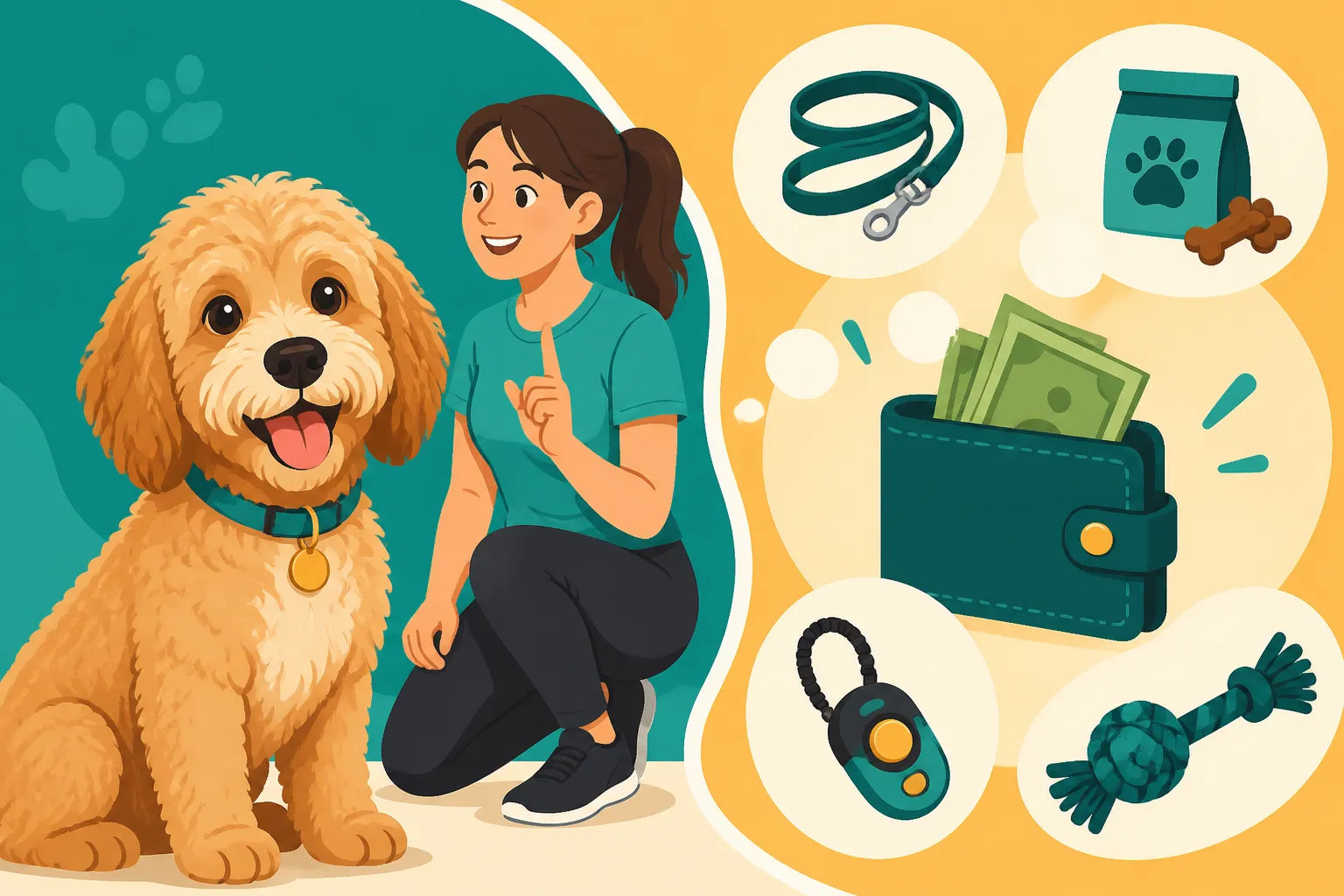
First, training equipment is almost always a necessity. This could include a specific type of leash (like a longer line for recall practice, or a front-clip harness for polite walking), a clicker, a treat pouch, and plenty of high-value treats. While some trainers might provide a basic starter kit, you'll likely want to purchase additional supplies. You can find excellent options for these on sites like Chewy, making it easy to stock up. Don't forget durable chew toys to keep your Cockapoo mentally stimulated outside of training sessions, especially if you're dealing with a puppy prone to What a Bored Cockapoo Chews Through.
Secondly, refreshers or advanced classes might become part of your journey. Many owners find that after completing a basic class, they want to continue their dog's education, either to tackle more complex commands or simply to keep their Cockapoo engaged. These follow-up classes will, of course, incur additional fees. Or perhaps your Cockapoo is excelling and you want to try a fun activity like agility or scent detection – those also have their own class structures and costs.
Third, consider certifications. If your goal is for your Cockapoo to become a Canine Good Citizen (CGC) or a therapy dog, there are usually testing fees associated with those certifications, above and beyond the cost of any preparatory classes. These fees are usually relatively small but important to factor in if that's your aim. Finally, don't underestimate the cost of high-value treats. To keep a Cockapoo engaged and motivated, especially when learning new or challenging behaviors, you'll need irresistible rewards. Brands like Ollie, known for their fresh, wholesome ingredients, can be great for this, but stocking up regularly can add to your weekly budget.
How a Cockapoo's Specific Needs Might Affect Pricing
While the base price of a training class isn't usually breed-specific, certain Cockapoo traits might subtly influence your overall training investment. For example, Cockapoos are generally intelligent and eager to please, which can mean they pick up commands quickly. This might allow you to progress through basic classes efficiently, potentially saving money if you don't need extensive remedial work. However, their intelligence can also mean they get bored easily if training isn't engaging, or they might try to "outsmart" you if you're not consistent.
The spaniel heritage of a Cockapoo also means they often have a strong The Flushing Drive Still Alive in a Cockapoo. This natural instinct to follow scents can make recall a challenge, especially if your dog has caught a whiff of something truly exciting. You might find yourself investing in extra long-line work, specific recall workshops, or even private sessions focusing solely on recall if your Cockapoo is struggling with this. Recall on a Cockapoo That Has Found a Scent can be a real headache for owners, and sometimes it takes more specialized training to overcome.
Furthermore, some Cockapoos can inherit sensitivities from either parent breed, potentially leading to shyness or anxiety if not properly socialized. If your Cockapoo falls into this category, you might find that group classes are initially too overwhelming, requiring you to start with private sessions to build confidence before transitioning to a group setting. This personalized approach, while more expensive upfront, can be crucial for their long-term well-being and success. It's about tailoring the training to your individual dog's personality and needs, rather than a one-size-fits-all approach.
Making Training Affordable: Tips and Alternatives
Professional dog training is a fantastic investment, but let's be honest, those costs can add up quickly. If you're looking to provide your Cockapoo with the best possible start or to address behavioral quirks without breaking the bank, there are definitely ways to make it more manageable. It's all about being smart and proactive.
Exploring Community-Based and Online Training Options
One of the best ways to find more affordable training is to look beyond the private, upscale training facilities. Community-based programs are often a fantastic resource. Many local animal shelters, humane societies, or parks and recreation departments offer dog training classes at a significantly lower cost than private trainers. These organizations often have a mission to promote responsible pet ownership and make training accessible, so their fees reflect that. The instructors are typically experienced and certified, providing quality education in a budget-friendly format. They might not offer the same luxurious amenities as a private studio, but the core training is often just as effective. This can be an excellent option for foundational skills and socialization.
Another increasingly popular and cost-effective route is online dog training. The digital world has opened up a wealth of resources, from structured courses to individual virtual coaching. Many reputable trainers now offer online academies or virtual group classes where you learn at your own pace from the comfort of your home. You'll typically get access to video modules, worksheets, and sometimes even live Q&A sessions with the trainer. While you miss out on the in-person socialization aspect (which you'd need to supplement with safe, controlled outings), online training can be a fraction of the cost of in-person classes. It's particularly useful if you live in a remote area without many local options or if your Cockapoo is too shy for a traditional group setting right away.
The Role of DIY Training and When to Seek Professional Help
Don't underestimate the power of Do-It-Yourself (DIY) training. With so many high-quality books, free online videos, and articles available, you can teach your Cockapoo a lot of basic manners and tricks on your own. Consistency is key, and spending even 10-15 minutes a day working on commands can yield incredible results. Websites and apps can guide you through positive reinforcement techniques, helping you teach everything from "sit" to "stay." For supplies like training treats, clickers, or enrichment toys that aid in mental stimulation (think puzzle feeders!), Chewy is always a good spot to check out. Engaging your Cockapoo's bright mind with these daily sessions can prevent boredom and reinforce good behavior. Plus, it's a wonderful way to bond with your dog and understand What a Cockapoo Puppy Should Learn First.
However, there's a crucial point where self-training might not be enough: when to seek professional help. If you're consistently struggling with a particular behavior, if your Cockapoo is displaying aggression, severe anxiety (like destructive chewing or excessive barking when left alone, as discussed in Whether a Cockapoo Barks When Left), or if you feel overwhelmed and frustrated, it's absolutely time to call in a professional. A good trainer can diagnose the root cause of the issue, provide strategies tailored to your specific dog and household, and ensure you're not inadvertently reinforcing unwanted behaviors. Sometimes, just a few private sessions with an expert can get you back on track, saving you stress and potential bigger problems down the line. Remember, it's not a failure to ask for help; it's a responsible choice for your dog's well-being.
Long-Term Savings and the Benefits of Early Investment
While the upfront cost of dog training might seem like a lot, it's truly an investment that pays dividends over your Cockapoo's lifetime. Think about it: a well-trained dog is less likely to destroy your home, injure themselves by running into traffic (because of a solid Recall on a Cockapoo That Has Found a Scent), or develop behavioral issues that require expensive veterinary behaviorist consultations or medications. By understanding The Thing Cockapoo Buyers Find Out Too Late about their spirited nature and getting ahead of potential issues, you can save yourself significant stress and financial outlay down the road.
Early socialization and basic obedience training, even a six-week class, lays the groundwork for a confident, adaptable companion. This means fewer emergency vet visits due to ingestion of forbidden items (because they've learned "leave it" in class!), less need for extensive professional grooming to remove mats from anxiety-induced scratching, and a generally happier, more integrated family member. A well-trained Cockapoo is a joy to live with, capable of accompanying you on adventures and being a calm presence at home, making all those years together much more rewarding. It's about proactive care, and that always translates to long-term savings and a better quality of life for everyone involved. Investing in their training early means investing in their future, and yours.
Disclaimer
This article is for general informational purposes only and does not constitute professional advice. Laws, prices and regulations vary by location and change over time. Consult a qualified professional for guidance on your specific situation.