Whether a Cockapoo Bred at Home Is Safer
It's completely natural to wonder about the safety of a Cockapoo bred right in someone's home. So many people worry they might accidentally support a puppy mill, or conversely, miss out on a wonderful, well-adjusted puppy just because it wasn't from a "big name" breeder. This guide is here to help you understand what "home-bred" truly means, what makes a Cockapoo puppy genuinely safe and healthy, and how to confidently evaluate a breeder, no matter their scale.
Understanding "Home-Bred": More Than Just a Location
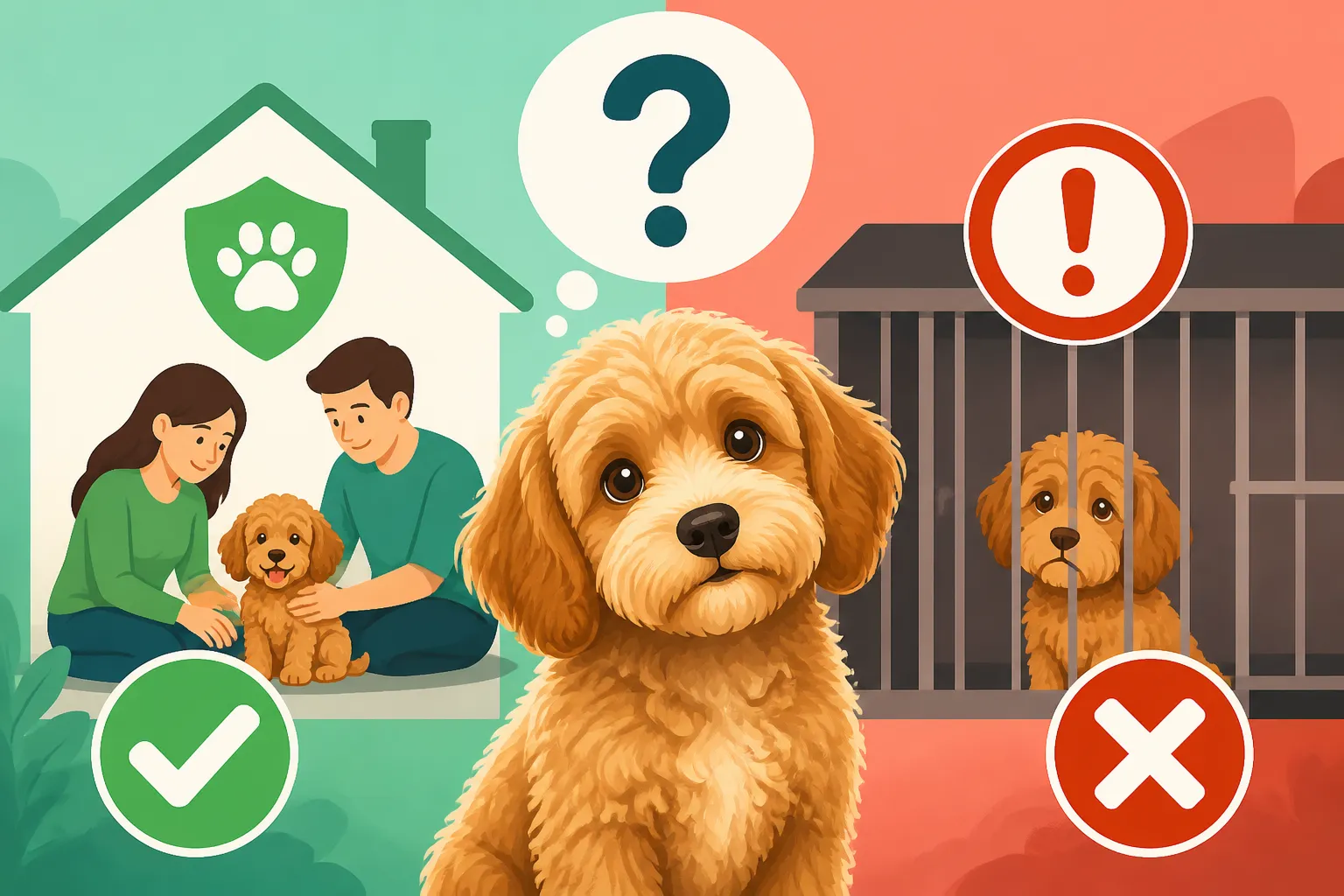
When you hear the term "home-bred," it conjures up images, doesn't it? For some, it's a picture of a cozy living room, puppies tumbling around, receiving endless cuddles. For others, it might raise a red flag, making them immediately think of a backyard breeder cutting corners. The truth is, "home-bred" isn't a guarantee of quality or lack thereof; it simply describes the setting where the puppies are raised. The real distinction lies in the breeder's practices and their dedication to the health and well-being of their dogs.
The Ideal Scenario: Responsible Hobby Breeders
An ideal "home-bred" situation comes from a responsible hobby breeder. These individuals are passionate about the Cockapoo breed (or the parent breeds, if it's an F1 cross) and breed occasionally, usually once or twice a year, or even less frequently. Their dogs are cherished family members, living inside their home, not in kennels or outdoor runs. They put immense effort into planning each litter, selecting parents with excellent temperaments and clear health screenings.
For these breeders, it's not about making a profit; it's about contributing positively to the breed and finding loving homes for their puppies. They're often members of breed clubs (even if the Cockapoo isn't officially recognized, they might be involved in Cocker Spaniel or Poodle clubs), stay up-to-date on canine health and genetics, and are transparent about every step of their process. They’ll invite you to their home, let you meet the mother (and sometimes the father, if he lives there), and are happy to answer every single question you might have about the puppies and their parents. This hands-on, in-home upbringing can provide an excellent foundation for a puppy's development.
The Less-Than-Ideal: Accidental Litters and Backyard Breeders
On the flip side, "home-bred" can also describe accidental litters or puppies from what are known as "backyard breeders." These breeders might not have malicious intent, but they often lack the knowledge, resources, and commitment to responsible breeding practices. An accidental litter might come from owners who simply didn't spay or neuter their dogs, suddenly finding themselves with puppies they weren't prepared for. While these puppies might be raised in a home, the parents likely haven't undergone any health testing, and the owners might not understand critical aspects of puppy development or early socialization.
Backyard breeders are a step up from puppy mills in terms of environment, but they still typically prioritize convenience or minor profit over genetic health and proper care. They might breed their family pet without understanding genetics, health clearances, or even the intense demands of raising a litter. You might find puppies for sale without proper vaccinations, deworming, or a clear understanding of their lineage. The puppies might technically be "home-bred," but without the careful planning and dedication of a responsible breeder, they can come with significant risks. This is why asking a Cockapoo breeder for the FN certificate, or other health clearances, is so crucial.
The Pillars of a Safer Cockapoo: Health, Temperament, and Environment
Regardless of whether a Cockapoo is home-bred or from a larger, more established program, its "safety" ultimately boils down to three critical pillars: the health of its lineage, the temperament of its parents, and the environment in which it's raised during those formative weeks. A truly safe Cockapoo begins long before it's even conceived.
Health Testing and Genetic Screening
This is arguably the most crucial aspect of ensuring a "safer" Cockapoo, and it's where many accidental or backyard home breeders fall short. Both Cocker Spaniels and Poodles, the parent breeds of the Cockapoo, are prone to certain hereditary conditions. Responsible breeders invest significant time and money into health testing their breeding dogs to minimize the risk of passing these conditions on to their puppies.
For Cockapoos, this means DNA tests for conditions like Familial Nephropathy and the Kidneys a Cockapoo Can Inherit and Progressive Retinal Atrophy in a Cockapoo (prcd-PRA), as well as physical screenings for orthopedic issues like hip and elbow dysplasia, and patellar luxation (slipping kneecaps), especially in smaller Poodle lines. They should also have current eye certifications (OFA CAER exams) to screen for hereditary eye diseases such as Glaucoma From the Cocker Side of a Cockapoo. You should be able to see tangible proof of these tests, usually in the form of official certificates. Without these tests, you're essentially taking a gamble on the puppy's future health, which can lead to heartbreaking and expensive vet bills down the line. Whether an Untested Cockapoo Litter Is a Gamble is a question every prospective owner should consider carefully.
Early Socialization and Environment
A puppy's first eight to twelve weeks are a critical window for socialization. The experiences it has during this time shape its future behavior, confidence, and ability to cope with new situations. A truly "safe" home-bred Cockapoo is one that has been exposed to a variety of sights, sounds, textures, and people in a positive and controlled manner.
A responsible home breeder will ensure their puppies are handled daily by different family members, introduced to household noises (vacuum cleaners, doorbells, children playing), and have opportunities for supervised play with their littermates and mother. They might start basic potty training, introduce a crate, and begin teaching simple manners. This foundation helps the puppy develop into a well-adjusted adult, reducing the likelihood of fear-based aggression, anxiety, or shyness. Conversely, a puppy raised in isolation, even if it's in a home, can develop significant behavioral issues, regardless of its genetics. This early exposure can make all the difference in a dog's life, helping them to navigate the world with confidence rather than apprehension. What a Cockapoo Puppy Should Learn First is often heavily influenced by its early environment.
Parent Temperament and Health History
The apple doesn't fall far from the tree, especially when it comes to temperament. A safe Cockapoo comes from parents with stable, friendly, and appropriate temperaments for their breed. A responsible home breeder will carefully assess the personalities of both the mother and father, ensuring they are calm, confident, and outgoing, without any signs of aggression, excessive shyness, or anxiety. If possible, you should always meet the mother, as her demeanor will give you a strong indication of what her puppies might be like as they mature.
Beyond current temperament, a good breeder will also be transparent about the health history of their breeding dogs and their lineage. Have any close relatives developed conditions like A Cockapoo's Autoimmune Anemia and the Cocker Line or Hypothyroidism in a Middle Aged Cockapoo? While health testing screens for known genetic risks, a detailed family health history provides an even broader picture of potential predispositions. A breeder who is open and honest about any issues in their lines demonstrates a commitment to transparency and continuous improvement, rather than simply trying to sell a puppy.
Navigating the Realities: Potential Risks and How to Mitigate Them
While the idea of a "home-bred" Cockapoo can sound charming and personal, it's essential to approach these situations with a clear understanding of the potential risks, especially when dealing with breeders who might not be as experienced or dedicated. Mitigating these risks requires diligence on your part as a prospective owner.
Overlooked Health Concerns
The biggest reality check with many "home-bred" situations is the lack of comprehensive health testing. An individual who breeds their family pet at home, especially if it was an accidental litter, likely hasn't put the parents through the rigorous health screenings mentioned earlier. This means that genetic predispositions to serious conditions like kidney disease, eye problems, or orthopedic issues could be unknowingly passed down.
Imagine adopting a sweet Cockapoo puppy, only to discover at a young age that it has significant hip dysplasia requiring expensive surgeries, or that it is rapidly losing its sight due to Progressive Retinal Atrophy in a Cockapoo. These situations are not only heartbreaking but can also be incredibly costly. Pet insurance providers like Healthy Paws can certainly help mitigate financial shocks from unexpected illnesses, but many policies have waiting periods or may not cover pre-existing conditions. The best mitigation is prevention through responsible breeding. Always insist on seeing proof of all recommended health clearances for both parents. If a breeder hedges or can't produce documentation, it's a major red flag.
Behavioral Challenges and Lack of Early Exposure
Another common pitfall in less structured home-bred environments is inadequate early socialization. While some home breeders do an amazing job, others might unintentionally limit a puppy's exposure to the world outside their immediate family and littermates. A puppy that hasn't experienced different sounds, textures, people, or brief, positive interactions with the vet by the time it goes to its new home may develop fear, anxiety, or reactivity later in life.
For example, a puppy raised only in a quiet corner of a house might be terrified of the busy sounds of a city street, the rumble of a vacuum cleaner, or even meeting new people. This can lead to issues like excessive barking, destructive chewing, or difficulty with house training because they are constantly overwhelmed. Even though you might be doing your best to continue socialization once the puppy is home, those first crucial weeks are irreplaceable. Always ask about the puppy's daily routine, what they've been exposed to, and how the breeder encourages confidence and curiosity. Whether a Cockapoo Needs a Sport to Be Manageable or strong early training is often linked to this early exposure.
Financial and Emotional Costs of Unforeseen Issues
Ultimately, opting for a Cockapoo from an unverified "home-bred" situation can come with substantial financial and emotional costs. While the initial purchase price might seem lower than from a more established breeder, the potential expenses from undiagnosed health conditions or behavioral problems can quickly dwarf any initial savings. Vet bills for chronic conditions, specialized training for anxiety or aggression, or even surgeries for hereditary defects can run into thousands of dollars.
Beyond the money, there's the emotional toll. Dealing with a chronically ill or severely anxious dog can be incredibly stressful and heartbreaking for families, despite all the love they pour into their pet. It's a heavy burden to carry, knowing that some of these issues could have been prevented with responsible breeding practices. Setting Money Aside for a Cockapoo's Vet Bills is always wise, but better to spend it on routine care than managing preventable genetic diseases. Many owners find themselves navigating complex dietary needs, perhaps even needing specialized food from a brand like Ollie, or stocking up on calming aids from Chewy, all because of issues that could have been avoided.
Your Role: How to Vet a Home-Bred Litter Effectively
So, how do you find that wonderful, responsible home breeder amidst all the others? Your role as a prospective puppy owner is to be an educated, diligent detective. Don't be afraid to ask tough questions and observe everything. A good breeder will welcome your scrutiny.
Questions to Ask Potential Breeders
This is where you gather critical information. Have a list ready and don't feel shy about asking. A responsible breeder will appreciate your thoroughness.
| Category | Key Questions to Ask | Why It Matters |
|---|---|---|
| Health | Can I see health certificates for both parents (Hips, Elbows, Eyes, DNA tests like FN, prcd-PRA, PFK)? | Crucial for preventing inherited diseases. |
| How old are the parents? Have they ever had any health issues? | Provides insight into their health history and longevity. | |
| What vet care have the puppies received (first shots, deworming schedule)? | Ensures basic health protocols are followed. | |
| Temperament | Can I meet the mother (and father, if possible)? | Directly observe parent's temperament, a key indicator for puppies. |
| What are the personalities of the parents like? | Helps predict the puppies' future dispositions. | |
| How do you socialize the puppies? What have they been exposed to? | Ensures puppies are well-adjusted to various stimuli. | |
| Breeding Practices | How many litters has the mother had? How often does she breed? | Responsible breeders don't overbreed their females. |
| What is your screening process for potential buyers? | Indicates a commitment to finding good homes. | |
| What generation are these Cockapoos (F1, F1b, Multigen)? | Affects predictability of coat, size, and temperament. | |
| Support & Contract | What kind of health guarantee do you offer? | Shows confidence in their breeding and offers peace of mind. |
| Are you available for support after I take the puppy home? | A responsible breeder offers lifelong support. | |
| Do you require spay/neuter contracts? | Common practice for pet-only puppies. |
Always ask for specifics regarding The Five Certificates a Cockapoo Breeder Should Show and don't accept verbal assurances without documentation. Inquire about the puppy's diet as well – a quality diet is essential for growth, and brands like Ollie offer excellent options.
Observing the Environment and Parents
When you visit (and you absolutely must visit), pay close attention to your surroundings. Are the puppies and their mother living in a clean, stimulating environment? Is it part of the household, or are they isolated? Look for signs of good care:
- Cleanliness: Is the area where the puppies live clean and well-maintained? Are the puppies themselves clean and free of discharge from eyes or nose?
- Interaction: Do the puppies seem happy, curious, and comfortable interacting with people? Do they shy away, or are they eager to engage?
- Mother's Demeanor: Is the mother calm, friendly, and attentive to her puppies? Does she seem healthy and well-cared for? A stressed or fearful mother can pass that anxiety on to her pups.
- Stimulation: Are there toys, different textures, and safe spaces for the puppies to explore? This indicates intentional socialization efforts.
- Other Dogs/Pets: How do any other dogs or pets in the home interact with the puppies? Is it a chaotic free-for-all or a structured, harmonious environment?
Meeting the mother is non-negotiable. If a breeder makes excuses as to why you can't see the dam with her litter, walk away immediately. It's a huge red flag.
The Role of Contracts and Guarantees
A reputable breeder, whether "home-bred" or not, will always provide a written contract. This contract should outline the terms of the sale, health guarantees, and often, a spay/neuter agreement for pet-only puppies. A robust health guarantee typically covers severe, inheritable conditions for a certain period, sometimes up to two years. It should clearly state what remedies are available if a serious genetic health issue arises, such as a refund or a replacement puppy.
Don't be afraid to read the contract thoroughly and ask for clarification on any points you don't understand. A good breeder will be transparent about their guarantee. For instance, Whether a Cockapoo Guarantee Covers Familial Nephropathy should be explicitly stated. This contract protects both you and the breeder and demonstrates their commitment to standing behind the health of their puppies. It’s also wise to research pet insurance early with providers like Healthy Paws, even with a strong guarantee, as general illnesses or accidents won't be covered by a breeder's guarantee. Additionally, consider starting to gather all your puppy essentials from a reputable source like Chewy before your new family member comes home.
Disclaimer
This article is for general informational purposes only and does not constitute professional advice. Laws, prices and regulations vary by location and change over time. Consult a qualified professional for guidance on your specific situation.