What an Overnight Glaucoma Emergency Runs
There's nothing quite like the heart-stopping moment you notice something truly wrong with your beloved Cockapoo's eye – especially when it's late at night, and every veterinary office except the emergency clinic is closed. The sudden redness, the pain, the frantic pawing at their face… it all points to a crisis, and your mind immediately races to "How much is this going to cost?" Dealing with an overnight glaucoma emergency in your Cockapoo can be incredibly stressful, both emotionally and financially. This guide will walk you through what such a sudden veterinary visit might entail, helping you understand the various components that contribute to the final bill, and how you might prepare for or manage these unexpected expenses.
Understanding Glaucoma in Cockapoos
When your Cockapoo exhibits signs of severe eye pain or changes in their eye's appearance, it's natural to feel a wave of panic. Understanding what glaucoma is and why it's such an urgent matter is the first step in comprehending the necessary emergency care and its associated costs. This isn't just a minor irritation; it's a serious threat to your dog's vision and comfort.
Why Glaucoma Is a Sudden, Painful Crisis
Glaucoma isn't just a simple "red eye"; it's a terrifyingly rapid increase in the fluid pressure inside the eye. Imagine the pressure building up in a balloon, but inside a delicate organ like an eye. This pressure quickly causes immense pain, similar to a severe headache or migraine, and, critically, can lead to irreversible blindness within mere hours if not treated immediately. It's truly a medical emergency, not something that can wait until your regular vet opens in the morning. Your Cockapoo's comfort and sight depend on swift action. For a deeper dive into the critical nature of this condition, you might want to read Whether Glaucoma in a Cockapoo Is an Emergency.
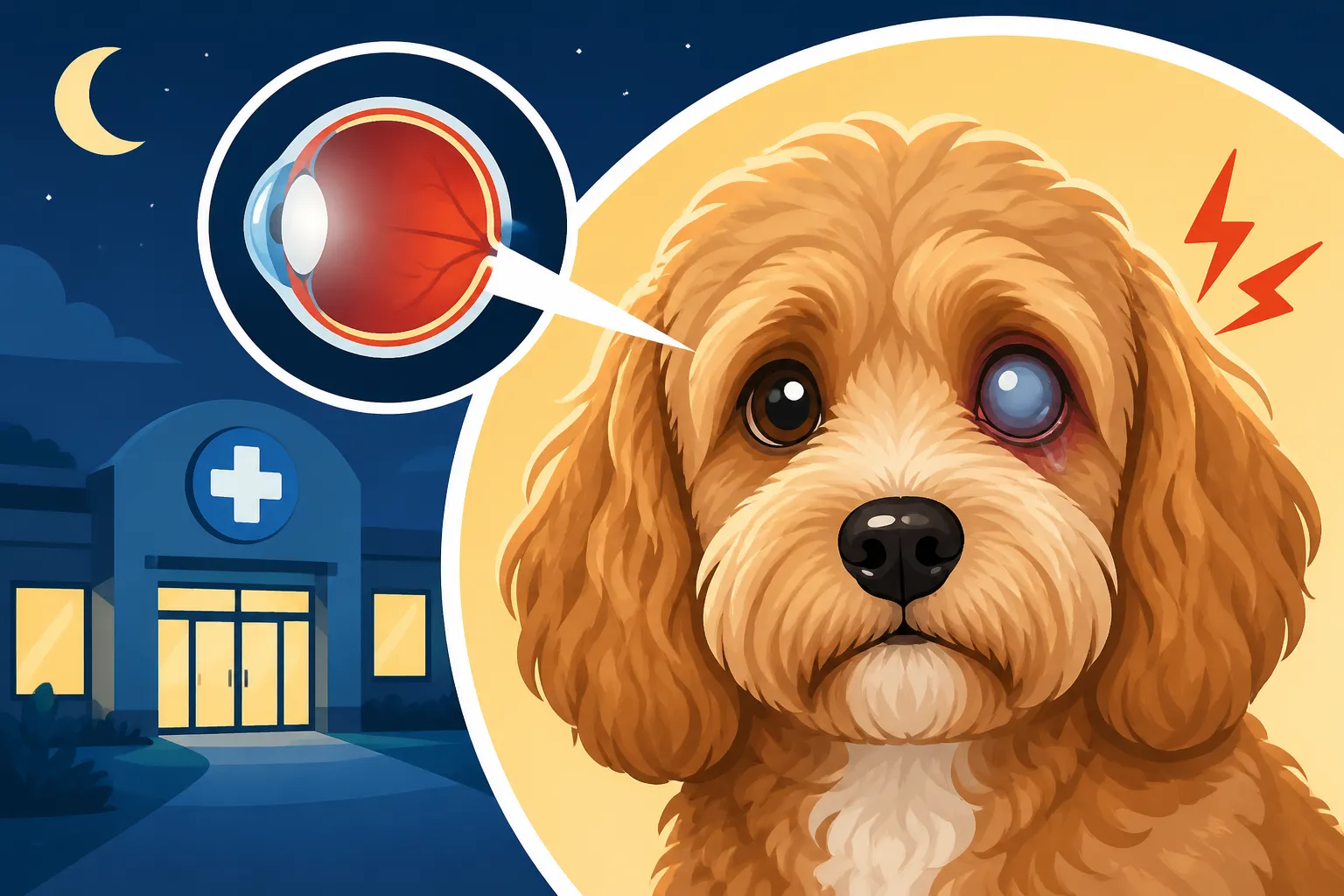
The signs can be subtle at first: a slight squint, reluctance to open the eye fully, or excessive blinking. But as the pressure escalates, you might notice the eye appearing cloudy or bluish, the pupil becoming dilated and unresponsive to light, and the whites of the eye turning intensely red. Your dog might become lethargic, lose their appetite, or even cry out when touched around the head. It's a distressing situation for any pet parent, and the urgency often means heading straight to the emergency clinic without a moment to spare. For more on immediate concerns, check out The Red Eye That Means a Cockapoo Needs a Vet Tonight.
This rapid onset is what often catches owners off guard. One evening, your Cockapoo is fine; the next morning, or even in the middle of the night, they're in agony. Because the internal structures of the eye are so delicate, sustained high pressure very quickly damages the optic nerve, which transmits visual information to the brain. Once that nerve is damaged, the vision loss is permanent, underscoring why an overnight emergency visit is not an option, but a necessity.
The Cocker Spaniel Connection
Cockapoos, being a cross between a Cocker Spaniel and a Poodle, can inherit traits and predispositions from both parent breeds. When it comes to glaucoma, the Cocker Spaniel side of their lineage is a significant concern. Cocker Spaniels, particularly American Cocker Spaniels, are known to have a higher incidence of primary glaucoma, often a genetic form where the eye's drainage angle is malformed, leading to fluid buildup. This inherited predisposition means that your Cockapoo carries a genetic risk that needs to be taken seriously.
This isn't to say every Cockapoo will develop glaucoma, but the risk factor is certainly elevated compared to many other breeds. Responsible breeders will often screen their parent dogs for various eye conditions, but even with careful breeding, some genetic predispositions can remain. Understanding this background helps you appreciate why swift veterinary attention is so crucial when symptoms arise. If you have concerns about this specific inheritance, reading Glaucoma From the Cocker Side of a Cockapoo might offer further insights.
It's a stark reminder that while Cockapoos are adored for their charming personalities and low-shedding coats, they are not immune to serious health issues. Awareness of these inherited risks, like the potential for glaucoma, empowers owners to be vigilant and act quickly, potentially saving their dog's sight or at least alleviating immense pain. Regular veterinary check-ups, including eye examinations, become even more important for these wonderful dogs, especially given the recommendation for annual screening, like what's discussed in Whether a Cockapoo Needs a Yearly CAER Exam.
The Immediate Emergency Care Costs
When your Cockapoo is experiencing an acute glaucoma attack, the emergency veterinary clinic becomes your immediate lifeline. The costs associated with an overnight visit are multifaceted, encompassing the specialized expertise, diagnostic tools, and medications required to stabilize your pet and alleviate their pain during these critical hours.
Initial Examination and Pressure Measurement
When you arrive at an emergency veterinary clinic in the middle of the night, the first and most critical step is typically a thorough examination, focusing intensely on your Cockapoo's affected eye. This isn't just a quick peek; it involves careful observation of the eye's appearance, pupil response, and often a neurological assessment to rule out other causes of pain. The vet needs to understand the full picture quickly to determine the best course of action.
Central to diagnosing glaucoma is measuring the intraocular pressure (IOP) using a specialized instrument called a tonometer. This device gently touches the surface of the eye (after a numbing drop) to get a reading of the internal pressure. This reading is immediate and provides the crucial evidence needed to confirm glaucoma. The cost of this initial exam and IOP measurement forms the foundation of your emergency bill, reflecting the specialized equipment and expertise required, especially during after-hours care.
Even if your regular vet has a tonometer, the emergency clinic's immediate availability and readiness to handle such a crisis around the clock are what you're paying for. This immediate diagnostic capability is non-negotiable when time is of the essence in saving your Cockapoo's vision.
Diagnostics Beyond the Basics
While tonometry is the gold standard for diagnosing glaucoma, an emergency vet might recommend additional diagnostics depending on the situation. For instance, they might perform a fluorescein stain test to check for corneal ulcers, which can sometimes accompany or mimic glaucoma symptoms, or might even be caused by the eye rubbing due to pain. This involves applying a special dye that highlights any abrasions or ulcers on the cornea.
In some complex cases, or if the vet suspects underlying issues contributing to the glaucoma, they might suggest an ocular ultrasound. This can help visualize the structures within the eye that are difficult to see due to cloudiness or if there's suspicion of a mass or detachment. These advanced diagnostics, while adding to the overall cost, are crucial for a comprehensive understanding of your Cockapoo's condition and for guiding the most effective treatment plan.
Remember, these aren't always standard for every glaucoma emergency, but they can be necessary steps to get a full diagnosis and rule out other severe eye conditions. The vet will discuss these options with you, explaining their necessity and how they will impact the treatment approach. Understanding that different scenarios might require different diagnostic routes helps to explain the variability in potential bills.
Emergency Medications and Pain Relief
Once glaucoma is diagnosed, the immediate priority is to reduce the intraocular pressure and manage your Cockapoo's intense pain. This will involve administering various medications, usually starting with topical eye drops designed to quickly lower pressure. These drops might include prostaglandin analogs, beta-blockers, or carbonic anhydrase inhibitors. The vet may apply these multiple times during their initial treatment and monitoring.
Beyond pressure-reducing drops, your Cockapoo will almost certainly receive pain medication, which might be injectable for rapid relief, followed by oral medication to continue managing discomfort. Anti-inflammatory drugs may also be prescribed, both topical and systemic, to reduce inflammation within the eye. The cost of these emergency medications, administered during the critical initial hours, and the prescriptions sent home with you, will be a significant part of the overnight bill.
It's not just the cost of the drugs themselves, but the expertise in knowing which drugs to use, the correct dosage, and how to administer them safely and effectively in a stressed animal. This immediate pharmaceutical intervention is vital for stabilizing your Cockapoo's condition and preventing further damage or irreversible vision loss. You might find yourself needing to refill these prescriptions, and pet supply retailers like Chewy often carry a wide range of veterinary medications, making it easier to manage ongoing needs.
Factors Influencing the Total Bill
The financial impact of an overnight glaucoma emergency is rarely a fixed figure. Several variables play a significant role in determining how much you can expect to pay, from where you live to the specific interventions your Cockapoo requires.
Geographic Location and Clinic Type
Just like human healthcare, veterinary costs can fluctuate significantly based on where you live. A busy metropolitan area, with higher overheads and demand, will typically have higher emergency vet prices compared to a rural clinic. This geographical variance is a common reality when facing any unexpected medical expense for your pet. The cost of living, staff wages, and even facility rent all play a part in shaping the prices charged by emergency veterinary hospitals.
The type of clinic also matters. A large, state-of-the-art veterinary emergency and specialty center, equipped with a full ophthalmology department and 24/7 specialist staff, will naturally have different pricing than a smaller after-hours general practice that handles emergencies. While a specialist center might offer more advanced treatment options, a general emergency clinic can often provide critical initial stabilization. These differences in facilities and available specialists directly impact the cost of care.
It’s worth noting that an overnight visit inherently commands a premium. You're paying for access to veterinary professionals who are on standby, ready to provide immediate, often life-saving, care outside of regular business hours. This readiness, equipment, and dedicated staff contribute to the higher fees associated with emergency services.
Severity and Required Interventions
The total cost of an overnight glaucoma emergency can vary widely based on the severity of your Cockapoo's condition and the interventions required. If the glaucoma is caught very early, and responds well to initial eye drops and pain management, the cost might be on the lower end of the emergency spectrum. However, if the pressure is dangerously high and unresponsive, or if there are complications like corneal damage, the situation becomes much more complex and expensive.
In severe cases, the vet might need to perform a procedure to rapidly reduce pressure, such as a lateral canthotomy (a small incision at the corner of the eye) or an anterior chamber paracentesis (draining fluid from the eye). While these are often temporary measures, they add significantly to the procedural costs. If the eye has already lost vision and is experiencing intractable pain, surgical removal of the eye (enucleation) might be discussed as a humane option, which is a major surgical expense. This can be a devastating discussion to have, but sometimes it is the only way to end severe suffering. For more on this difficult decision and its financial implications, see The Price of Removing a Cockapoo's Eye.
The number of times your Cockapoo needs re-evaluation and medication application throughout the night also contributes. Constant monitoring and repeated treatments, even if they are just administering drops, require dedicated veterinary technician and doctor time, all of which are factored into your final bill. The more intensive the care, the higher the cost.
Overnight Monitoring and Staffing
An overnight emergency isn't just about the initial consultation and treatment; it's about continuous, vigilant care. Your Cockapoo will likely be admitted for monitoring, meaning they'll stay at the clinic throughout the night. During this time, veterinary technicians will regularly check their intraocular pressure, administer prescribed eye drops and oral medications, monitor their pain levels, and keep a close watch on their overall condition.
This constant supervision is crucial because glaucoma can be highly volatile, with pressure potentially spiking again. Having dedicated staff present overnight, providing around-the-clock care, is a significant part of the cost. You're not just paying for a bed; you're paying for skilled professionals who are actively working to stabilize your pet and ensure their comfort. This level of staffing and care simply isn't available at a regular day clinic.
The peace of mind knowing that your Cockapoo is receiving immediate attention if their condition changes, or if they need further medication adjustments in the wee hours, is invaluable. This specialized care, often provided by emergency veterinarians and a team of veterinary nurses, is reflected in the overnight hospitalization fees.
Managing the Financial Burden
Facing an unexpected emergency vet bill for glaucoma can be overwhelming. Thankfully, there are several strategies and resources available to help pet owners manage these significant financial demands, both in the immediate aftermath and for long-term care.
The Role of Pet Insurance
One of the best ways to prepare for unexpected veterinary emergencies like an overnight glaucoma crisis is to have pet insurance in place before anything happens. Policies typically cover a significant percentage of emergency costs, diagnostics, medications, and even potential surgeries. However, it's crucial to understand that pre-existing conditions are usually excluded, meaning if your Cockapoo has a history of eye issues or glaucoma before you get a policy, those specific conditions might not be covered.
Companies like Healthy Paws are popular choices, offering various plans that can significantly ease the financial strain of a sudden illness or injury. While you'll still pay the vet bill upfront, you then submit a claim for reimbursement, which can cover a large portion of the expenses. It's always a good idea to research different providers and their coverage specifics, waiting periods, and deductibles to find a plan that suits your needs. It's also worth investigating how different insurers classify Cockapoos for breed-specific conditions, a topic explored in Whether an Insurer Rates a Cockapoo as a Cocker.
Investing in pet insurance when your Cockapoo is young and healthy can be a lifeline later on. It transforms a potentially devastating financial hit into a manageable out-of-pocket expense, allowing you to focus on your pet's recovery rather than worrying about astronomical bills. Just as with hereditary eye conditions, it's vital to check policy details regarding exclusions for other breed-specific predispositions, such as those discussed in Whether Hereditary Kidney Disease Is Excluded on a Cockapoo.
Emergency Savings and Credit Options
Even with pet insurance, having an emergency fund specifically for your pet's unexpected medical needs is a wise decision. Life has a way of throwing curveballs, and sometimes those curveballs come with expensive vet bills. Designating a savings account or a specific portion of your general emergency fund for your Cockapoo ensures that you're not caught completely off guard.
If you find yourself facing an emergency without insurance or sufficient savings, there are often other avenues to explore. Many veterinary clinics work with third-party medical credit options designed specifically for pet care. These options can offer deferred interest periods or low monthly payments, making a large bill more manageable over time. It's important to understand the terms and interest rates associated with these plans before committing.
Additionally, some clinics might offer in-house payment plans for a portion of the bill, or you could explore charitable organizations that provide financial assistance for pet owners in crisis, though these often have strict eligibility requirements. The key is to communicate openly with the veterinary staff about your financial concerns; they often have resources and options they can share to help you navigate the costs. More broadly, Setting Money Aside for a Cockapoo's Vet Bills is a good read.
Long-Term Management and Associated Costs
An overnight glaucoma emergency often marks the beginning, not the end, of managing the condition. Glaucoma is typically a chronic disease that requires ongoing treatment to control intraocular pressure and preserve any remaining vision. This means long-term costs that extend beyond the initial emergency visit. Your Cockapoo will likely need multiple types of prescription eye drops administered several times a day, potentially for the rest of their life.
Regular follow-up appointments with your general vet, or even a veterinary ophthalmologist, will be necessary to monitor the eye pressure and adjust medication as needed. These specialized visits, especially with an ophthalmologist, incur their own fees. The cost of these medications and routine check-ups can add up over months and years, becoming a significant part of your annual pet care budget. Online pharmacies or subscription services like Chewy can sometimes offer competitive pricing on ongoing medications.
In cases where medical management isn't sufficient, surgical interventions (like laser cyclophotocoagulation or shunt placement) might be recommended to improve drainage and reduce pressure. These are complex, specialized surgeries that come with substantial costs. Understanding that the initial emergency is just the entry point to a potentially long and expensive journey of care is essential for preparing yourself for the full financial commitment involved in managing your Cockapoo's glaucoma. For more details on eye treatments, see What Glaucoma Costs a Cockapoo Owner.
Summary of Glaucoma Emergency Costs and Factors
Here's a breakdown of common costs and factors during a Cockapoo glaucoma emergency:
| Cost Component | Description | Impact on Bill | Key Factors |
|---|---|---|---|
| Emergency Exam & Tonometer | Initial vet assessment and measurement of intraocular pressure. | Moderate to High | Time of night, clinic's emergency fee structure, vet expertise. |
| Additional Diagnostics | Fluorescein stain, ocular ultrasound, bloodwork (if needed). | Variable | Severity, vet suspicion of other issues, clinic equipment. |
| Emergency Medications | Pressure-reducing eye drops, systemic pain relief, anti-inflammatories. | Moderate to High | Number of medications, dosage, duration of initial treatment. |
| Overnight Hospitalization | Continuous monitoring, repeat medication administration, comfort care. | High | Length of stay, intensity of nursing care, facility type. |
| Procedural Interventions | Minor procedures to relieve pressure (e.g., paracentesis), if required. | Variable, can be High | Urgency, vet's recommendation, complexity of the procedure. |
| Follow-up Appointments | Re-checks with general vet or ophthalmologist. | Moderate (ongoing) | Specialist fees, frequency of visits, location. |
| Long-Term Medications | Daily eye drops and oral meds for chronic management. | Moderate (ongoing) | Type of medication, brand vs. generic, need for multiple prescriptions. |
| Potential Surgery (Enucleation/Shunt) | Removal of eye for pain, or shunt to improve drainage if medical fails. | Very High | Surgical complexity, anesthesia, post-op care, specialist surgeon fees. |
Disclaimer
This article is for general informational purposes only and does not constitute professional advice. Laws, prices and regulations vary by location and change over time. Consult a qualified professional for guidance on your specific situation.