Whether a Cockapoo’s Eyes Run All Year
One of the most common worries for Cockapoo parents is dealing with those persistent, watery eyes. It’s disheartening to see your furry friend constantly tearing up, leaving unsightly stains and making you wonder if they’re in discomfort or if something more serious is at play. This comprehensive guide is here to demystify why your beloved Cockapoo might have watery eyes year-round, help you distinguish between normal moisture and concerning discharge, and equip you with practical steps to keep their eyes healthy and happy.
Understanding Why Cockapoo Eyes Might Run Year-Round
It’s easy to dismiss a little eye wetness as "just how Cockapoos are," but there's often a reason behind it. These wonderful dogs inherit traits from both the Cocker Spaniel and the Poodle, and sometimes those genetic gifts can lead to a predisposition for watery eyes. It’s not always a cause for panic, but understanding the underlying factors is crucial.
The Anatomy of a Cockapoo's Eye and Tear Drainage
To truly grasp why a Cockapoo's eyes might be perpetually moist, we need to consider their unique facial structure, a delightful blend of the Cocker Spaniel’s softer features and the Poodle’s more refined look. Tears are naturally produced to lubricate and protect the eye. Normally, these tears drain away through tiny openings called puncta, located in the inner corner of the eyelids, leading into tear ducts that carry the fluid down into the nasal cavity. Think of it like a tiny plumbing system for their eyes.
In some Cockapoos, this drainage system isn't always as efficient as it should be. Sometimes, the puncta can be too small or even completely blocked, or the tear ducts themselves might be narrower or kinked. This is known as epiphora, which simply means excessive tearing. When the tears have nowhere to go, they spill over the eyelids, causing the wetness you see and often leading to those reddish-brown tear stains, especially noticeable on lighter-coated dogs. The Cocker Spaniel side of the family, in particular, can be prone to such anatomical quirks, passing them on to their adorable Cockapoo offspring.
Furthermore, the sheer volume of hair around a Cockapoo's face can play a significant role. The long, often curly "furnishings" that give Cockapoos their signature teddy bear look, while charming, can sometimes direct tears straight onto the face rather than allowing them to evaporate or drain properly. This constant dampness creates an ideal breeding ground for yeast and bacteria, which can then lead to secondary infections and even more irritation, exacerbating the problem. Understanding your Cockapoo's unique facial structure is the first step in effective management.
Common Environmental Triggers for Eye Discharge
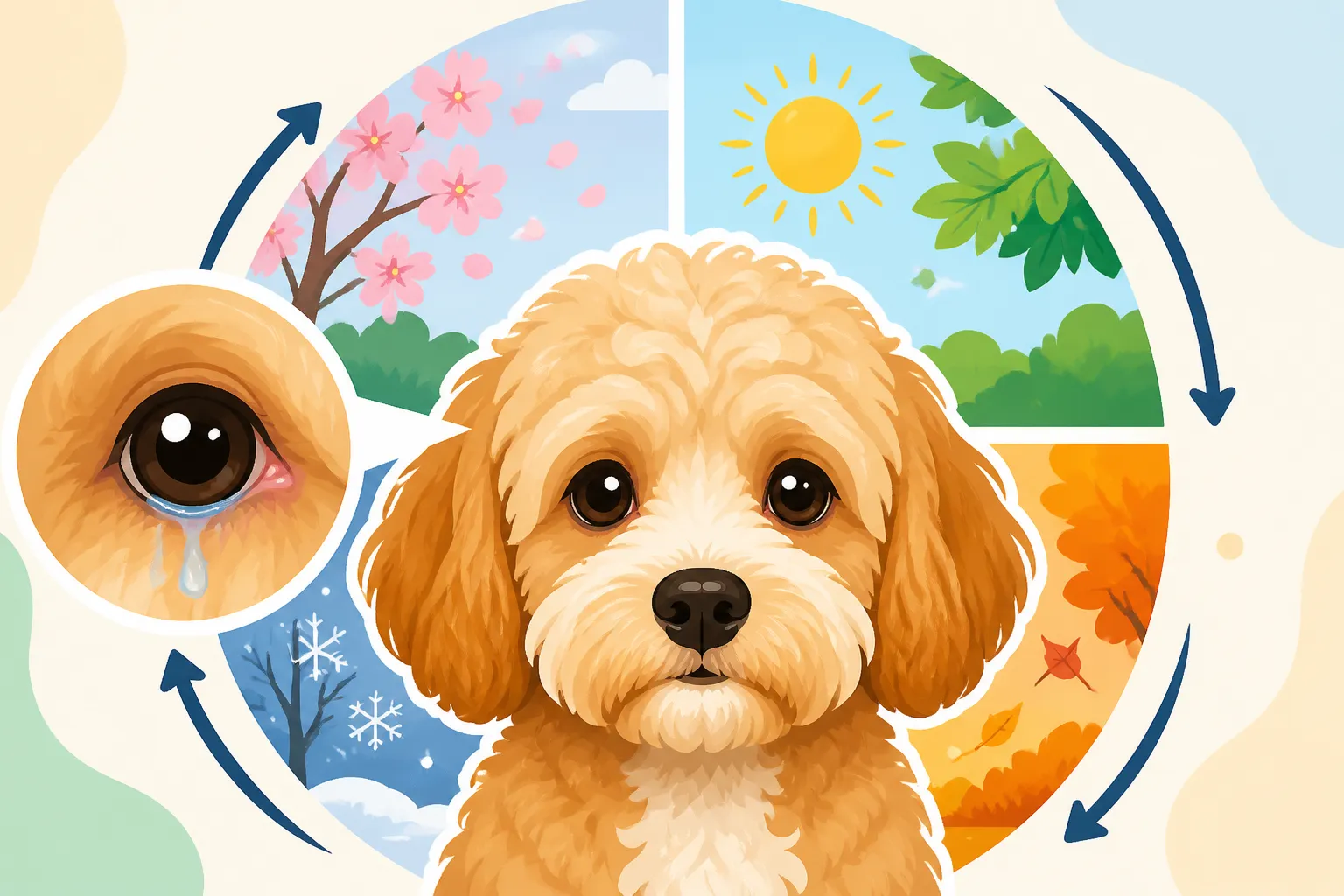
Beyond anatomy, the environment your Cockapoo lives in can significantly contribute to ongoing eye wetness. Just like us, dogs can react to irritants in the air, and their lower-to-the-ground perspective means they’re often more exposed to these elements. One of the most common culprits is dust, pollen, and other airborne allergens. If you notice your Cockapoo's eyes are particularly watery during certain seasons, allergies could very well be the reason.
Household cleaning products, air fresheners, smoke from fireplaces or cigarettes, and even strong perfumes can also act as irritants. Imagine having a sensitive nose and eyes constantly exposed to these things; it's no wonder your Cockapoo's body might respond by producing more tears to try and flush them out. Regularly vacuuming, using air purifiers, and opting for pet-safe, unscented cleaning supplies can make a world of difference.
Another factor many owners overlook is direct irritation from grooming or even their dog's own fur. Longer hair around the eyes can physically rub against the eyeball, causing irritation and increasing tear production. Sometimes, a tiny stray hair can even grow inward, scratching the cornea. Even though our Cockapoos love to explore, outdoor elements like wind, dust, or even small debris can irritate their eyes, leading to temporary but often consistent tearing. Keeping their facial hair trimmed, or even considering a protective visor for very windy walks, can help mitigate these issues.
The Role of Genetics and Breed Predispositions
It’s no secret that genetics play a huge role in our Cockapoos' health, and eye conditions are certainly no exception. Both Cocker Spaniels and Poodles, the parent breeds, are unfortunately predisposed to a range of eye issues, which means Cockapoos can inherit a mixed bag of potential concerns. One common inherited issue is entropion, where the eyelid rolls inward, causing eyelashes to constantly rub against the cornea. This is incredibly irritating and will certainly cause excessive tearing, often accompanied by redness and discomfort. Similarly, ectropion, where the eyelid rolls outward, can leave the eye exposed and vulnerable to irritants. You might want to learn more about Whether a Cockapoo's Eyelids Roll Inward if you suspect this is happening.
Beyond structural issues, certain breeds, including the Poodle, can be predisposed to developing conditions like glaucoma or progressive retinal atrophy (PRA). While excessive tearing isn't always the primary symptom of these more serious conditions, any consistent or unusual eye discharge warrants attention. For instance, Glaucoma From the Cocker Side of a Cockapoo is a serious, painful condition that can lead to blindness if not treated promptly, and increased tearing might be one of the early signs. Responsible breeders will often screen their parent dogs for these hereditary conditions, providing certificates to prove their dogs are clear, helping to ensure healthier puppies. If you're considering a puppy, always ask for health clearances to understand the genetic background.
Even beyond specific diseases, the very nature of the Cockapoo's coat can be a genetic predisposition to watery eyes. The luxurious "furnishings" – those long facial hairs that prevent shedding and give them their signature look – often grow quite long around the eyes. If these hairs aren't regularly trimmed, they can wick tears directly onto the fur, leading to persistent dampness and staining, or even poke the eye directly. Understanding your Cockapoo’s unique genetic makeup and being proactive about both grooming and veterinary check-ups is paramount for managing potential eye issues. This includes regular discussions with your vet about The Kidney and Eye Checks a Cockapoo Needs Yearly to catch any developing issues early.
Differentiating Normal Tearing from Concerning Discharge
It’s easy to get caught in a cycle of worry, wondering if every little bit of moisture is a crisis. But not all wetness around the eyes is bad! Just like humans, dogs have tears to keep their eyes healthy. The trick is knowing when it's just a bit of natural lubrication and when it's a signal that something needs professional attention.
What Healthy Eye Moisture Looks Like in a Cockapoo
A small amount of clear, watery discharge, especially first thing in the morning, is usually perfectly normal for a Cockapoo. Think of it as their eyes doing a little self-cleaning overnight. This natural lubrication helps flush out tiny dust particles or irritants that may have accumulated during the day. This healthy moisture should be clear, not cloudy or colored, and it shouldn't have any strong odor. It might leave a slight dampness on the fur directly beneath the inner corner of the eye, but it shouldn't be so excessive that it's constantly dripping down their face or matting the fur.
The occasional clear tear, perhaps after a yawn or in a windy environment, is also normal. These are reflex tears, designed to protect and clean the eye in response to a temporary irritant. Your Cockapoo's eyes should otherwise appear bright, clear, and free from redness or inflammation. The whites of their eyes should be truly white, and their eyelids should sit smoothly against the eyeball without any obvious rolling in or out. If you gently pull down their lower lid, the tissue should be a healthy pink, not angry red or swollen.
While some tear staining (those reddish-brown streaks) is incredibly common in Cockapoos, especially those with lighter coats like cream or apricot, the stain itself isn't necessarily a sign of disease. It's often caused by porphyrins, iron-containing molecules excreted in tears that turn reddish-brown when exposed to light and air. So, even if your Cockapoo has persistent tear stains, as long as the discharge itself is clear, odorless, and the eyes appear otherwise healthy, it's often more of a cosmetic concern than a medical one, though it still indicates consistent tearing.
Signs That Indicate a Trip to the Vet Is Needed
Now, while a little clear moisture is fine, there are definite red flags that warrant immediate veterinary attention. If your Cockapoo's eye discharge suddenly changes in color or consistency, that's a significant warning sign. We're talking about yellow, green, or thick, pus-like discharge – this almost always points to an infection, whether bacterial or viral. Foul odor accompanying the discharge is another strong indicator of a problem.
Beyond the discharge itself, pay close attention to the eye and surrounding area. Any redness, swelling, or obvious pain (like squinting, pawing at the eye, or keeping it closed) means something is wrong. If one eye is significantly more watery than the other, it could suggest a foreign object, an injury, or a localized infection. Changes in vision, clumsiness, or bumping into objects can also signal serious eye issues, such as Progressive Retinal Atrophy in a Cockapoo which can eventually lead to blindness.
Don't wait if you observe these symptoms. Eye conditions can escalate quickly, leading to severe pain and even permanent damage if left untreated. For instance, if you notice your dog's eye looking particularly red, it could be The Red Eye That Means a Cockapoo Needs a Vet Tonight, which is an emergency. A veterinarian can accurately diagnose the problem, whether it's an infection, an ulcer, a foreign body, or a more complex underlying condition. Early intervention is key to preserving your Cockapoo's vision and comfort. This is where pet insurance, like a policy from Healthy Paws, can be incredibly beneficial, helping to cover unexpected veterinary costs for diagnostics and treatment.
Common Conditions Causing Excessive Tearing
When a Cockapoo's eyes are running more than what's considered normal, several common culprits could be behind it. One of the most frequent non-infectious causes is allergies. Just like people, dogs can suffer from environmental allergies to pollen, dust mites, or certain foods, which can manifest as itchy, watery eyes, along with skin issues like paw licking or ear infections. Identifying and minimizing exposure to allergens, or using vet-prescribed antihistamines, can often help.
Another widespread issue is blocked tear ducts (nasolacrimal duct obstruction). As mentioned earlier, if the tiny drainage holes (puncta) or the ducts themselves are too narrow or blocked, tears simply overflow. This often results in clear, excessive tearing and prominent tear staining. A vet can sometimes flush the tear ducts to clear minor blockages, or in more severe cases, surgical correction might be considered. This condition is particularly common in breeds with certain facial structures, like the Cocker Spaniel, and therefore, in their Cockapoo offspring.
Beyond these, various inflammatory conditions can cause watery eyes. Conjunctivitis, or inflammation of the conjunctiva (the pink tissue lining the eyelids), can be caused by allergies, irritants, bacteria, or viruses. It often presents with red, swollen eyes and discharge that can range from clear to thick and purulent. Corneal ulcers, which are open sores on the surface of the eye, are incredibly painful and can lead to significant tearing, squinting, and redness. These often require prompt treatment with medicated eye drops. Other possibilities include Cherry Eye in a Cockapoo Puppy where a gland in the third eyelid prolapses, or Whether a Cockapoo Gets Dry Eye, which despite its name, can sometimes cause excessive watery discharge as the eye tries to compensate for poor tear quality.
It's clear there's a spectrum of issues, from mild irritations to more serious medical conditions. That's why it's so important to consult with your veterinarian when persistent or alarming symptoms arise. They can perform a thorough eye exam, potentially including specialized tests like a fluorescein stain to check for ulcers or a Schirmer tear test to measure tear production, to get to the bottom of your Cockapoo's watery eyes. Investing in a robust pet insurance plan, such as one from Healthy Paws, can provide peace of mind by covering eligible costs associated with diagnosing and treating these varied eye conditions.
Practical Strategies for Managing Your Cockapoo's Eye Health
Dealing with year-round watery eyes on your Cockapoo can feel like a never-ending battle, but there are definitely proactive steps you can take at home to manage the issue and keep your pup comfortable. It's all about consistency and attention to detail.
Daily Grooming and Cleaning Routines
One of the most effective ways to manage watery eyes and prevent tear staining in your Cockapoo is through a diligent daily grooming routine. Their adorable facial hair, while low-shedding, can be a magnet for moisture and debris. Gently wipe your Cockapoo’s eyes at least once, preferably twice, a day using a soft, damp cloth or a specialized pet eye wipe. Always wipe away from the eye, from the inner corner outwards, to avoid introducing bacteria into the eye itself. Be very gentle, as the skin around their eyes is delicate.
Regular trimming of the hair around their eyes is absolutely crucial. Those long strands can wick tears, keeping the area constantly damp and encouraging staining and skin irritation. More critically, they can actually poke and irritate the eye, leading to more tearing. Many owners find it helpful to learn how to do a simple "puppy trim" around the eyes themselves with blunt-nosed scissors, or schedule regular grooming appointments with a professional who understands the specific needs of a Cockapoo’s coat. If you’re unsure, ask your vet or groomer to show you how to safely trim the hair, ensuring you don't accidentally nick them.
For those persistent reddish-brown tear stains, there are several products on the market designed to lighten them, but always consult your vet before using any new product directly on or around your dog's eyes. Some natural remedies, like a very dilute solution of apple cider vinegar (applied very carefully to the stained fur only, never near the eye itself) or even just plain cornstarch to keep the area dry, are sometimes suggested, but again, caution and veterinary advice are paramount. The key, however, is to address the underlying cause of the tearing, rather than just treating the symptom of the stain. Maintaining good hygiene is a vital part of keeping their eyes clear and preventing issues like Whether Hair in a Cockapoo's Eyes Scratches the Cornea.
Environmental Adjustments to Reduce Irritation
Beyond direct grooming, making a few simple adjustments to your home environment can significantly reduce the irritants that contribute to your Cockapoo's watery eyes. Start by assessing your home for airborne irritants. If you use strong chemical cleaners, air fresheners, or diffusers, consider switching to pet-safe, unscented alternatives. Dogs are much closer to the floor where dust and chemicals settle, making them more susceptible to these irritants. Even heavily scented laundry detergents can cause issues if your dog sleeps on blankets washed in them.
Good air quality is another big one. If you live in an area with high pollen counts or have a dusty home, investing in an air purifier with a HEPA filter can make a noticeable difference, especially in the rooms your Cockapoo spends the most time in. Regularly vacuuming and dusting, particularly with a damp cloth to trap allergens rather than just spreading them, can also help. During allergy season, consider keeping windows closed during peak pollen times.
Outdoors, protect your Cockapoo from environmental elements. On very windy days, or if you're walking through dusty or brushy areas, a doggy visor or goggles can offer surprising protection, though getting your pup used to them takes patience! If your Cockapoo loves sticking their head out the car window, that joy ride could be causing significant eye irritation from wind and debris. Limit this activity or ensure they're safely secured with their head inside the vehicle. These small but meaningful changes can create a much more comfortable environment for their sensitive eyes.
When to Seek Professional Veterinary Care
While home care goes a long way, knowing when to call in the professionals is paramount. You should always consult your veterinarian if you notice any sudden changes in your Cockapoo's eye health. This includes any increase in tearing that isn't easily explained by environmental factors, or a change in the color or consistency of the discharge from clear to yellowish, green, or thick and mucous-like. Any redness, swelling, cloudiness, or squinting is also a strong indicator that a vet visit is needed immediately.
Don't underestimate signs of discomfort. If your Cockapoo is pawing at their eyes, rubbing their face on furniture or the carpet, holding one eye partially or fully closed, or showing any sensitivity to light, these are all symptoms that require professional assessment. Early detection and treatment of eye conditions can prevent minor issues from becoming major, painful, and potentially sight-threatening problems. For instance, if you suspect your Cockapoo might have A Cockapoo's Autoimmune Anemia and the Cocker Line, their overall health can impact eye health, and a thorough check-up is always best.
Your veterinarian can conduct a comprehensive eye exam, which may involve specialized tests to diagnose the underlying cause of the tearing. This could include checking for foreign bodies, assessing tear production with a Schirmer tear test, examining the eyes for ulcers with a fluorescein stain, or even dilating the pupils for a deeper look at the retina. They can then recommend the appropriate treatment, whether it's medicated eye drops, oral medications, or in some cases, a surgical procedure to correct anatomical issues. Having a pet insurance plan like Healthy Paws can truly alleviate the stress of unexpected vet bills, ensuring you can always provide the best care for your Cockapoo's precious eyesight without financial hesitation. Don't forget, a yearly comprehensive eye exam, often part of Whether a Cockapoo Needs a Yearly CAER Exam, is crucial for ongoing health.
Understanding the Landscape of Cockapoo Eye Issues
To help visualize the potential causes of a Cockapoo's watery eyes, here's a quick overview of common conditions and their typical characteristics:
| Condition | Common Symptoms | Urgency (Vet Visit) | Parent Breed Predisposition (Primary) |
|---|---|---|---|
| Allergies | Clear, watery discharge; itching; redness; sneezing | Moderate | Both (general) |
| Blocked Tear Ducts | Clear, excessive tearing; tear staining | Moderate | Cocker Spaniel |
| Conjunctivitis | Redness, swelling; clear, yellow, or green discharge | High | Both |
| Corneal Ulcer | Squinting; pain; redness; clear/thick discharge | High (Emergency) | Both (injury-related) |
| Entropion/Ectropion | Inward/outward rolling eyelids; chronic irritation | High | Cocker Spaniel |
| Dry Eye (KCS) | Thick, mucoid discharge; redness; dull eye | High | Poodle |
| Foreign Object | Sudden, intense tearing; squinting (one eye) | High (Emergency) | Both (environmental) |
| Eye Hair Irritation | Clear, excessive tearing; staining; no redness | Low | Both (coat type) |
This table isn't exhaustive, of course, but it highlights that while some issues are minor, others require quick action. Always consult your vet for a definitive diagnosis.
Final Thoughts on Your Cockapoo's Eye Health
Seeing your Cockapoo with watery eyes can be a persistent concern, but with a good understanding of the potential causes and a proactive approach to their care, you can manage the situation effectively. From diligent daily cleaning and strategic grooming to making thoughtful environmental adjustments, there's a lot you can do at home to keep their peepers bright and clear. However, the most important takeaway is to be vigilant: changes in the color or consistency of discharge, signs of pain, or persistent redness are clear signals that it's time to involve your veterinarian. They are your best resource for accurate diagnosis and tailored treatment plans, ensuring your beloved Cockapoo enjoys optimal health and comfort throughout their long, happy life with you.
Disclaimer
The information provided in this article is for general informational purposes only and is not a substitute for professional veterinary advice, diagnosis, or treatment. Always seek the advice of your veterinarian or other qualified health provider with any questions you may have regarding a medical condition or the health and welfare of your pet. Never disregard professional veterinary advice or delay in seeking it because of something you have read in this article.