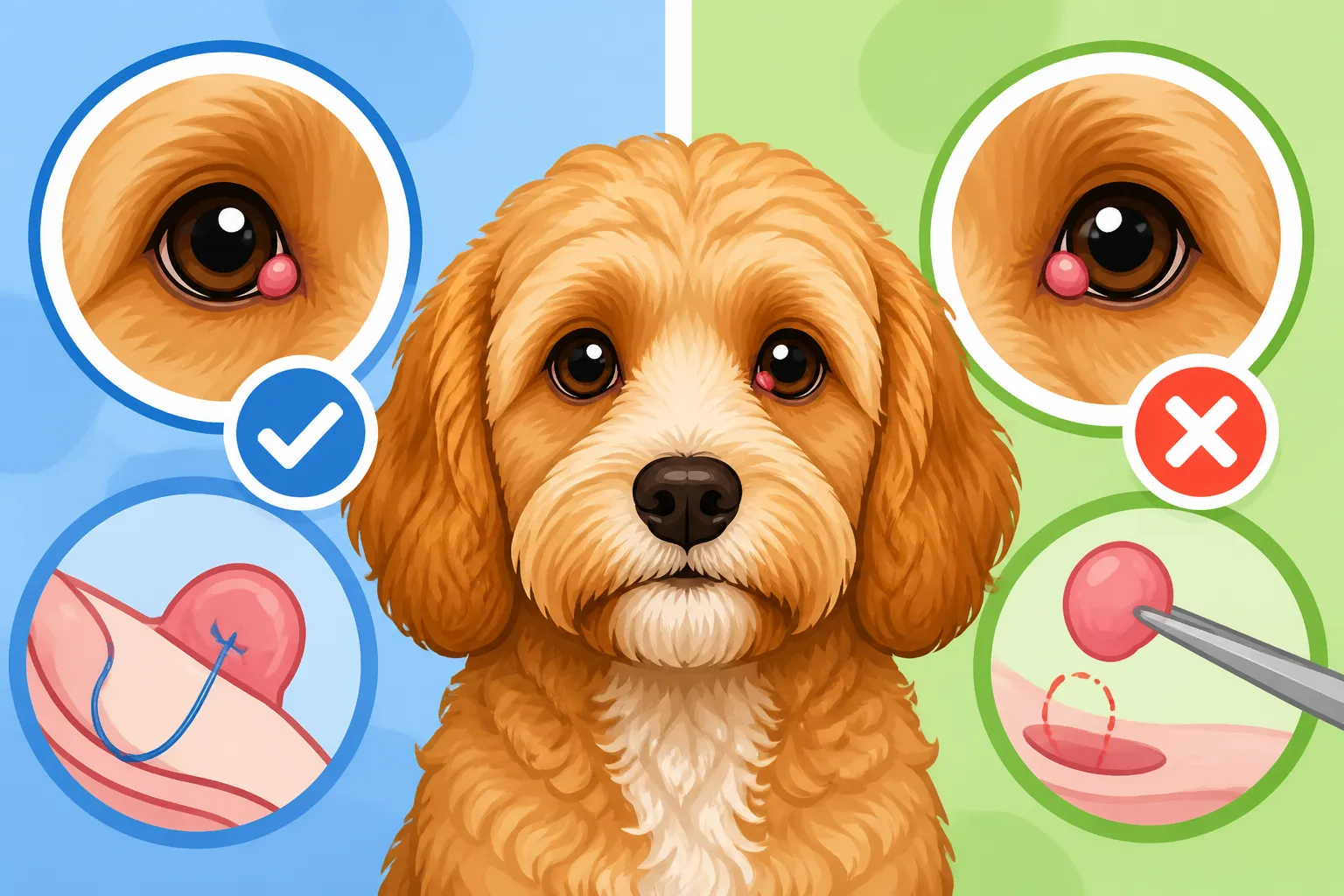
Whether Cherry Eye in a Cockapoo Is Tacked or Removed
Finding that bright red, fleshy mass popping out of your beloved Cockapoo's eye can be incredibly alarming. It looks painful, uncomfortable, and often appears quite suddenly, leaving many pet parents worried about their dog's vision and overall well-being. This guide will walk you through what cherry eye is, why Cockapoos are susceptible, and critically, the different surgical options available – whether it's best to tack (reposition) or remove the gland, and what that means for your furry friend's future eye health.
Understanding Cherry Eye in Your Cockapoo
Cherry eye, medically known as a prolapse of the nictitating membrane gland, is one of those conditions that looks much worse than it actually is in terms of immediate pain, but demands prompt attention to prevent long-term issues. It's not just a cosmetic problem; that little gland plays a vital role in your dog's eye health.
What Exactly is Cherry Eye?
Imagine your Cockapoo has a "third eyelid" tucked away in the corner of their eye, closest to their nose. This isn't just an extra flap; it houses a tear-producing gland, called the nictitans gland, which contributes a significant portion (around 30-50%) of the eye's aqueous tear film. This tear film is absolutely crucial for lubricating and protecting the eye.
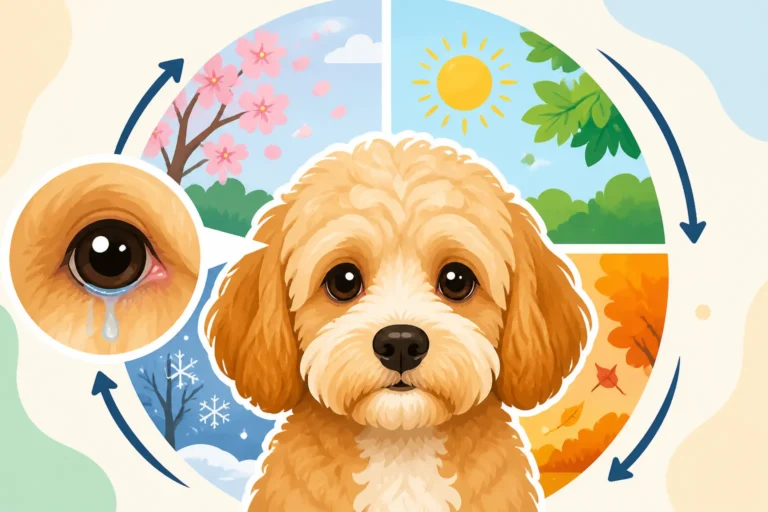
Normally, this gland is securely anchored by fibrous tissue. However, when that tissue weakens or stretches, the gland can pop out, or "prolapse," becoming visible as a pink or reddish mass. It looks like a small cherry, hence the common name. While it might not be excruciatingly painful at first, it can become irritated, inflamed, and susceptible to infection if left untreated. The gland's exposure to air and irritants can cause it to swell further, become dry, and even compromise its ability to produce tears. You might notice your Cockapoo rubbing their eye, blinking excessively, or producing discharge. If you've ever worried about The Red Eye That Means a Cockapoo Needs a Vet Tonight, cherry eye is certainly one of those scenarios that warrants immediate veterinary attention, even if it's not always an emergency.
Why Cockapoos Are Prone to Cherry Eye
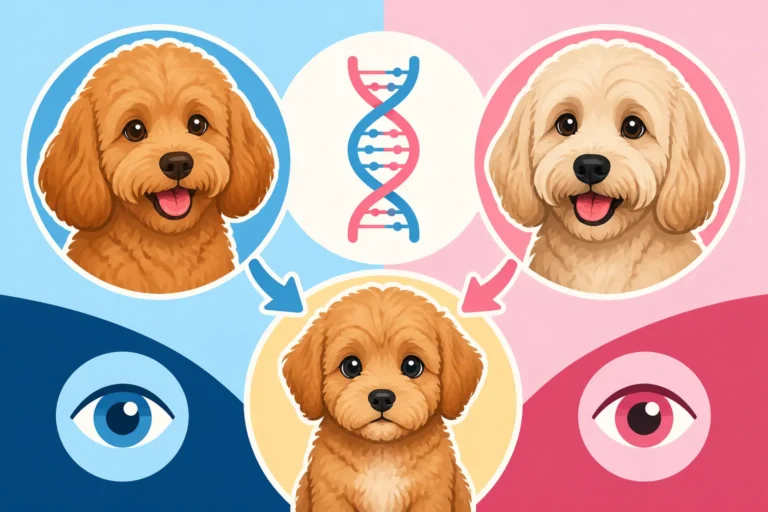
It's a frustrating reality that some breeds, and therefore some mixed breeds like our beloved Cockapoos, are more predisposed to certain health conditions due to their genetic lineage. Cherry eye is one of these conditions. Both parent breeds of the Cockapoo – the Cocker Spaniel and the Poodle – are known to have a higher incidence of cherry eye.
Cocker Spaniels, particularly American Cocker Spaniels, have a genetic predisposition to weaker connective tissue around the nictitating membrane, making their third eyelid gland more likely to prolapse. Poodles, especially smaller varieties like Toy and Miniature Poodles which are frequently used in Cockapoo breeding, also carry a genetic inclination towards this issue. When you combine these two predispositions, you get a Cockapoo that unfortunately has a statistically higher chance of developing cherry eye. It's often seen in puppies or young dogs, typically before the age of two, but can appear at any age. This genetic factor underscores the importance of choosing a reputable breeder who screens their breeding stock for such inheritable conditions, though cherry eye isn't always directly tested for.
The Two Main Surgical Approaches: Tacking vs. Removal
When your vet diagnoses cherry eye, the primary treatment is almost always surgical. The critical decision then becomes which surgical method to employ. This isn't just a matter of preference; it has significant long-term implications for your Cockapoo's eye health.
Gland Tacking (Repositioning)
The vast majority of veterinarians, and certainly ophthalmology specialists, advocate for gland tacking, or repositioning, as the preferred treatment for cherry eye. This procedure aims to put the prolapsed gland back into its natural position behind the third eyelid and secure it there.
There are several variations of the tacking technique, but they all share the common goal of preserving the tear gland's function. One popular method is the "pocket technique" or "conjunctival pocket imbrication," where a small incision is made in the conjunctiva (the membrane lining the eyelid), and the gland is tucked into a created pocket. The edges of this pocket are then sutured closed over the gland, effectively burying it and securing it in place. Another method involves suturing the gland directly to the periosteum (bone covering) of the orbital rim. The success rate for these procedures is generally quite high, often exceeding 90%. The paramount benefit of tacking is that it preserves the gland's ability to produce tears. This is incredibly important because dogs, and Cockapoos in particular, can be prone to conditions like Whether a Cockapoo Gets Dry Eye later in life, and that third eyelid gland is a vital contributor to overall tear production. Losing this gland can significantly increase the risk of developing chronic dry eye, a painful and lifelong condition. After surgery, your Cockapoo will likely need an Elizabethan collar (E-collar) to prevent them from pawing at the incision, along with eye drops and oral medications to manage inflammation and prevent infection. Most dogs recover well within a couple of weeks, though follow-up visits are essential to ensure proper healing and function.
Gland Removal (Excision)
While gland removal might sound like a straightforward solution, it is almost universally discouraged by veterinary ophthalmologists due to the severe long-term risks. This procedure involves surgically excising (cutting out) the prolapsed nictitans gland entirely. In the past, before the understanding of the gland's crucial role in tear production became widespread, removal was a more common practice. However, our knowledge has greatly advanced since then.
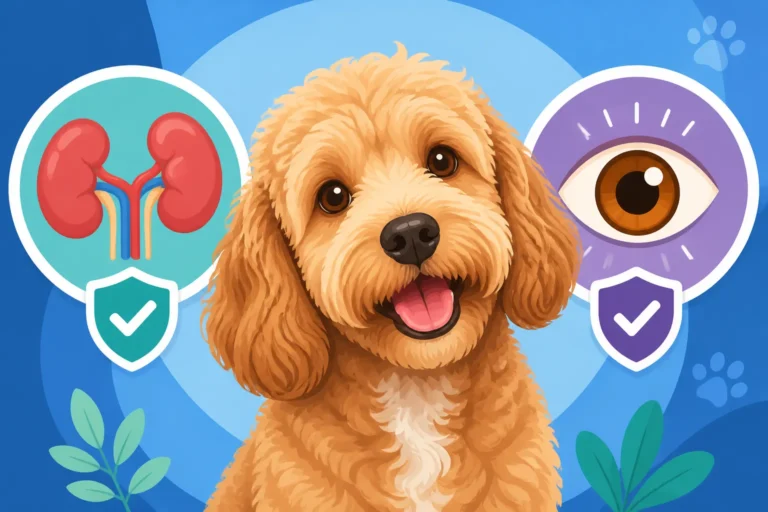
The biggest and most concerning risk associated with gland removal is the dramatically increased likelihood of developing Keratoconjunctivitis Sicca (KCS), or "dry eye." As mentioned, this gland produces a significant portion of the eye's tears. Removing it can drastically reduce tear production, leading to chronic dryness, irritation, inflammation, and recurring infections. Dry eye is a lifelong condition that requires daily medicated eye drops and frequent veterinary check-ups, which can be both costly and time-consuming for the owner, and uncomfortable for the dog. Think about how vital regular The Kidney and Eye Checks a Cockapoo Needs Yearly are for overall health; the eyes are no exception, especially if they are predisposed to issues. In very rare circumstances, gland removal might be considered only if the gland is severely damaged, necrotic (dead tissue), or if multiple attempts at tacking have failed, and the gland's function is already completely compromised. Even then, the decision is not taken lightly, and your veterinarian would have a serious conversation with you about the high probability of lifelong dry eye management.
Post-Operative Care and Long-Term Management
Bringing your Cockapoo home after cherry eye surgery is just the beginning of their recovery journey. Proper post-operative care is crucial for healing and preventing complications. You'll also need to be aware of potential long-term issues, especially if the gland was removed, though this is rare.
What to Expect After Surgery
Your vet will send you home with detailed instructions, and it's important to follow them diligently. Typically, your Cockapoo will have an Elizabethan collar (the dreaded "cone of shame") to wear for 10-14 days to prevent them from rubbing or scratching their eye, which could open sutures or introduce infection. This is non-negotiable, even if your pup looks miserable. You'll likely be prescribed eye drops or ointments, usually a combination of antibiotics and anti-inflammatory medications, to be administered several times a day. Oral pain medication might also be given for a few days to ensure comfort.
During this time, it's vital to keep the surgical site clean and monitor for any signs of infection, such as excessive redness, swelling, discharge, or if your Cockapoo seems to be in more pain. You'll have a follow-up appointment, usually within 1-2 weeks, for the vet to check the healing process and potentially remove any external sutures (though many vets use dissolvable sutures). It's a bit of a commitment, but helping your dog through this period ensures the best possible outcome. This is a good time to remember that pre-surgical assessments like Whether a Cockapoo Needs a Clotting Test Before Surgery are important for any surgical procedure.
Potential Complications and What to Watch For
Even with the best surgical technique and diligent post-operative care, complications can arise. The most common complication after a tacking procedure is recurrence, meaning the gland prolapses again. This happens in a small percentage of cases, often due to persistent weakness in the anchoring tissues, and may require a second surgery, possibly by a veterinary ophthalmologist if the first procedure was done by a general practitioner.
If, against veterinary advice, the gland was removed (which, again, is highly unlikely and discouraged), the primary concern is the development of dry eye (KCS). You might notice your Cockapoo's eyes appearing dull, red, or having thick, stringy discharge, along with increased blinking or rubbing. This requires lifelong daily eye medication to manage. Beyond these specific issues, any eye surgery carries general risks like infection or suture reaction. Keep an eye out for any persistent redness, swelling, discharge, squinting, or a sudden change in behavior or appetite. If you're ever in doubt, don't hesitate to call your vet. Conditions like Whether a Cockapoo's Eyelids Roll Inward can also cause similar irritation, so a proper diagnosis is key.
Financial Considerations and Insurance
Let's be real, veterinary care, especially surgery, can be expensive. The cost of cherry eye surgery can vary widely depending on your location, the specific vet clinic, whether a specialist ophthalmologist is involved, and the complexity of the procedure. Generally, you can expect the surgery for one eye to range anywhere from $400 to $1,000 or more. If both eyes are affected, or if a recurrence requires a second surgery, these costs can quickly add up.
This is where planning ahead with pet insurance can really make a difference. Policies from providers like Healthy Paws can help cover a significant portion of these unexpected surgical costs, making it much easier to afford the best possible care for your Cockapoo without facing a huge financial burden all at once. It's truly a relief to know you won't have to choose between your dog's health and your wallet. Even for ongoing conditions like chronic dry eye, if that were to unfortunately develop after removal, pet insurance can often help with the costs of lifelong medication and regular check-ups. It's certainly worth researching policies for your Cockapoo, especially considering other common issues such as Progressive Retinal Atrophy in a Cockapoo.
Deciding on the Best Course of Action for Your Cockapoo
Choosing the right path for your Cockapoo's cherry eye can feel daunting, but with the right information and professional guidance, you can make an informed decision that prioritizes their long-term health and comfort.
Consulting with Your Veterinarian and Specialist
The very first step upon noticing any eye issue, especially something as visible as cherry eye, is to get your Cockapoo to your veterinarian. Your general practice vet can confirm the diagnosis and discuss the initial treatment options. They will likely recommend the gland tacking procedure.
However, if your vet has any concerns about the complexity of the case, or if there's a history of recurrence or other eye problems, they might recommend a referral to a board-certified veterinary ophthalmologist. These specialists have advanced training and equipment specifically for eye conditions and can offer the most refined surgical techniques, often leading to higher success rates for complex cases. They can also perform a comprehensive eye exam, which might include tests to measure tear production (Schirmer Tear Test) and assess for any underlying issues that could impact surgical success or predispose your Cockapoo to future problems, such as Whether a Cockapoo's Eyes Run All Year. Don't hesitate to ask questions and discuss all your concerns with both your general vet and any specialists you consult.
Weighing the Pros and Cons
To help you visualize the options, here's a quick comparison of tacking versus removal:
| Feature | Gland Tacking (Repositioning) | Gland Removal (Excision) |
|---|---|---|
| Primary Goal | Preserve tear gland function and appearance | Eliminate the visible prolapse |
| Procedure | Gland is surgically put back in place and secured | Gland is cut out entirely |
| Success Rate (Initial) | High (often >90%) | Very high (prolapse won't recur) |
| Risk of Recurrence | Low to moderate (5-15%) | None for cherry eye itself |
| Risk of Dry Eye (KCS) | Very low (gland preserved) | Extremely high (gland removed, requires lifelong meds) |
| Post-Op Care | E-collar, eye drops/ointments, pain meds, vet checks | Same as tacking, but often lifelong dry eye meds needed |
| Long-Term Outlook | Excellent, healthy tear production maintained | High chance of chronic dry eye, ongoing management needed |
| Cost | Moderate to high (surgery cost) | Moderate to high (surgery cost, plus lifelong dry eye meds) |
As you can see, the overwhelming evidence points to tacking as the superior option because it preserves the vital tear-producing function. While a second surgery for recurrence is a possibility with tacking, it is generally preferred over the almost guaranteed lifelong struggle with dry eye that comes with gland removal. Pet insurance plans, such as those offered by Healthy Paws, are particularly beneficial in helping to manage the costs associated with either initial surgery or any subsequent treatments, including those for potential recurrences or the unfortunate event of dry eye. Your Cockapoo relies on those tears for comfort and vision, making gland preservation paramount for their quality of life.
Disclaimer
The information provided in this article is for general informational purposes only and is not a substitute for professional veterinary medical advice, diagnosis, or treatment. Always seek the advice of your veterinarian or other qualified animal health provider with any questions you may have regarding a medical condition or the health and welfare of your pet.