Whether a Cockapoo Needs a Clotting Test Before Surgery
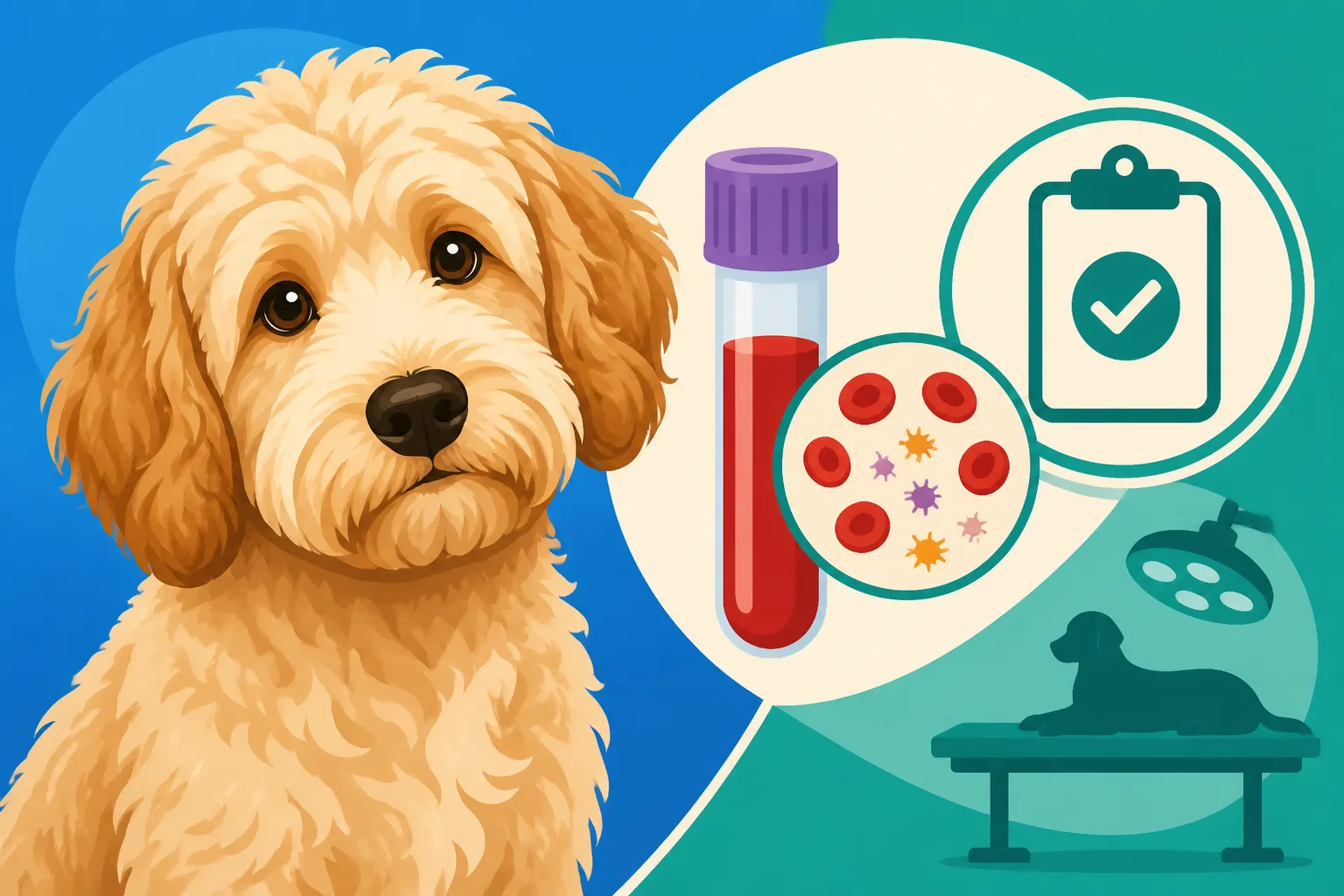
The thought of your beloved Cockapoo going under anesthetic for any procedure, big or small, is enough to tie any pet parent's stomach in knots. We fret about everything from how they'll react to the medication to whether they'll be in pain afterward. But one concern that often gets overlooked, yet is incredibly vital, is ensuring your furry friend's blood clots properly. This guide will walk you through why a clotting test might be necessary for your Cockapoo before surgery, what it entails, and how it can offer immense peace of mind.
Understanding Why Clotting Tests Are So Important for Your Cockapoo
It’s easy to assume that all dogs, just like people, have blood that clots perfectly on its own. Unfortunately, that’s not always the case, especially with breeds that carry specific genetic predispositions. For Cockapoos, a breed beloved for their joyful personalities and curly coats, understanding their genetic lineage is key to proactive health management.
The Genetic Predisposition to Bleeding Disorders
Cockapoos are a cross between Cocker Spaniels and Poodles, and while this mix often results in a wonderfully robust companion, it also means they can inherit genetic traits from both sides – good and, occasionally, challenging. Poodles, in particular, are known to be carriers for certain bleeding disorders, which can then be passed down to their Cockapoo offspring. When a dog has a bleeding disorder, their blood doesn't clot as efficiently as it should. This can turn a routine surgery, like a dental cleaning or a spay/neuter, into a life-threatening event due to excessive blood loss. It's a scary thought, but being informed is your best defense.
Von Willebrand Disease (vWD) and the Cockapoo Connection
The most commonly discussed bleeding disorder in Poodles, and by extension, Cockapoos, is Von Willebrand Disease (vWD). This isn't just a minor issue; it's a serious inherited blood disorder caused by a deficiency in von Willebrand factor, a protein necessary for proper platelet function and blood clotting. There are different types of vWD, with Type I being the most prevalent in Standard Poodles, and often seen in Miniature Poodles too. If a Cockapoo inherits this condition, it means their body doesn't produce enough of this crucial clotting factor, or the factor produced doesn't work correctly.
Imagine your Cockapoo undergoing a routine dental procedure. Without adequate von Willebrand factor, a simple tooth extraction could lead to uncontrollable bleeding. This isn't about blaming the breed; it's about being aware of the risks inherent in their genetic makeup so you can take preventative steps. Understanding Whether a Cockapoo Carries a Bleeding Disorder is a conversation every Cockapoo owner should have with their vet and, ideally, their breeder.
Identifying Potential Issues and When to Test
So, how do you know if your Cockapoo might be at risk? Sometimes, the signs can be subtle, or not present at all until a stressful event like surgery. That's why proactive testing is such a powerful tool in your pet's healthcare arsenal.
Subtle Clues That Might Indicate a Bleeding Disorder
While some dogs with bleeding disorders show no obvious symptoms in daily life, others might display tell-tale signs. It's not always a dramatic gush of blood; sometimes it's more subtle. You might notice:
- Easy Bruising: Your Cockapoo might develop bruises from minor bumps or playful roughhousing that seem disproportionately large or take a long time to fade.
- Prolonged Bleeding from Minor Wounds: A small cut on a paw or a tiny scratch from a thorn bush might bleed for an unusually long time.
- Nosebleeds: Unexplained nosebleeds, especially if they are frequent or difficult to stop, could be a red flag.
- Bleeding Gums: While dental disease can cause bleeding gums, persistent or excessive bleeding even with good oral hygiene could be a concern.
- Blood in Stool or Urine: This is always a sign to see a vet, but in combination with other symptoms, it could indicate an internal bleeding issue.
Of course, these symptoms can point to many different health issues, so it's essential not to jump to conclusions but rather to use them as a reason to have a thorough conversation with your veterinarian.
When a Clotting Test is Non-Negotiable
While being observant of your dog's daily health is crucial, there are specific situations where your vet will almost certainly recommend a clotting test before any invasive procedure. These include:
- Before any Surgery, Especially Elective Ones: This is the most common scenario. Whether it's a spay or neuter, a lump removal, or a bladder stone extraction, understanding your dog's clotting ability before they go under the knife is critical. Many responsible vets will insist on a pre-surgical blood panel that includes basic clotting tests. If your vet recommends Whether a Cockapoo Should Be vWD Tested Before Neutering, they're looking out for your dog's best interests.
- Before Extensive Dental Work: Dental procedures, particularly those involving extractions, can be quite invasive and lead to significant bleeding. Knowing if your Cockapoo is at risk beforehand allows the vet to take precautions.
- If There's a Family History: If you know your Cockapoo's parents or other relatives had a diagnosed bleeding disorder, or if the breeder provided documentation of carrier status, testing your dog becomes even more important. A good breeder will be transparent about genetic health testing, similar to how they'd discuss The FN DNA Test a Cockapoo Breeder Runs for kidney issues.
- If Your Dog Has Previously Experienced Abnormal Bleeding: Any past instances of excessive bleeding, even from a minor injury or veterinary procedure, warrant a clotting evaluation before future surgeries.
Ignoring these tests can lead to serious complications during or after surgery, including the need for emergency transfusions, extended hospital stays, or even tragic outcomes.
The Risks of Skipping the Test
It might seem like an extra expense or another hurdle to jump through, but skipping a pre-surgical clotting test, especially for a Cockapoo with Poodle lineage, carries significant risks. The most immediate and terrifying risk is uncontrolled hemorrhage during surgery. This can make the procedure far more complicated, extend anesthetic time, and drastically increase the risk of shock or death on the operating table.
Even if a dog survives the immediate surgery, they could suffer from post-operative bleeding, which might not be immediately apparent. Internal bleeding can be difficult to detect until it's severe, leading to dangerous complications and requiring further, potentially more invasive, interventions. Additionally, the need for emergency blood transfusions or specialized medications to stop bleeding can significantly drive up vet bills, adding financial strain to an already stressful situation. Prevention, in this case, is not only kinder to your dog but also often kinder to your wallet.
The Clotting Test Process and What the Results Mean
So, you and your vet have decided a clotting test is a good idea. What exactly does that involve, and what are they looking for? Understanding the process can help alleviate some of your anxieties.
Types of Clotting Tests
There are a few different ways vets can assess your Cockapoo's clotting ability, ranging from quick in-house checks to specialized laboratory tests.
- Buccal Mucosal Bleeding Time (BMBT): This is a simple, quick test that can be performed in the veterinary office. A small incision is made on the inside of the dog's lip (buccal mucosa), and the time it takes for the bleeding to stop is measured. A prolonged bleeding time suggests a platelet dysfunction or a deficiency in von Willebrand factor. It's a good screening test, but not highly specific for vWD.
- Activated Partial Thromboplastin Time (aPTT) and Prothrombin Time (PT): These are common blood tests often included in a pre-surgical blood panel. They measure how long it takes for blood to clot in a test tube, assessing different parts of the coagulation cascade. Abnormal results can indicate various clotting factor deficiencies or liver disease, among other issues.
- Von Willebrand Factor Antigen (vWF:Ag) Test: This is a more specific blood test that measures the amount of von Willebrand factor protein in the blood. Lower levels indicate vWD. This test is usually sent to a specialized veterinary laboratory.
- DNA Test for vWD: This is the most definitive test for Von Willebrand Disease. A cheek swab or blood sample is sent to a genetic testing lab. This test identifies if a dog is clear, a carrier, or affected by the vWD gene mutation. It's often recommended for breeding dogs to prevent passing the trait to future generations. For many pet owners, a DNA test offers the most comprehensive answer about their dog's genetic predisposition.
Here's a quick comparison of common clotting tests:
| Test Type | What It Measures | Primary Use | Specificity for vWD |
|---|---|---|---|
| Buccal Mucosal Bleeding Time (BMBT) | Time to stop bleeding from a small incision | General screening for platelet function | Low |
| PT/aPTT | Time for blood to clot in a tube (different pathways) | Screening for various clotting factors | Low-Medium |
| vWF:Ag Test | Amount of von Willebrand factor in blood | Diagnostic for vWD | High |
| DNA Test | Presence of vWD gene mutation (clear, carrier, affected) | Definitive diagnosis/breeding status | Very High (genetic) |
Interpreting the Results
Once your Cockapoo has been tested, your vet will explain what the results mean for their health and any upcoming procedures.
- Clear: If your Cockapoo tests "clear" on a DNA panel, it means they do not carry the specific vWD gene mutation and are highly unlikely to be affected by the disease. This is fantastic news, though other rare bleeding disorders still exist.
- Carrier: A "carrier" dog has one copy of the vWD gene mutation but usually does not show clinical signs of the disease themselves. However, if bred with another carrier, they could produce affected puppies. For a pet Cockapoo, being a carrier might still warrant extra caution during surgery, as their clotting factor levels could be lower than a completely clear dog.
- Affected: An "affected" dog has two copies of the vWD gene mutation and is at high risk of exhibiting symptoms and experiencing significant bleeding problems. For these dogs, pre-surgical planning is paramount, and specific protocols will be put in place.
Even with a "clear" result, your vet might still run a BMBT or aPTT/PT as a general health check, as clotting can be affected by other factors like certain medications or underlying health conditions. Remember, regular health checks like The Kidney and Eye Checks a Cockapoo Needs Yearly are always a good idea.
Managing a Cockapoo with a Bleeding Disorder
If your Cockapoo is found to have a bleeding disorder, it doesn't mean they can't live a full, happy life. It simply means a bit more vigilance and careful planning for medical procedures.
Before surgery, your vet might administer a specific medication called desmopressin (DDAVP) to temporarily increase von Willebrand factor levels in dogs with Type I vWD. In more severe cases, a plasma transfusion might be necessary before or during surgery to supply the missing clotting factors. Your veterinary team will develop a tailored plan to ensure the safest possible outcome. Open communication with your vet is key, and don't hesitate to ask for clarification on any aspect of the plan.
Navigating Veterinary Care and Financial Planning
Dealing with a potential health issue and facing surgery for your dog can be emotionally and financially taxing. Being prepared and knowing what questions to ask can make a world of difference.
Discussing Options with Your Veterinarian
Your veterinarian is your most important ally in managing your Cockapoo's health. When discussing pre-surgical clotting tests, don't be afraid to ask detailed questions:
- "Given my Cockapoo's breed mix, what specific bleeding disorders are you concerned about?"
- "What type of clotting tests do you recommend, and why?"
- "What are the potential risks if we don't run these tests?"
- "If the tests come back abnormal, what are our options for mitigating risk during surgery?"
- "What is the cost associated with these tests?"
A good vet will take the time to explain everything thoroughly, ensuring you feel comfortable and informed. They understand that a pet is a cherished family member, and the decision-making process can be tough.
The Role of Responsible Breeding
While you might be reading this with an adult Cockapoo already by your side, it's worth a moment to discuss the role of responsible breeding in preventing these issues. Reputable breeders will actively screen their breeding dogs for genetic conditions common to both Poodles and Cocker Spaniels, including vWD. They should be able to provide clear documentation of these health clearances for both parent dogs. If you're considering a future Cockapoo puppy, asking a breeder for certificates and understanding their health testing protocols is paramount. This level of transparency helps ensure Whether Two Registries Have Made Cockapoos Healthier and that genetic diseases are less prevalent. The initial cost of a puppy can vary greatly, with The Two Hundred to Three Thousand Spread on a Cockapoo often reflecting the breeder's investment in health testing and quality care.
Financial Considerations and Pet Insurance
Let's be real: veterinary care, especially specialized tests or emergency procedures, can be expensive. The cost of a full genetic panel for vWD can vary, and if a bleeding disorder is diagnosed, future surgeries might require more intensive care, potentially including transfusions, which add significantly to the bill. This is where pet insurance can be a real lifesaver.
Companies like Healthy Paws offer comprehensive pet insurance plans that can cover a significant portion of unexpected veterinary costs, including diagnostic tests, emergency treatments, and even ongoing management of chronic conditions. Knowing you have a safety net like Healthy Paws can allow you to make medical decisions based on what's best for your Cockapoo, rather than being solely driven by financial constraints. While it's true that What Insuring a Cockapoo Runs Monthly can feel like another recurring expense, when faced with a medical emergency or a complicated surgery for a condition like vWD, the peace of mind and financial relief offered by Healthy Paws is invaluable. Many policies cover things like diagnostic tests, hospital stays, and even specific medications related to managing a bleeding disorder, ensuring your Cockapoo gets the care they need without you having to dip into emergency savings. Checking What a Cockapoo Policy Costs in Its First Year is a proactive step for any pet owner.
Proactive testing and planning, coupled with responsible financial preparation, ensures that you're ready for whatever your Cockapoo's health journey may bring. After all, they give us so much joy, the least we can do is ensure their safety and well-being.
Disclaimer
This article is intended for informational purposes only and does not constitute veterinary advice. Always consult with a qualified veterinarian for any health concerns or before making any decisions about your pet's medical care.