Whether Paw Print Genetics Tests Cockapoos for FN
Finding out your beloved Cockapoo might be at risk for a serious genetic health condition like Familial Nephropathy (FN) can be incredibly stressful and confusing. It throws a real wrench into the joy of dog ownership, leaving you wondering what steps you can take to ensure your furry friend lives a long, healthy life. This comprehensive guide is here to cut through the confusion and explain exactly how genetic testing, particularly from labs like Paw Print Genetics, plays a crucial role in safeguarding your Cockapoo's future.
Understanding Familial Nephropathy in Cockapoos
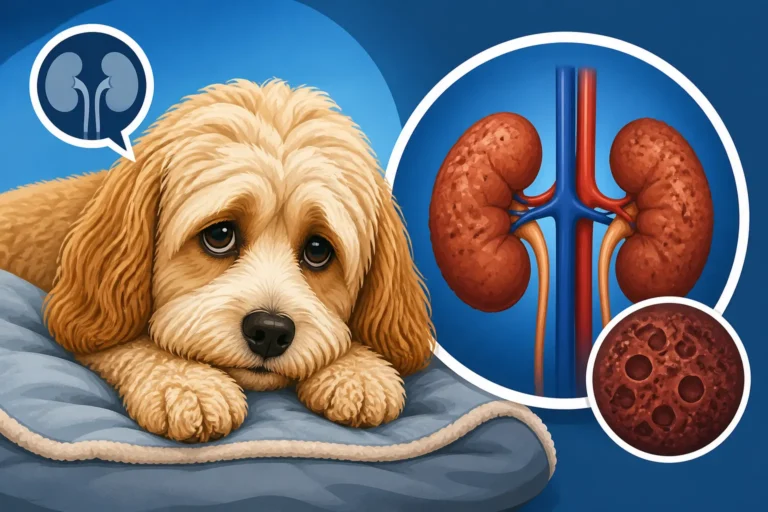
Familial Nephropathy (FN) is one of those scary terms that no dog owner ever wants to hear. It's a genetic kidney disease that, unfortunately, can be inherited by our sweet Cockapoos, primarily from their Cocker Spaniel lineage. It’s not just a general kidney issue that might come with old age; this is a specific, often devastating condition that impacts how a dog's kidneys develop and function, typically leading to early-onset kidney failure.
What is FN and Why is it a Concern?
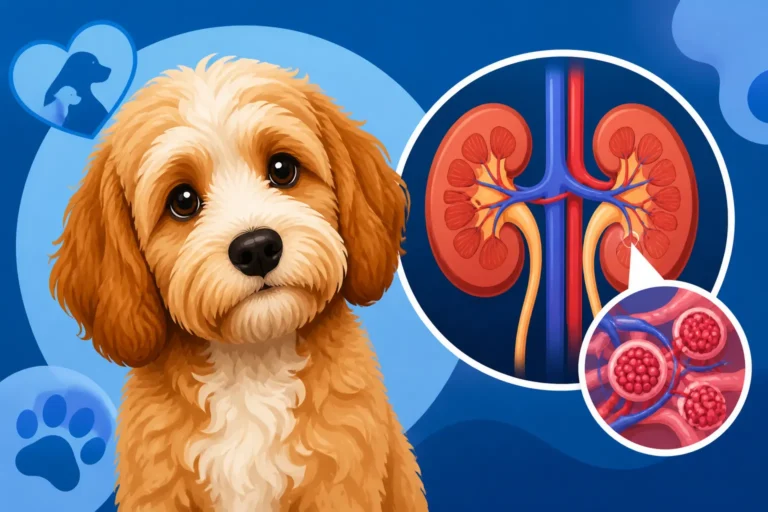
At its heart, Familial Nephropathy is a progressive, inherited kidney disease. It's caused by a specific genetic mutation that affects the filtration units in the kidneys, called glomeruli. Think of it like a faulty filter: instead of effectively removing waste products from the blood and retaining essential proteins, the kidneys struggle. Over time, this damage builds up, leading to kidney failure. What makes it particularly heartbreaking for Cockapoo owners is that the disease often manifests in young dogs, sometimes as early as 6 months to 2 years of age, though symptoms can appear later. It’s a silent threat lurking in the genetic code, and without proper testing, you might not know it's there until it's too late. The early onset means that a seemingly healthy, energetic puppy could develop serious health problems before they even reach adulthood, which is a truly devastating prospect for any family.
How FN Affects Cockapoos Specifically
Because Cockapoos are a cross between Cocker Spaniels (either American or English) and Poodles, they inherit traits and potential health conditions from both sides of their family tree. Familial Nephropathy is strongly associated with the Cocker Spaniel breed, particularly the English Cocker Spaniel, and less commonly the American Cocker Spaniel. This means if your Cockapoo has Cocker Spaniel ancestors, especially if they are of English Cocker lines, the risk of inheriting FN is a very real concern. When a Cockapoo inherits two copies of the mutated gene (one from each parent), they are considered "affected" and will develop the disease. If they inherit only one copy, they are "carriers" – they won't get sick themselves, but they can pass the gene on to their offspring. This is why understanding Familial Nephropathy and the Kidneys a Cockapoo Can Inherit is so vital for both breeders and prospective owners.
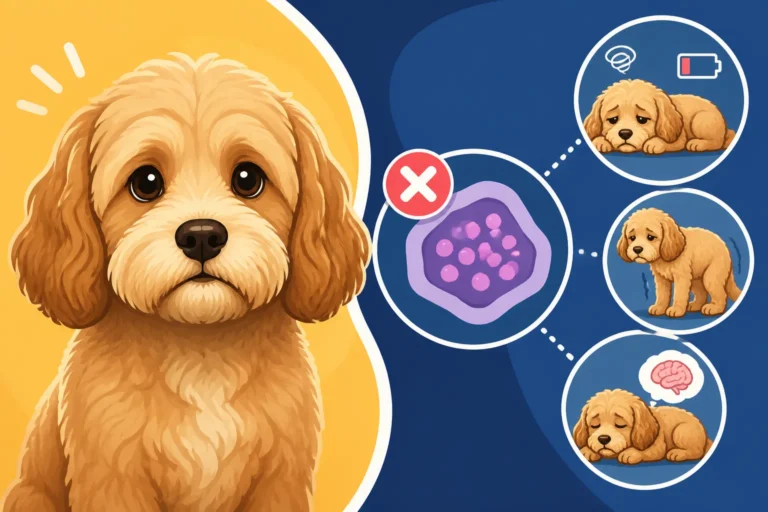
The signs of FN can be subtle at first, making it easy to miss. Owners might notice their young Cockapoo drinking excessively, needing to urinate more frequently, or perhaps having accidents in the house when they were previously house-trained. As the disease progresses, more severe symptoms like lethargy, loss of appetite, weight loss, vomiting, and a dull, unhealthy coat can appear. This progression is what makes What Familial Nephropathy Does to a Cockapoo so critical to understand.
The Importance of DNA Testing for FN
Given the devastating nature of FN and its potential to strike young dogs, DNA testing is absolutely paramount. It's the only way to definitively determine a dog's genetic status – whether they are clear, a carrier, or affected. For breeders, this information is indispensable. Responsible breeders use DNA testing to make informed breeding decisions, ensuring they never mate two carrier dogs, which would result in 25% of the litter being affected by FN. This practice is essential to eradicating the disease from future generations of Cockapoos. Imagine the heartbreak of adopting a puppy only to find out months later it’s developing kidney failure – that's what we're trying to prevent.
For potential puppy owners, knowing the FN status of a puppy's parents (and the puppy itself, if possible) provides immense peace of mind. It allows you to choose a puppy with confidence, knowing you're significantly reducing the risk of this particular genetic disease. If a breeder can’t provide proof of FN testing for their breeding dogs, it should be a major red flag, because ultimately an untested Cockapoo litter is a gamble on the health and future of your new family member.
Navigating Genetic Testing for Your Cockapoo
When it comes to genetic health, you really can't cut corners. Choosing the right laboratory and understanding the nuances of genetic testing for your Cockapoo is a crucial part of responsible pet ownership, whether you're a seasoned breeder or a loving pet parent.
The Role of Reputable Labs in Genetic Health
Not all genetic testing labs are created equal. When you're dealing with something as serious as inherited disease, you need to rely on laboratories that specialize in canine genetics, employ robust scientific methods, and have a proven track record of accuracy and reliability. These labs often have veterinarians and geneticists on staff to ensure that the tests they offer are relevant, accurate, and interpreted correctly. They should be transparent about their testing methodologies and provide clear, easy-to-understand results. Opting for a reputable lab ensures that the information you receive about your Cockapoo's genetic health is trustworthy, giving you a solid foundation for making health and breeding decisions.
These specialized labs often offer comprehensive breed-specific panels that test for multiple conditions common to a particular breed or its parent breeds. For Cockapoos, this means looking for panels that include conditions relevant to Cocker Spaniels and Poodles, beyond just FN, such as progressive retinal atrophy (PRA) or patellar luxation predispositions.
Why Breeders Should Test Both Parents
This point cannot be stressed enough: responsible Cockapoo breeders absolutely must test both parent dogs for FN. Familial Nephropathy is an autosomal recessive condition. This means a puppy will only be affected if it inherits a copy of the mutated gene from both its mother and its father. If only one parent is a carrier and the other is clear, none of the puppies will be affected, although some will be carriers themselves. However, if both parents are carriers, there's a 25% chance that each puppy in the litter will be affected, a 50% chance they'll be carriers, and a 25% chance they'll be clear. This is the simple genetic math behind Why Two Carrier Parents Produce an Affected Cockapoo.
Without testing both parents, a breeder is essentially gambling with the health of an entire litter. Any breeder worth their salt will have readily available documentation showing that both their male and female breeding dogs have been tested and cleared for FN, or at least that one parent is clear if the other is a carrier. This proactive approach prevents affected puppies from ever being born and helps to ensure a healthier future for the breed as a whole. Don't be shy about Asking a Cockapoo Breeder for the FN Certificate – it's your right as a buyer.
What to Look For in a Genetic Test Panel
When considering genetic testing for a Cockapoo, look for a comprehensive panel that covers not just FN but also other common inherited diseases from both the Cocker Spaniel and Poodle sides. Key tests might include:
- Familial Nephropathy (FN): As we've discussed, crucial for kidney health.
- Progressive Retinal Atrophy (prcd-PRA): A devastating eye disease that leads to blindness. It’s worth checking Whether Both Cockapoo Parents Must Be prcd-PRA Clear.
- Von Willebrand's Disease (vWD): A bleeding disorder.
- Phosphofructokinase Deficiency (PFK): A metabolic disorder affecting energy.
- Degenerative Myelopathy (DM): A progressive spinal cord disease.
A good genetic test panel will screen for these and other relevant conditions, giving you a holistic view of your Cockapoo’s genetic predisposition. These panels typically use a simple cheek swab, making the collection process stress-free for both you and your dog. The results provide invaluable insights, helping you to understand potential future health challenges and work proactively with your veterinarian. This holistic approach helps ensure the overall health of your Cockapoo for its full lifespan, sometimes as long as The Fourteen to Eighteen Years a Cockapoo Lives.
Does Paw Print Genetics Offer FN Testing for Cockapoos?
When you’re seeking reliable genetic testing for your Cockapoo, especially for serious conditions like Familial Nephropathy, knowing which laboratories offer the specific tests you need is half the battle. Many dog owners turn to well-known labs, and Paw Print Genetics is certainly one that comes up frequently in discussions about canine genetic health.
The Direct Answer
Yes, Paw Print Genetics does offer testing for Familial Nephropathy (FN) that is relevant for Cockapoos. While they might list the test specifically under breeds like the English Cocker Spaniel or American Cocker Spaniel, it's the exact same gene mutation test that applies to Cockapoos because the disease is inherited from their Cocker Spaniel ancestry. Paw Print Genetics is a highly reputable laboratory that provides specific DNA tests for a wide array of inherited diseases in dogs. Their FN test identifies whether a dog is clear, a carrier, or affected by the genetic mutation associated with the disease. This is precisely the kind of detailed and specific information that allows breeders to make informed choices and helps prospective puppy owners assess their potential puppy's genetic health. Their tests for FN are typically part of a larger breed-specific panel for Cocker Spaniels, which conveniently covers many of the genetic predispositions a Cockapoo might inherit.
How Paw Print Genetics' Tests Work
The process of getting your Cockapoo tested with Paw Print Genetics is quite straightforward, designed to be as easy as possible for both you and your dog. It usually involves these steps:
- Ordering the Test Kit: You start by visiting the Paw Print Genetics website and ordering the appropriate DNA test kit. For a Cockapoo, you'd likely look for a Cocker Spaniel panel that includes FN, or individual FN testing. The kit contains everything you need.
- Sample Collection: The kit typically includes sterile cheek swabs. You gently rub these swabs inside your dog's cheek for a specified amount of time to collect epithelial cells (which contain DNA). It’s a completely painless and non-invasive procedure that you can easily do at home. There’s no need for a vet visit just for sample collection, which is a huge convenience for busy dog parents.
- Sending the Sample: Once you've collected the sample, you place the swabs back into their sterile packaging and mail them back to Paw Print Genetics using the pre-addressed envelope provided in the kit.
- Receiving Results: After the lab receives your sample, they process the DNA and analyze it for the specific genetic markers. This usually takes a few weeks. You'll then receive a detailed report, typically via email, outlining your Cockapoo's genetic status for each condition tested.
The ease of this process means that getting your dog tested for crucial conditions like FN is no longer a complex ordeal, making it accessible to more responsible owners and breeders. This is a crucial step for breeders to ensure their dogs are healthy and to be able to show proof, which is covered more extensively in "The FN DNA Test a Cockapoo Breeder Runs".
Interpreting Paw Print Genetics Results
Understanding your Cockapoo's genetic test results from Paw Print Genetics is key to utilizing the information effectively. The results for FN (and other autosomal recessive conditions) will generally fall into one of three categories:
- Clear (or "Normal"): This means your Cockapoo does not carry the gene mutation for Familial Nephropathy and will not develop the disease, nor can they pass it on to their offspring. This is the ideal result for both pet ownership and breeding.
- Carrier (or "Affected Heterozygous"): A carrier Cockapoo has inherited one copy of the mutated gene but does not typically show symptoms of FN themselves. They are healthy but can pass the gene on to approximately 50% of their offspring. For breeding purposes, a carrier can be safely bred to a "clear" dog, ensuring no affected puppies are produced. However, they should never be bred to another carrier.
- Affected (or "Affected Homozygous"): This indicates that your Cockapoo has inherited two copies of the mutated gene (one from each parent) and will develop Familial Nephropathy. These dogs will exhibit symptoms of the disease, often at a young age, and require lifelong veterinary care. Affected dogs should never be used for breeding.
It's important to remember that a "carrier" status doesn't mean your dog is sick; it simply means they carry the potential to pass the gene on. This genetic knowledge empowers you to make proactive decisions about your Cockapoo's health and, if you're a breeder, to contribute to the health of the entire Cockapoo population. For those concerned about their dog’s well-being, understanding these results is the first step in formulating a care plan with your veterinarian, especially since the disease often dictates The Age Kidney Failure Appears in an Affected Cockapoo.
Beyond Paw Print Genetics: Other Testing Options and Considerations
While Paw Print Genetics is an excellent choice, it’s always good to be aware of the broader landscape of genetic testing options available for your Cockapoo. Different labs might offer slightly different panels or have varying focuses, and understanding these can help you choose the best fit for your specific needs.
Other Reputable Genetic Testing Companies
Beyond Paw Print Genetics, several other highly regarded companies offer comprehensive genetic testing for mixed breeds like Cockapoos. These include:
- Embark Veterinary: Often considered one of the most comprehensive genetic tests available, Embark not only screens for over 200 genetic health conditions (including FN, prcd-PRA, and many others relevant to Cocker Spaniels and Poodles) but also provides detailed breed composition analysis, uncovering the specific percentages of parent breeds in your Cockapoo. Their reports are extensive and user-friendly.
- Optimal Selection (MyDogDNA): This lab also offers comprehensive health screening and breed identification. Similar to Embark, they test for a wide range of genetic disorders, making them another strong contender for Cockapoo owners looking for thorough health insights.
Each of these labs uses slightly different testing methodologies and reports, but all aim to provide accurate and actionable genetic information. When choosing, consider factors like the specific conditions included in their panels, the clarity of their reports, and their customer support. It’s always a good idea to research current reviews and compare their offerings to ensure you’re getting the most value for your investment in your Cockapoo's health.
The Cost and Value of Genetic Testing
Genetic testing for your Cockapoo is an investment, with prices typically ranging from $100 to $300 or more, depending on the lab and the comprehensiveness of the panel. While this might seem like a significant upfront cost, consider the immense value it provides:
- Peace of Mind: Knowing your dog's genetic predispositions allows you to rest easier or prepare for potential issues.
- Proactive Care: If your Cockapoo is a carrier or affected, you can work with your vet on a proactive health plan, including regular screenings (like The Bloodwork That Catches a Cockapoo's Kidney Disease), dietary adjustments, or early intervention, which can significantly improve their quality of life.
- Responsible Breeding: For breeders, it's an indispensable tool for maintaining and improving the health of the breed, preventing the passing on of devastating diseases.
- Potential Cost Savings: While insurance plans like those from Healthy Paws can help with unexpected vet bills, identifying genetic predispositions early might allow for preventative measures that could reduce the severity or frequency of future health crises, potentially saving money on expensive treatments down the line. It's about knowing what you're up against, rather than being blindsided.
Ultimately, the value of genetic testing far outweighs the cost, especially when it comes to preventing or managing severe conditions like FN. It’s a vital tool in ensuring your Cockapoo lives a long, happy, and healthy life.
What to Do with Your Cockapoo's Genetic Information
Once you have your Cockapoo's genetic test results, it's time to put that information to good use.
- For Pet Owners: Share the results with your veterinarian. Even if your dog is "clear" for everything, it's a valuable part of their medical record. If your dog is a carrier for FN or any other condition, your vet can advise you on any specific monitoring or lifestyle adjustments that might be beneficial. If your Cockapoo is unfortunately identified as "affected," this knowledge becomes critical for early management strategies. For example, if your Cockapoo is predisposed to kidney disease, your vet might recommend monitoring kidney values more frequently as they age, even if they aren't yet showing overt symptoms, or recommending specific diets. You might want to discuss whether A Kidney Diet Helps an Affected Cockapoo. Knowing this information can also influence your pet insurance choices, ensuring you select a plan that offers robust coverage for potential hereditary conditions. Many pet insurance providers, including Healthy Paws, offer comprehensive plans, but understanding your pet's predispositions helps you tailor your coverage.
- For Breeders: Genetic test results are non-negotiable for responsible breeding practices. Only breed "clear" dogs to "clear" dogs, or "clear" dogs to "carrier" dogs, to ensure that no "affected" puppies are ever produced. This careful selection helps to gradually reduce the prevalence of genetic diseases within the Cockapoo gene pool. This commitment to health testing is one of The Five Certificates a Cockapoo Breeder Should Show to prospective owners.
Living with a Cockapoo and FN Concerns
Living with a Cockapoo, or any dog, means being vigilant about their health. When you know there's a potential for Familial Nephropathy (FN), that vigilance becomes even more critical. Early detection and proactive management can make a world of difference for your beloved companion.
Early Signs of Kidney Disease to Watch For
Even with the best genetic testing, it’s crucial to know what to look out for. While testing can tell you about a predisposition, symptoms can still manifest. If your Cockapoo is an FN carrier, or if their parents weren't tested, keeping an eye out for these early signs of kidney disease is absolutely vital:
- Increased Thirst and Urination (Polydipsia and Polyuria): This is often one of the first and most noticeable signs. Your dog might seem constantly thirsty, drinking more water than usual, and consequently needing to urinate more frequently. They might start having accidents indoors, even if they're fully house-trained. If your Cockapoo is Whether a Cockapoo Drinking Constantly Should Be Tested, it’s definitely a reason to visit the vet.
- Decreased Appetite and Weight Loss: As kidney function declines, dogs often lose their appetite, which can lead to noticeable weight loss. They might become pickier about their food or stop eating altogether.
- Lethargy and Weakness: A dog with kidney disease may appear unusually tired, less enthusiastic about walks or play, and generally weaker. This could be due to a build-up of toxins in their system that their kidneys aren't clearing.
- Vomiting and Diarrhea: Gastrointestinal upset is common as the toxins accumulate. You might notice frequent vomiting or bouts of diarrhea.
- Poor Coat Condition: A dull, dry, or otherwise unhealthy coat can also be a subtle indicator of underlying health issues, including kidney problems.
- Bad Breath (Halitosis): In more advanced stages, a metallic or ammonia-like odor on your dog's breath can be a sign of kidney failure.
If you observe any of these symptoms, especially in a young Cockapoo, don't delay – contact your veterinarian immediately. Early diagnosis can open up more avenues for treatment and management.
Management and Care for an Affected Cockapoo
If your Cockapoo is diagnosed with FN, or any form of kidney disease, it’s certainly a challenging time, but there are steps you can take to manage the condition and support their quality of life. The goal of management is to slow the progression of the disease and minimize discomfort.
- Veterinary Care is Paramount: Regular check-ups with your veterinarian will become a regular part of your routine. They will monitor your dog's kidney function through blood work and urinalysis, adjusting treatment plans as needed. This ongoing oversight is critical for managing the disease effectively.
- Specialized Diet: One of the most significant interventions is often a prescription kidney diet. These diets are specifically formulated with reduced protein (to lessen the workload on the kidneys), controlled phosphorus levels, and often increased omega-3 fatty acids. They play a huge role in slowing disease progression and making your dog feel better.
- Fluid Therapy: Your vet might recommend subcutaneous (under the skin) fluid administration at home, especially as the disease progresses and dehydration becomes a concern. This helps flush toxins and keep your dog hydrated.
- Medications and Supplements: Various medications can help manage specific symptoms, such as anti-nausea drugs, phosphorus binders, and blood pressure medications. Supplements, like those supporting kidney health or appetite stimulants, might also be considered.
- Hydration and Environment: Always ensure your Cockapoo has access to fresh, clean water. A comfortable, stress-free environment can also contribute to their overall well-being. Keeping them calm and warm, especially if they are feeling unwell, is always a priority.
While FN is a serious condition, understanding it, getting your Cockapoo tested, and being prepared for potential symptoms can help you provide the best possible care. It truly impacts How Long an FN Affected Cockapoo Lives, but with diligent care, you can often extend their comfortable years significantly.
Genetic Testing Comparison
To help clarify your options, here's a quick comparison of some reputable genetic testing labs often used by Cockapoo owners, focusing on what they offer in terms of health screening, including Familial Nephropathy.
| Feature / Lab | Paw Print Genetics | Embark Veterinary | Optimal Selection (MyDogDNA) |
|---|---|---|---|
| Familial Nephropathy (FN) Test | Yes (often part of Cocker Spaniel panel) | Yes (included in comprehensive health panel) | Yes (included in comprehensive health panel) |
| Other Health Conditions | Breed-specific panels for various diseases | 200+ genetic health risks + genetic traits | 200+ genetic health risks + genetic traits |
| Breed Identification | Limited, primarily for purebred verification | Highly comprehensive breed breakdown, including mixed | Comprehensive breed breakdown, including mixed |
| Sample Type | Cheek Swab | Cheek Swab | Cheek Swab |
| Turnaround Time | ~2-4 weeks | ~2-4 weeks | ~3-6 weeks |
| Cost Range | Mid-range ($100-$200+ depending on panel) | Higher-range ($150-$250+) | Higher-range ($150-$250+) |
| Focus | Precise disease gene detection for specific breeds | Comprehensive health, breed, and trait insights | Comprehensive health, breed, and trait insights |
This table is a general guide, and offerings can change, so always check the specific lab's website for the most current information. The choice often comes down to how comprehensive you want the health screening to be versus just checking for specific diseases.
Disclaimer
The information provided in this guide is for general informational purposes only and does not constitute veterinary advice. Always consult with a qualified veterinarian for any health concerns or before making any decisions about your pet's medical care. Genetic testing results should be interpreted in conjunction with your veterinarian's professional guidance.