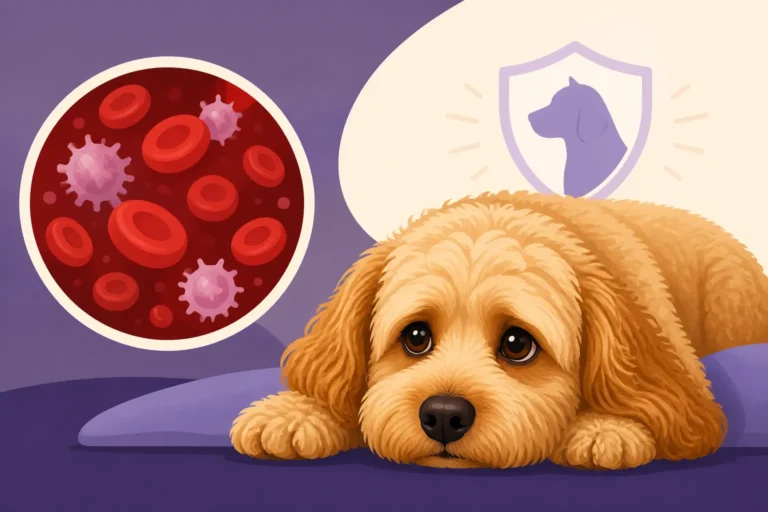
How Long an FN Affected Cockapoo Lives
Discovering your beloved Cockapoo has been diagnosed with Familial Nephropathy (FN) can feel like a punch to the gut. The immediate fear is often about how much time you have left with your furry family member. This guide aims to shed light on the realistic lifespan of an FN-affected Cockapoo, helping you understand the disease's trajectory and how to best support your dog through this challenging journey.
Understanding Familial Nephropathy in Cockapoos
Familial Nephropathy (FN) isn't just a fancy vet term; it's a serious inherited kidney disease that sadly affects some Cockapoos. It's a condition rooted deeply in their genetics, particularly tracing back to the Cocker Spaniel side of their lineage.
What is Familial Nephropathy?
At its core, Familial Nephropathy is a progressive genetic disorder that causes the kidneys to fail prematurely. Imagine your dog's kidneys as sophisticated filters, tirelessly working to remove waste products and toxins from their blood. In a Cockapoo affected by FN, the intricate structures within these filters – specifically the glomeruli – don't develop correctly or begin to deteriorate. Over time, this damage prevents the kidneys from doing their job effectively, leading to a buildup of waste in the body and, eventually, kidney failure. It's a relentless process, and understanding What Familial Nephropathy Does to a Cockapoo is the first step in preparing for what lies ahead.
This isn't a condition that suddenly appears due to diet or an injury; it's something they're born with, an unfortunate hand dealt by their genetic makeup. The severity and speed of progression can vary, but the underlying issue is a relentless decline in kidney function. For us pet parents, grappling with an inherited illness can be particularly frustrating, feeling like it was entirely out of our control.
Early Onset and Progression
One of the most heartbreaking aspects of Familial Nephropathy in Cockapoos is its early onset. Unlike many age-related kidney issues, FN typically manifests in young dogs, often before they even reach two years of age. Some puppies might show signs even younger, while others might appear healthy for a bit longer, only for symptoms to creep in before their second birthday. This makes the diagnosis particularly devastating, as you envision a long life with your playful companion, only to have that future shadowed by a chronic illness.
The disease often starts subtly, almost insidiously. You might notice your Cockapoo drinking more water than usual, urinating more frequently, or perhaps just a slight dip in their characteristic energy. These can be easy to dismiss as normal puppy quirks or minor issues, but they are often the first whispers of kidney trouble. As the disease progresses, these subtle hints become more pronounced, leading to noticeable weight loss, decreased appetite, lethargy, and sometimes even vomiting. Catching these early signs is crucial, as knowing Whether FN Shows Before a Cockapoo Turns Two can prompt earlier veterinary intervention.
The Lifespan of an FN-Affected Cockapoo
This is often the question that keeps you up at night: "How long will I have with my dog?" The truth about the lifespan of an FN-affected Cockapoo is difficult to hear, but being informed allows you to maximize the quality of the time you do have.
The Harsh Reality of Early Diagnosis
To be direct and realistic, Familial Nephropathy significantly shortens a Cockapoo's lifespan. While every dog is an individual and there can be variations, FN is not a condition that most dogs "live a full life" with in the traditional sense of reaching 14-18 years, which is the typical lifespan for a healthy Cockapoo. Instead, an FN diagnosis often means a prognosis measured in months or a few years, rather than a decade or more.
Many Cockapoos diagnosed with FN, especially if the disease is aggressive or identified late, may only live 6 months to 2-3 years after diagnosis. This is largely because the damage to the kidneys is progressive and irreversible. The younger the age at which clinical signs appear and a diagnosis is made, often the more aggressive the disease progression tends to be, leading to a shorter life expectancy. It's a heartbreaking reality to face, knowing that the window of time with your beloved companion is compressed. This unfortunate genetic predisposition is why understanding The Age Kidney Failure Appears in an Affected Cockapoo is so vital.
Factors Influencing Prognosis
While the outlook is often grim, several factors can influence the individual prognosis for an FN-affected Cockapoo. It’s not a one-size-fits-all scenario, and these variables can play a significant role in how long your dog maintains a reasonable quality of life.
Firstly, the age at diagnosis is critical. If FN is identified very early, perhaps even before overt symptoms become severe, there might be more opportunity for intervention to slow the disease's progression. Conversely, a diagnosis made when the kidneys are already extensively damaged typically leads to a much shorter timeline.
Secondly, the severity of kidney damage at the time of diagnosis profoundly impacts the prognosis. Vets will assess this through blood tests (like BUN and creatinine levels) and urinalysis, which indicate how much kidney function has already been lost. Dogs with higher levels of waste products in their blood at diagnosis generally have a more advanced stage of the disease.
Thirdly, an individual dog's response to treatment is a major factor. While there's no cure for FN, supportive therapies can help manage symptoms and try to preserve remaining kidney function. Some dogs respond better to these treatments, experiencing a slower decline, while others may not respond as robustly.
Finally, the presence of secondary complications can further shorten a Cockapoo's life. Kidney disease can lead to other issues such as anemia, high blood pressure, and imbalances in electrolytes, all of which need careful management. The commitment to meticulous veterinary care and dedicated home management, including a specific kidney diet, can genuinely influence How Long an FN Affected Cockapoo Lives and, just as importantly, their quality of life during that time. Recognizing The First Signs of Kidney Failure in a Cockapoo early can be the difference in gaining precious extra months.
Managing Life with an FN-Affected Cockapoo
Living with an FN-affected Cockapoo demands incredible dedication, but focusing on management and quality of life can make a profound difference for your dog. While we can't reverse the damage, we can certainly make their remaining time as comfortable and joyful as possible.
Veterinary Care and Treatment Options
When it comes to Familial Nephropathy, the focus of veterinary care shifts from cure to control and comfort. There's currently no cure for FN, but there's a lot that can be done to manage the symptoms and slow the progression of kidney disease. Your veterinarian will become your closest ally in this journey, creating a tailored treatment plan.
A cornerstone of management is a kidney-specific diet. These diets are typically lower in protein, phosphorus, and sodium, which helps reduce the workload on the kidneys and minimizes the buildup of harmful waste products. It might take some trial and error to find a kidney diet that your Cockapoo finds palatable, as reduced appetite is common with kidney disease. Your vet might recommend specific brands known for their kidney support, such as those from Royal Canin or Purina Veterinary Diets.
Medications are also crucial for managing various symptoms. Anti-nausea drugs can help if your Cockapoo is experiencing vomiting or a decreased appetite. Medications to control blood pressure (hypertension) are often prescribed, as high blood pressure can further damage the kidneys. Phosphate binders can be given with meals to reduce phosphorus absorption, and in cases of anemia, sometimes iron supplements or even specific hormones can be used. For some dogs, especially as the disease progresses, fluid therapy (subcutaneous fluids administered at home) can be a lifesaver, helping to flush toxins and maintain hydration. While daunting at first, many owners quickly master giving fluids, which can dramatically improve their dog's comfort. Understanding Whether an Affected Cockapoo Can Be Treated effectively revolves around this comprehensive, multi-faceted approach. Be prepared for regular vet visits and The Yearly Bloodwork Bill on an FN Cockapoo to monitor progress and adjust treatments.
Enhancing Quality of Life at Home
Beyond the medical interventions, your home environment and daily routine play a massive role in your FN-affected Cockapoo's quality of life. The goal is to make every day count, focusing on comfort, happiness, and minimizing stress.
Maintaining hydration is paramount. Always ensure fresh water is readily available. If your dog isn't drinking enough, you can try offering water bowls in different locations, adding a little low-sodium chicken broth to their water, or ensuring they get their subcutaneous fluids as prescribed.
Encouraging appetite can be a challenge. With kidney disease, dogs often feel nauseous and simply don't want to eat. Try warming their food slightly to enhance the aroma, offering small, frequent meals instead of one or two large ones, and being patient. Sometimes, hand-feeding can help. Remember, What a Kidney Diet Costs a Cockapoo Owner can be significant, but ensuring they eat it is even more important.
Creating a comfortable, stress-free environment is vital. Provide soft, warm bedding, a quiet space to rest, and ensure easy access to their food, water, and potty areas. Regular, gentle exercise is good, but don't push them if they're tired. Their energy levels will fluctuate, and it's important to respect their limits. You'll want to pay close attention to subtle shifts, much like you would if you were monitoring What Changes in a Cockapoo After Ten as they age. This careful attention to detail, coupled with a loving home, is truly the best gift you can give your Cockapoo. Investing in pet insurance, like a plan from Healthy Paws, can also provide a safety net for the continuous veterinary expenses associated with managing a chronic condition like FN, helping you focus on care rather than cost.
The Role of Responsible Breeding and Prevention
While this guide focuses on managing an FN-affected Cockapoo, it's critical to understand that this heartbreaking condition is largely preventable through responsible breeding practices. As prospective Cockapoo owners, you have the power to demand better.
Genetic Testing and Breeder Responsibility
Familial Nephropathy is a genetic condition, meaning it's passed down from parent dogs to their offspring. It follows an autosomal recessive inheritance pattern, which simply means a puppy must inherit a copy of the faulty gene from both parents to be affected by the disease. Dogs inheriting only one copy are "carriers" – they won't develop FN themselves, but they can pass the gene on to their puppies.
This understanding is why genetic testing for FN is so incredibly important for Cockapoo breeders. Reputable breeders will rigorously test their breeding stock for genetic diseases prevalent in both parent breeds (Cocker Spaniels and Poodles), including FN. A simple DNA test can identify if a dog is "clear" (has no copies of the faulty gene), a "carrier" (has one copy), or "affected" (has two copies and will develop the disease). By using this knowledge, breeders can ensure that no two carriers are ever bred together, thus preventing the birth of FN-affected puppies. This proactive approach is the cornerstone of responsible breeding and why The FN DNA Test a Cockapoo Breeder Runs is non-negotiable. It's the only way to genuinely prevent the suffering that comes with this disease.
What Prospective Owners Should Ask
As a prospective Cockapoo owner, you are the first line of defense against supporting irresponsible breeding practices. Your questions and demands can drive change and ensure you bring home the healthiest possible puppy.
First and foremost, always ask for genetic health certificates for both parent dogs. A reputable breeder will not only have these but will be proud to show them to you. Look for results that clearly state the parents are "clear" for Familial Nephropathy. If one parent is a carrier, the other parent must be clear, ensuring no puppies can inherit two copies of the faulty gene. Be wary of breeders who offer excuses, say testing isn't necessary, or claim their lines are "healthy" without proof. This is a critical step in understanding Whether a Breeder Must Test Both Cockapoo Parents.
Understanding the implications of these results is vital. If a breeder cannot or will not provide these certificates, or if the results indicate that both parents are carriers, walk away. While it might be hard to resist a cute puppy, supporting such practices only perpetuates the cycle of genetic diseases. Knowing Asking a Cockapoo Breeder for the FN Certificate is a right, not a favor. Moreover, ask for The Five Certificates a Cockapoo Breeder Should Show for a comprehensive overview of their health testing. Ultimately, choosing an untested litter is a huge gamble, and asking Whether an Untested Cockapoo Litter Is a Gamble yourself will likely lead you to the conclusion that it's not worth the risk.
Even with meticulous care and a strong pet insurance policy from a provider like Healthy Paws, the emotional and financial toll of managing a chronic, life-limiting condition like FN is immense. Empower yourself with knowledge and choose your puppy wisely, ensuring you support breeders dedicated to the long-term health and well-being of the Cockapoo breed.
| Early Signs of Familial Nephropathy in Cockapoos | Description | What to Watch For |
|---|---|---|
| Increased Thirst (Polydipsia) | One of the earliest and most common signs. Kidneys can't concentrate urine, so the dog drinks more to compensate for fluid loss. | Constantly refilling the water bowl, your dog seeking water sources more often, or drinking for longer periods. |
| Increased Urination (Polyuria) | Directly related to increased thirst. The kidneys are failing to properly reabsorb water, leading to more frequent and sometimes larger volumes of urine. | More frequent potty breaks, accidents inside the house from an otherwise housetrained dog, or urine that appears unusually dilute or clear. |
| Decreased Appetite / Picky Eating | As toxins build up in the body due to kidney dysfunction, dogs often feel nauseous, leading to a loss of interest in food or becoming very selective about what they will eat. | Turning away from meals, refusing favorite treats, or only nibbling small amounts. |
| Weight Loss | A consequence of reduced appetite and the metabolic changes associated with kidney disease. Dogs may look thinner, with ribs or hip bones becoming more prominent. | Visible thinning, feeling lighter when picked up, or a noticeable change in body condition despite attempts to feed. |
| Lethargy / Weakness | The buildup of toxins and potential anemia can make affected dogs feel generally unwell, tired, and less enthusiastic about play or walks. | Spending more time sleeping, less interested in games or walks, reluctance to move, or appearing generally weaker than usual. |
| Poor Coat Condition | Kidney disease can affect overall health, including skin and coat. The coat may appear dull, dry, or become brittle. | Loss of shine, a rougher texture, or excessive shedding. |
| Vomiting | Another common sign due to the buildup of toxins irritating the gastrointestinal tract. | Episodes of throwing up food or bile, often more frequent as the disease progresses. |
Disclaimer
The information provided in this article is for educational and informational purposes only and does not constitute veterinary advice. Always consult with a qualified veterinarian for any health concerns or before making any decisions related to your Cockapoo's health and treatment.