Whether a Cockapoo’s Lenses Cloud Before Ten
It's incredibly worrying to notice any change in your beloved Cockapoo's eyes, especially if you spot a cloudy appearance, and it’s a natural reaction to panic if they aren't even close to being considered a senior dog. This comprehensive guide will walk you through the various reasons why a Cockapoo's eye lenses might cloud before the age of ten, explaining what to look out for and how to ensure your furry friend gets the best possible care.
Understanding the Cockapoo Eye and Its Vulnerabilities
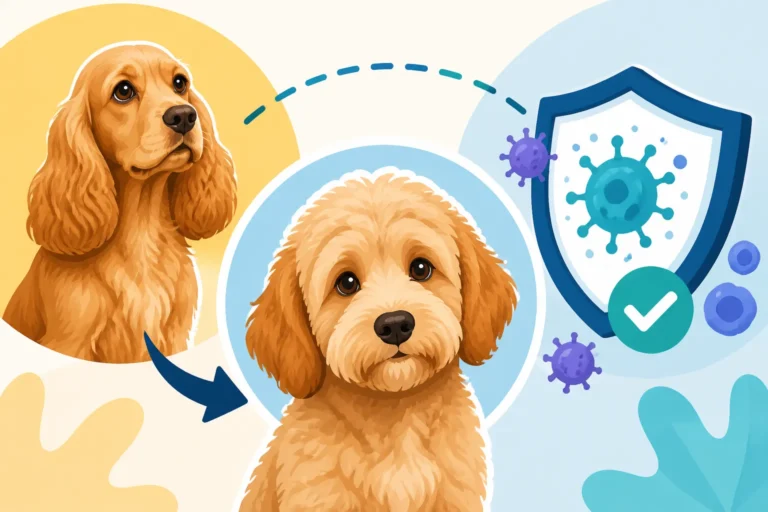
Our Cockapoos are a wonderful blend of the Cocker Spaniel and Poodle, inheriting traits, both good and sometimes challenging, from both sides of their family tree. This genetic mashup extends to their ocular health, making them susceptible to a range of eye conditions that can manifest at various ages. When you notice something amiss with their eyes, it's never something to simply dismiss; prompt action can make all the difference.
The Anatomy of a Cockapoo's Eye and Lens
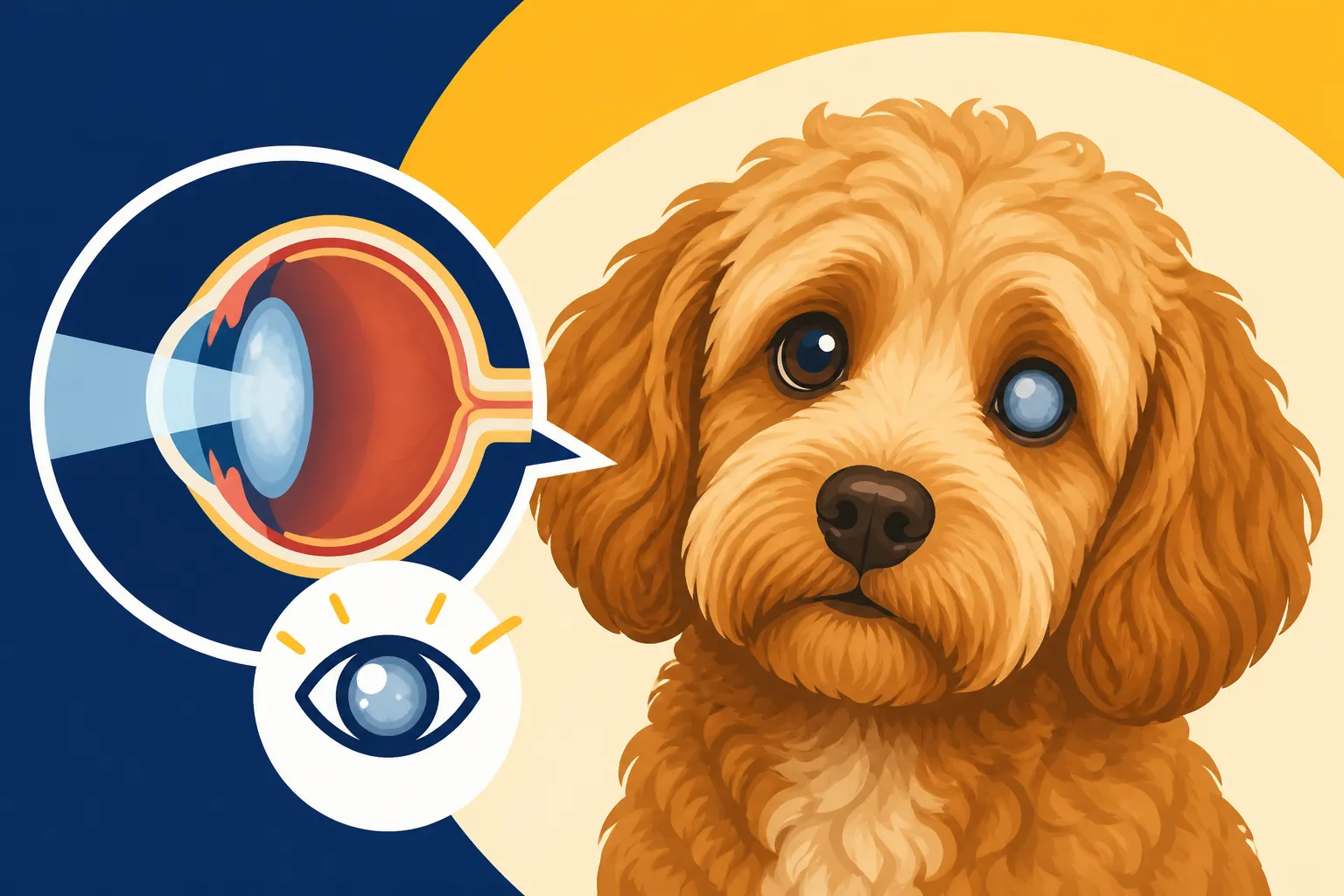
To truly understand why a Cockapoo's lenses might cloud, it helps to grasp a little about how their eyes work. The lens is a transparent, biconvex structure located just behind the iris (the colored part of the eye). Its primary job is to focus light onto the retina at the back of the eye, allowing for clear vision. Think of it like the lens in a camera, constantly adjusting to bring objects into sharp focus. This delicate structure is primarily made of water and proteins, arranged in a very specific, orderly manner to maintain its clarity. Any disruption to this delicate balance, whether it's genetic, metabolic, or due to injury, can cause the proteins to clump together, leading to a cloudy, opaque appearance – what we commonly refer to as a cataract.
In a Cockapoo, the structure of the eye is, for the most part, similar to other dogs. However, their mixed heritage means they can inherit predispositions to certain conditions. The lens itself can be affected by factors ranging from nutritional deficiencies to trauma, but often, early-onset clouding points to a genetic component. It's not just about what you see on the surface; the internal workings of the eye are complex, and a cloudy lens is often a symptom of an underlying issue that needs to be properly diagnosed by a veterinary professional.
The Inherited Eye Conditions from Poodles and Cocker Spaniels
The beauty of the Cockapoo lies in its hybrid vigor, but this doesn't make them immune to the genetic pitfalls of their parent breeds. Both Cocker Spaniels and Poodles are known to carry specific hereditary eye conditions that can lead to lens clouding or severely impact vision, sometimes well before a dog's tenth birthday. Understanding these helps us be proactive.
One of the most significant concerns is Progressive Retinal Atrophy in a Cockapoo (PRA). While PRA itself affects the retina and not directly the lens, it can often lead to secondary cataracts. The most common form seen in Poodles and, consequently, Cockapoos, is progressive rod-cone degeneration (prcd-PRA). This condition causes the light-sensing cells in the retina to degenerate over time, leading to gradual blindness. Early signs might include night blindness, and as the disease progresses, the pupil might dilate more, and sometimes, the lens can become cloudy as a secondary effect. It's a devastating condition, and owners often wonder about The Age prcd-PRA Takes a Cockapoo's Sight.
Beyond PRA, both parent breeds are prone to various forms of cataracts. Cocker Spaniels, for instance, can be affected by hereditary cataracts, which can appear quite early in life. These aren't the typical "old age" cataracts; rather, they are structural abnormalities of the lens that begin to develop in younger dogs, sometimes even before they are two years old. Poodles also have their own forms of hereditary cataracts. The challenge with a hybrid like the Cockapoo is that they can inherit genes for these conditions from either side, potentially increasing their risk if breeders aren't diligent with genetic screening. This is why asking breeders about their dogs' eye health certifications is so important.
Common Causes of Lens Clouding in Younger Cockapoos
When you see cloudiness in your Cockapoo's eyes and they're still in their prime, it's natural to jump to conclusions, and often, cataracts are the first thing that comes to mind. However, not all cloudiness is the same, and not all cataracts are a normal part of aging. Especially concerning are those that appear when your dog is still relatively young.
Juvenile Cataracts: More Than Just an Old Dog's Ailment
While many people associate cataracts with senior dogs, juvenile cataracts are a distinct and worrying condition that can affect Cockapoos before they reach old age. Unlike age-related cataracts, which typically develop gradually as a dog gets older, juvenile cataracts are present from birth or develop within the first few years of life, often before a Cockapoo turns six or seven. These can range from small, localized opacities that barely affect vision, to dense, widespread clouding that can cause significant visual impairment or even complete blindness.
The unfortunate truth is that juvenile cataracts are often hereditary. In Cockapoos, this means they can inherit the genetic predisposition from either their Cocker Spaniel or Poodle lineage. For instance, certain lines of American Cocker Spaniels are known for a type of juvenile cataract that can appear very early, sometimes by six months of age. Similarly, Miniature Poodles, a common Poodle parent for Cockapoos, can also carry genes for early-onset cataracts. If your Cockapoo develops cataracts at a young age, it's highly likely to be linked to their genetics, emphasizing the critical importance of selecting a puppy from a breeder who performs thorough genetic health screenings on both parent dogs. Early detection is key, as these types of cataracts can sometimes be surgically removed, restoring vision. It's a significant financial and emotional undertaking, and many owners ponder Whether a Cockapoo's Cataracts Are Worth Operating On if faced with this diagnosis.
Nuclear Sclerosis vs. Cataracts: Telling the Difference
This is a really common point of confusion for many dog owners, and honestly, it’s easy to see why. You notice your dog's eyes look a bit cloudy, and immediately, you think "cataracts!" But for dogs nearing middle age or beyond, there's another condition that looks very similar but is usually much less concerning: nuclear sclerosis. This is an entirely normal, age-related change where the lens fibers in the center of the eye harden and compress, giving the lens a grayish, hazy, or bluish appearance.
Nuclear sclerosis typically begins to develop in dogs around 6-8 years of age, though you might start to notice it in some Cockapoos even closer to the age of seven. The crucial difference is that nuclear sclerosis generally doesn't significantly impair vision. Dogs with nuclear sclerosis can still see quite well, especially in brighter light, because light can still pass through the hardened lens. Cataracts, on the other hand, are true opacities within the lens that block light and progressively worsen, leading to vision loss. A veterinary ophthalmologist can easily differentiate between nuclear sclerosis and cataracts using specialized equipment. They might shine a light into the eye to see if light still passes through to the retina or look for distinct opacities. When you're trying to figure out what's going on, it’s really helpful to understand Telling Nuclear Sclerosis From Cataracts in a Cockapoo to set your expectations before a vet visit.
It's also worth noting that while nuclear sclerosis doesn't usually affect vision drastically, it can sometimes make it harder for your dog to see in very dim light, as the eye's ability to adjust focus might be slightly reduced. However, it's not a painful condition, nor does it require treatment. Your vet will simply monitor it during routine check-ups. The main takeaway here is that if your Cockapoo is under ten and showing eye cloudiness, a cataract is a more probable cause for concern, but it's vital to let a professional make that distinction.
Other Conditions Mimicking Lens Clouding Before Ten
Sometimes, what appears to be a cloudy lens isn't a problem with the lens at all! There are several other ocular conditions that can give the appearance of eye clouding or cause similar visual impairments, particularly in younger dogs. It’s a good reminder that the eye is a complex organ, and a specific diagnosis is always necessary.
Ocular Issues That Affect Vision and Eye Appearance
Beyond cataracts and nuclear sclerosis, various other eye conditions can present with a cloudy appearance or severely affect your Cockapoo's vision. One such condition is glaucoma, a painful disease caused by increased pressure within the eye. While the primary issue is pressure, glaucoma can cause the cornea (the clear front surface of the eye) to become hazy or bluish, which might be mistaken for a cloudy lens. In acute cases, a dog might experience a "red eye" and intense pain, indicating an emergency situation where The Red Eye That Means a Cockapoo Needs a Vet Tonight is paramount. Glaucoma can lead to rapid and irreversible blindness if not treated immediately.
Another condition is uveitis, which is inflammation of the uvea, the middle layer of the eye. Uveitis can cause the eye to appear cloudy, red, and painful, and can also lead to secondary cataracts if chronic. Conditions affecting the cornea, such as corneal dystrophy or corneal ulcers, can also cause localized cloudiness or a dull appearance on the surface of the eye, which might be misidentified as a problem with the lens. For instance, a persistent scratch or abrasion on the cornea can lead to scar tissue, creating a cloudy spot. These conditions all require different treatments, from anti-inflammatory drops to surgical intervention, highlighting why a precise diagnosis from a vet is so important rather than self-diagnosing based on visual cues alone.
Systemic Diseases with Ocular Manifestations
It’s often surprising for owners to learn that problems elsewhere in the body can directly impact a dog's eyes. Systemic diseases, those affecting the entire body, can sometimes lead to ocular changes, including lens clouding, even in younger Cockapoos. The most prominent example of this is diabetes mellitus. Diabetic cataracts are unfortunately common in dogs with uncontrolled diabetes, and they can develop incredibly rapidly, sometimes appearing overnight. If your Cockapoo is diagnosed with diabetes, the likelihood of cataracts forming is very high, often within months of diagnosis, regardless of their age.
Beyond diabetes, other metabolic disorders, certain toxicities, or even severe nutritional deficiencies, although less common with modern commercial dog foods, could potentially impact lens clarity. For instance, some inherited metabolic conditions, though rare, might lead to changes in eye structures. While unlikely to cause direct lens clouding, conditions like What PFK Deficiency Does to a Cockapoo (Phosphofructokinase Deficiency) can cause red blood cell issues that might manifest as pale gums, weakness, and other signs that something is seriously wrong with their internal systems, indirectly impacting overall health, including ocular health. This underscores why a thorough veterinary examination, including blood tests, might be necessary if lens clouding is observed, especially if there are other accompanying symptoms like increased thirst, urination, or changes in appetite.
| Feature | Juvenile Cataracts | Nuclear Sclerosis |
|---|---|---|
| Onset Age | Birth to ~6-7 years old | Typically 6-8+ years old |
| Appearance | Opaque, dense clouding, often "cracked ice" look | Hazy, bluish-gray, centrally located |
| Cause | Primarily genetic predisposition, diabetes | Normal aging process (lens fiber compression) |
| Impact on Vision | Ranges from mild blur to complete blindness | Minimal impact, slight dim light vision reduction |
| Progression | Can progress rapidly, often becomes dense | Slow, gradual change, stabilizes |
| Treatment | Surgical removal (phacoemulsification) | No treatment necessary |
| Pain | Generally not painful, unless secondary complications | No pain |
Recognizing the Signs and Seeking Prompt Veterinary Care
Noticing any change in your Cockapoo's eyes can be unsettling. Whether it's a subtle haziness or a more obvious clouding, understanding what to look for and when to act is crucial. Early intervention can often lead to better outcomes, especially for conditions that are treatable.
Subtle Clues Your Cockapoo's Vision is Changing
Our dogs are masters at hiding discomfort and compensating for physical changes, especially when it comes to vision loss. This means you might not immediately notice the cloudiness itself, but rather a change in their behavior. Pay close attention to how your Cockapoo navigates their familiar environment. Are they bumping into furniture, especially in dimly lit rooms or at night? Do they hesitate before jumping off the couch or going down stairs? Perhaps they're becoming more reluctant to play fetch, or seem startled when approached from a side they can't see as well. You might also notice they're less confident on walks, or their gait might change slightly as they try to "feel" their way more.
Visually, beyond the direct clouding of the lens, other signs can accompany the change. The pupils might appear more dilated than usual, especially in bright light, because the dog is trying to let in more light to compensate for reduced vision. You might also notice a subtle glow or reflection from their eyes in certain lighting conditions. Redness, discharge, squinting, or excessive blinking are also red flags that warrant immediate attention, as they could indicate pain or inflammation alongside any vision changes. Any combination of these behavioral and visual cues, even if subtle, should prompt a phone call to your vet. Don't wait until the problem is severe; a small change can signal a significant underlying issue.
The Importance of Regular Eye Examinations
It cannot be stressed enough how vital routine veterinary care is for catching problems early. For a breed like the Cockapoo, with its predisposition to several hereditary eye conditions from both Cocker and Poodle lines, regular eye examinations are an absolute must. Think of it like your own yearly check-up; it's preventative and proactive. Your general veterinarian will perform a basic eye exam during your Cockapoo's annual wellness visit, looking for obvious abnormalities, assessing their vision, and checking for signs of discomfort.
However, for a more in-depth assessment or if your vet notes any concerns, a referral to a veterinary ophthalmologist is highly recommended. These specialists have advanced training and equipment (like slit lamps and tonometers) to diagnose even the most subtle eye conditions. They can accurately differentiate between conditions like nuclear sclerosis and cataracts, measure intraocular pressure for glaucoma, and perform genetic tests where appropriate. Many professional organizations, like the American College of Veterinary Ophthalmologists (ACVO), recommend annual eye screenings for breeding dogs and often for at-risk breeds. For Cockapoos, it's wise to consider Whether a Cockapoo Needs a Yearly CAER Exam (Canine Eye Registry Foundation, now part of OFA), especially if they come from lines with known eye issues. These specialized exams can detect problems long before they become apparent to the untrained eye, giving you the best chance for successful treatment. Organizations like Healthy Paws pet insurance often highlight the value of these regular check-ups in their coverage plans, recognizing that early detection can prevent more severe, costly issues down the line.
Management and Prognosis for Early Lens Clouding
Receiving a diagnosis of early lens clouding can be daunting, but it’s not always a dead end. Depending on the specific cause, there are various management strategies and treatments available, and knowing what to expect can help you prepare and provide the best care for your Cockapoo.
Treatment Options for Juvenile Cataracts and Other Conditions
The treatment approach for a cloudy lens in a young Cockapoo depends entirely on the underlying cause. If the diagnosis is juvenile cataracts that significantly impair vision, surgical intervention is often the most effective, and sometimes the only, option to restore sight. This procedure, called phacoemulsification, is very similar to human cataract surgery. A veterinary ophthalmologist uses ultrasonic waves to break up and remove the cloudy lens, often replacing it with an artificial intraocular lens (IOL). The success rate for cataract surgery in dogs is quite high, especially when performed early before secondary complications arise. Post-operative care is crucial and involves diligent administration of eye drops, restricted activity, and frequent follow-up visits. It's a significant commitment, but for many dogs, it offers a new lease on life with restored vision.
For other conditions mimicking lens clouding, the treatments vary. If glaucoma is diagnosed, immediate medical therapy to reduce intraocular pressure is initiated, often with various eye drops. In severe cases or where medical management fails, surgical procedures might be considered to improve drainage or reduce fluid production. Conditions like uveitis are typically managed with anti-inflammatory eye drops or systemic medications. Corneal ulcers require specific antibiotic or anti-inflammatory drops, and sometimes protective contact lenses. It's imperative to follow your vet's instructions precisely, as incorrect or delayed treatment for these conditions can lead to irreversible damage and blindness. Many pet insurance providers, such as Healthy Paws, recognize the importance of these specialized treatments and offer coverage for ophthalmic conditions, which can significantly ease the financial burden of such intensive care.
Living with a Visually Impaired Cockapoo
If treatment isn't an option, or if your Cockapoo's vision loss is progressive despite intervention, adapting their home environment and routines can help them live a full and happy life. Dogs are incredibly resilient and adapt remarkably well to vision loss, relying more heavily on their other senses – their superb sense of smell and hearing.
The key is consistency. Avoid rearranging furniture or leaving obstacles in their path. Keep pathways clear and consider putting tactile markers (like small rugs or textured mats) near stairs or doorways to help them navigate. Baby gates can prevent falls down staircases. When outside, always keep them on a leash in unfamiliar areas, or in a securely fenced yard, as their natural curiosity and tendency to follow scent could lead them into dangerous situations. Teaching verbal cues like "step up," "step down," "stop," and "watch out" can be incredibly helpful. Engaging their other senses with scent work games, puzzle toys, and plenty of auditory stimulation (like squeaky toys) can keep them mentally stimulated. While your Cockapoo might not be able to play fetch in the same way, they can still enjoy walks, cuddle time, and training that focuses on verbal commands and scent. Remember, their world might look different, but your love and support remain their guiding light.
Proactive Steps for Cockapoo Eye Health
While we can't always prevent every health issue, there are significant steps Cockapoo owners and breeders can take to reduce the risk of early lens clouding and other debilitating eye conditions. Being proactive is always better than being reactive.
The Role of Responsible Breeding and Genetic Testing
This is arguably the most crucial step in preventing inherited eye diseases in Cockapoos. Responsible breeders understand the genetic predispositions of both Cocker Spaniels and Poodles and actively work to minimize the risk in their litters. This means conducting thorough genetic health screenings on all breeding dogs before they are ever bred. For eye health, this includes OFA Eye Certification (formerly CAER/CERF exams) performed by a board-certified veterinary ophthalmologist. These exams screen for a wide range of inherited eye conditions, including cataracts, glaucoma, and retinal diseases. These certificates should be renewed regularly, often yearly, to ensure the breeding dogs remain clear of observable issues.
Furthermore, DNA testing plays an increasingly vital role. For conditions like prcd-PRA, a simple DNA test can determine if a dog is clear, a carrier, or affected. A responsible breeder will ensure that at least one parent of a litter is "clear" for prcd-PRA to prevent any puppies from being affected by the disease. This concept is explored in detail in topics such as Whether Both Cockapoo Parents Must Be prcd-PRA Clear and Why Two Carrier Parents Produce an Affected Cockapoo. Breeders should be transparent about these test results and readily provide copies of certificates for both parents. If a breeder can't or won't provide evidence of these health clearances, it's a significant red flag, and it's best to look elsewhere. Choosing a puppy from health-tested parents is the single best way to reduce the risk of your Cockapoo developing preventable hereditary conditions like early-onset cataracts.
Nutritional Support and Lifestyle Factors
While genetics play a huge role in inherited eye conditions, lifestyle and nutrition also contribute to overall eye health throughout your Cockapoo's life. A high-quality, balanced diet specifically formulated for dogs of their age and size is foundational. Ensure the food meets AAFCO (Association of American Feed Control Officials) guidelines and contains essential vitamins and minerals. Some antioxidants, like Vitamins C and E, lutein, and omega-3 fatty acids, are believed to support eye health, although their direct impact on preventing hereditary cataracts in dogs is still an area of ongoing research. Discuss with your vet if any specific supplements might be beneficial, especially if your dog has certain health concerns or dietary needs.
Beyond diet, maintaining a healthy weight for your Cockapoo is important, as obesity can contribute to systemic issues like diabetes, which, as we discussed, is a major cause of cataracts. Regular exercise appropriate for their age and energy level keeps their body healthy and promotes good circulation, including to the eyes. Additionally, protecting their eyes from injury is crucial. Avoid letting them stick their heads out of car windows at high speeds, as debris can easily cause corneal abrasions. Be mindful of branches or sharp objects when walking through dense brush. And finally, don't forget the importance of routine grooming around their eyes. Long hair can irritate the eyes, leading to excessive tearing and secondary infections, and can also obscure your view, making it harder to spot issues early. Regular trims around the face are part of good preventative care for Cockapoos. All these small steps add up to a greater chance of long-term eye health for your beloved companion.
Disclaimer
This article is for general informational purposes only and does not constitute professional advice. Laws, prices and regulations vary by location and change over time. Consult a qualified professional for guidance on your specific situation.