The FN DNA Test a Cockapoo Breeder Runs
The worry that comes with bringing a new puppy home is real, especially when you know there are inherited health issues lurking in some breeds. For Cockapoo lovers, one of those looming concerns is Familial Nephropathy (FN), a nasty kidney disease that can unfortunately cut a sweet dog's life far too short. This comprehensive guide is here to walk you through the FN DNA test, why it's such a vital tool for responsible breeders, and what it all means for the health and happiness of our beloved Cockapoos.
Understanding Familial Nephropathy in Cockapoos
Familial Nephropathy, often just called FN, is a serious genetic kidney disease that has been identified in certain breeds, including the Cocker Spaniel, which is one half of our wonderful Cockapoo cross. It's truly heartbreaking to think of a young dog suffering from kidney failure, and that's precisely why this particular condition gets so much attention among discerning breeders and owners.
The Genetic Basis of FN and Its Impact
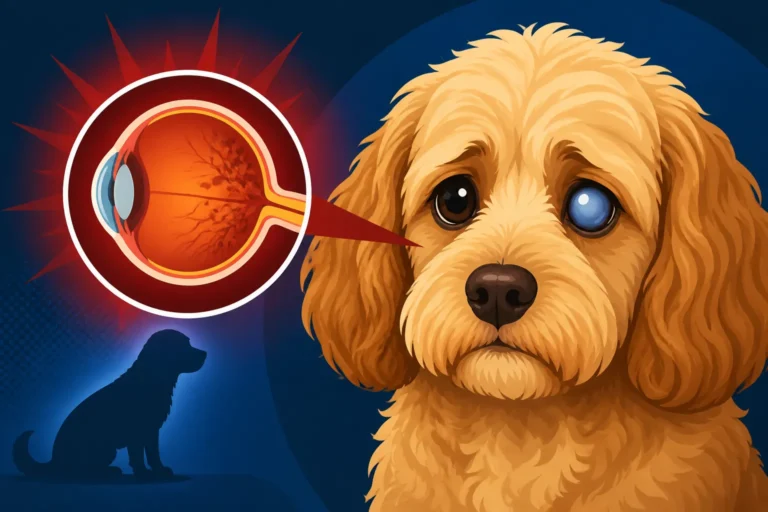
At its core, FN is caused by a genetic mutation. Think of it like a tiny typo in a dog's genetic blueprint that affects how their kidneys develop and function. Specifically, it's an inherited defect that impacts the glomeruli, which are the tiny filtering units within the kidneys. When these filters don't work correctly, the kidneys can't do their job of removing waste products from the blood and retaining essential proteins. Over time, this leads to progressive kidney failure. What makes it particularly cruel is that it often strikes young dogs, sometimes even before they reach two years old. It’s a recessive genetic trait, meaning a puppy must inherit two copies of the mutated gene—one from each parent—to be "affected" by the disease. If a dog only inherits one copy, they are considered a "carrier" and won't develop the disease themselves, but they can pass it on to their offspring. This understanding is crucial because it means that even healthy-looking parents can produce affected puppies if they both carry the gene.
This disease doesn't just impact a dog's kidneys; it slowly poisons their entire system. As the kidneys fail, toxins build up in the blood, leading to a cascade of debilitating symptoms. It's a progressive disease, meaning it gets worse over time, and the prognosis for affected dogs is unfortunately quite grim without extensive and often costly treatment options. This is why awareness and proactive testing are so vital; nobody wants to see their playful, loving Cockapoo fade away due to a condition that could have been prevented through responsible breeding. For more on how this disease specifically impacts your furry friend, you might want to read What Familial Nephropathy Does to a Cockapoo.
Why FN is a Concern for Cockapoo Owners
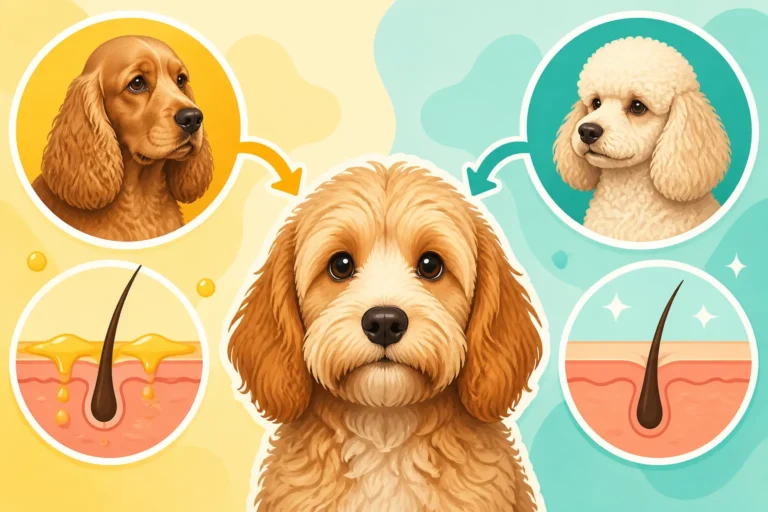
The Cockapoo, being a crossbreed, inherits traits and potential health conditions from both parent breeds: the Cocker Spaniel and the Poodle. While Poodles have their own set of potential genetic issues, FN is primarily a concern that stems from the Cocker Spaniel lineage, specifically the American Cocker Spaniel, although it has also been found in English Cocker Spaniels. When a Cockapoo is bred from a Cocker Spaniel that carries the FN gene, there's a risk. If both the Cocker Spaniel parent and the Poodle parent (or both Cockapoo parents in later generations) happen to be carriers, then there's a 25% chance with each puppy that it will be affected by FN. This is a staggering risk for a disease that is ultimately fatal.
Many prospective Cockapoo owners choose this breed for their reputation for good health and their delightful temperaments. The idea that a puppy could be born with a ticking time bomb inside them is truly unsettling. It highlights the importance of choosing a breeder who understands these genetic risks and actively works to mitigate them. Without proper testing, a breeder might unknowingly produce affected puppies, leading to heartbreak and significant veterinary bills for unsuspecting families. It really puts the responsibility squarely on the breeder to understand the genetics they are working with and to make informed decisions for the sake of the dogs and their future owners.
Recognizing the Early Signs of Kidney Disease
One of the most insidious aspects of FN is that its early signs can be subtle and easily missed, particularly in an energetic young Cockapoo. Affected puppies often appear healthy at first, perhaps for the first few months of their lives. However, as the disease progresses, owners might start to notice changes that, in retrospect, point towards kidney trouble. These can include an increase in thirst and urination, which is often one of the earliest and most consistent symptoms because the damaged kidneys can't concentrate urine effectively. This means your Cockapoo might be drinking constantly and needing more frequent potty breaks, sometimes even having accidents in the house when they were previously reliably house-trained.
Other signs can include a loss of appetite, lethargy, or a general decrease in energy levels. Puppies, by nature, are usually bundles of boundless energy, so any noticeable decrease in playfulness or an increase in sleeping could be a red flag. Weight loss, despite eating, can also occur as the body struggles to process nutrients and maintain muscle mass. Vomiting, diarrhea, or a dull, unhealthy coat are also potential indicators. It's important to remember that these symptoms can also point to other health issues, but in a young Cockapoo, especially if there's any concern about their breeding, kidney disease should be on the diagnostic list. If you're concerned about your Cockapoo drinking constantly, it's definitely time to see the vet for testing. You can learn more about specific indicators in our guide The First Signs of Kidney Failure in a Cockapoo. Early detection, while not a cure for FN, can sometimes allow for supportive care to manage symptoms and improve quality of life for a short period, so never hesitate to consult your veterinarian if you notice any changes.
The Science Behind the FN DNA Test
Modern veterinary science has given us an incredible tool in the fight against genetic diseases like FN: the DNA test. This isn't some mystical process; it's a precise scientific method that looks directly at a dog's genetic code to identify the specific mutation responsible for the disease. For responsible Cockapoo breeders, this test is an absolute game-changer, moving them from guesswork to certainty in their breeding practices.
How the Test Works: A Look at DNA Collection and Analysis
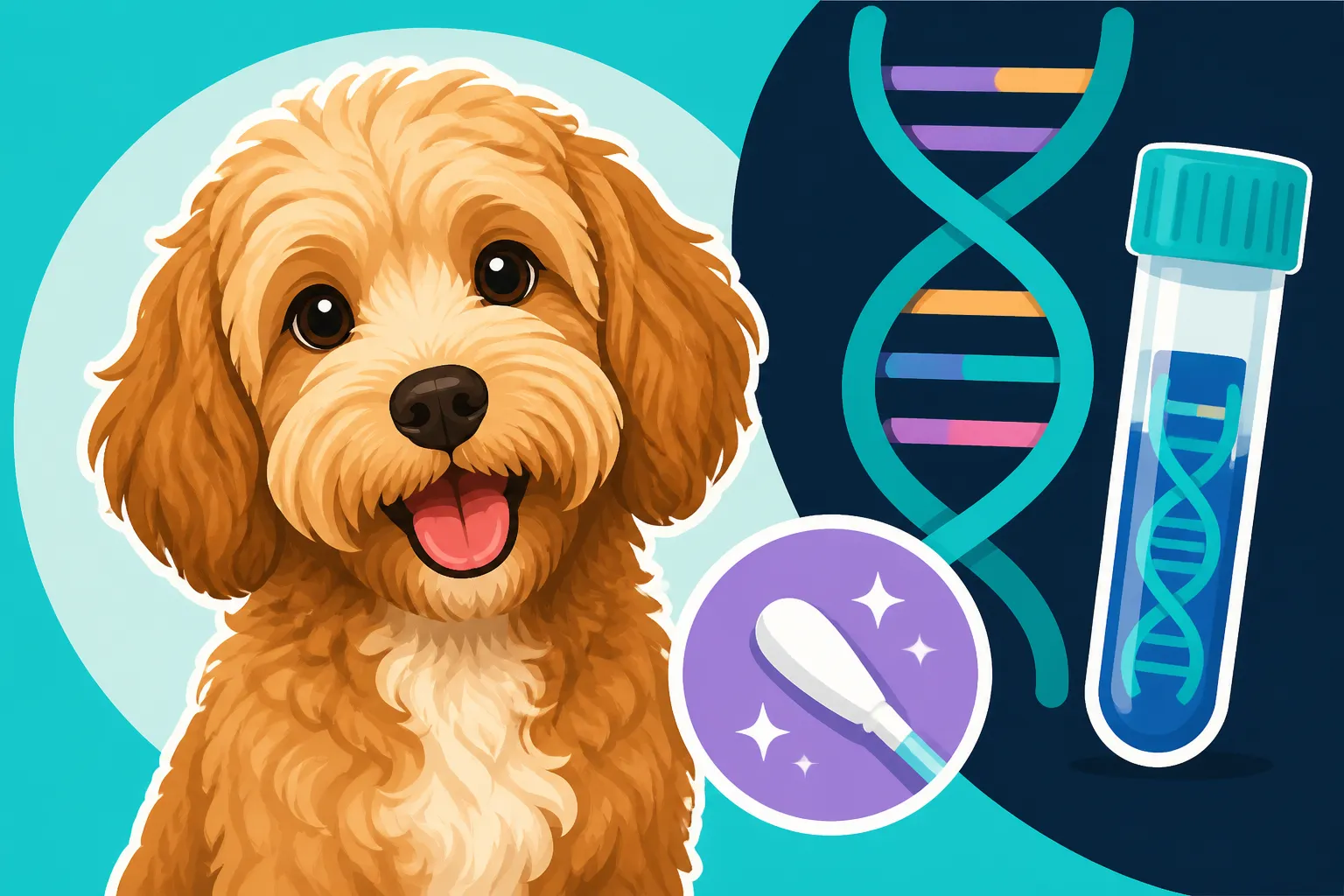
The process of DNA testing for FN is surprisingly straightforward and non-invasive, which is great news for both breeders and the dogs themselves. Typically, the sample required is a simple cheek swab or a blood sample. For a cheek swab, a sterile cotton swab is rubbed firmly on the inside of the dog's cheek for several seconds to collect epithelial cells, which contain the dog's DNA. It's completely painless and can be done right at home by the breeder or owner, or by a veterinarian. Some laboratories might prefer a small blood sample, which would, of course, need to be collected by a vet.
Once the sample is collected, it's sent to a specialized genetic testing laboratory. There, scientists extract the DNA from the cells and then use advanced molecular techniques to examine specific regions of the dog's genome. They're looking for the particular gene mutation associated with Familial Nephropathy. This often involves a process called Polymerase Chain Reaction (PCR), which amplifies tiny segments of DNA, allowing for a thorough analysis. The presence or absence of the specific mutation is then determined, and a report is generated detailing the dog's genetic status for FN. This scientific precision ensures that the results are highly accurate and reliable, giving breeders the information they need to make the best decisions.
What the Results Mean: Clear, Carrier, and Affected Status
The results from an FN DNA test will categorize a dog into one of three distinct statuses, each with clear implications for breeding and sometimes for the dog's own health:
- Clear (or Normal): A dog testing "clear" has not inherited the FN gene mutation from either parent. This means they cannot develop Familial Nephropathy, and more importantly for breeding, they cannot pass the mutated gene on to any of their offspring. These dogs are genetically free of the condition.
- Carrier: A "carrier" dog has inherited one copy of the FN gene mutation from one parent, but also a normal copy from the other. Because FN is a recessive disease, a carrier dog will not develop the disease themselves. They are perfectly healthy and live a normal lifespan without any kidney issues related to FN. However, they can pass that single mutated gene copy to their puppies. If a carrier is bred to another carrier, there's a 25% chance of producing an affected puppy. If a carrier is bred to a clear dog, all puppies will either be clear or carriers, but none will be affected.
- Affected: An "affected" dog has inherited two copies of the FN gene mutation, one from each parent. These dogs will develop Familial Nephropathy, often at a young age, and will experience kidney failure. They will also pass a copy of the mutated gene to all of their offspring. Breeding an affected dog is highly irresponsible and detrimental to the health of the breed.
Understanding these distinctions is paramount for any breeder. A clear result gives peace of mind, a carrier result requires careful breeding choices, and an affected result means the dog should absolutely not be used for breeding. This table helps summarize these statuses:
| FN DNA Test Result | Genetic Status | Impact on Dog's Health | Breeding Implications |
|---|---|---|---|
| Clear / Normal | No copies of the mutated gene | Will not develop Familial Nephropathy | Can be bred to any dog; puppies will be clear or carriers. |
| Carrier | One copy of the mutated gene | Will not develop Familial Nephropathy | Can be safely bred to a "Clear" dog; avoid breeding to another "Carrier" or "Affected" dog. |
| Affected | Two copies of the mutated gene | Will develop Familial Nephropathy | Should not be bred; will pass on the mutation to all offspring. |
This clear understanding allows breeders to make truly informed decisions, ensuring the long-term health of their lines and the puppies they produce. For more on the specifics of how carrier parents can produce affected puppies, delve into Why Two Carrier Parents Produce an Affected Cockapoo.
The Accuracy and Reliability of DNA Testing
When it comes to genetic health, accuracy is everything. Thankfully, the FN DNA test is highly accurate and reliable. Modern genetic testing laboratories use rigorous scientific protocols and quality control measures to ensure the results they provide are trustworthy. When a reputable lab states a dog is "clear," "carrier," or "affected," breeders can have a very high degree of confidence in that diagnosis. This isn't like a blood test that might show varying levels; it's looking for a specific genetic marker, which is either there or it isn't.
However, it's crucial to use a reputable and established genetic testing laboratory. Not all labs are created equal, and some might not have the same stringent standards. Choosing a well-known laboratory that specializes in canine genetic testing, such as Optigen or Paw Print Genetics, provides an extra layer of assurance. These labs often publish their research and validation studies, further underscoring the reliability of their tests. While there's always a minuscule margin for error in any scientific process, for practical purposes, the FN DNA test is considered definitive for this specific mutation. This high level of reliability is what makes it such an invaluable tool for breeders committed to producing healthy puppies. Without this accuracy, breeders would still be breeding blindly, and the fight against FN would be a losing battle.
Why Responsible Cockapoo Breeders Prioritize FN Testing
For any breeder who truly cares about the well-being of the dogs they bring into the world, genetic health testing isn't an option; it's a fundamental responsibility. Especially with conditions like Familial Nephropathy, which can devastate a young dog's life, the FN DNA test becomes a non-negotiable part of their breeding program. It's about more than just checking a box; it's about ethical practice and genuine care for the breed's future.
Preventing the Spread of Genetic Disease
The primary reason responsible Cockapoo breeders insist on FN testing is to actively prevent the spread of this debilitating genetic disease. Knowing the genetic status of every breeding dog allows them to make informed decisions that will reduce or eliminate the risk of producing affected puppies. If a breeder has a dog that tests as a "carrier," they know not to breed that dog to another "carrier." Instead, they would only breed a carrier to a "clear" dog. This strategy, known as "test and remove" or "test and breed wisely," allows breeders to continue using valuable dogs in their lines (perhaps for their excellent temperament, conformation, or other health clearances) without risking the production of affected puppies.
By consistently testing and making educated breeding choices, breeders contribute directly to improving the overall health of the Cockapoo gene pool. Over generations, this diligent practice can significantly decrease the prevalence of the FN gene mutation within the breed, ultimately leading to healthier puppies for everyone. It's a proactive approach that safeguards the breed's future, ensuring that the charm and vitality we love in Cockapoos are matched by robust health. This is why Whether a Breeder Must Test Both Cockapoo Parents is a question that has a very clear and emphatic answer: yes.
Ensuring Puppy Health and Owner Peace of Mind
Beyond preventing the disease's spread, FN testing directly translates into healthier puppies and immense peace of mind for prospective owners. Imagine adopting a fluffy, playful Cockapoo puppy, only to face a diagnosis of kidney failure within its first couple of years. The emotional and financial toll would be devastating. When a breeder can confidently state that both parents of a litter have been FN DNA tested and that the pairing ensures no affected puppies will be born, it’s a huge reassurance. This means that a puppy from such a litter, even if it happens to be an FN carrier, will never develop the disease itself.
A reputable breeder will not only conduct these tests but will also be transparent about the results, often providing copies of the official lab certificates. This level of transparency builds trust and demonstrates a genuine commitment to ethical breeding practices. Knowing that your puppy comes from a lineage where genetic health is prioritized allows you to focus on the joys of puppyhood without the looming dread of a severe inherited disease. This peace of mind is invaluable and truly sets apart responsible breeders from those who cut corners. Don't be shy about Asking a Cockapoo Breeder for the FN Certificate; it's your right as a buyer.
Navigating Breeding Decisions with Test Results
The FN DNA test provides breeders with a clear roadmap for making responsible breeding decisions. If both parents are "clear," they can be bred together with no risk of FN-affected offspring. If one parent is a "carrier," they must only be bred to a "clear" mate. In such a pairing, while some puppies may inherit the carrier status, none will be affected by the disease. This careful pairing is vital. What a breeder absolutely must not do is breed two carriers together, as this carries that 25% risk of producing affected puppies, leading to inevitable suffering.
Some breeders might choose to remove carrier dogs from their breeding programs entirely, while others, particularly if the carrier dog has exceptional other qualities (like temperament or conformation) and is bred judiciously, might retain them. The key is always to know the status and to use that knowledge responsibly. Reputable breeders understand that the long-term health of the breed trumps any short-term gains. This careful consideration of genetic test results is a hallmark of truly ethical breeding and contributes significantly to the health and longevity of future generations of Cockapoos. It's about making choices that serve the best interests of the dogs, not just convenience. If you are ever unsure about a breeder's practices, consider that Whether an Untested Cockapoo Litter Is a Gamble is a question with an obvious answer.
Choosing a Reputable Testing Laboratory
Once a breeder commits to genetic testing, the next crucial step is choosing the right laboratory. Not all labs offer the same panels, accuracy, or level of detail in their reports. For something as important as determining the genetic health of future puppies, selecting a reputable and reliable testing service is paramount.
Key Factors in Selecting a DNA Testing Service
When a breeder is looking for a DNA testing service for their Cockapoos, several factors should weigh heavily in their decision. Firstly, reputation and experience are key. Look for laboratories that have a long history of providing canine genetic tests and are recognized within the veterinary and breeding communities. Labs like Optigen, Paw Print Genetics, or Embark Veterinary are widely respected for their comprehensive panels and scientific rigor. Secondly, the specific tests offered matter. While this guide focuses on FN, a good lab will offer a panel of tests relevant to both Cocker Spaniels and Poodles, covering other common inherited conditions like Progressive Retinal Atrophy (PRA), hip and elbow dysplasia indicators, and patellar luxation markers. A comprehensive panel gives a fuller picture of a dog's genetic health.
Thirdly, clarity of results and reporting is crucial. The lab should provide easy-to-understand reports that clearly state the dog's genetic status (clear, carrier, or affected) for each tested condition. They should also offer clear guidance on what these results mean. Finally, customer support and accessibility can be important, especially for breeders who might have questions about the process or need assistance interpreting results. Reliable labs often have veterinarians or genetic counselors on staff to help. Prioritizing these factors ensures that breeders get accurate, actionable information to guide their breeding programs. Many reputable breeders will explicitly mention if Whether Paw Print Genetics Tests Cockapoos for FN as part of their health guarantee.
Understanding Lab Reports and Breeder Certificates
Once the DNA sample has been analyzed, the chosen laboratory will issue a detailed report. This report is essentially a genetic health certificate for the individual dog. For each genetic condition tested, it will typically state the dog's status: "clear," "carrier," or "affected." It will often include the name of the dog, its breed, microchip or tattoo number (if provided), and the date of the test. The report usually explains what each status means in terms of the dog's own health and its potential to pass the gene to offspring.
Responsible breeders will make these certificates available to prospective puppy buyers. This isn't just good practice; it's a mark of transparency and integrity. As a buyer, you should expect to see the original certificate, not just a handwritten note or a verbal assurance. The certificate provides verifiable proof that the parents have been screened and that the breeder is making informed decisions based on scientific data. A breeder might keep these certificates in a binder, digitally, or have them posted on their website. If a breeder is hesitant to share these documents, it should be a significant red flag, as it undermines the trust essential in puppy buying. This is how you confirm that a breeder is truly dedicated to the health of their puppies.
Popular DNA Testing Labs for Cockapoos
Several highly reputable laboratories specialize in canine genetic testing and are widely used by Cockapoo breeders. These labs provide reliable and accurate results for a range of inherited diseases, including Familial Nephropathy.
- Optigen: This lab has been a long-standing leader in canine genetic testing, particularly known for its extensive research and accurate testing for eye diseases like PRA. They offer specific tests for FN in Cocker Spaniels, making them a key resource for Cockapoo breeders focusing on that lineage.
- Paw Print Genetics: A comprehensive genetic testing service that offers breed-specific panels. They are very popular among doodle breeders due to their extensive test offerings and clear, detailed reports for various breeds, including Cocker Spaniels and Poodles. Their FN test is widely utilized and trusted.
- Embark Veterinary: Embark offers comprehensive genetic health screens, often testing for over 200 genetic conditions, including FN. Their tests provide not only health information but also breed composition and trait analysis, making them a popular choice for understanding a dog's full genetic makeup.
- Animal Genetics: Another established lab that provides a range of DNA tests for canine inherited diseases, including FN.
These labs are known for their scientific expertise and commitment to accuracy. Breeders often choose a lab based on the specific panel of tests they need, the cost, and the turnaround time for results. Regardless of the specific lab, the crucial point is that a reputable breeder will be using one of these established services to screen their breeding stock.
Implications for Owners of FN Carrier or Affected Cockapoos
While responsible breeders strive to produce only clear puppies, sometimes a dog that is a carrier for FN might still become a beloved pet. And in unfortunate circumstances where testing wasn't done, an affected Cockapoo might come into a family's life. Understanding the implications of each status is vital for every owner.
Living with a Carrier: What it Means for Your Pet
If your Cockapoo tests as an FN carrier, it's natural to feel a pang of worry. However, it's important to reiterate: an FN carrier dog will not develop Familial Nephropathy. They carry one copy of the mutated gene but also have a healthy copy, which is enough to ensure normal kidney function throughout their life. This means your carrier Cockapoo will live a full, healthy life just like a clear Cockapoo, without any increased risk of kidney disease due to FN. You don't need to provide any special diet, extra veterinary check-ups for FN, or make any lifestyle adjustments for their own health. Your beautiful Cockapoo is healthy and happy!
The primary implication for an owner of a carrier Cockapoo comes into play only if you were considering breeding them. In that scenario, it becomes absolutely critical to ensure that any potential mate is tested and confirmed as "clear" for FN. Breeding a carrier to a clear dog will result in a litter where some puppies might be clear, and some might also be carriers, but none will be affected by the disease. This responsible approach ensures that while the gene might continue in the gene pool, no puppy will suffer from the actual illness. Many pet owners might not even be aware their dog is a carrier unless they specifically requested a full genetic panel, and for the vast majority of companion animals, this status has no bearing on their day-to-day life.
Managing an Affected Cockapoo's Health
Discovering that your Cockapoo is "affected" by Familial Nephropathy is truly devastating news, and it's a scenario that every responsible breeder works tirelessly to avoid. Unlike carriers, affected dogs will develop the disease, usually presenting symptoms between 6 months and 2 years of age, though it can sometimes be earlier or slightly later. Once symptoms appear, the disease progresses. There is no cure for FN, but there are supportive treatments that can help manage the symptoms and, for a time, improve the dog's quality of life. This usually involves a multi-faceted approach aimed at slowing the progression of kidney damage and alleviating discomfort.
Management often includes a specialized kidney-friendly diet, typically low in protein and phosphorus, to reduce the workload on the kidneys and slow the accumulation of toxins. Medications might be prescribed to control blood pressure, reduce protein loss in urine, manage nausea, and address anemia. Regular veterinary check-ups and bloodwork are essential to monitor kidney function and adjust treatment as needed. The financial and emotional commitment required to care for an FN-affected Cockapoo can be substantial. Pet insurance providers like Healthy Paws, for instance, might help cover some of the costs associated with chronic illness, but it’s crucial to understand policy limitations regarding pre-existing or congenital conditions. The goal of management is comfort and maximizing remaining quality of life, understanding that the prognosis for long-term survival is unfortunately very poor. For a deeper dive into treatment options, see Whether an Affected Cockapoo Can Be Treated.
The Ethical Dilemma of Breeding Undiagnosed Dogs
The existence of diseases like FN presents a profound ethical dilemma for breeders who choose not to perform genetic testing. To breed dogs without knowing their genetic status for known inherited conditions is, frankly, irresponsible. It knowingly or unknowingly risks bringing suffering into the world, placing a huge burden on unsuspecting families, and actively undermining efforts to improve breed health. Breeders who skip testing might argue it's too expensive, too much hassle, or that "their lines are clear." However, without a DNA test, "clear" is merely an assumption, not a fact. As FN is a recessive trait, two healthy-looking carriers can produce affected puppies, highlighting the danger of relying solely on phenotypic appearance.
The ethical choice is always to test. By testing, breeders gain the knowledge to make informed decisions that prioritize the health and welfare of their puppies. To do otherwise is to gamble with the lives of innocent animals and the hearts of future owners. It reflects a fundamental misunderstanding of responsible breeding principles, where the health and genetic integrity of the breed should always come before profit or convenience. Choosing a puppy from parents who have undergone thorough health testing is not just about avoiding future heartache for yourself; it's about supporting ethical breeding practices that benefit the entire Cockapoo community.
The Broader Impact of Genetic Testing on the Cockapoo Breed
Genetic testing for conditions like Familial Nephropathy isn't just about individual dogs or single litters; it has a monumental impact on the entire Cockapoo breed. It's a collective effort that, when widely adopted, can genuinely transform the health landscape for these beloved companions for generations to come.
Shaping the Future Health of Cockapoos
The widespread adoption of FN DNA testing among Cockapoo breeders is a powerful tool for shaping the future health of the breed. By systematically identifying carriers and implementing strategic breeding programs (e.g., breeding carriers only to clear dogs), the frequency of the FN gene mutation within the overall Cockapoo population can be significantly reduced. Imagine a future where the risk of a Cockapoo being affected by FN becomes incredibly rare, thanks to the diligence of breeders today. This isn't just wishful thinking; it's a tangible goal that genetic testing makes possible. This responsible approach helps to maintain the vitality and longevity that owners cherish in their Cockapoos.
This positive impact extends beyond just FN. As breeders embrace genetic testing for one condition, they often become more proactive about screening for other genetic predispositions from both the Cocker Spaniel and Poodle sides. This holistic approach to genetic health ultimately builds stronger, healthier lines, enhancing the reputation of the Cockapoo as a robust and long-lived companion. Initiatives by organizations or clubs, such as those that support Whether Two Registries Have Made Cockapoos Healthier, play a crucial role in promoting these testing standards.
How Breeder Standards and Collaboration Drive Progress
Progress in genetic health isn't accidental; it's the result of concerted effort and collaboration among breeders. When reputable Cockapoo breeders adhere to high testing standards, they set an example for others. This often involves not just personal commitment but also participation in breed clubs or associations that advocate for mandatory health testing. These groups can establish guidelines, share resources, and provide education on responsible breeding practices, including the importance of DNA tests for conditions like FN.
Furthermore, collaboration between breeders and veterinary geneticists is essential. As new genetic markers are discovered, or as our understanding of existing diseases evolves, this partnership ensures that the most current and effective testing protocols are adopted. Sharing information about breeding lines and genetic results, while respecting privacy, can also help identify trends and guide collective efforts to reduce the prevalence of certain conditions. This kind of collaborative environment fosters a culture of continuous improvement, where the health of the dogs is always the top priority. For instance, the yearly bloodwork bill on an FN Cockapoo can be quite high, demonstrating the severe financial consequences that responsible testing aims to prevent.
Owner Empowerment Through Informed Choices
Ultimately, genetic testing empowers Cockapoo owners to make informed choices that align with their values for pet health. Knowing that a breeder has gone the extra mile to test for FN and other genetic diseases provides immense confidence and allows owners to bring home a puppy with a much higher probability of living a long, healthy life. This transparency from breeders transforms the puppy-buying process from a gamble into an educated decision. When armed with verifiable genetic health certificates, owners become active participants in promoting responsible breeding.
Furthermore, for owners who might acquire an FN carrier through various circumstances, genetic testing provides the knowledge needed to avoid unknowingly contributing to the problem if they were ever to breed their dog (though generally, pet-quality carriers should be spayed/neutered). This holistic understanding of genetic health creates a more informed and engaged community of Cockapoo enthusiasts, all working towards the common goal of healthier, happier dogs. Understanding the full financial picture, including considerations like What a Kidney Diet Costs a Cockapoo Owner, further underscores the value of these preventive measures.
Disclaimer
This article is for general informational purposes only and does not constitute professional advice. Laws, prices and regulations vary by location and change over time. Consult a qualified professional for guidance on your specific situation.