What Cockapoo Owners Say They Were Not Told
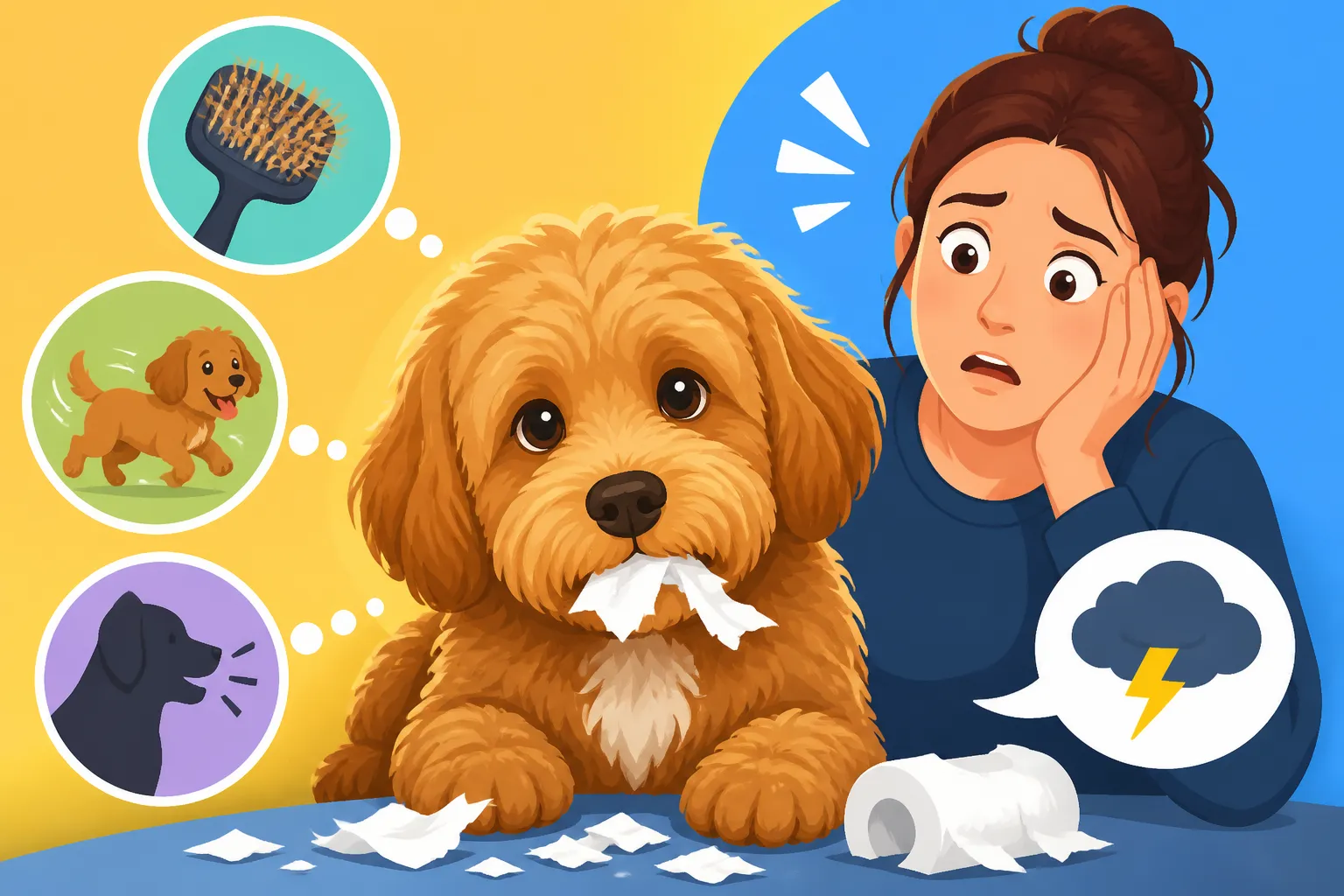
Bringing a Cockapoo into your home often comes with images of a perpetually happy, fluffy companion who is always eager for a cuddle and rarely causes a fuss. While they absolutely embody much of that charm, many first-time Cockapoo owners quickly discover there's a lot more to these delightful dogs than meets the eye—or the Instagram feed. This guide delves into the common realities and challenges that often catch Cockapoo owners by surprise, helping you prepare for a truly fulfilling, albeit sometimes demanding, life with your curly-coated friend.
The Reality of the Cockapoo Coat: More Than Just "Low-Shedding"
One of the biggest draws for many families to the Cockapoo is the promise of a low-shedding, often hypoallergenic, coat. And while it's true that many Cockapoos shed significantly less than their Cocker Spaniel ancestors, this benefit comes with a substantial trade-off that often goes unmentioned until you're elbow-deep in tangles. The Poodle's coat, which contributes to the low-shedding quality, is a hair-growth machine, meaning it just keeps growing and growing, and without proper care, it mats.
The Intensive Grooming Schedule
That beautiful, fluffy, soft coat doesn't maintain itself. In fact, it demands a rigorous, consistent grooming schedule that can be a shock to those unprepared. We're talking daily brushing, not just a quick once-over, but a thorough line-brushing session to get down to the skin and prevent mats from forming at the roots. Ignoring this for even a few days, especially during certain phases of their coat development, can lead to painful knots that require professional intervention. Many owners find themselves spending hours each week on brushing alone, and that's before factoring in regular baths, ear cleaning, and nail trims.
Many Cockapoo owners find that they need to schedule professional grooming appointments every 4-8 weeks, depending on the coat type and desired length. These aren't just pampering sessions; they are essential for your dog's comfort and hygiene. Skipping or delaying these can quickly lead to painful, skin-tight mats that may necessitate a complete shave-down, which no one wants for their beloved pet. It's a significant time and financial commitment that often isn't fully appreciated until you're living it. What a Cockapoo Groom Costs by Coat Type gives you a better idea of the financial side.
The Dreaded "Coat Change"
Just when you think you've got a handle on that adorable puppy fluff, the "coat change" hits, usually between 6 and 18 months of age, though it can vary. This is when their soft, easy-to-manage puppy coat starts giving way to their denser, more adult coat. During this period, the puppy hair weaves itself into the coarser adult hair, creating a matting nightmare if not meticulously managed. It's a frustrating phase for both dog and owner. What was once a quick brush becomes a battle against dense tangles that seem to appear out of nowhere.
This transition often leads to many Cockapoos needing their first full shave-down simply because the matting becomes too severe to brush out humanely. It's a pivotal time where consistent, patient grooming is absolutely critical. Think of it as a canine adolescence for their fur; it’s unruly, unpredictable, and demands extra attention. If you've been lax with brushing, this is where it really catches up to you. Understanding The Coat Change That Ambushes a Cockapoo Owner at Ten Months can help prepare you for this period.
Understanding Different Coat Types and Their Demands
Not all Cockapoo coats are created equal, and this is another piece of information often overlooked. While many breeders will talk about F1, F1b, and so on, it's the actual type of coat your individual puppy inherits that dictates the grooming needs. You can have a straight coat, a wavy coat, or a tightly curled coat.
A straight or "flat" coat, often seen in first-generation (F1) Cockapoos, can sometimes shed more but might be less prone to matting than the curlier varieties. The wavy coat, often described as "fleece," is the quintessential "doodle" look and is prone to matting if not brushed regularly. The tightly curled coat, looking more like a Poodle's, is usually the most labor-intensive to maintain to prevent mats. Knowing The Three Cockapoo Coat Types and Their Upkeep is vital for managing expectations.
| Coat Type | Shedding Level | Matting Tendency | Grooming Frequency (Home) | Grooming Frequency (Professional) |
|---|---|---|---|---|
| Straight/Flat | Moderate | Low to Moderate | Every few days | Every 8-10 weeks |
| Wavy/Fleece | Low | Moderate to High | Daily | Every 6-8 weeks |
| Curly/Wool | Very Low | High | Daily | Every 4-6 weeks |
Before bringing your Cockapoo home, try to get an idea of the parent dogs' coats and ask your breeder about coat genetics. Even then, puppies can be full of surprises. Investing in good grooming tools from the start, like those available on Chewy, is essential. A decent slicker brush, a metal comb, and a detangling spray will become your best friends.
Unpacking the Energetic Side: Life with a Working Dog Heritage
Many people envision the Cockapoo as a docile lap dog, perfect for apartment living with minimal exercise needs. This couldn't be further from the truth for many of these intelligent and active dogs. Both parent breeds—the Cocker Spaniel and the Poodle—have a strong working heritage, and those traits are very much alive and well in the Cockapoo.
The Persistent Prey Drive and Wanderlust
Cocker Spaniels were bred to flush game from dense cover, and Poodles, particularly the smaller varieties, were originally water retrievers. This means many Cockapoos come hardwired with a strong prey drive and an incredible nose for scent. That cute little fluffball who snuggles on the couch can transform into a determined scent hound the moment a squirrel, rabbit, or even an interesting smell crosses their path.
Owners often report that their Cockapoos become "deaf" to commands once they've picked up a scent or spotted something interesting. Recall on a Cockapoo That Has Found a Scent is a common challenge. This isn't naughtiness; it's instinct. It means off-leash privileges are often limited to securely fenced areas, and even then, supervision is key. Many owners underestimate this drive and are caught off guard when their seemingly well-behaved dog suddenly bolts across a park, following an invisible trail.
The Need for Mental and Physical Stimulation
Because of their intelligent Poodle lineage and active Spaniel side, Cockapoos require a significant amount of mental and physical exercise to be truly content. A couple of short walks around the block each day simply won't cut it for most. They thrive on varied activities: long walks, vigorous play sessions, puzzle toys, and training games. Without adequate outlets for their energy and brains, they can quickly become bored, and a bored Cockapoo is often a destructive Cockapoo.
This isn't about simply letting them run wild; it's about engaging their minds. Scent work games, obedience training, agility, or even just teaching new tricks can be incredibly fulfilling for them. Providing these outlets helps prevent undesirable behaviors like excessive barking, chewing furniture, or digging in the yard. Products like interactive feeders or snuffle mats, easily found on Chewy, can provide valuable mental stimulation indoors. Understanding Scent Work That Satisfies a Cockapoo can open up a whole new world of engagement for your dog.
Managing Separation Anxiety and Barking
Many Cockapoos form extremely strong bonds with their human families, which is wonderful for companionship but can sometimes manifest as separation anxiety if not properly managed from a young age. They are often described as "velcro dogs" who want to be involved in everything you do. Being left alone for long periods can be genuinely distressing for them, leading to destructive behaviors, excessive barking, or even self-harm.
Addressing potential separation anxiety involves gradual desensitization, positive association with alone time, and ensuring they are genuinely tired before you leave. Furthermore, many Cockapoos can be quite vocal. They might bark at passersby, at squirrels in the yard, at the doorbell, or even just to demand attention. This isn't always something that can be entirely eliminated, but consistent training and management can certainly help. It's important to recognize that their desire to be with you isn't just "cute" but a deeply ingrained need that requires thoughtful management. A Cockapoo That Cannot Be Left explains this challenge in more detail.
Health Considerations Beyond the Basics: What to Expect
While Cockapoos are often touted as "hybrid vigor" dogs, supposedly healthier than their purebred parents, this isn't a guaranteed shield against inherited conditions. They can, and do, inherit health issues from both the Cocker Spaniel and Poodle sides. Understanding these potential challenges upfront is crucial for responsible ownership and financial preparedness.
Inherited Conditions from Both Sides
Cockapoos can be susceptible to a range of genetic conditions that trace back to their parent breeds. From the Cocker Spaniel side, common concerns include certain eye conditions like Progressive Retinal Atrophy (PRA) or glaucoma, as well as some orthopedic issues. From the Poodle side, conditions like Patellar Luxation (slipping kneecaps), hip dysplasia, and certain autoimmune disorders can occur. Familial Nephropathy and the Kidneys a Cockapoo Can Inherit is another serious concern that can come from the Cocker Spaniel lineage.
It's a misconception that simply being a mixed breed automatically makes them healthier. Without careful breeding practices, a Cockapoo can inherit the worst of both worlds. Being aware of these possibilities allows you to advocate for your dog's health, ask the right questions of your breeder, and recognize symptoms early should they arise.
The Importance of Breeder Health Testing
This leads directly to one of the most vital pieces of information often not stressed enough: the critical importance of a breeder thoroughly health testing both parent dogs. Reputable breeders will screen their breeding stock for the genetic conditions prevalent in Cocker Spaniels and Poodles. This includes hip and elbow evaluations, eye certifications (like OFA CAER exams), and DNA tests for conditions such as PRA, Patellar Luxation, and Familial Nephropathy.
A breeder who cannot or will not provide clear, verifiable health certifications for both parents is a huge red flag. While testing doesn't guarantee a puppy will never develop an issue, it significantly reduces the risk of inheriting devastating diseases. Don't be shy about asking for proof; a good breeder will be transparent and proud of their health testing protocols. This diligence on the breeder's part is a cornerstone of responsible breeding and can save you heartache and significant veterinary bills down the line. The Five Certificates a Cockapoo Breeder Should Show outlines what to look for.
Unforeseen Vet Costs and Insurance Realities
Even with the best health testing, owning a dog means facing potential veterinary expenses. Accidents happen, and dogs can develop illnesses not covered by genetic screening. Many owners are unprepared for the cost of emergency care, specialized treatments, or even routine preventative care that adds up over a dog's lifetime.
For instance, addressing a torn cruciate ligament, a common injury in active dogs, can involve surgery that carries a significant cost. Managing a chronic condition like allergies or hypothyroidism means ongoing medication and vet visits. Pet insurance can be a lifesaver for many families, helping to mitigate these unexpected financial burdens. However, it's important to research policies carefully, understanding what is and isn't covered, especially concerning hereditary or congenital conditions. Thinking ahead about potential What Patella Surgery Costs on a Cockapoo or What Treating Immune Anemia Costs in a Cockapoo can help you budget for the unexpected.
Temperament Truths: More Than Just a "Happy-Go-Lucky" Persona
The Cockapoo's reputation as a perpetually cheerful, friendly companion is largely accurate, but there's depth and nuance to their personality that can surprise new owners. They are intelligent, sensitive, and can develop specific behavioral quirks if their needs aren't understood and met.
The Sensitive Soul: How Cockapoos Respond to Training
Cockapoos are smart, eager to please, and generally highly trainable, but they are also sensitive. Harsh training methods, loud voices, or impatient handling can easily shut them down, making them anxious or resistant. They respond best to positive reinforcement, consistency, and a calm, encouraging approach. They thrive on praise, treats, and games, making training a joyful bonding experience.
Because they are so intelligent, they also learn bad habits just as quickly as good ones. If you inadvertently reward jumping up, barking for attention, or counter-surfing, they'll learn to repeat those behaviors. Owners often find that their Cockapoo is "smarter than they are," cleverly working out how to get their way if boundaries aren't clear. This means patience and consistency are paramount in raising a well-behaved Cockapoo. Whether a Sharp Word Shuts a Cockapoo Down highlights their sensitivity.
Socialization Needs and Potential Reactivity
While generally friendly, Cockapoos still require extensive early socialization to grow into well-adjusted adults. This means safely exposing them to a wide variety of sights, sounds, people, and other dogs from a young age, always ensuring positive experiences. Without proper socialization, some Cockapoos can become fearful or reactive, leading to barking, lunging, or shyness around strangers or unfamiliar situations.
For instance, a Cockapoo not introduced positively to different breeds of dogs in puppyhood might become anxious or bark excessively when encountering a large, boisterous dog at the park. Similarly, without exposure to different environments, a bustling city street or a busy store could be overwhelming. It's a continuous process that extends beyond puppyhood and influences how they interact with the world.
Resource Guarding and Other Unforeseen Behaviors
While not universal, some Cockapoos, particularly those with a stronger Cocker Spaniel influence, can display tendencies towards resource guarding. This is when a dog becomes possessive over food, toys, or even favored resting spots, growling or snapping if someone approaches. It's a natural canine behavior, not a sign of a "bad" dog, but it needs to be managed proactively and positively from puppyhood.
Additionally, their intelligence and curiosity can lead to behaviors like counter-surfing, trash raiding, or digging if they are bored or seeking attention. Whether a Cockapoo Steals Food Off Counters is a common complaint. Many owners are surprised by the sheer determination their seemingly innocent Cockapoo can exhibit in pursuit of a forbidden treat. Understanding these potential behaviors allows you to set up your home environment and training to prevent them from becoming entrenched issues. It means being proactive, not reactive, in shaping their behavior.
Disclaimer
This article is for general informational purposes only and does not constitute professional advice. Laws, prices and regulations vary by location and change over time. Consult a qualified professional for guidance on your specific situation.