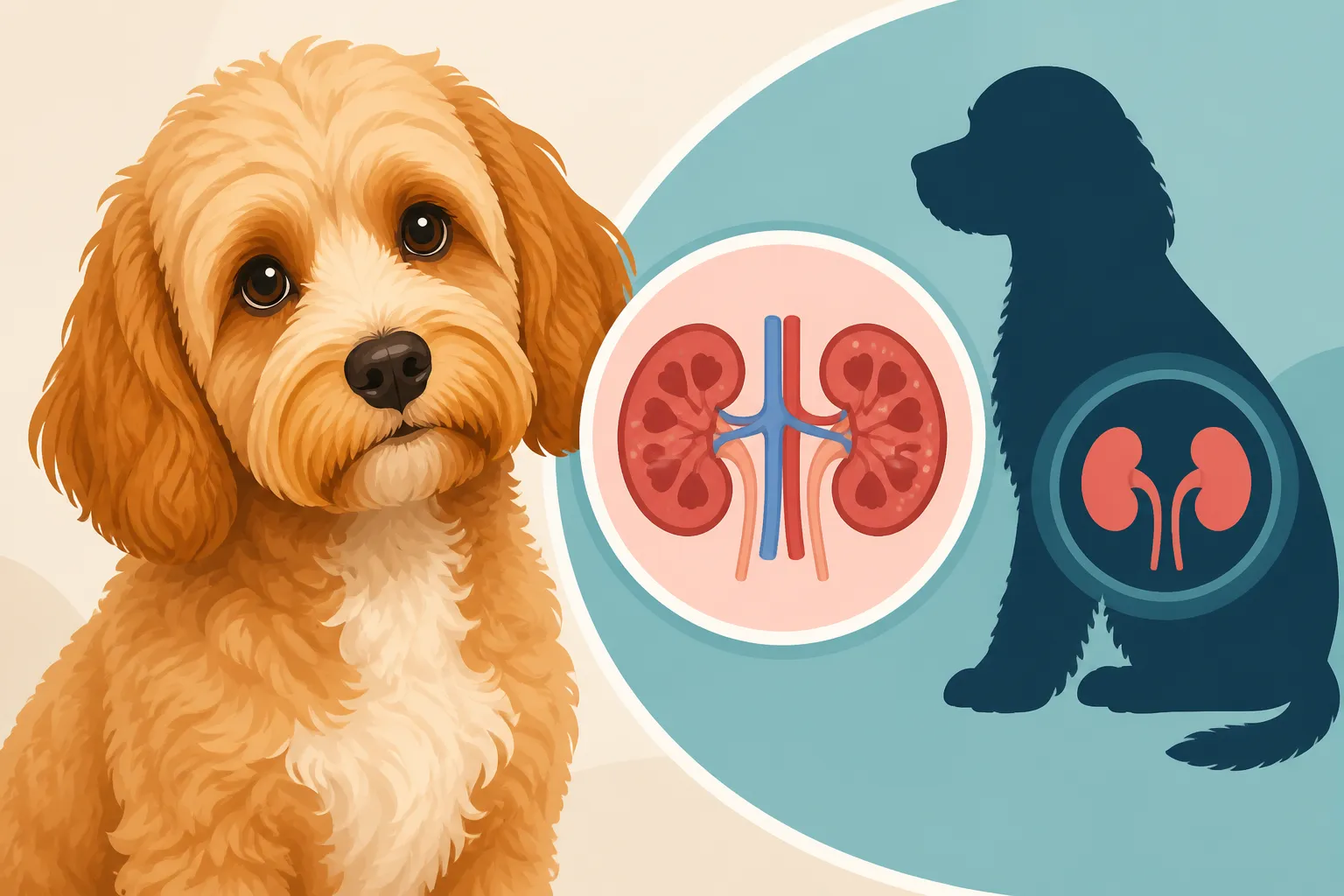
The Age Kidney Failure Appears in an Affected Cockapoo
It’s absolutely heartbreaking to think about our vibrant, playful Cockapoos facing serious health challenges, especially something as devastating and often silent as kidney disease. Many of us worry about what genetic predispositions our beloved dogs might carry and when those issues could surface, leaving us feeling helpless and anxious. This guide is here to shed light on a specific and serious condition, Familial Nephropathy (FN), focusing on when kidney failure typically appears in an affected Cockapoo, what to watch for, and how responsible owners can best prepare and advocate for their furry family members.
Understanding Familial Nephropathy (FN) in Cockapoos
Familial Nephropathy, often shortened to FN, is a truly devastating inherited kidney disease that sadly affects certain breeds, and yes, it’s something that can impact our sweet Cockapoos. It’s not just a general "kidney problem" that can come with old age; this is a specific genetic condition that leads to progressive kidney damage. As a Cockapoo owner, hearing about such a serious genetic disease can be incredibly worrying, especially when you’ve fallen head over heels for their charming personalities and fluffy faces.
The Genetic Basis of FN
At its core, Familial Nephropathy is a genetic disorder. This isn't something a Cockapoo picks up from an infection or a poor diet; it's passed down from their parents. Specifically, it's an autosomal recessive condition, meaning a puppy needs to inherit a copy of the faulty gene from both its mother and its father to be affected. If a puppy inherits only one copy, it becomes a "carrier" – healthy itself, but capable of passing the gene on to its own offspring if bred. This is why understanding the genetic background of your Cockapoo, especially if you're getting a puppy, is so incredibly important. Knowing about Whether a Cockapoo Gets Nephropathy Only From the Cocker is a good starting point, as it clarifies which side of the family tree this particular gene tends to originate from.
The faulty gene causes structural abnormalities in the kidney’s filtering units, known as glomeruli. These tiny filters are essential for removing waste products from the blood and maintaining fluid balance. When they don't function correctly, they allow vital proteins to leak out and waste products to build up, progressively damaging the kidneys over time. It's a slow, insidious process that can unfortunately go unnoticed until the disease is quite advanced.
Why Cockapoos Are at Risk
The reason Cockapoos are susceptible to FN lies directly in their ancestry. This particular form of familial nephropathy is well-documented in English Cocker Spaniels, one of the two parent breeds that make up a Cockapoo. When an English Cocker Spaniel carrying the FN gene is bred with a Poodle, or even another Cockapoo, there's a chance of passing that gene on. Even if the Poodle parent is completely clear, if the Cocker parent is a carrier, their Cockapoo offspring could also be carriers.
It highlights the critical importance of responsible breeding practices. While many Cockapoo breeders are diligent about health testing, the mixed-breed nature can sometimes lead to less stringent checks, particularly from backyard breeders or puppy mills. A truly ethical breeder will go to great lengths to ensure their breeding stock is clear of known genetic conditions, providing peace of mind and, more importantly, healthier puppies. This is why topics like The FN DNA Test a Cockapoo Breeder Runs are so vital for prospective puppy parents to understand and discuss with any potential breeder.
Inheritance Patterns: Carriers and Affected Dogs
Let's break down the genetics a little further because it can feel like a confusing maze. When we talk about autosomal recessive inheritance, there are three possible genetic statuses for any Cockapoo concerning FN:
- Clear (N/N): This dog has two normal copies of the gene and cannot develop FN or pass the faulty gene to its offspring.
- Carrier (N/FN): This dog has one normal copy and one faulty copy of the gene. It will not develop FN itself but can pass the faulty gene to 50% of its offspring. If bred with another carrier, some puppies could be affected. This directly relates to the question of Why Two Carrier Parents Produce an Affected Cockapoo.
- Affected (FN/FN): This dog has two copies of the faulty gene and will eventually develop FN, leading to kidney failure.
Understanding these distinctions is crucial, not just for breeders but for anyone looking to bring a Cockapoo into their home. If you're considering a puppy, always ask about the parents' genetic testing results for FN. A reputable breeder will be transparent and eager to share these certificates. This knowledge empowers you to make an informed decision and significantly reduces the risk of welcoming an affected puppy into your life.
Typical Onset Age for Kidney Failure in Affected Cockapoos
This is often the most pressing question for owners when discussing Familial Nephropathy: When will the symptoms show up? Unlike some conditions that manifest in puppyhood or old age, FN in Cockapoos (and their English Cocker Spaniel ancestors) has a relatively consistent, though tragically young, age of onset for kidney failure. It’s one of the most heartbreaking aspects of this disease.
The Crucial First Two Years
For Cockapoos affected by Familial Nephropathy, the kidneys typically begin to show signs of severe decline, leading to noticeable symptoms of kidney failure, within the first two years of life. This window, specifically between six months and two years of age, is often when owners start to observe subtle, then increasingly overt, changes in their dog's health. Imagine bringing home a playful, fluffy puppy, full of life and joy, only to start seeing them slow down, lose their appetite, or drink excessively before they even celebrate their second birthday. It's an incredibly difficult reality for families.
The kidneys are resilient organs, capable of functioning quite well even when significant damage has occurred. This means that by the time clinical signs are evident, the disease is already quite advanced. The initial changes are often so subtle that they can be easily missed or attributed to other, less serious puppy ailments like a temporary upset tummy or a growth spurt. This latency is what makes FN so insidious and why early, proactive testing by breeders is non-negotiable. It’s also why understanding Whether FN Shows Before a Cockapoo Turns Two is paramount for owners.
Variability in Age of Diagnosis
While the general window is 6 months to 2 years, it's important to acknowledge that there can be some variability. Some affected Cockapoos might show signs a little earlier, perhaps closer to five or six months, while others might not present with clear symptoms until they are just over two years old. This slight variation doesn't change the devastating nature of the disease, but it does emphasize the need for vigilant observation throughout early life and regular veterinary check-ups. Factors like diet, stress, and even other concurrent health issues could potentially influence the exact timing of clinical presentation, but the underlying genetic clock for kidney degradation is already ticking.
It's also worth noting that the severity and speed of progression can vary slightly from dog to dog. Some might experience a more rapid decline, while others might have a slightly slower, more protracted course. However, the outcome is unfortunately the same: irreversible kidney failure. This variability means that even if your Cockapoo seems perfectly fine at 18 months, it doesn't automatically mean they're in the clear if they haven't been genetically tested or if there's a known risk in their lineage.
Impact of Early vs. Late Onset
The earlier the onset of kidney failure, the more profound the impact on the Cockapoo's overall health and quality of life. Puppies who develop severe FN symptoms before their first birthday often have a much harder time, as their bodies are still developing. Their systems are simply less equipped to handle the metabolic stress and waste accumulation. This can lead to rapid deterioration and a significantly shortened lifespan.
For those whose symptoms emerge closer to two years of age, while still devastating, there might be a slightly better initial response to supportive care, as their bodies are more mature. However, it's crucial to understand that "later onset" in the context of FN still means a very young dog. We're not talking about an aging canine; we're talking about a dog that should be in the prime of its life. The emotional toll on families is immense, regardless of whether it's at one year or two. Having a robust pet insurance plan, like one from a provider such as Healthy Paws, can be an absolute lifesaver during such challenging times, covering the often exorbitant costs of diagnostics and ongoing care.
Recognizing the Early Signs of Kidney Disease
Spotting kidney disease early in a Cockapoo, especially FN, can be tricky because the initial symptoms are often vague and can mimic other, less serious conditions. However, being attuned to your dog's normal behavior and physical state can make all the difference. As a loving owner, you are truly your Cockapoo’s first line of defense, and knowing what to look out for is invaluable.
Subtle Behavioral Changes
One of the first things you might notice is a change in your Cockapoo's energy levels or overall demeanor. They might seem less enthusiastic about playtime, walks, or even mealtime – activities they usually adore. A dog that was once boisterous and eager to explore might become more lethargic, sleeping more than usual, or simply appearing "off." This isn't just about them being a bit tired; it's a persistent, unexplained dip in their usual zest for life. They might also become withdrawn, less interactive, or show signs of discomfort, even if it's not obvious what's causing it.
You might also observe a decrease in appetite or a change in their eating habits. Perhaps they start leaving food in their bowl, or they become pickier than usual. This can easily be brushed off as "just being fussy," especially with Cockapoos who can sometimes be a bit particular. But when combined with other subtle changes, a persistent reluctance to eat or a noticeable weight loss, even if gradual, should certainly raise a red flag. These are the kinds of early indicators that can be easy to miss in a busy household, but they truly warrant attention. If you're asking yourself Whether Weight Loss in a Young Cockapoo Means Kidneys, it's definitely time for a vet visit.
Changes in Thirst and Urination
Perhaps the most classic and often earliest noticeable symptoms of kidney issues revolve around water intake and urination. You might suddenly find yourself refilling their water bowl more frequently than usual, or you might catch your Cockapoo drinking excessively. This increased thirst is called polydipsia. Correspondingly, you’ll notice they need to urinate more often, and perhaps produce larger volumes of urine – a condition known as polyuria. They might even have accidents inside the house, despite being perfectly house-trained, simply because they can't hold it as long due to the increased urine production.
It’s easy to dismiss increased drinking on a hot day or after a long walk, but if you’re noticing a sustained increase in water consumption over days or weeks, regardless of activity or weather, it’s a significant symptom. Likewise, if your perfectly potty-trained Cockapoo suddenly has accidents, especially overnight, it's a strong indicator that something is amiss with their kidneys. If you find yourself asking Whether a Cockapoo Drinking Constantly Should Be Tested, the answer is almost always yes. These changes are crucial because damaged kidneys struggle to concentrate urine, leading to the body trying to compensate by drinking more.
Physical Symptoms to Watch For
As kidney disease progresses, more overt physical symptoms will begin to appear. These can include:
- Vomiting and Diarrhea: The buildup of toxins in the blood can irritate the gastrointestinal tract, leading to nausea, vomiting, and diarrhea. This is often accompanied by a loss of appetite.
- Bad Breath (Uremic Breath): As waste products accumulate, they can cause a distinct, ammonia-like odor on your dog's breath. It’s quite different from typical "dog breath" and often described as smelling metallic or like urine.
- Oral Ulcers: In severe cases, the buildup of toxins can cause painful ulcers on the tongue, gums, or inside the cheeks.
- Weakness and Lack of Coordination: The imbalance of electrolytes and general systemic illness can lead to muscle weakness, tremors, or an unsteady gait.
- Pale Gums: Anemia, which can be a complication of chronic kidney disease, can result in pale gums.
- Overall Poor Coat Condition: A dull, dry, or unhealthy-looking coat can also be a sign of underlying illness, including kidney issues.
If you observe any combination of these signs, particularly in a young Cockapoo, it is absolutely vital to contact your veterinarian immediately. Early detection and intervention, even if a cure for FN isn't possible, can significantly help manage symptoms and improve your dog's comfort for as long as possible. Prompt veterinary attention is crucial, and having pet insurance from a company like Healthy Paws can ease the financial burden of rapid diagnostics.
Diagnosis and Monitoring for Kidney Issues
When you notice those unsettling signs in your Cockapoo, your vet visit becomes a critical first step. Diagnosing kidney disease, and specifically Familial Nephropathy, involves a combination of thorough examination, blood tests, and urine analysis. It's not a one-and-done kind of situation; it requires a systematic approach to pinpoint exactly what's going on inside your precious pup.
Routine Veterinary Check-ups and Bloodwork
Regular check-ups, even for young, seemingly healthy Cockapoos, are your best friend. Your veterinarian will perform a full physical examination, checking your dog's weight, hydration status, pulse, and listening to their heart and lungs. They’ll feel their abdomen, including gently palpating the kidneys, though early changes might not be detectable this way. This routine care is not just for vaccinations; it's about establishing a baseline for your dog's health.
When kidney issues are suspected, bloodwork becomes paramount. A complete blood count (CBC) can indicate anemia, which, as mentioned, can be a symptom of chronic kidney disease. However, the most telling tests are the biochemical panel, which measures kidney function indicators like Blood Urea Nitrogen (BUN) and creatinine. High levels of BUN and creatinine signal that the kidneys aren't filtering waste effectively. Electrolyte levels (like potassium and phosphorus) are also crucial, as imbalances often occur with kidney dysfunction. However, it's important to remember that these values only typically become elevated when about 75% of kidney function has already been lost. This is why more sensitive markers are becoming increasingly important. For detailed information, consider reading The Bloodwork That Catches a Cockapoo's Kidney Disease.
Specific Tests for Kidney Function
Beyond the standard blood panel, your vet might recommend more specific tests to get a clearer picture of kidney health.
- Urinalysis: This involves examining a urine sample for its concentration (specific gravity), presence of protein, blood, glucose, and signs of infection. In kidney disease, urine is often dilute (low specific gravity) because the kidneys cannot concentrate it properly, and protein may be present.
- Urine Protein:Creatinine Ratio (UPC): This is a highly sensitive test that measures the amount of protein leaking into the urine. Elevated protein in the urine (proteinuria) is often one of the earliest signs of kidney damage, sometimes even before BUN and creatinine levels rise significantly. For FN, this test is particularly important because the disease directly affects the kidney's filtering units, leading to protein loss.
- SDMA (Symmetric Dimethylarginine): This is a newer, highly sensitive biomarker for kidney function. SDMA levels can increase much earlier than creatinine (when as little as 25% of kidney function is lost), making it an invaluable tool for early detection. Many vets now include SDMA in routine blood panels, especially for breeds at risk. This could be a game-changer for conditions like FN, allowing for earlier intervention.
- Imaging (Ultrasound or X-rays): While not directly diagnosing FN, these can help assess the size, shape, and structure of the kidneys, ruling out other conditions like kidney stones or tumors. In cases of FN, the kidneys might appear smaller or have an abnormal texture.
Long-term Monitoring Strategies
If your Cockapoo is diagnosed with kidney disease, or if they are at high risk due to their lineage, long-term monitoring becomes a way of life. This means regular veterinary visits, often every few months, depending on the stage of the disease. These visits will typically include repeat bloodwork (BUN, creatinine, SDMA, electrolytes) and urinalysis (specific gravity, UPC) to track progression and adjust treatment.
Your vet will also monitor your dog's weight, appetite, and overall well-being closely. They might recommend blood pressure checks, as hypertension is a common complication of kidney disease. The goal of monitoring is twofold: to slow the progression of the disease as much as possible and to maintain your Cockapoo's quality of life. This journey requires a close partnership with your veterinarian and a deep commitment to your dog's health. It’s also where having comprehensive pet insurance, like a policy from Healthy Paws, can provide immense relief, ensuring you can afford the frequent diagnostic tests and ongoing care without financial strain.
Management and Prognosis for Cockapoos with Kidney Failure
Receiving a diagnosis of kidney failure due to Familial Nephropathy is, without a doubt, devastating news for any Cockapoo owner. There's no sugarcoating it: FN is a progressive and ultimately fatal disease. However, while there is no cure, there are significant steps you and your veterinary team can take to manage the symptoms, support kidney function, and maintain your Cockapoo's comfort and quality of life for as long as possible. The focus shifts from curing to caring deeply.
Dietary Management and Fluid Therapy
One of the cornerstones of managing kidney disease in dogs is dietary modification. Vets will almost certainly prescribe a therapeutic kidney diet. These diets are specifically formulated to:
- Reduced Protein: Not excessively low, but controlled. The protein should be high-quality to minimize the production of nitrogenous waste products that damaged kidneys struggle to filter.
- Reduced Phosphorus: High phosphorus levels can exacerbate kidney damage. Kidney diets are designed to limit phosphorus intake.
- Controlled Sodium: To help manage blood pressure and fluid retention.
- Increased Omega-3 Fatty Acids: These have anti-inflammatory properties that can be beneficial for kidney health.
- Added B Vitamins: Water-soluble B vitamins are often lost in the urine of dogs with kidney disease and need to be supplemented.
Transitioning to a new diet can be challenging, especially if your Cockapoo isn't feeling well, but it's incredibly important. For more guidance on this, consider reading Whether a Kidney Diet Helps an Affected Cockapoo. Beyond diet, maintaining good hydration is absolutely critical. Many dogs with kidney disease are encouraged to drink as much as possible, and your vet might even recommend subcutaneous fluid therapy (fluids given under the skin at home) to help flush toxins and prevent dehydration, especially if your Cockapoo isn't drinking enough on their own.
Medications and Supportive Care
In addition to diet and fluids, your veterinarian will likely prescribe various medications and supportive care to manage specific symptoms and complications of kidney failure:
- Antihypertensives: Medications like ACE inhibitors (e.g., benazepril) can help lower blood pressure and reduce protein leakage from the kidneys.
- Phosphate Binders: If dietary phosphorus restriction isn't enough, oral phosphate binders can be given with meals to prevent the absorption of excess phosphorus.
- Anti-emetics: Medications to control nausea and vomiting can help improve appetite and comfort.
- Appetite Stimulants: If your Cockapoo is still reluctant to eat, your vet might prescribe appetite stimulants.
- Potassium Supplements: If low potassium levels (hypokalemia) are an issue, supplements may be needed.
- Erythropoietin (EPO) analogues: For severe anemia, synthetic forms of erythropoietin can stimulate red blood cell production.
This supportive care aims to alleviate symptoms, minimize further kidney damage, and improve your Cockapoo's overall quality of life. It’s a dynamic process, often requiring adjustments to medications and dosages as the disease progresses. Working closely with your vet and staying proactive about their care is crucial.
Understanding the Life Expectancy
This is the hardest part for any owner facing FN. For Cockapoos diagnosed with Familial Nephropathy, the prognosis is unfortunately poor. Because the disease is aggressive and typically strikes at a young age, the life expectancy after diagnosis can be significantly shortened. While some affected Cockapoos might live for several months to a year or slightly more with intensive management, many succumb to the disease within weeks or a few months once clinical signs of kidney failure become apparent. This is a tough conversation to have, but understanding How Long an FN Affected Cockapoo Lives is important for making informed decisions about your dog's care and for preparing yourself emotionally.
The exact length of time depends on the stage of the disease at diagnosis, how well the Cockapoo responds to treatment, and their individual resilience. It's a journey filled with ups and downs, requiring immense dedication. The ultimate goal is to ensure that every day your Cockapoo has is as comfortable, joyful, and pain-free as possible. It's about prioritizing their quality of life above all else, making every moment count, and being prepared for difficult decisions when they arise.
Prevention and Responsible Breeding Practices
While dealing with Familial Nephropathy in an affected Cockapoo is incredibly challenging, the good news is that this is a preventable disease through responsible breeding practices. As prospective or current Cockapoo owners, understanding prevention is key to ensuring the health of future generations and to making informed choices for your own family. This is where education truly becomes empowerment.
The Importance of DNA Testing
The single most critical step in preventing Familial Nephropathy is DNA testing of breeding dogs. Since FN is caused by a specific recessive gene, a simple, non-invasive DNA test can determine if a dog is "Clear," a "Carrier," or "Affected." Reputable breeders will routinely screen all their breeding stock for FN, typically using a buccal swab (swab inside the cheek) sent to a specialized genetic testing laboratory such as Paw Print Genetics. This directly addresses the question of Whether Paw Print Genetics Tests Cockapoos for FN.
By testing both parents, breeders can make informed decisions to avoid producing affected puppies. The golden rule for preventing autosomal recessive diseases is simple: Never breed two carriers together. If a carrier dog is bred to a clear dog, all offspring will either be clear or carriers, but none will be affected. This effectively eliminates the risk of an FN-affected puppy, ensuring that the puppies are only healthy or healthy carriers. This proactive approach by breeders is the foundation of preventing inherited diseases and is something every prospective Cockapoo owner should insist upon.
Choosing a Reputable Breeder
This brings us to the paramount importance of choosing a reputable Cockapoo breeder. Unfortunately, the popularity of "designer breeds" like Cockapoos has also led to a surge in unscrupulous breeders, including puppy mills and backyard breeders, who often cut corners on health testing. These breeders are precisely where the risk of inherited diseases like FN remains highest.
A truly responsible breeder will:
- Health Test All Breeding Stock: They will provide verifiable documentation of DNA testing for FN and other common Cockapoo health concerns, such as Progressive Retinal Atrophy in a Cockapoo and hip/elbow evaluations. They should be able to show you the actual certificates. If you ask for Asking a Cockapoo Breeder for the FN Certificate and they hesitate, that's a red flag.
- Be Transparent: They will openly discuss health concerns in the breed, their breeding philosophies, and their commitment to puppy health.
- Allow Visits: They will welcome you to visit their premises to see the puppies, the mother (and ideally the father if on-site), and the living conditions.
- Offer a Health Guarantee: They will typically offer a health guarantee, often covering genetic conditions, though it's important to read the terms carefully.
- Ask You Questions: A good breeder is vetting you just as much as you are vetting them, ensuring their puppies go to suitable homes.
Choosing a puppy from parents that have not been health tested for FN is, frankly, a gamble. An untested Cockapoo litter carries an unknown risk of inherited diseases. This makes Whether an Untested Cockapoo Litter Is a Gamble a rhetorical question for informed buyers.
Ongoing Research and Future Outlook
The good news is that canine genetic research is constantly advancing. Scientists are continuously working to identify the genetic markers for various diseases, improve diagnostic tests, and even explore potential therapies. As more breeders embrace health testing and as awareness among the public grows, the incidence of preventable genetic diseases like Familial Nephropathy can significantly decrease over time.
Organizations dedicated to Cockapoo health, and those focused on the parent breeds (Cocker Spaniels and Poodles), often fund research and promote responsible breeding guidelines. The formation of breed clubs and associations, and the development of health registries, were in part motivated by the need to address inherited health issues. This directly relates to Whether FN Is Why Cockapoo Clubs Formed. As an owner, staying informed, supporting ethical breeders, and advocating for widespread health testing are the best ways to contribute to a healthier future for all Cockapoos. Your proactive choices today directly impact the well-being of dogs for years to come.
Kidney Health Management Overview
To help you keep track of the critical aspects of kidney health in your Cockapoo, here's a summary table highlighting key information:
| Aspect | Description | Action for Owners |
|---|---|---|
| Familial Nephropathy (FN) | Genetic, inherited kidney disease (autosomal recessive). Primarily from English Cocker Spaniel lineage. Causes progressive kidney damage. | When acquiring a puppy, insist on seeing DNA test results for FN for both parents (must be clear or carrier x clear). Ask about Whether a Breeder Must Test Both Cockapoo Parents. |
| Typical Onset Age | Generally between 6 months and 2 years of age for affected Cockapoos. Symptoms usually appear when 75% of kidney function is lost. | Be extra vigilant for symptoms during this crucial early life stage. |
| Early Symptoms | Increased thirst (polydipsia), increased urination (polyuria), subtle lethargy, decreased appetite, weight loss. | Monitor water intake, urination frequency, energy levels, and appetite closely. Don't dismiss persistent changes as "normal puppy behavior." |
| Advanced Symptoms | Vomiting, diarrhea, bad breath (uremic), oral ulcers, muscle weakness, pale gums, poor coat quality. | Seek immediate veterinary attention if these symptoms appear. |
| Diagnosis | Blood tests (BUN, creatinine, SDMA), urinalysis (specific gravity, UPC ratio), imaging (ultrasound). | Regular vet check-ups with bloodwork are essential. Discuss SDMA testing with your vet for early detection. |
| Management | No cure for FN. Focus on supportive care: special kidney diet, fluid therapy (subcutaneous), medications (blood pressure, phosphorus binders, anti-emetics). | Adhere strictly to prescribed diet and medication. Learn how to administer subcutaneous fluids if recommended. Maintain open communication with your vet about your Cockapoo's progress and comfort. |
| Prognosis | Poor. Life expectancy after diagnosis is typically short (weeks to months, sometimes a bit longer with aggressive management). | Focus on maximizing quality of life, comfort, and providing loving care. Be prepared for difficult decisions, always prioritizing your Cockapoo's well-being. Consider pet insurance like Healthy Paws for financial support. |
| Prevention | DNA testing of all breeding stock for FN. Avoid breeding two carriers together. Responsible breeder selection. | Choose a reputable breeder who performs and provides proof of genetic health testing. Educate others on responsible breeding. |
Disclaimer
The information provided in this article is for general informational purposes only and is not a substitute for professional veterinary advice. Always consult with a qualified veterinarian for any health concerns or before making any decisions related to your Cockapoo's health and treatment.