What Familial Nephropathy Does to a Cockapoo
Discovering that your beloved Cockapoo might be battling a serious health condition like Familial Nephropathy (FN) can feel like a punch to the gut. It's truly heartbreaking to face the uncertainty and fear that comes with a complex, inherited disease. This guide is here to unravel the mysteries of Familial Nephropathy, helping you understand exactly what it means for your furry family member, how to spot the signs, and what steps you can take to manage this challenging condition.
Understanding Familial Nephropathy in Cockapoos
Familial Nephropathy is one of those scary terms that no dog owner ever wants to hear. It’s a progressive, inherited kidney disease that can unfortunately cast a long shadow over a Cockapoo’s life, primarily because it silently and relentlessly damages the very organs essential for filtering waste from the blood. It’s not something that happens due to bad luck or poor diet; it’s woven into their genetic code, typically stemming from the Cocker Spaniel side of their lineage.
The Genetic Roots of FN
When we talk about Familial Nephropathy, we're really diving into genetics. This isn't just any kidney problem; it's a specific form caused by a mutation in the COL4A4 gene. To put it simply, this gene is responsible for producing a crucial protein that helps form the delicate filtering membranes within the kidneys. If this gene is faulty, those filters don't develop or function properly, leading to kidney failure. The inheritance pattern is autosomal recessive, which means a Cockapoo must inherit two copies of the faulty gene – one from each parent – to actually develop the disease. If they inherit just one copy, they become a "carrier," healthy themselves but capable of passing the gene on to their offspring. This is why responsible breeders are so diligent about Whether Both Cockapoo Parents Must Be prcd-PRA Clear and other genetic screenings, including for FN.
It's a stark reminder of why understanding a dog's genetic background is so incredibly important, especially with popular crossbreeds like the Cockapoo. Without proper genetic testing of the parent dogs, a breeder might unknowingly breed two carriers together. Even if the parents seem perfectly healthy, if both carry that single faulty gene, each puppy in their litter has a 25% chance of inheriting two copies and therefore being affected by FN. This is the tragic reality behind Why Two Carrier Parents Produce an Affected Cockapoo and highlights the absolute necessity of proactive testing before breeding.
How FN Affects the Kidneys
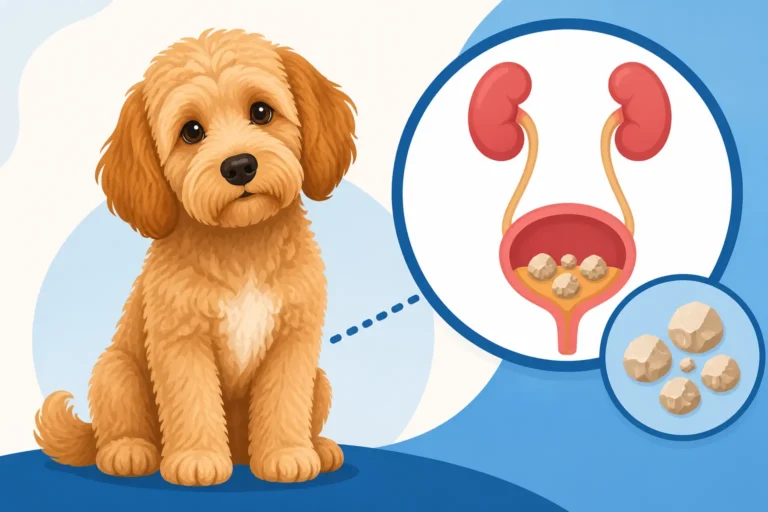
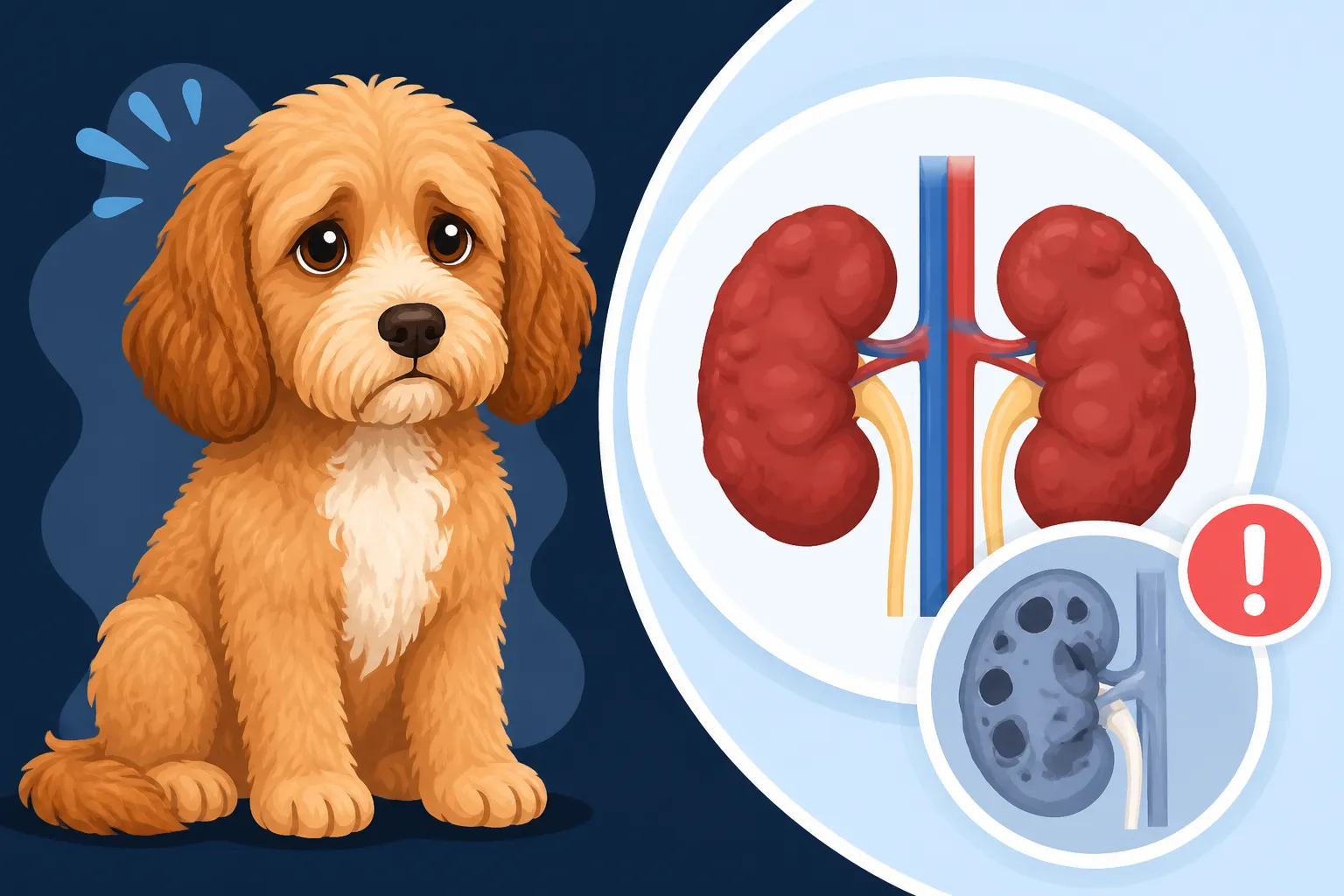
The kidneys are incredible organs, acting like the body's sophisticated filtration system. They remove waste products, balance electrolytes, regulate blood pressure, and produce hormones. In a Cockapoo affected by Familial Nephropathy, this intricate system begins to break down. The primary target of FN is the glomeruli, which are tiny clusters of blood vessels within the kidneys that are responsible for the initial filtering of blood. With FN, the structural integrity of these glomeruli is compromised.
Initially, this damage might be subtle, causing a slow leakage of protein from the blood into the urine – a condition known as proteinuria. This protein loss is a hallmark sign of FN and can often be detected long before other symptoms appear. As the disease progresses, more and more of these critical filtering units are damaged beyond repair. This leads to a build-up of toxins in the blood, an inability to properly concentrate urine, and a cascade of other health problems. Eventually, without these vital filters functioning, the kidneys simply fail, unable to sustain life. It’s a relentless, progressive decline, and understanding this mechanism helps us appreciate the urgency of early detection and management.
Recognizing the Early Signs and Symptoms
One of the most frustrating aspects of Familial Nephropathy is that its early signs can be incredibly subtle, easily mistaken for common puppy ailments or even just "being a dog." It's like a whisper before it becomes a shout, and by the time the symptoms are undeniable, the disease has often progressed significantly. Staying vigilant and knowing what to look for can make a real difference in the timing of diagnosis and intervention.
Subtle Changes in Your Cockapoo's Behavior
When a Cockapoo first starts to be affected by FN, the changes are often so mild you might not even connect them to something as serious as kidney disease. The most common early indicators revolve around water intake and urination. You might notice your dog drinking more water than usual – constantly topping up their bowl, trying to drink from puddles, or seeming insatiably thirsty. Hand-in-hand with increased drinking comes increased urination; more frequent trips outside, larger puddles, or even accidents in the house from a previously well-house-trained dog. These are key signs of polydipsia (excessive thirst) and polyuria (excessive urination), as the damaged kidneys struggle to concentrate urine effectively, leading the body to try and flush out toxins by drinking more.
It's so easy to brush these off. "Oh, it's just hot," or "They must have played hard today." But when these changes become consistent, it's a red flag. Beyond thirst and urination, you might notice a general lethargy, a slight drop in their usual bouncy energy. Perhaps they're not quite as enthusiastic about their morning walk, or they're sleeping a bit more. Their appetite might wane, becoming pickier with their food or simply not finishing their meals. These are non-specific symptoms, which is why it's so challenging to pinpoint FN without a vet's expertise. But knowing that these subtle shifts can be the first indicators of something deeper allows you to be a more proactive advocate for your pet's health. You might even consult your vet about Whether a Cockapoo Drinking Constantly Should Be Tested.
Progressive Symptoms as the Disease Advances
As Familial Nephropathy progresses and kidney function continues to decline, the symptoms become much more pronounced and distressing. The body can no longer effectively remove waste products, leading to a build-up of toxins in the bloodstream, a condition known as uremia. This toxic overload affects nearly every system in the body. You'll likely see more significant weight loss, as their appetite continues to decrease and their body struggles to process nutrients. Vomiting and diarrhea become more frequent, often due to the toxins irritating the digestive tract.
Their once vibrant Cockapoo coat might lose its luster, becoming dull, dry, or even brittle, reflecting their overall poor health and dehydration. You might notice bad breath, a distinct ammonia-like odor, which is another sign of uremic toxins accumulating. In severe cases, mouth ulcers can develop, making eating even more painful and difficult. The dog's muscle mass will noticeably diminish, and they may appear frail and weak. This stage of the disease is incredibly tough to witness, as your energetic Cockapoo transforms into a shadow of their former self, struggling with basic bodily functions. It's at this point that many owners realize Whether Weight Loss in a Young Cockapoo Means Kidneys is a serious consideration, especially in a younger dog.
Diagnosing Familial Nephropathy
Getting a definitive diagnosis for Familial Nephropathy can be a journey, especially given the non-specific nature of early symptoms. However, with vigilant observation from owners and thorough testing by veterinarians, it is absolutely possible to identify this condition. The key is knowing which tests to ask for and understanding what their results mean.
The Importance of Early Veterinary Intervention
If you've noticed any of the subtle or progressive symptoms mentioned above, your first and most crucial step is a visit to your veterinarian. Don't delay. Early detection of kidney disease, even if it's not immediately confirmed as FN, can significantly impact the course of action. Your vet will start with a comprehensive physical exam and likely recommend a baseline set of blood and urine tests. These tests are vital for assessing kidney function.
Blood tests will typically include a complete blood count (CBC) and a biochemistry panel. The biochemistry panel will look at indicators like creatinine, blood urea nitrogen (BUN), and symmetric dimethylarginine (SDMA). Elevated levels of these indicate that the kidneys aren't filtering waste products as efficiently as they should. SDMA is particularly useful as it can detect kidney disease much earlier than creatinine or BUN. A urinalysis will assess urine specific gravity (USG), which indicates the kidney's ability to concentrate urine. In kidney disease, USG is often low, meaning the urine is dilute. They’ll also check for proteinuria, an excessive amount of protein in the urine, often measured through a urine protein-to-creatinine ratio (UPC). A high UPC is a strong indicator of kidney damage and a red flag for conditions like FN. These initial bloodwork results are often the first strong evidence that The Bloodwork That Catches a Cockapoo's Kidney Disease is pointing towards kidney issues.
Confirmatory Diagnostic Tools
While blood and urine tests can strongly suggest kidney disease, a definitive diagnosis of Familial Nephropathy requires specific genetic testing. This is where the FN DNA test comes into play. This test, often performed using a simple cheek swab or blood sample, directly looks for the COL4A4 gene mutation. It can definitively identify whether a Cockapoo is clear, a carrier, or affected by FN. For any Cockapoo showing signs of kidney disease, or for breeding animals, this DNA test is invaluable. Knowing a dog's genetic status is powerful information, not just for current health management but also for making informed breeding decisions to prevent the spread of the disease. You might even ask your breeder for documentation, such as Asking a Cockapoo Breeder for the FN Certificate, to ensure proper screening was done.
In some cases, especially if there's uncertainty or to assess the extent of kidney damage, a kidney biopsy might be considered. This procedure involves taking a small tissue sample from the kidney for microscopic examination. While more invasive, a biopsy can provide detailed information about the specific type and severity of kidney damage. However, with the availability of accurate DNA testing for FN, biopsies are less frequently used solely for diagnosis of this specific condition in Cockapoos unless there are other complicating factors or atypical presentations. Understanding these tools helps both owners and vets work together to confirm the presence of FN and tailor the most appropriate care plan. Reputable genetic testing companies like Paw Print Genetics offer these specific panels for various breeds and crosses.
Managing Life with an FN-Affected Cockapoo
Receiving a diagnosis of Familial Nephropathy for your Cockapoo is incredibly difficult. It's natural to feel overwhelmed, but remember that there are proactive steps you can take to manage the condition and improve your dog's quality of life. While FN is not curable, supportive care can make a significant difference in slowing its progression and keeping your Cockapoo comfortable for as long as possible.
Dietary Management and Hydration
One of the cornerstones of managing kidney disease in dogs, including FN, is a specialized diet. These prescription kidney diets are specifically formulated to reduce the workload on the damaged kidneys. They are typically lower in protein, but the protein included is high-quality to minimize waste products. They also have restricted levels of phosphorus and sodium, as these minerals can worsen kidney damage and contribute to blood pressure issues. These diets come in both wet and dry forms from various veterinary brands like Royal Canin Renal Support or Hill's Prescription Diet k/d. Getting your dog to transition to and accept a new diet can be challenging, especially if they already have a reduced appetite. You might need to experiment with different brands, warm the food, or mix it gradually with their old food. The question of Whether a Kidney Diet Helps an Affected Cockapoo is definitively answered with a resounding yes, as it's a critical component of treatment.
Beyond diet, maintaining excellent hydration is paramount. Dogs with kidney disease often struggle with dehydration because their kidneys can't conserve water effectively. Always ensure your Cockapoo has constant access to fresh, clean water. Consider placing multiple water bowls around the house, using a pet drinking fountain, or even adding a little water to their food to increase fluid intake. If your dog is reluctant to drink, your vet might suggest adding electrolyte solutions or even administering subcutaneous (under the skin) fluids at home to help combat dehydration and flush out toxins, improving their overall comfort.
Medical Treatments and Supportive Care
Beyond diet, your veterinarian will likely prescribe a range of medications and supportive therapies to manage the symptoms and slow the progression of FN. A primary concern with FN is proteinuria (protein loss through the urine), which further damages the kidneys. Medications like ACE inhibitors (e.g., benazepril or enalapril) are often prescribed to reduce protein loss and help control blood pressure. Your vet might also recommend a phosphate binder to be added to food if phosphorus levels in the blood become too high, preventing further kidney damage and improving overall well-being.
To combat the nausea and vomiting that often accompany kidney disease, anti-nausea medications are frequently used. These can significantly improve your dog's appetite and comfort. Additionally, if anemia develops due to the kidneys' inability to produce certain hormones, specific treatments or supplements may be necessary. Regular monitoring through blood and urine tests is essential to adjust medications and diet as needed. It's a continuous partnership with your vet, and while the costs can accumulate, having pet insurance like Healthy Paws can be a tremendous help in covering these ongoing treatments. Many pet insurance policies, particularly those from providers like Healthy Paws, recognize the importance of ongoing care for chronic conditions.
Prognosis and Quality of Life Considerations
Facing a diagnosis of Familial Nephropathy for your Cockapoo is incredibly tough, largely because it carries a guarded prognosis. Understanding what to expect can help you make informed decisions and prioritize your dog's comfort and well-being.
Understanding the Disease Progression
Familial Nephropathy is a progressive disease, meaning it will unfortunately worsen over time. There is no cure, and the damage to the kidneys is irreversible. For Cockapoos, particularly those inheriting the COL4A4 mutation, the onset of symptoms often occurs tragically early, usually between six months and two years of age, though some might show signs a bit later. The progression can be quite rapid, with a steep decline in kidney function once symptoms become apparent. This is why Whether FN Shows Before a Cockapoo Turns Two is such a critical concern for Cockapoo owners.
The reality is that affected Cockapoos typically have a significantly shortened lifespan compared to their healthy counterparts. While diligent management with diet and medication can help extend their quality of life for some time, the disease will ultimately lead to kidney failure. It’s a heartbreaking journey, and understanding this trajectory helps families prepare emotionally and practically for the challenges ahead. It underscores the importance of cherishing every moment and focusing on comfort and happiness.
Ensuring Comfort and Dignity
Living with a Cockapoo affected by FN means continuously assessing their quality of life. This isn't just about prolonging life, but about ensuring that the days they have are filled with joy and minimal discomfort. Work closely with your veterinarian to develop a pain management plan, if needed, as chronic illness can sometimes lead to discomfort. Regular vet check-ups are crucial, sometimes weekly or bi-weekly, to monitor bloodwork, adjust medications, and ensure hydration. It's during these discussions that the conversation around The Point a Cockapoo's Owner Has to Decide on end-of-life care might arise.
Supportive care at home involves keeping them warm, comfortable, and encouraging appetite with their special diet. Provide a calm and loving environment. As the disease advances, you might face difficult decisions about when it's time to say goodbye. This is an incredibly personal and painful choice, but it’s one made out of love to prevent suffering. Your vet can guide you through this process, discussing palliative care options versus humane euthanasia. Organizations like Lap of Love offer resources to help families navigate these decisions with compassion and dignity. Pet insurance, such as a policy from Healthy Paws, can sometimes help cover costs associated with palliative care or end-of-life services, easing that burden during an already stressful time.
| Indicator | Healthy Cockapoo | FN-Affected Cockapoo (Early Stage) | FN-Affected Cockapoo (Advanced Stage) |
|---|---|---|---|
| Urine Specific Gravity | High (1.030+) | Low to Normal (1.008-1.029) | Very Low (1.008-1.012) |
| Urine Protein/Creatinine (UPC) Ratio | < 0.2 | 0.2 – 0.5 (borderline to mild) | > 0.5 (moderate to severe) |
| Blood Urea Nitrogen (BUN) | Normal (7-27 mg/dL) | Normal to Slightly Elevated | Elevated (>30 mg/dL) |
| Creatinine | Normal (0.4-1.8 mg/dL) | Normal to Slightly Elevated | Elevated (>2.0 mg/dL) |
| SDMA | Normal (0-14 µg/dL) | Elevated (15-20 µg/dL) | Significantly Elevated (>20 µg/dL) |
| Phosphorus | Normal (2.5-6.0 mg/dL) | Normal | Elevated (>6.0 mg/dL) |
| Red Blood Cell Count | Normal | Normal | May be Low (Anemia) |
Disclaimer
Please remember that the information provided in this article is intended for educational purposes only and should not be considered a substitute for professional veterinary advice. If you suspect your Cockapoo has Familial Nephropathy or any other health concern, please consult with your veterinarian immediately for an accurate diagnosis and personalized treatment plan.