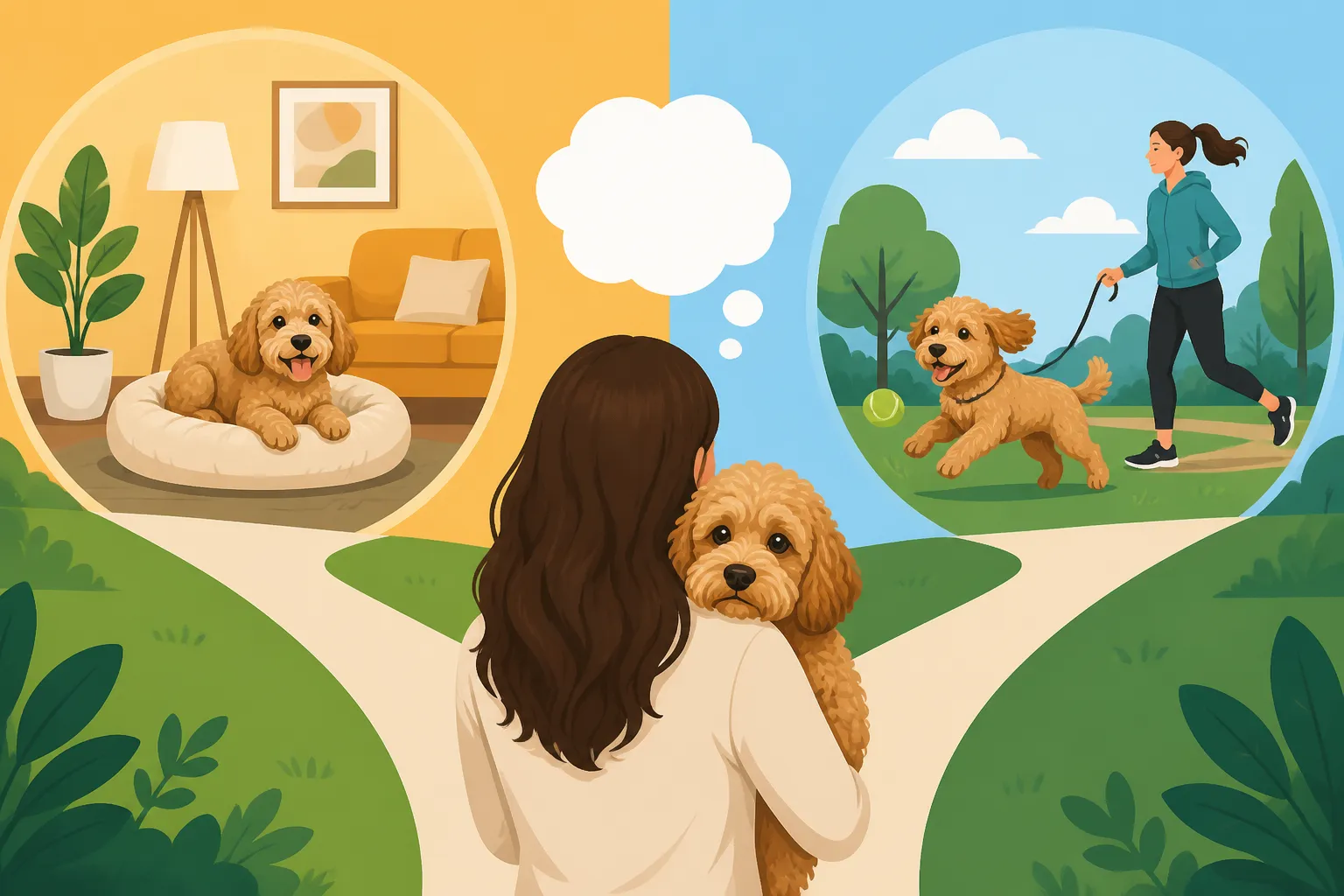
The Point a Cockapoo’s Owner Has to Decide
There comes a point in every Cockapoo owner's journey that no one ever wants to face: the heartbreaking decision about when to say goodbye. It’s a moment steeped in guilt, confusion, and overwhelming sadness, leaving you questioning if you're making the right choice, or if you're holding on too long or letting go too soon. This guide aims to help navigate this incredibly difficult time, offering a framework to assess your beloved Cockapoo's quality of life and find some peace in an impossible decision.
Recognizing the Signs: When Your Cockapoo's Health Declines
Watching your vibrant Cockapoo slow down or struggle is one of the hardest parts of having an aging companion. It’s not a sudden event, but often a gradual decline, which makes the "when" so agonizingly unclear. You might find yourself constantly replaying moments, wondering if that stumble was significant or if that skipped meal was just a fluke.
Physical Indicators of Discomfort and Pain
Pain is often the most critical factor, yet it can be incredibly subtle in dogs. Our Cockapoos are masters at masking discomfort, a survival instinct that served their ancestors well in the wild but complicates things for us. What looks like a dog "just getting old" could be chronic pain they're bravely enduring.
One of the first things you might notice is a change in their mobility. Perhaps they hesitate before jumping onto the sofa, which used to be their favorite perch, or they struggle with stairs they once bounded up. A once eager leash walk might become a slow shuffle, or they might even refuse to go out altogether. You might see a stiffness when they get up after a nap, or a subtle limp that comes and goes. Sometimes, it’s not just about movement; they might start shaking or trembling, not from cold, but from constant discomfort. For a breed like the Cockapoo, known for their playful energy, even at an advanced age, a significant reduction in their desire to move or play can be a huge red flag. Conditions like Arthritis in a Cockapoo at Eleven can creep in, making daily activities painful.
Digestive issues are another common sign. If your Cockapoo starts losing weight without explanation, or if they have persistent vomiting or diarrhea, it’s a clear indication that something is wrong. They might lose their appetite, turning their nose up at favorite treats or meals, or only eating very small amounts. This isn't just about hunger; it's about their body failing to process nutrients, impacting their energy and overall well-being. Issues like Kidney Failure in an Old Cockapoo or digestive tumors can severely affect their ability to eat and thrive. You'll find yourself painstakingly trying every food under the sun, desperate to find something, anything, they'll eat, only to be met with disinterest.
Respiration and basic bodily functions are also crucial. Labored breathing, coughing, or persistent panting when they haven't been exercising can indicate heart or lung issues. Similarly, a loss of bladder or bowel control, especially if it's becoming frequent and they're lying in their own waste, suggests a significant decline in their physical ability and dignity. It's not just an inconvenience for you; it's distressing for them.
Changes in Behavior and Spirit
Beyond the physical, your Cockapoo's behavior can tell you so much about their internal state. They might still wag their tail when you come home, but does that spark in their eyes still burn as brightly?
Often, a significant indicator is a loss of interest in activities they once adored. Your Cockapoo, who used to go absolutely bonkers for a walk in the park, might now just lie in their bed, barely lifting their head when you pick up the leash. The beloved squeaky toy that once brought endless joy now sits ignored. They might stop greeting you at the door, or no longer get excited about visitors. This isn't just a physical slowing; it's a diminishment of their zest for life. They may even stop wanting to interact with other dogs or pets in the household, preferring solitude.
Withdrawal or disengagement from the family is particularly heartbreaking. Cockapoos are inherently social creatures, thriving on interaction and being part of the family unit. If your Cockapoo, who once shadowed you from room to room, now prefers to isolate themselves in a quiet corner, or actively avoids your touch and attention, it signals a deeper emotional struggle. This could also manifest as increased irritability or even aggression, especially if they are in pain and don't want to be handled. A once-cuddly Cockapoo snapping or growling when you try to pet them is a sign of extreme distress. They might become restless, pacing at night, or vocalizing more, indicating confusion or anxiety. If you notice your dog has started to become disoriented, maybe even wandering or getting stuck in corners, it could be a sign of cognitive decline, much like Whether an Old Cockapoo Stops Answering Its Name.
It's also important to consider their overall disposition. Are they happy, even for short periods? Do they still find joy in anything, even if it's just a warm sunbeam or a soft blanket? If the predominant state is one of sadness, discomfort, or confusion, that's a profound sign.
Evaluating Quality of Life: A Compass for Tough Decisions
Once you start seeing these signs, the next step is often the hardest: objectively evaluating your Cockapoo's quality of life. This isn't about looking for perfection, but rather a reasonable level of comfort and joy. It's a deeply personal assessment, but having a framework can help you cut through the emotional fog.
The HHHHHMM Scale and Other Tools
Veterinarians often recommend using tools like the HHHHHMM scale (Hurt, Hunger, Hydration, Happiness, Mobility, More Good Days Than Bad). This scale provides a structured way to assess different aspects of your Cockapoo's daily life. Let’s break down what each point means:
- Hurt (Pain): Is your Cockapoo experiencing uncontrolled pain? Can it be managed with medication? Are they panting excessively, restless, hiding, or reluctant to move? This is paramount. Chronic pain, even low-level, chips away at their will to live.
- Hunger: Are they eating enough? Do they still show interest in food, even if it’s a special treat? A complete refusal to eat, or eating only tiny amounts, is a serious concern.
- Hydration: Are they drinking enough? Dehydration can quickly make a sick dog feel much worse. You can gently check their skin elasticity (tenting the skin on their back) or check their gums (should be moist and pink).
- Happiness: Does your Cockapoo still find joy in anything? Do they still interact with you, even if briefly? Do they have "spark" in their eyes? Are they showing their usual Cockapoo personality, even if subdued? This often comes down to their spirit.
- Mobility: Can they move around without significant pain or falling? Can they get up to relieve themselves? Are they able to navigate their environment safely, even with assistance? Consider aids like slings or ramps if they are struggling but still want to move.
- More Good Days Than Bad: This is arguably the most crucial point. Keep a journal for a week or two. Note down good moments (a wagging tail, a soft cuddle, eating a meal) and bad moments (pain episode, vomiting, extreme lethargy). If the bad days consistently outnumber the good, or if the good days are becoming rare and fleeting, it’s a powerful indicator.
Using a journal to track these points can provide invaluable clarity. It moves the assessment from a vague, emotional feeling to concrete observations. Many owners find that looking back at a week of notes helps them see patterns they might have missed day-to-day. You can create a simple table like this:
| Date | Pain Score (1-10) | Appetite (Good/Fair/Poor) | Hydration | Happiness Level | Mobility | Notes (Good/Bad Moments) |
|---|---|---|---|---|---|---|
| Day 1 | 7 | Poor | Fair | Low | Poor | Restless night, refused breakfast. |
| Day 2 | 6 | Fair | Good | Moderate | Fair | Ate some chicken, short gentle walk. |
| Day 3 | 8 | Poor | Fair | Low | Very Poor | Multiple accidents, hid under bed. |
| … | … | … | … | … | … | … |
This kind of tracking can help visualize the trend and provide data to discuss with your veterinarian.
Consulting with Your Veterinarian and Support Systems
Your veterinarian is your most important ally during this time. They can assess your Cockapoo's medical condition, discuss treatment options, and provide an objective perspective on their prognosis and pain management. Don't hesitate to ask frank questions like, "If this were your dog, what would you do?" They can also help you understand What Changes in a Cockapoo After Ten and what symptoms are truly indicative of a declining quality of life.
It's also essential to explore all possible avenues for comfort care. Sometimes, adjusting medication for pain, nausea, or anxiety can make a significant difference, even if only for a short while. Your vet might suggest new medications or even home hospice care options to keep your Cockapoo comfortable in their familiar surroundings. Pet insurance, like Healthy Paws, can sometimes alleviate the financial burden of these continuous comfort care efforts, allowing you to prioritize your dog's well-being without added stress. Many times, the decision point is reached when further medical intervention would only prolong suffering, not improve quality of life.
Beyond medical advice, lean on your personal support system. Talk to trusted friends or family members who understand your bond with your Cockapoo. They might offer a different perspective or simply be a listening ear. If you have children, discuss the situation with them in an age-appropriate manner, involving them in saying goodbye if they are old enough to understand. It's a difficult conversation, but including them can help them process their grief.
Making the Unimaginable Choice: Preparing for Their Farewell
Once you've made the decision – or, more accurately, once the decision has been made for you by your Cockapoo's declining state – the next steps involve preparing for their peaceful passing. This is about providing them with a dignified and loving farewell.
Planning for the Final Moments
Consider what kind of environment would be most comforting for your Cockapoo. Many owners opt for at-home euthanasia, allowing their dog to be in their own bed, surrounded by their favorite blankets and the people they love most. This can reduce stress for your Cockapoo significantly, as vet clinics can be scary places. If an at-home visit isn't possible, talk to your vet about what they can do to make the clinic visit as calm and peaceful as possible – perhaps a quiet room, extra time, or even letting you sit on the floor with your dog.
Think about who you want to be present. Do you want the whole family there, or just you and your partner? Some people find it too difficult to be there for the very last moment, and that’s okay too. There's no right or wrong way to say goodbye. The important thing is that your Cockapoo feels safe, loved, and at peace. Give them all their favorite treats, a special meal, or extra cuddles in those final hours. For many, it's about making their last moments as sweet and pain-free as possible.
It's wise to discuss arrangements for aftercare beforehand. Do you want cremation, or burial? If cremation, do you want their ashes back in an urn? Thinking about these details in advance, while painful, means you won't have to make these decisions when you're overwhelmed with grief. Many veterinary practices work with reputable pet cremation services, and they can guide you through the options. This is a practical step that can offer a small comfort, knowing you've planned everything for your cherished companion. Even a robust pet insurance plan like Healthy Paws may offer riders or support for end-of-life care, so it's worth checking your policy.
Allowing Yourself to Grieve
The grief that comes with losing a pet is profound and deeply personal, and it’s important to acknowledge and honor it. Don't let anyone tell you it's "just a dog." Your Cockapoo was a family member, a confidant, a source of unconditional love and joy. The emptiness they leave behind is immense.
Give yourself permission to feel all the emotions: sadness, anger, guilt, confusion, and even relief that their suffering has ended. There's no timeline for grief. Some days will be harder than others. You might find yourself tearing up unexpectedly at the sight of another Cockapoo, or when you reach for their leash out of habit. These moments are normal.
Finding ways to remember your Cockapoo can be incredibly healing. This might involve creating a photo album, planting a tree in their memory, commissioning a piece of pet portrait art, or keeping a special memento like their collar or a paw print. Talking about them, sharing stories, and keeping their memory alive can provide comfort. Organizations like the Association for Pet Loss and Bereavement offer support resources, including online chat rooms and hotlines, which can be invaluable during this time. Remember, you are not alone in this experience. If your Cockapoo was insured with Healthy Paws, their customer service might even be able to offer resources or simply a compassionate ear.
It's also important to continue caring for yourself. While it might feel impossible, try to maintain some routines, eat nourishing food, and get enough rest. Your other pets might also be grieving, so pay extra attention to them. They might show signs of sadness or confusion, and extra cuddles and patience can go a long way. Ultimately, healing takes time, and slowly, the sharp edges of grief will soften, leaving behind a treasure trove of cherished memories.
Coping and Remembering: Life After Loss
The silence in the house after your Cockapoo is gone can be deafening. The empty space they left behind is a constant reminder of their absence. While the pain may never fully disappear, learning to cope and integrate their memory into your life is a vital part of the healing process.
Navigating the Empty Nest Syndrome
Many Cockapoo owners describe a profound "empty nest" feeling when their beloved companion is no longer there. The daily routine that revolved around their walks, feeding times, cuddles, and games suddenly vanishes. You might find yourself automatically reaching for their leash, or waiting for them to greet you at the door. This sense of loss of routine, combined with the emotional void, can be incredibly disorienting.
It's okay to feel this way. Allow yourself to feel the sadness of those lost routines. Perhaps consider filling some of that time with activities that bring you comfort, or even volunteering at a local animal shelter if you feel up to it. This doesn't mean you're replacing your Cockapoo; it means you're channeling your love for animals into something positive. Some people find solace in donating their Cockapoo's unused food or toys to a shelter in their memory. This can be a wonderful way to honor their life and help other dogs in need. It's about finding new ways to connect with the world, while still honoring the profound connection you had with your dog.
Consider how your remaining pets are reacting. Dogs are sensitive creatures and they grieve too. A sudden absence can confuse them, and they might exhibit behavioral changes, like becoming clingy, lethargic, or anxious. Give them extra attention and comfort during this time. Maintaining their routine as much as possible can provide a sense of stability for them. They often look to us for reassurance, so even when you’re struggling, try to be a calm presence for them.
Honoring Their Memory and Finding Peace
Over time, the acute pain of loss will often soften, allowing you to remember your Cockapoo with more fondness than sorrow. It's a journey, not a destination. You'll still have moments of sadness, but they'll be interspersed with cherished memories and smiles as you recall their quirky habits or the pure joy they brought into your life.
One powerful way to honor their memory is to reflect on the incredible gift they were. Think about the many years they lived, the happiness they shared, and the love they gave unconditionally. For a breed like the Cockapoo, known for The Fourteen to Eighteen Years a Cockapoo Lives, there are countless memories to cherish. Focusing on these positive contributions can help shift your perspective from loss to gratitude. Perhaps start a small tradition, like lighting a candle on their birthday or on the anniversary of their passing, as a quiet moment of remembrance.
Eventually, you might even consider opening your heart and home to another dog. There’s no fixed timeline for this, and it’s a decision that should only be made when you feel truly ready. Bringing a new puppy home doesn't diminish the love you had for your previous Cockapoo; it expands your capacity for love. It’s a way of continuing the cycle of joy and companionship that our dogs bring into our lives. Whether you choose to rescue an older dog that needs a loving home, or welcome a new puppy, remember that each dog is an individual, and they will bring their own unique personality and joy. The memory of your first Cockapoo will always be with you, a testament to a bond that death cannot break.
Disclaimer
The information provided in this article is for general informational purposes only and is not a substitute for professional veterinary advice. Always consult with a qualified veterinarian for any health concerns or before making any decisions about your pet's care.