Whether a Cockapoo Gets Dandruff
It’s truly disheartening to see your beloved Cockapoo constantly scratching, leaving a trail of white flakes on your furniture and their beautiful coat. You’re left wondering if it’s just dry skin, or something more, and how on earth to make them comfortable again. This guide will walk you through understanding why your Cockapoo might be getting dandruff, how to tell it apart from other skin issues, and most importantly, what steps you can take to alleviate their discomfort and get their skin and coat back to tip-top condition.
Understanding Why Your Cockapoo Gets Dandruff
Dandruff, or seborrhea sicca as it's known in the veterinary world, isn't just a human problem. Our furry friends, especially those with luscious coats like Cockapoos, can experience it too. The root causes can be multifaceted, often stemming from a mix of genetics, environmental factors, and even their daily care routine. It's not always a serious issue, but it's certainly a sign that something isn't quite right with their skin's balance.
The Genetic Link to Skin Conditions: Cocker Spaniel vs. Poodle
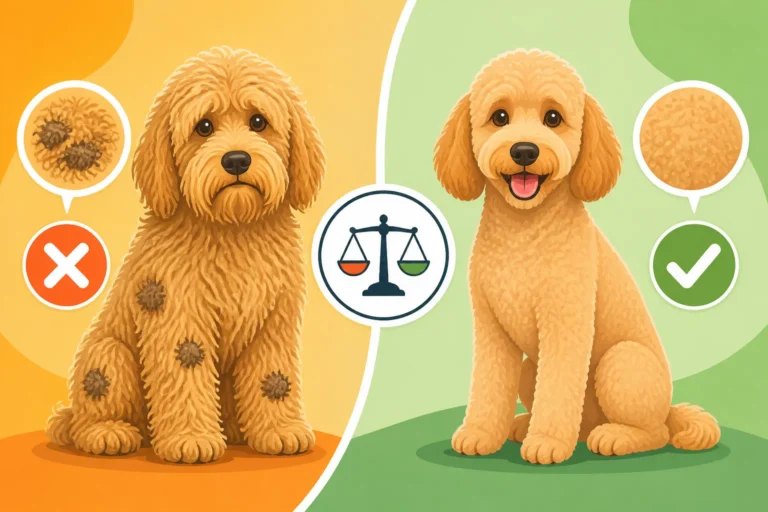
One of the beautiful complexities of owning a Cockapoo is observing the blend of traits inherited from their Cocker Spaniel and Poodle parents. When it comes to skin, this genetic mosaic can sometimes lead to a predisposition for certain issues. Cocker Spaniels, for instance, are notoriously prone to developing oily skin (seborrhea oleosa), which can sometimes manifest as excessively greasy skin and coat, leading to secondary issues like yeast infections and, yes, flaking. Imagine a dog whose skin glands are constantly in overdrive, producing more oil than necessary. This excess oil can then trap dead skin cells, leading to inflammation and shedding of visible flakes. It’s a bit like having combination skin yourself – some areas are dry, while others are battling oil. You might find yourself thinking, Whether a Cockapoo Inherits the Cocker's Oily Skin, and the answer is definitely yes, it's a possibility.
On the flip side, Poodles are known for their dense, curly coats and can sometimes be prone to dry skin, especially if not groomed correctly or if they have underlying allergies. Dry skin can also lead to flaking, but it presents differently – typically smaller, finer flakes without the greasy feel. So, your Cockapoo can inherit either a tendency towards oiliness or dryness, or a tricky combination of both, which can make managing their skin a bit of a balancing act. Understanding these predispositions is the first step in figuring out how to best care for your unique Cockapoo’s skin.
Environmental Factors and Bathing Habits
Beyond genetics, your Cockapoo's environment and how often and how you bathe them play a huge role in skin health. Think about how your own skin feels in dry winter air or after a hot shower. The same principles apply to your pup! Low humidity, especially during colder months when indoor heating is cranked up, can strip moisture from their skin, leading to dryness and flaking. It’s not uncommon to see a Cockapoo develop more dandruff in winter than in summer.
Then there's the bathing routine. While it might seem counterintuitive, both too much bathing and too little bathing can exacerbate dandruff. Bathing too frequently, especially with harsh shampoos not formulated for dogs, can strip the natural oils from their skin, leaving it dry, irritated, and flaky. On the other hand, not bathing often enough allows dead skin cells, dirt, and excess oils to build up, creating a perfect environment for flakes and potential skin infections. It's a delicate balance to find what works for your individual Cockapoo. Some Cockapoos with oily skin might benefit from more frequent bathing with a specific degreasing shampoo, while those with dry skin might need less frequent baths with a super moisturizing formula. This really speaks to the broader topic of Skin and Coat Disease in a Cockapoo.
Allergies and Other Underlying Health Issues
Sometimes, dandruff isn't just about dry or oily skin, but a symptom of a larger problem. Allergies are a massive culprit here. Cockapoos, inheriting sensitivities from both parent breeds, can suffer from environmental allergies (like pollen, dust mites) or food allergies. When an allergic reaction occurs, the skin becomes inflamed, itchy, and can start flaking excessively. This often presents as intense itching, red skin, and sometimes even hot spots or secondary infections. You might be seeing your Cockapoo Whether a Cockapoo Itches From the Cocker Side because of these allergic tendencies. It can be a real head-scratcher trying to pinpoint what they're reacting to, and often requires a vet's help.
Beyond allergies, other health conditions can also manifest as dandruff. Hormonal imbalances, such as hypothyroidism (an underactive thyroid), can lead to a dull, dry, and flaky coat. Nutritional deficiencies, especially a lack of essential fatty acids, can also impair skin barrier function, causing dryness and flaking. Even parasites like mites or fleas can cause irritation and flaking, though usually accompanied by intense itching and visible bite marks. This is why it’s so important to rule out these more serious underlying issues, especially if the dandruff is persistent or severe.
Identifying Dandruff in Your Cockapoo
It’s easy to spot a white flake on a dark coat, but sometimes identifying dandruff, especially in a Cockapoo with a lighter or very curly coat, can be a bit trickier. Plus, not all flakes are created equal. Understanding what you’re looking for and how to differentiate between simple dry skin and more concerning dandruff can save you a lot of worry and vet visits.
Distinguishing True Dandruff from Normal Flaking
Every dog sheds skin cells, just like humans do. A small amount of fine, white flaking, especially after grooming or in a particularly dry environment, might just be normal skin cell turnover. This is usually nothing to worry about and often resolves with minor adjustments to their routine. True dandruff, however, tends to be more noticeable, persistent, and often comes with other symptoms. It might be accompanied by itching, redness, or an unpleasant smell. The flakes themselves might be larger, more abundant, or even have a greasy or waxy texture, indicating an overproduction of sebum. If you notice your Cockapoo's coat feels oily at the roots, Whether a Cockapoo's Coat Feels Oily at the Roots can be a good indicator that you're dealing with seborrhea rather than just simple dry flakes.
To get a closer look, part their fur and examine the skin directly. Is it red? Greasy? Are there scabs or bumps? Is the hair thinning in places? These observations can give you clues as to the severity and potential cause. It's really about the overall picture rather than just the presence of a few flakes.
Common Symptoms to Look Out For
Beyond the visible flakes, there are several other signs that your Cockapoo might be struggling with dandruff or an underlying skin issue. These symptoms can range from mild annoyance to significant discomfort for your pup:
- Excessive Itching and Scratching: This is often the first and most obvious sign that something is bothering their skin. They might scratch, lick, or chew at specific areas or all over their body.
- Redness or Inflammation: The skin itself might look irritated, pinker, or even red, especially in areas they've been scratching or licking.
- Greasy or Oily Coat: If the dandruff is linked to seborrhea oleosa (oily skin), their coat might feel greasy or "waxy" to the touch, and they might even develop a distinctive, sometimes unpleasant, odor. You might notice your Cockapoo What a Cockapoo's Skin Smell Means.
- Dull or Dry Coat: Conversely, if dry skin is the culprit, their coat might appear dull, brittle, and lack its usual luster.
- Hair Loss or Thinning: Chronic scratching or severe skin irritation can lead to patches of hair loss.
- Scabs, Bumps, or Crusts: In more severe cases, or if secondary infections have set in, you might find small scabs, pustules, or crusty patches on their skin.
- Odor: A yeasty or musty smell can accompany skin issues, especially if there's an overgrowth of yeast or bacteria due to the imbalance.
The Role of Coat Type in Visibility
A Cockapoo's coat can be a magnificent thing, ranging from a wavy, shaggy look to a tight, curly Poodle-like texture. This variety in coat types can significantly impact how noticeable dandruff is. For a Cockapoo with a straight or wavy coat, flakes might be more apparent, easily falling out and settling on surfaces. Their looser coat structure means flakes have an easier path to the outside world.
However, for those Cockapoos blessed with a dense, tightly curled coat, dandruff can be more insidious. The flakes might get trapped within the thick curls, making them harder to spot until the condition is quite advanced or the dog is groomed. The same goes for light-colored coats, where white flakes might simply blend in. This is why regular grooming and thorough brushing are so crucial, not just for preventing mats but for monitoring skin health. Getting a good brush deep down to the skin can help dislodge flakes and give you a better view of what’s happening underneath. You can learn more about managing these coats in The Three Cockapoo Coat Types and Their Upkeep.
Treating Dandruff in Your Cockapoo at Home
Once you've identified that your Cockapoo has dandruff and ruled out any serious underlying health issues with your vet, there are many steps you can take at home to manage and alleviate the problem. Consistency is key here, as skin health often requires a long-term approach.
Choosing the Right Shampoo and Conditioner
This is often the first line of defense. Not all dog shampoos are created equal, and using the wrong one can actually make dandruff worse. Look for shampoos specifically designed for dry, flaky, or sensitive skin. These often contain ingredients like colloidal oatmeal, aloe vera, or essential fatty acids to moisturize and soothe. For Cockapoos with oily dandruff, a medicated shampoo with ingredients like salicylic acid, benzoyl peroxide, or coal tar can help regulate oil production and shed dead skin cells. If your Cockapoo’s skin is particularly greasy, you might need to investigate Bathing a Cockapoo Whose Skin Is Greasy.
Always follow the instructions on the shampoo label, especially regarding contact time – medicated shampoos often need to sit on the skin for 5-10 minutes to be effective. After shampooing, a good quality conditioner is essential to rehydrate the skin and coat. Conditioners designed for dry or sensitive skin will help lock in moisture and prevent further flaking. You can often find a wide selection of these specialized shampoos and conditioners from reputable online retailers like Chewy or Amazon, making it convenient to find exactly what you need. Remember, Whether a Cockapoo's Skin Dries Out From Washing is a real concern if you're using harsh products or bathing too frequently.
Dietary Considerations and Supplements
What goes into your Cockapoo's body can have a profound impact on their skin health. A high-quality diet, rich in essential fatty acids, vitamins, and minerals, is fundamental. Look for dog foods that list real meat as the first ingredient and contain sources of omega-3 and omega-6 fatty acids, such as fish oil or flaxseed. These "good fats" are crucial for maintaining a healthy skin barrier and a lustrous coat.
If their diet isn't providing enough of these beneficial nutrients, or if they have particularly dry skin, supplements can make a huge difference. Fish oil supplements (specifically those high in EPA and DHA) are widely recommended for skin and coat health. Other supplements like borage oil or primrose oil can also be beneficial. Always discuss any dietary changes or supplements with your vet to ensure they're appropriate for your dog. Some owners find that a fresh food diet, like those offered by services such as Ollie, can make a noticeable difference in their dog's overall skin health due to the higher quality ingredients and natural moisture content. It really reinforces the idea that Whether Diet Changes a Cockapoo's Coat Condition is a definite 'yes'.
Grooming Routine for Flake Control
Grooming isn't just about looking pretty; it's a vital part of managing skin health. Regular brushing helps to distribute natural oils, remove loose hair and dead skin cells, and stimulate circulation to the skin. For Cockapoos prone to dandruff, daily brushing with a slicker brush followed by a metal comb can be incredibly effective. Make sure you're brushing down to the skin, not just skimming the top of the coat, especially with their dense fur.
Consider the tools you're using. A good quality slicker brush can help detangle and remove loose undercoat, while a fine-toothed comb can help identify and remove small flakes that might otherwise get trapped. After brushing, a quick wipe down with a damp cloth can help remove any remaining surface flakes. Also, ensure your grooming products, like detangling sprays, are hypoallergenic and gentle. While you might be tempted to shave down a severely matted or flaky Cockapoo, discuss this with your groomer or vet first, as shaving too short can sometimes expose sensitive skin to irritants.
Here's a quick comparison of common skin issues in Cockapoos that might present with flaking:
| Condition | Primary Cause(s) | Flake Appearance | Other Symptoms | Common Cockapoo Predisposition |
|---|---|---|---|---|
| Dry Skin (Xerosis) | Low humidity, harsh shampoos, dehydration | Small, fine, white | Mild itching, dull coat | Poodle side, environmental |
| Seborrhea Sicca | Genetic, nutritional, environmental | Small to medium, white | Mild to moderate itching, dull coat | Both parent breeds |
| Seborrhea Oleosa | Genetic, hormonal, yeast/bacterial overgrowth | Greasy, yellowish, large | Greasy coat, strong odor, redness, itching | Cocker side |
| Allergic Dermatitis | Environmental allergens, food allergies | Variable, often fine | Intense itching, redness, inflammation, paw licking | Both parent breeds |
| Parasites (e.g., Mites) | Mites (e.g., Cheyletiella mites) | "Walking dandruff," visible | Intense itching, redness, scabs | Any breed |
| Hypothyroidism | Underactive thyroid gland | Dry, brittle | Weight gain, lethargy, hair loss, dull coat | Poodle side |
When to Seek Veterinary Advice
While many cases of Cockapoo dandruff can be managed at home, there are times when a trip to the vet is absolutely necessary. Don't hesitate to seek professional help if you're concerned, as early intervention can prevent more serious problems.
When Home Remedies Aren't Enough
If you've diligently tried various home remedies—switching shampoos, improving their diet, consistent grooming—and your Cockapoo's dandruff isn't improving, or worse, is getting more severe, it's time to call the vet. Persistent itching, redness, hair loss, or the development of an unpleasant odor are all red flags that warrant a professional opinion. You know your dog best, and if something just feels "off," trust your gut. Sometimes, what looks like simple dandruff can be a cover for something more complex, and a veterinary examination can clarify the situation. Furthermore, if you suspect allergies, your vet can guide you on Whether Allergy Testing a Cockapoo Is Worth It.
Diagnosing Underlying Medical Conditions
Your vet will conduct a thorough examination, which may include asking you detailed questions about your Cockapoo's diet, environment, grooming routine, and any other symptoms you've noticed. They might take skin scrapings to check for mites, perform a cytology (microscopic examination of skin cells) to look for yeast or bacterial overgrowth, or even recommend blood tests to check for hormonal imbalances like hypothyroidism. They might also discuss an elimination diet if food allergies are suspected. These diagnostic steps are crucial for pinpointing the exact cause of the dandruff, as treating the symptom without addressing the root problem will only provide temporary relief. For example, if your Cockapoo has hypothyroidism, no amount of special shampoo will fix the underlying issue.
Prescription Treatments and Long-Term Management
Once a diagnosis is made, your vet can prescribe targeted treatments. This might include prescription-strength medicated shampoos, oral medications for allergies (like antihistamines or corticosteroids), antibiotics for bacterial infections, antifungals for yeast infections, or even hormone replacement therapy for conditions like hypothyroidism. They can also advise on specific nutritional supplements, like a particular formulation of omega fatty acids, which can significantly improve skin barrier function. You might find your vet recommends Whether Medicated Baths Help a Cockapoo if a stubborn skin infection is at play.
Long-term management often involves a combination of these approaches. For instance, a Cockapoo with chronic allergies might require ongoing medication, a special diet, and regular use of a therapeutic shampoo. Your vet can help you create a personalized plan to keep your Cockapoo's skin healthy and comfortable. It's an ongoing journey, but with patience and consistency, you can help your Cockapoo live a flake-free and much happier life.
Disclaimer
This article is for general informational purposes only and does not constitute professional advice. Laws, prices and regulations vary by location and change over time. Consult a qualified professional for guidance on your specific situation.