What Furnishings Look Like on a Cockapoo
One of the biggest mysteries for new Cockapoo parents, and even seasoned ones, is understanding that fluffy, irresistible coat! You bring home a puppy, often thinking you’re getting a non-shedding, allergy-friendly dog, only to discover a few months down the line that their coat is entirely different from what you expected. This guide will walk you through exactly what "furnishings" are, why they're so important for your Cockapoo's appearance and maintenance, and how to spot them.
Understanding the Furnishings Gene in Cockapoos
When we talk about a Cockapoo's coat, especially concerning shedding and allergies, the term "furnishings" comes up a lot. It sounds a bit like fancy furniture, doesn't it? But for our beloved doodles, it's actually about their facial hair and how their coat grows. Many people assume all Cockapoos will have that distinctive teddy bear look, complete with a mustache and eyebrows, but that's not always the case. It all comes down to a specific gene, and understanding it can save you a lot of surprises down the road.
The Genetic Basis of Furnishings
At its heart, furnishings refer to the presence of longer hair on a dog's face, specifically around the muzzle (giving them that characteristic beard or mustache) and over their eyes (creating eyebrows). This trait is controlled by a gene called RSPO2. Dogs either have furnishings (F/F or F/IC) or they don't (IC/IC). The "IC" stands for "improper coat," and it means the dog lacks these facial furnishings. Think of a purebred Poodle or a purebred Cocker Spaniel. Poodles are always furnished; they have that distinct facial hair. Cocker Spaniels, on the other hand, do not. They have smooth, short hair on their face that is continuous with the hair on their head.
Since a Cockapoo is a cross between these two breeds, they inherit genes from both. If a Cockapoo inherits two copies of the furnishing gene (F/F), they will be heavily furnished. If they inherit one furnishing gene and one improper coat gene (F/IC), they will still be furnished, but sometimes their coat might be a little less dense or have a slightly different texture than a dog with two F/F genes. The real surprise comes when a Cockapoo inherits two copies of the improper coat gene (IC/IC). This is where you get a Cockapoo that looks much more like a Cocker Spaniel in the face, with a smooth muzzle and no distinct eyebrows. The Furnishings Gene That Decides a Cockapoo's Face is truly the master switch for that iconic doodle look.
What Furnishings Really Mean for a Cockapoo's Coat
Beyond just the cute factor of a beard and eyebrows, furnishings have a profound impact on the overall texture, growth, and shedding characteristics of a Cockapoo's coat. Dogs with furnishings have a coat that continuously grows, much like human hair, and tends to shed significantly less because the shed hair gets caught in the longer, curlier outer coat. This is why furnished dogs are often marketed as "hypoallergenic" or "low-shedding," which is a huge draw for many families. However, this continuous growth also means their coats require diligent grooming to prevent matting.
Conversely, a Cockapoo without furnishings – an "improper coat" – will have a shedding coat, much more akin to that of a Cocker Spaniel. Their facial hair will be short and smooth, and their body coat will have a very different texture, often shedding quite a bit. This is a crucial distinction, especially for those hoping for a low-shedding companion. Many people simply aren't aware that a Cockapoo can have such a coat, and it can lead to disappointment if they weren't expecting it. This is why it’s so important to understand What an Improper Coated Cockapoo Looks Like before you commit to a puppy.
Visual Characteristics of Furnished vs. Unfurnished Cockapoos
Seeing is believing, right? It's one thing to talk about genes and hair growth, but it's another to actually recognize the difference in a Cockapoo's appearance. The visual cues are quite distinct, especially once you know what to look for. This isn't just about aesthetics; it tells you a lot about the grooming commitment you're in for and whether your dog will truly be low-shedding.
The Classic Furnished Look
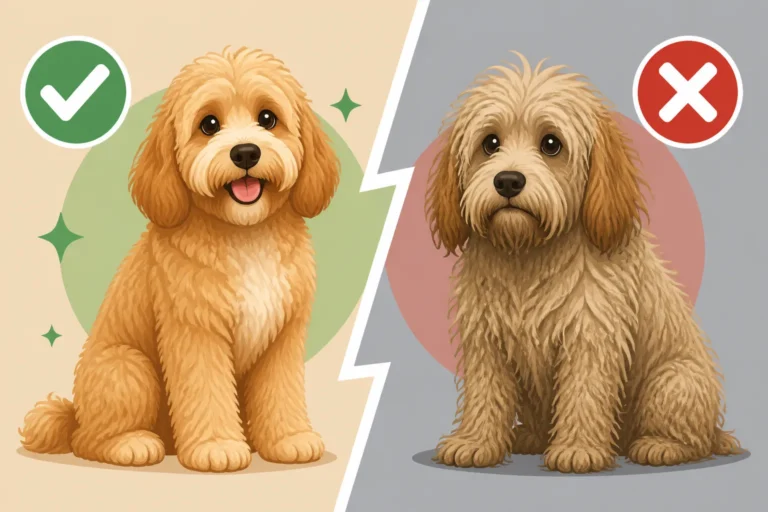
When most people picture a Cockapoo, they envision a dog with that adorable "teddy bear" face. This look is a direct result of furnishings. A furnished Cockapoo will have:
- A distinct mustache and beard: The hair around their muzzle will be noticeably longer and often curlier than the hair on top of their head. It creates a fluffy, rounded appearance to their face, rather than a smooth, tapering snout.
- Prominent eyebrows: The hair above their eyes will also be longer and often sweep forward, giving them expressive brows. This adds to their sweet, intelligent facial expression.
- Longer ear feathering: While not solely due to furnishings, furnished Cockapoos often have very long, flowing hair on their ears, which contributes to their overall fluffy appearance.
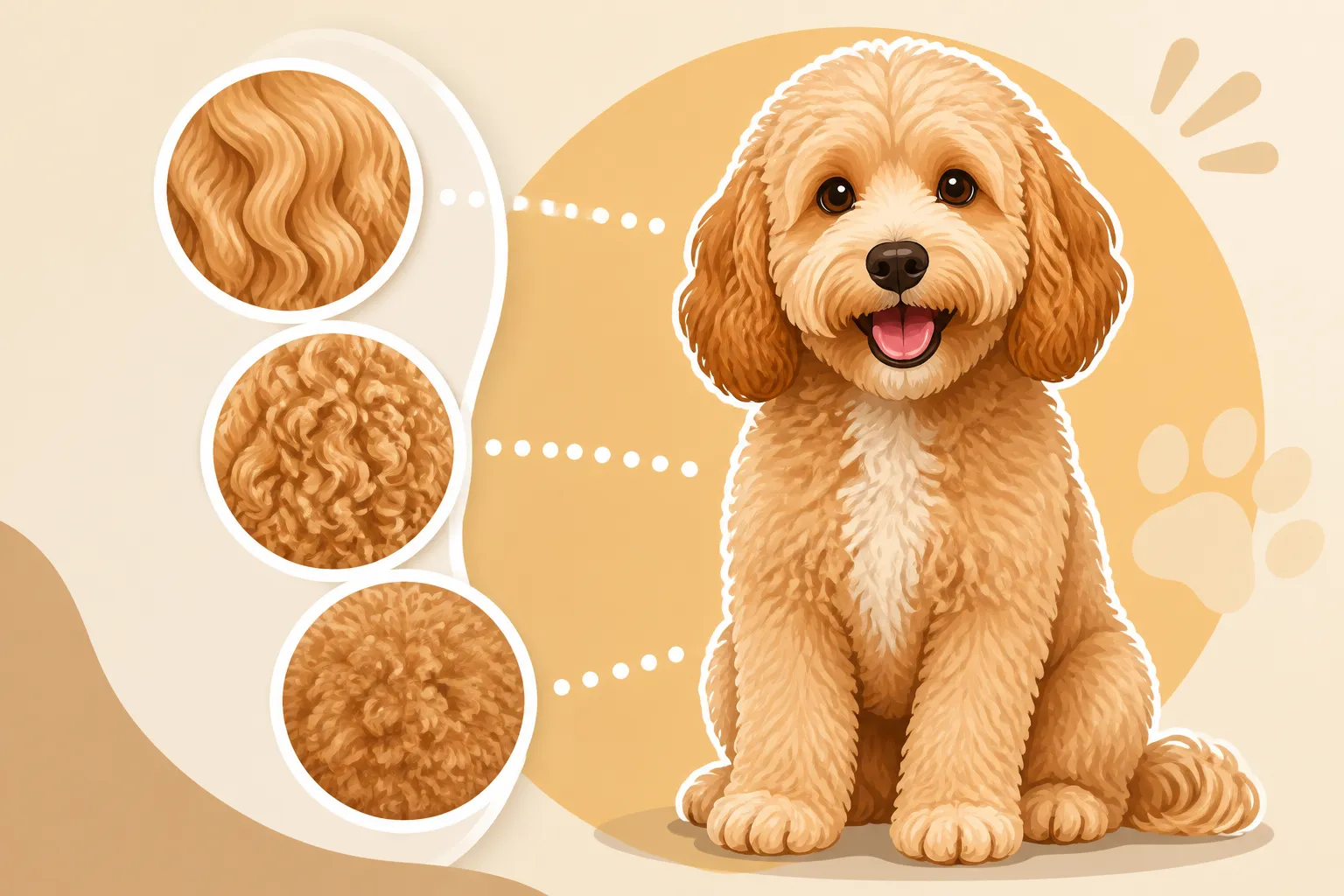
- A generally shaggier, continuously growing body coat: The hair on their body, whether wavy or curly, will grow longer and thicker, requiring regular trims. This type of coat traps shed hair, making it appear as if the dog sheds very little. This is why Whether a Cockapoo Needs Furnishings to Be Low Shedding is such a common question, and the answer is usually a resounding yes for those seeking minimal shedding.
Think about a classic Goldendoodle or Labradoodle; they almost always have furnishings. It's what gives them that characteristic doodle appearance. This kind of coat is lovely, but it does mean that a visit to the groomer or a dedicated home grooming routine is absolutely essential to prevent painful mats and tangles. You'll be brushing them diligently, likely with a pin brush and metal comb, and using detangling sprays, perhaps sourced from places like Amazon or Chewy, to keep their locks glorious.
Recognizing an Unfurnished Cockapoo (the "Improper Coat")
An unfurnished Cockapoo, often referred to as having an "improper coat" (IC), presents a very different picture. Instead of the teddy bear look, they will more closely resemble their Cocker Spaniel parent, particularly in the face. Here’s what you’ll see:
- A smooth, short muzzle: The hair on their face will be uniformly short, extending smoothly from their forehead down to their nose and chin, without any extra length to form a beard or mustache. It looks neat and clean, but it lacks that fluffy doodle charm many people expect.
- No distinct eyebrows: The hair above their eyes will be short and lie flat, blending seamlessly with the rest of their head hair. Their eyes will appear more prominent, unobstructed by longer hair.
- Less dense ear feathering (typically): While they might still have some length to their ear hair, it won't be as voluminous or continuously growing as in a furnished Cockapoo.
- A shedding body coat: The most significant difference is that their body coat will shed much like a traditional spaniel. While it might still have some wave or slight curl, it won't grow endlessly, and you'll find more hair around your home, on your furniture, and on your clothes. This is the main reason why Picking the Puppy in a Cockapoo Litter That Will Shed Least often comes down to identifying furnishings.
It's a look that’s undeniably charming in its own right, just not the one most people associate with "doodle." If you’re allergic or sensitive to dog hair, an unfurnished Cockapoo might not be the best fit for your home. This is often the surprise element for unsuspecting buyers who didn't know to ask about furnishings, leading to unexpected shedding and grooming needs.
Here's a quick comparison of the visual differences:
| Feature | Furnished Cockapoo (F/F or F/IC) | Unfurnished Cockapoo (IC/IC) |
|---|---|---|
| Muzzle/Chin | Long, often curly, forms a beard/mustache | Short, smooth, tapers to a point |
| Eyebrows | Present, longer hair above eyes | Absent, hair lays flat |
| Facial Profile | Teddy bear, fluffy, rounded | Smooth, sleek, more defined snout |
| Body Coat | Continuously growing, low shed | Shedding, often shorter/denser |
| Grooming Need | High (trimming, brushing to prevent mats) | Moderate (brushing for shedding control) |
Why Furnishings Matter for Owners
Understanding furnishings isn't just a fun fact; it's genuinely critical for any prospective or current Cockapoo owner. It directly impacts daily life with your dog, from how clean your home stays to the budget you need for their upkeep. This genetic trait can make all the difference in whether your Cockapoo fits perfectly into your lifestyle or becomes a source of unexpected challenges.
Impact on Shedding and Allergies
The number one reason people seek out "doodle" breeds like the Cockapoo is the promise of low shedding and often, a better experience for allergy sufferers. This promise, however, is almost entirely dependent on the presence of furnishings. A furnished Cockapoo's coat, with its continuously growing hair, does indeed trap shed hair within its curls and waves, releasing far less into the environment. This makes them much more suitable for homes where shedding is a concern or where family members have mild pet allergies. If you’re specifically looking for a low-shedding dog, then Whether a Furnished Cockapoo Suits an Allergic Home becomes a very important question, and the answer is generally yes, if they are truly furnished.
However, an unfurnished Cockapoo will shed. Period. Not like a Golden Retriever, perhaps, but certainly more than a Poodle or a properly furnished doodle. For individuals with severe allergies, even a low-shedding dog might trigger a reaction, but an unfurnished Cockapoo will almost certainly be problematic. It's a common misconception that all Cockapoos are non-shedding, and failing to understand furnishings is often the root of this misunderstanding. When choosing a puppy, it's wise to consider that shedding can still be an issue if the parents aren't properly tested for the furnishing gene.
Grooming Differences
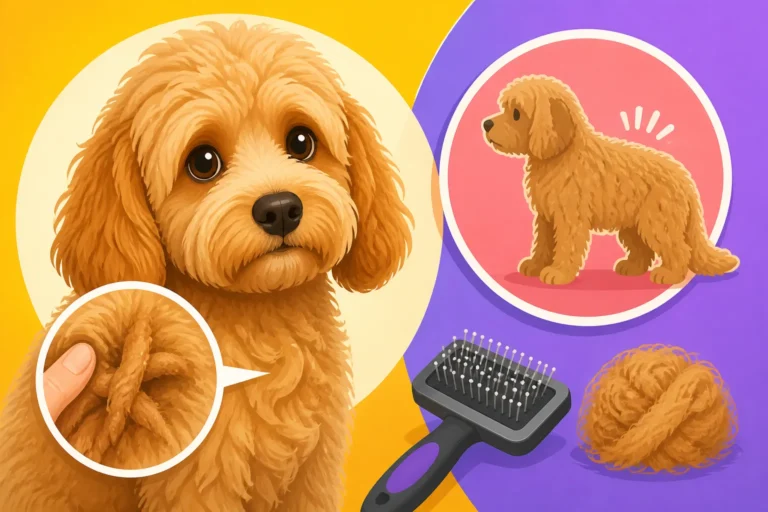
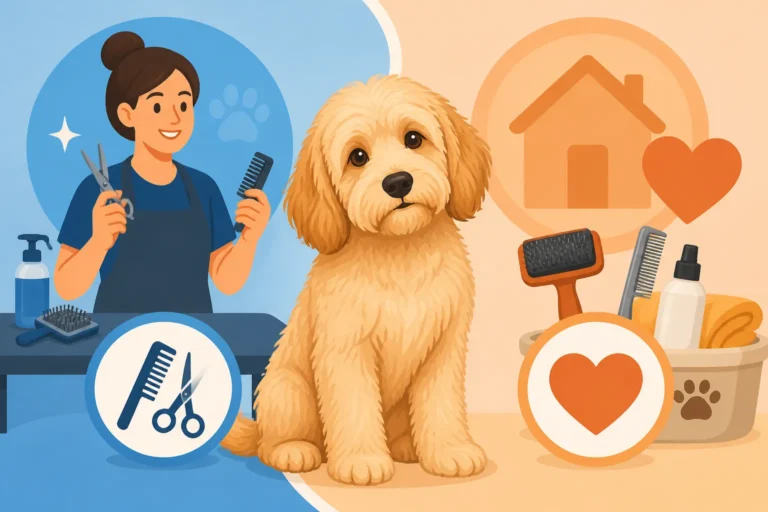
The grooming demands between a furnished and an unfurnished Cockapoo are night and day. A furnished Cockapoo, with its constantly growing hair, is a high-maintenance dog in terms of grooming. Their coats will mat if not brushed regularly – often daily or every other day – and they will need professional grooming every 6-8 weeks to keep their length manageable and free of tangles. This includes trimming their body, face, and paws. If left unattended, these coats can become severely matted, leading to skin issues and requiring a complete shave-down, which can be traumatic for the dog and costly for the owner. You'll need a good quality slicker brush and a metal comb. Brands like Chris Christensen or Andis are popular choices, often available on Amazon or Chewy.
An unfurnished Cockapoo, on the other hand, requires far less intensive grooming. Their shorter, shedding coat needs regular brushing to remove loose hair and keep their skin healthy, but they won't typically develop the tight, painful mats that furnished coats do. They might need occasional trims to tidy up their look, but the frequent, extensive professional grooming sessions common for furnished Cockapoos won't be necessary. This can represent a significant difference in both time commitment and financial outlay over your dog's lifetime. Understanding How Many Minutes a Wavy Cockapoo Takes to groom versus a straight-coated, unfurnished one can really put things into perspective for your schedule.
Predicting Furnishings in Cockapoo Puppies
So, how can you tell if that adorable, fluffy puppy is going to grow into a furnished teddy bear or an unfurnished spaniel-faced charmer? It's tricky with young puppies, but there are ways to get a good idea, especially if your breeder is transparent and proactive. Getting it right can prevent future surprises and ensure your Cockapoo perfectly matches your expectations for shedding and grooming.
Early Signs and Breeder Insights
For the casual observer, predicting furnishings in an 8-week-old Cockapoo puppy can be challenging. All puppies are soft and fluffy, and their adult coat traits aren't always immediately obvious. However, experienced breeders, especially those who prioritize health and predictability, often have a good eye for it. They look for subtle cues around the puppy’s muzzle:
- Muzzle Hair: A furnished puppy will often have slightly longer, scruffier hair around its muzzle and chin, even at a very young age. This hair will feel a bit coarser or more wiry than the soft, fine hair on top of its head. An unfurnished puppy’s muzzle hair will be consistently short and smooth, blending seamlessly into its face. Telling a Furnished Cockapoo Puppy by Its Muzzle is truly a skill developed over time.
- Eyebrows: Similarly, early indications of eyebrows might be present in a furnished puppy, while an unfurnished one will have uniformly short hair above the eyes.
Reputable breeders will often be able to give you an educated guess, but they usually won't make guarantees based solely on visual inspection of a young puppy. They understand the nuances of coat genetics and the potential for variations even within the same litter. They should also be able to explain the genetic background of the parents, which is the most reliable predictor. This leads us to the most accurate method for predicting coat type.
The Role of DNA Testing
The most definitive way to know if a Cockapoo puppy will have furnishings is through DNA testing of the parents. Breeders can use genetic tests to determine whether their breeding dogs carry one or two copies of the furnishing gene (F) or the improper coat gene (IC). The RSPO2 gene test will show results like F/F, F/IC, or IC/IC.
- If both parents are F/F: All puppies will be F/F (furnished).
- If one parent is F/F and the other is F/IC: All puppies will be furnished, with a mix of F/F and F/IC outcomes.
- If both parents are F/IC: This is where things get interesting. Their litter could produce puppies that are F/F (furnished), F/IC (furnished), or IC/IC (unfurnished). In this scenario, roughly 25% of the litter could be unfurnished. This is often how unfurnished Cockapoos occur unexpectedly.
- If one parent is F/IC and the other is IC/IC: About 50% of the puppies will be furnished (F/IC) and 50% will be unfurnished (IC/IC).
- If both parents are IC/IC: All puppies will be IC/IC (unfurnished).
A responsible breeder should be able to provide you with copies of these genetic test results for the parent dogs. This is a critical piece of information for managing expectations. What RSPO2 Testing Tells a Cockapoo Breeder is invaluable because it removes the guesswork. Asking a Cockapoo breeder for these certificates is not being pushy; it's being a responsible future pet parent. If a breeder is unwilling or unable to provide this information, it's a red flag. Always inquire about the parents' coat DNA panels to ensure you're getting the coat type you expect. Reading a Cockapoo Coat Report Before You Choose empowers you to make an informed decision. Remember that while breeders can tell you what to expect, Whether a Breeder Can Guarantee a Cockapoo's Coat often depends on these test results and their breeding program. This is especially true for F1b or multi-generation Cockapoos, where understanding Whether an F1b Cockapoo Is Guaranteed Furnished relies on knowing the genetic makeup of the parents.
Disclaimer
This article is for general informational purposes only and does not constitute professional advice. Laws, prices and regulations vary by location and change over time. Consult a qualified professional for guidance on your specific situation.